The Symptom
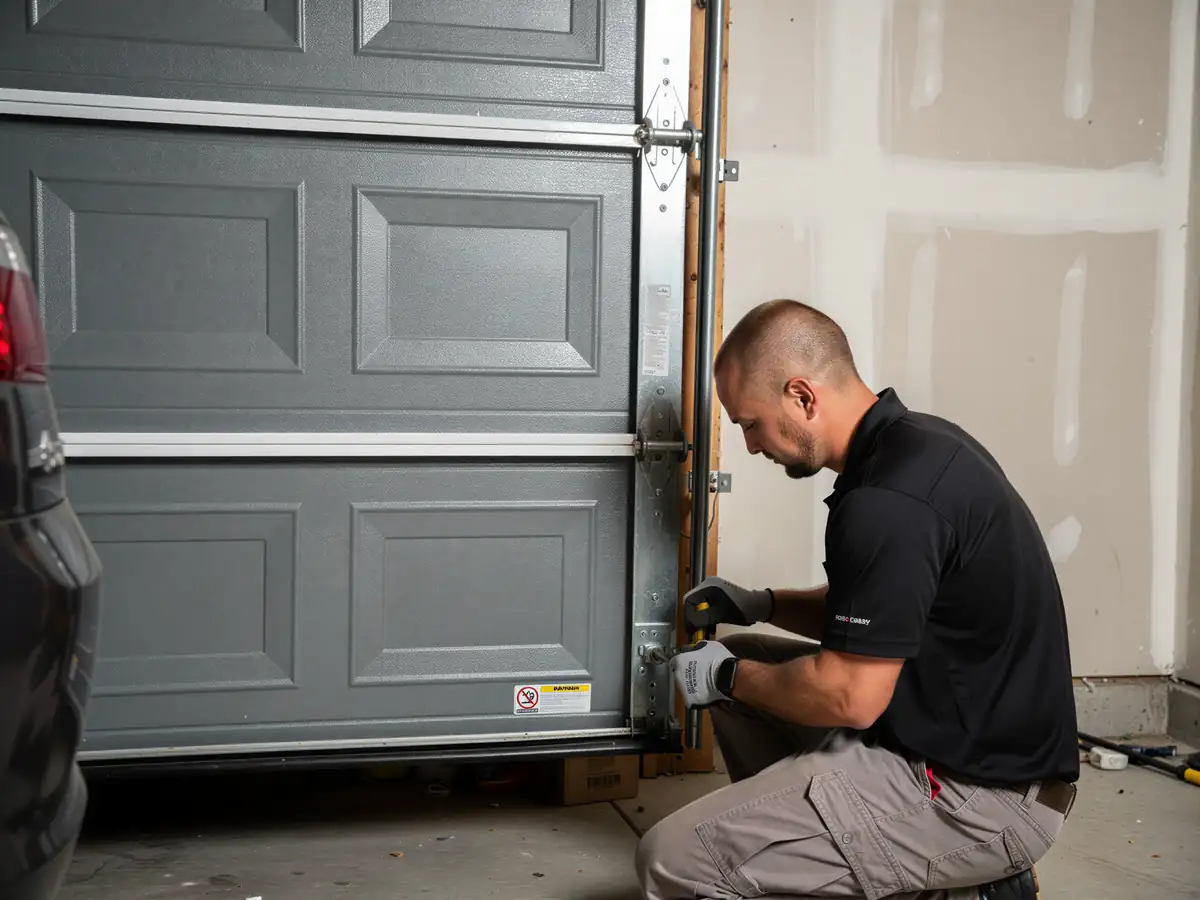
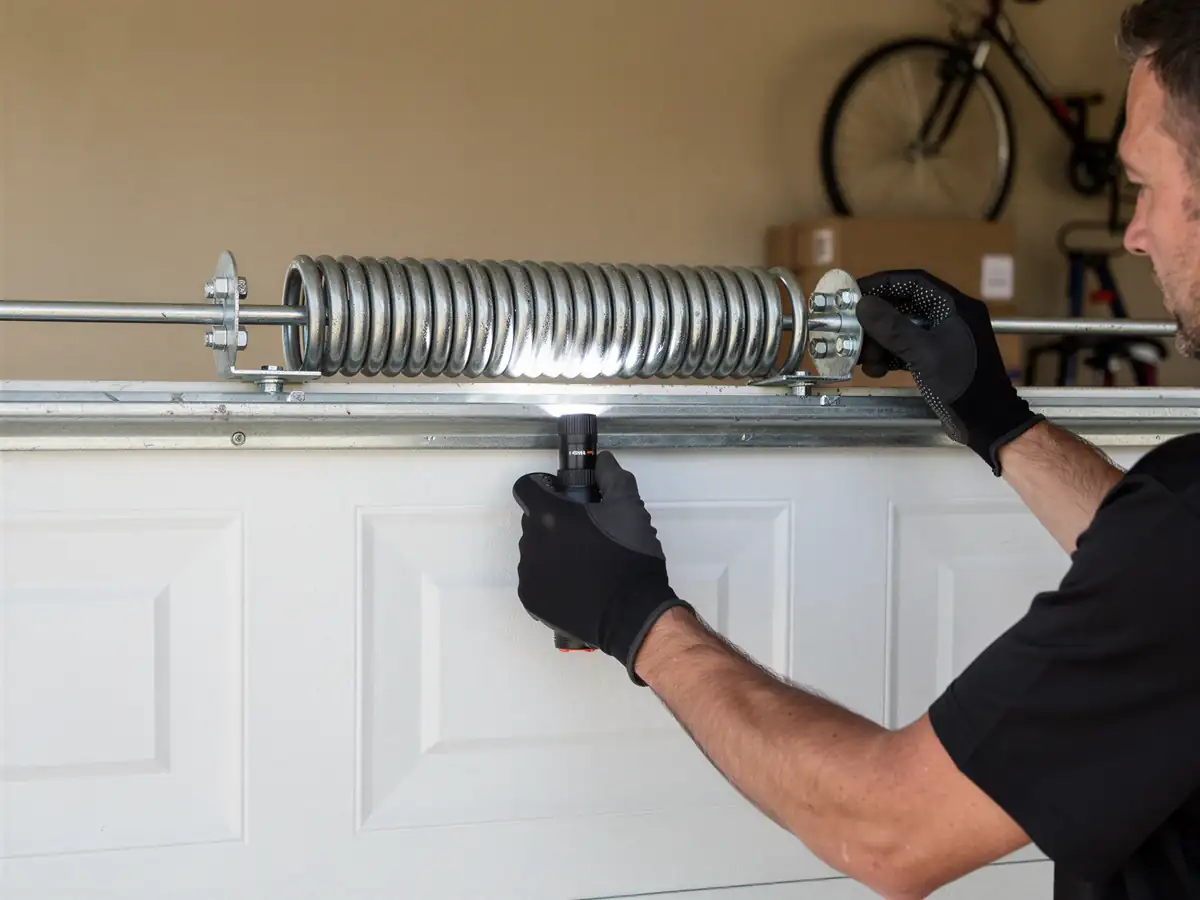
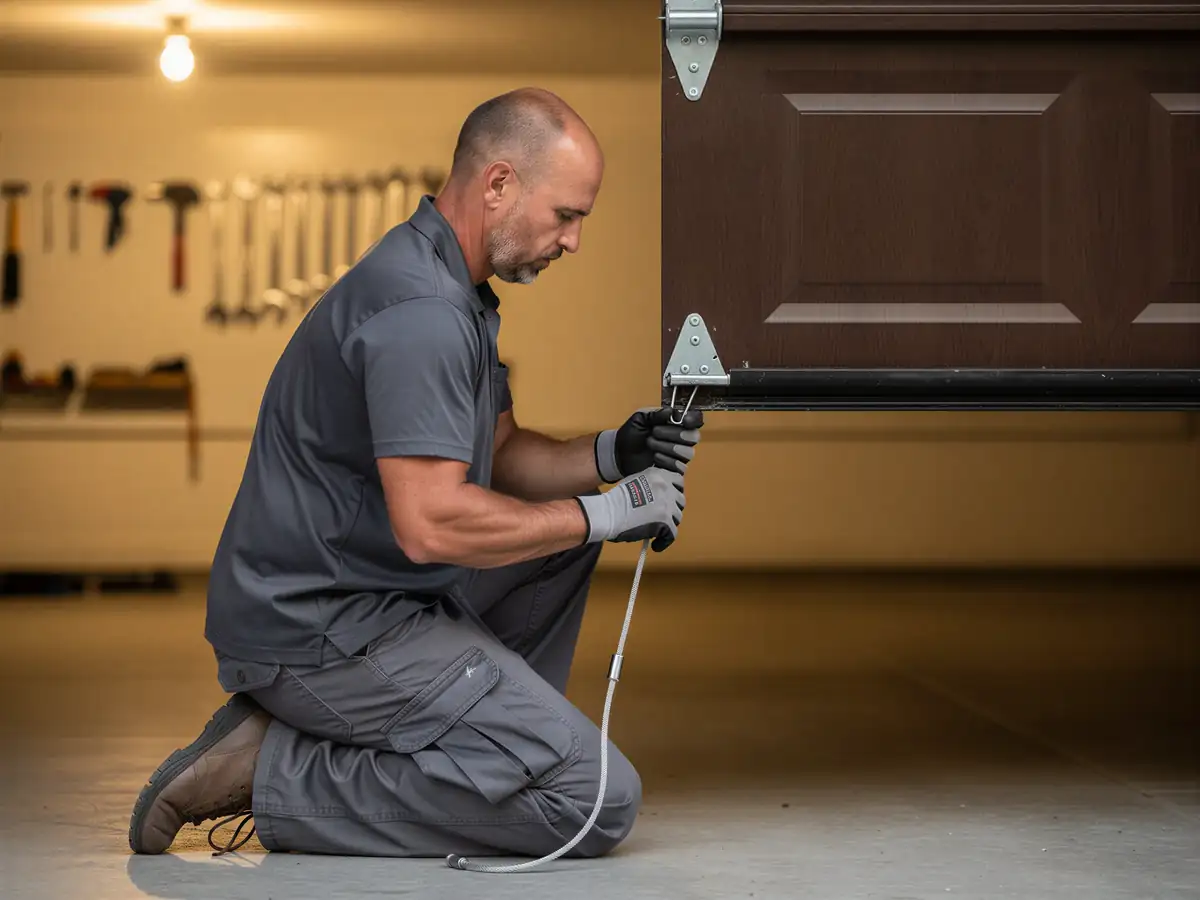
The door drops unevenly on one side, or it slams the last foot of travel instead of settling. Sometimes you hear a bang from the garage and the door won't move at all, stuck halfway with a cable hanging loose by the bottom roller bracket. On a few jobs the cable has frayed enough that you can see individual strands poking out near the drum at the top of the track, which is the clearest sign it's about to go.
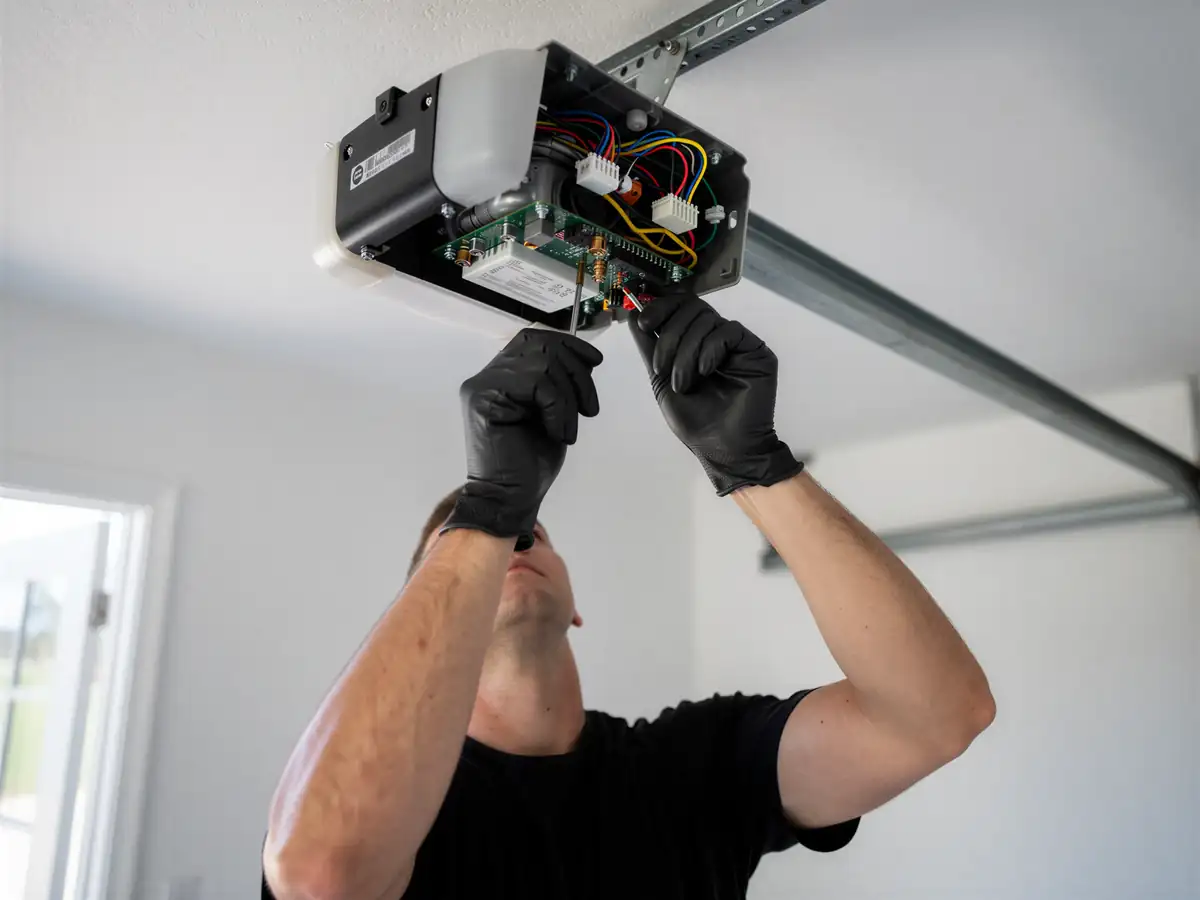
A cable rarely fails out of nowhere. It stretches, rusts a little at a time, or starts riding wrong on the drum, and then one cold morning the extra load finishes it off. If your opener is still trying to lift the door with a snapped cable, the motor strains and the gear inside can strip, which turns a cable job into a cable-and-opener job.
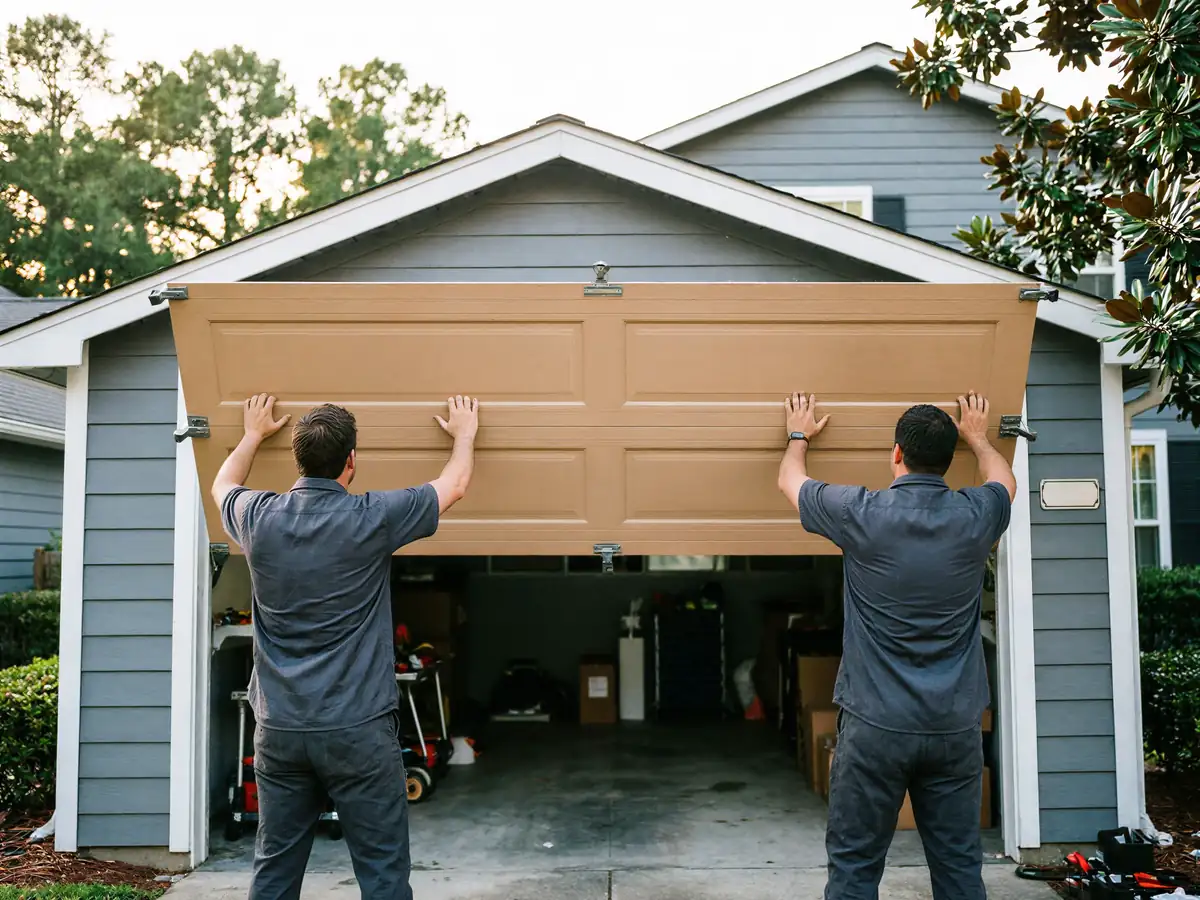
Don't try to lift a door yourself when a cable has gone. With one cable out, the door is unbalanced and the remaining cable or the spring is carrying weight it wasn't built for. That's how fingers and feet get caught.
Why This Fails Locally
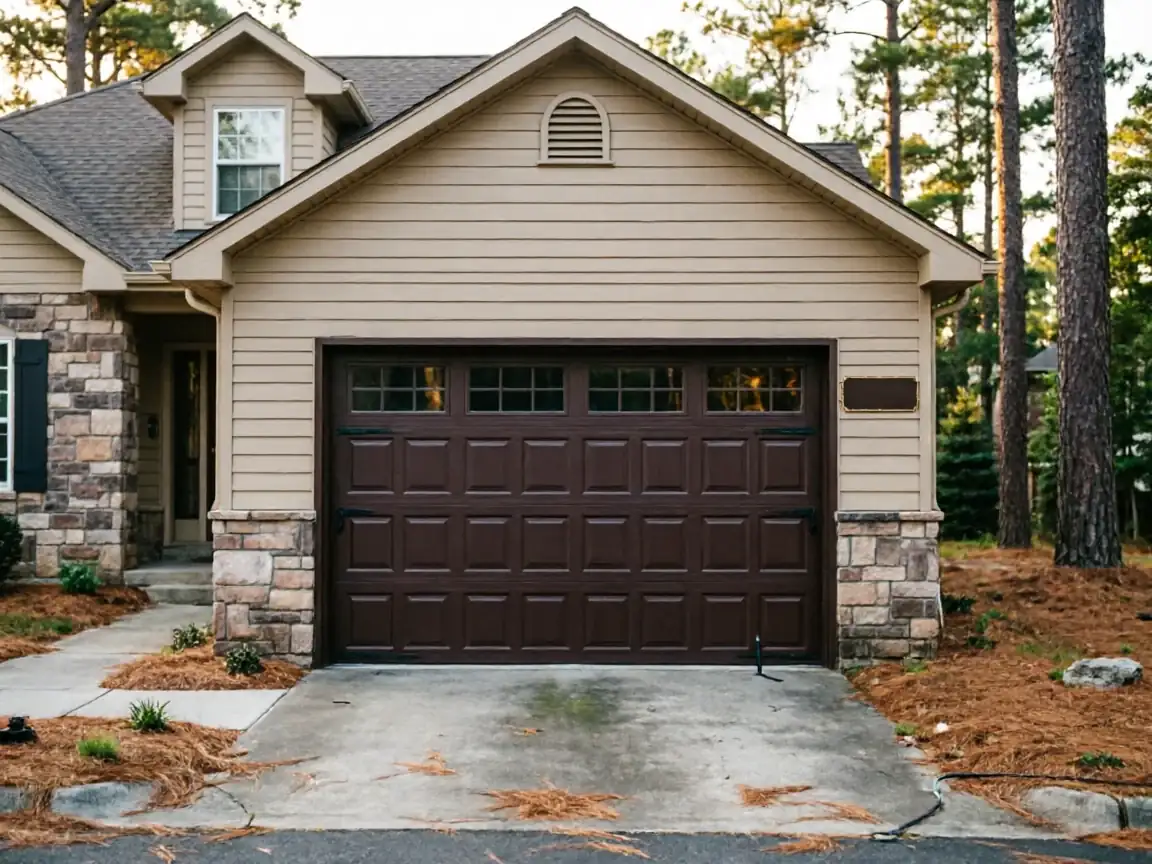
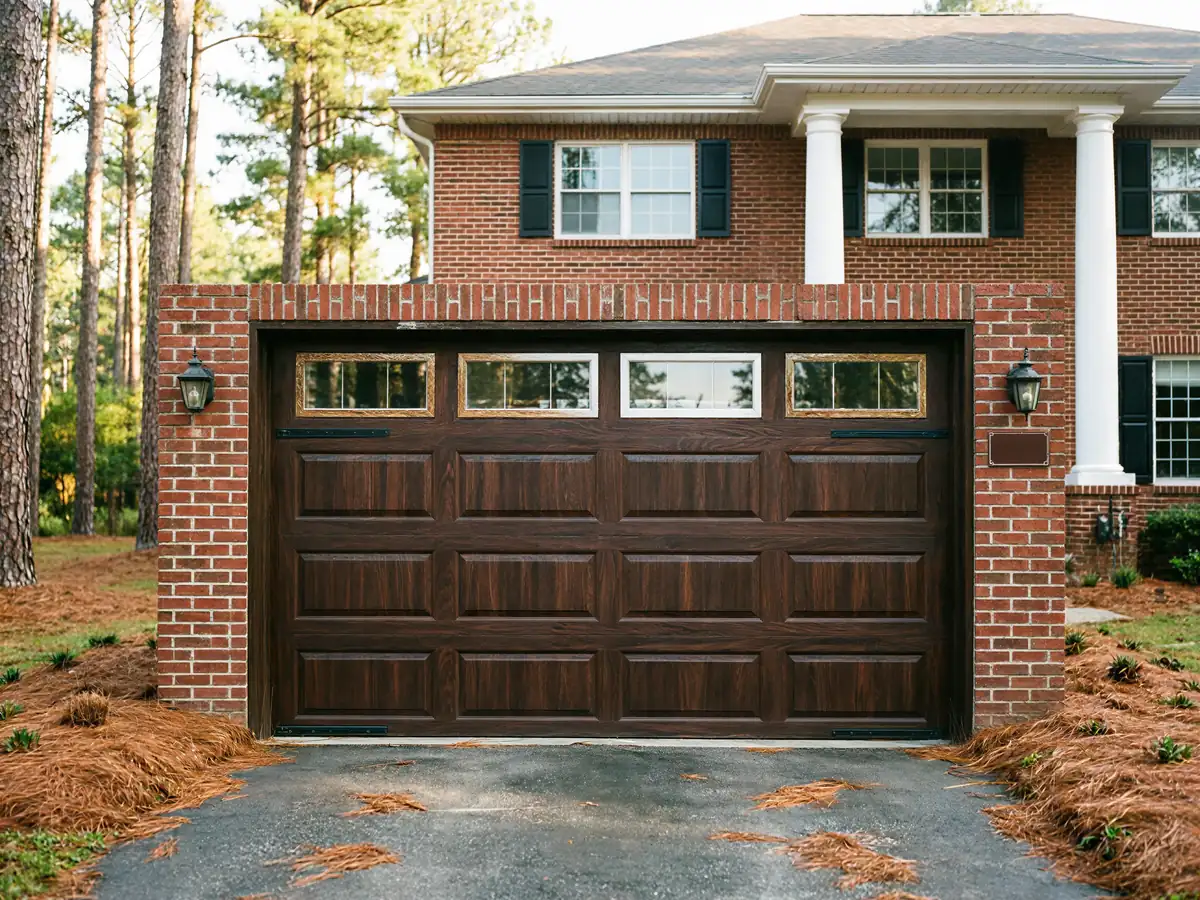
Most of the garage doors we work on across this service area sit in houses built between 1961 and 2007
With the bulk of that stock going up in the 1980s and 90s. That generation of builder-grade doors came with cable and drum setups that weren't made to last forever, and thirty-plus years on, a lot of those original cables are still hanging there, just thinner and more rusted than the day they went in.
The area sits in a cold-moderate climate band
Which means the garage sees real temperature swings between a humid summer and a winter cold snap. That cycle works on a cable the same way it works on anything metal left outdoors: expansion, contraction, condensation, rust at the strand level you can't see until it's already failing. A cable that's been fine for a decade can go from fine to frayed in one hard winter stretch.
With 18,505 owner-occupied houses across the service area
A lot of them from that same build era, this is one of the most common calls we get - not because anyone did anything wrong, but because the cable has simply reached the end of what thirty-year-old builder-grade steel can take.
- 18,505 owner-occupied
How Long It Takes
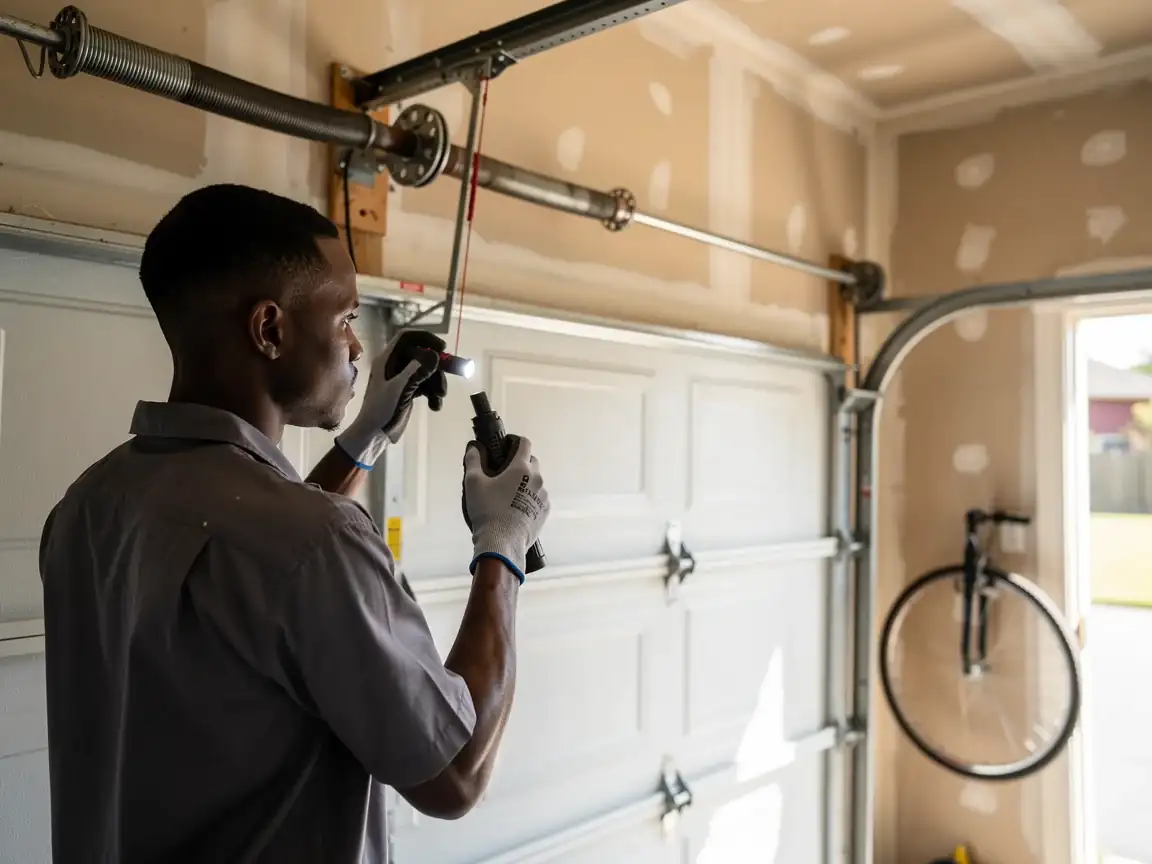
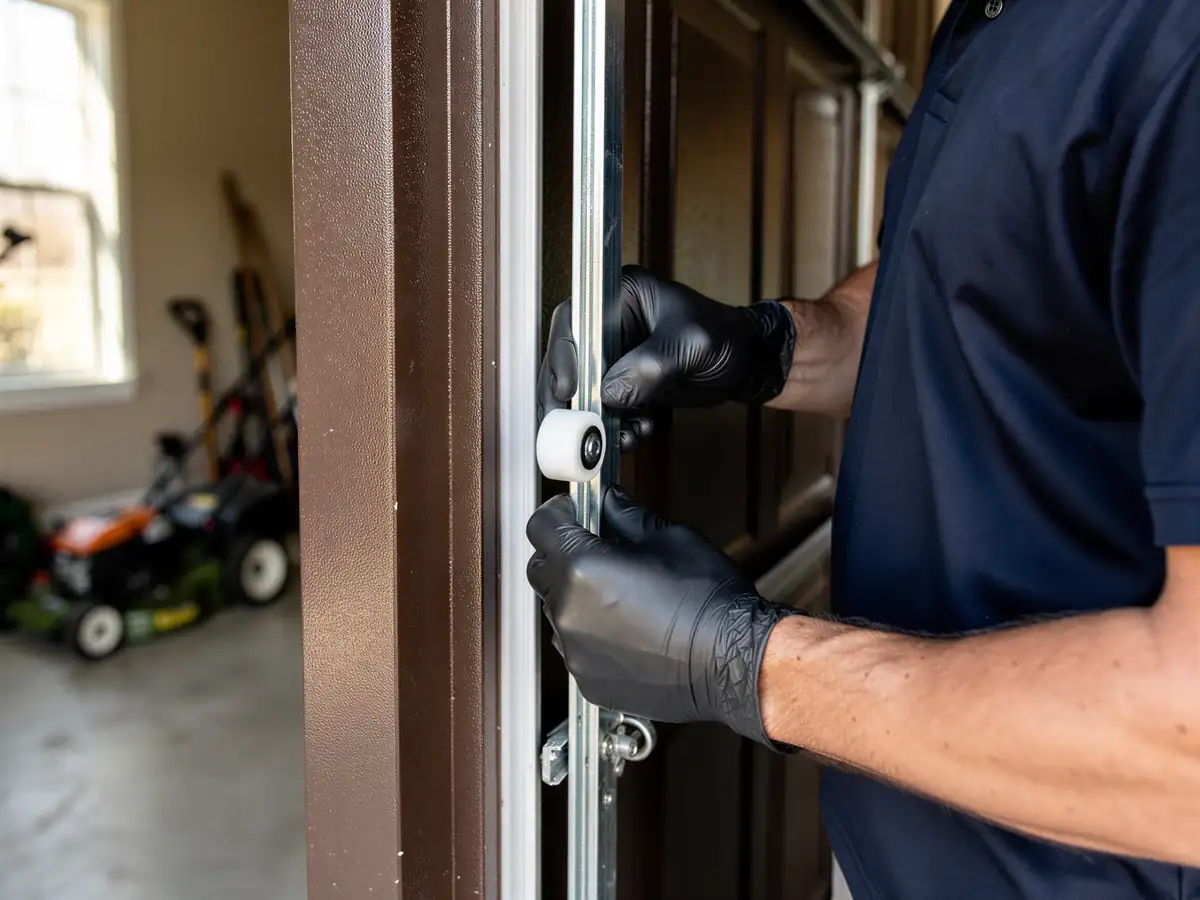
A straight cable swap on a standard double or single door, where the spring and drums are in decent shape, is usually a same-visit job. Most of the time on site goes into checking the drums for wear grooves and making sure the new cable is seated and tensioned evenly on both sides, not just replacing the broken strand.
If the cable snapped because a drum cracked, or because the opener tried to keep pulling after the cable failed and stripped a gear, the job runs longer, since now there's a second part to source and fit. We won't know which situation you're in until we're looking at the door in person - a phone description tells us it's a cable problem, not how deep it goes.
We don't carry every obsolete drum or bracket size on the truck for houses with older, non-standard hardware. If your door is one of the original builder-era units from the 1980s stock, there's a chance we need to order a part, which pushes the job to a second visit instead of finishing it in one.
Can You Do This Yourself
We'll say this plainly: don't. A garage door cable is under real tension, and on a torsion system that tension is shared with the spring above it. Cutting or loosening the wrong thing while a cable is already compromised is how people end up in the ER, not how they save a service call.
If the door is already down and the opener is unplugged, that's the safe state to leave it in until someone can look at it. Don't try to prop it open, don't try to force it on the track, and don't let anyone put weight on the door while a cable is missing.
The one thing a homeowner can safely do is look: check whether both cables are still wound evenly on the drums, check whether the fray is near the bottom bracket or up near the drum, and have that description ready when you call. It helps us bring the right parts the first time instead of guessing.