How Soon We Can Come Out
We run out of Fayetteville, and Irondale sits about 7 miles down the road, which keeps it an easy add to the day's route rather than a special trip. We don't keep a crew stationed in Irondale, so we can't promise a same-hour arrival, but the short drive means we're not losing half the afternoon to get there and back. If you call and we've got a truck finishing a job nearby, we'll say so. If not, we'll give you an honest window instead of a guess.
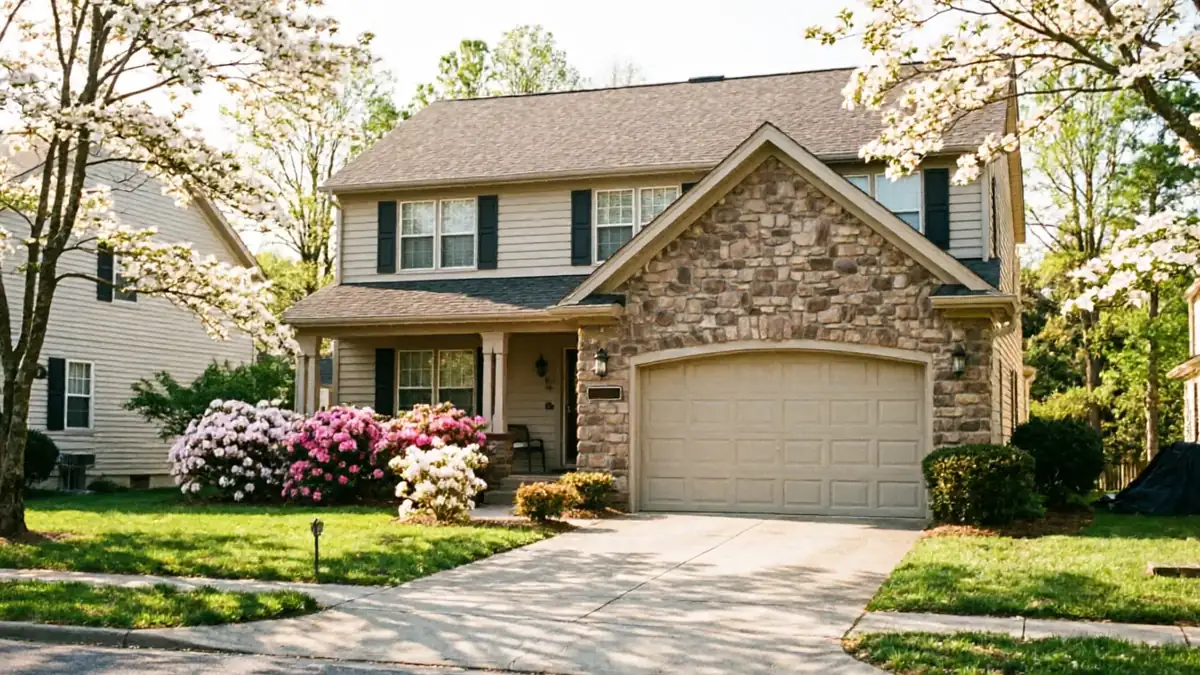
The area's housing stock runs newer than a lot of what we see closer to Fayetteville proper - mid-1990s construction mostly, built around 1994 on average. That matters for how we plan the call, because newer doors and openers tend to need different parts on the truck than the older stock we stock for elsewhere. We load based on what's common for the neighborhood, not a generic kit.
How That Shows Up in the Door
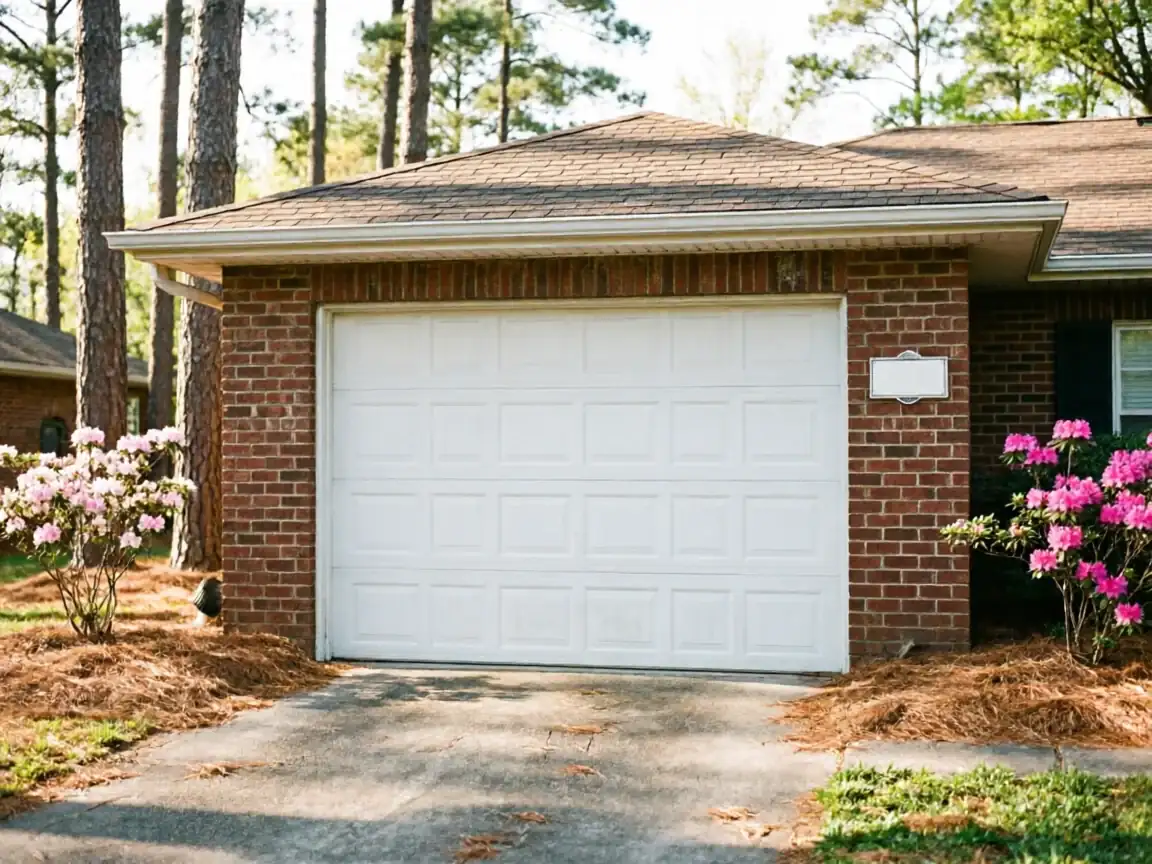
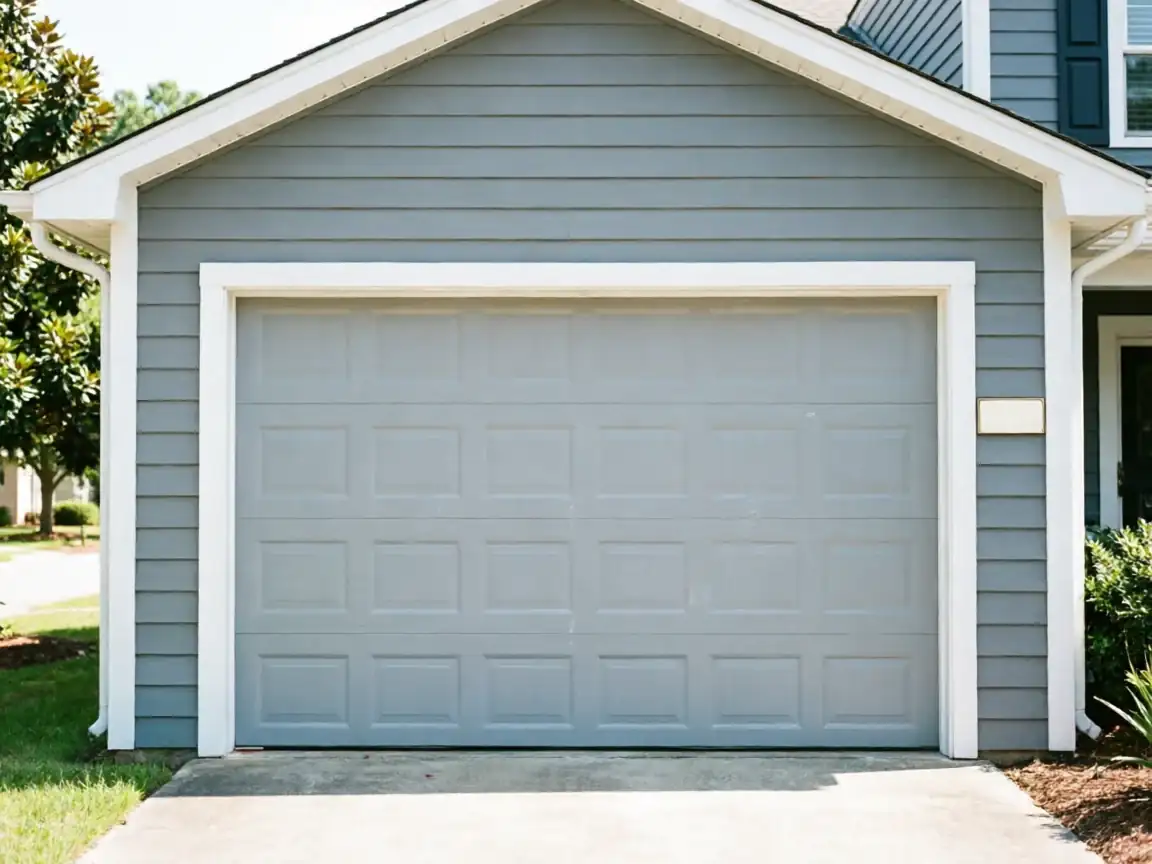
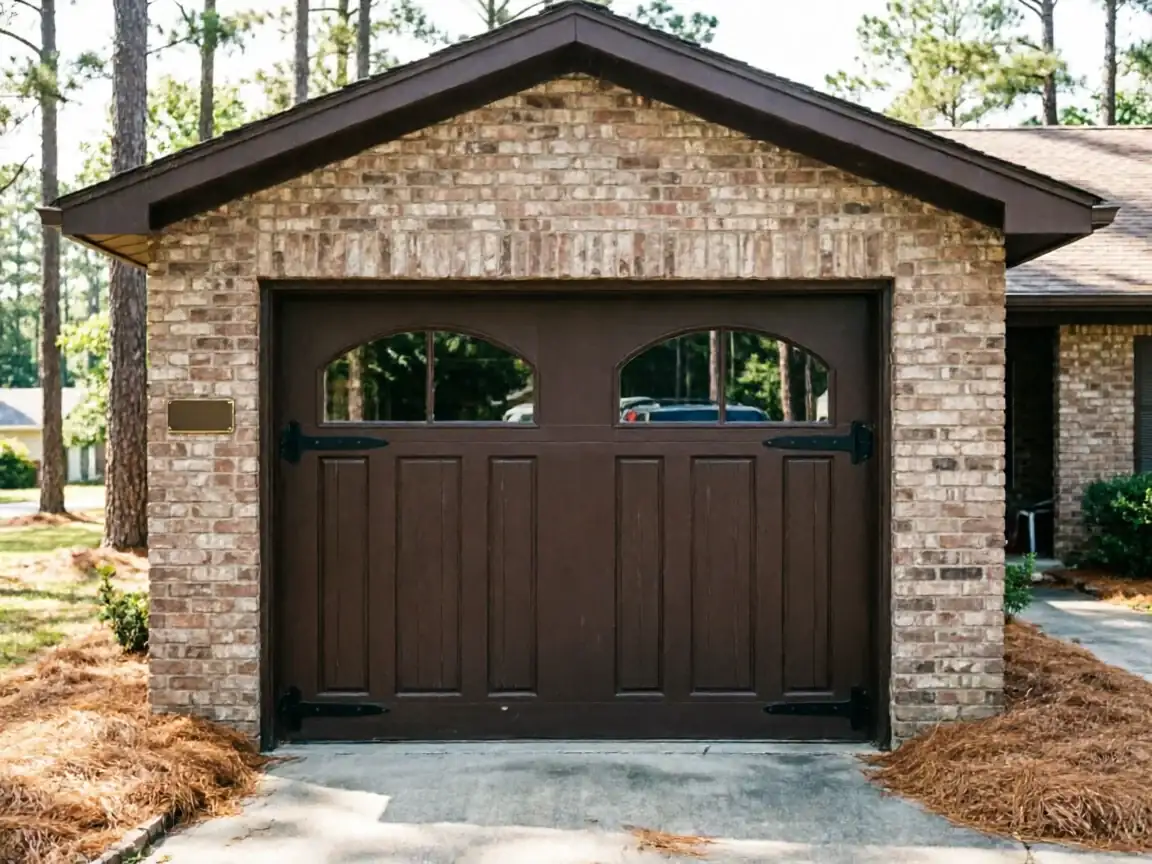
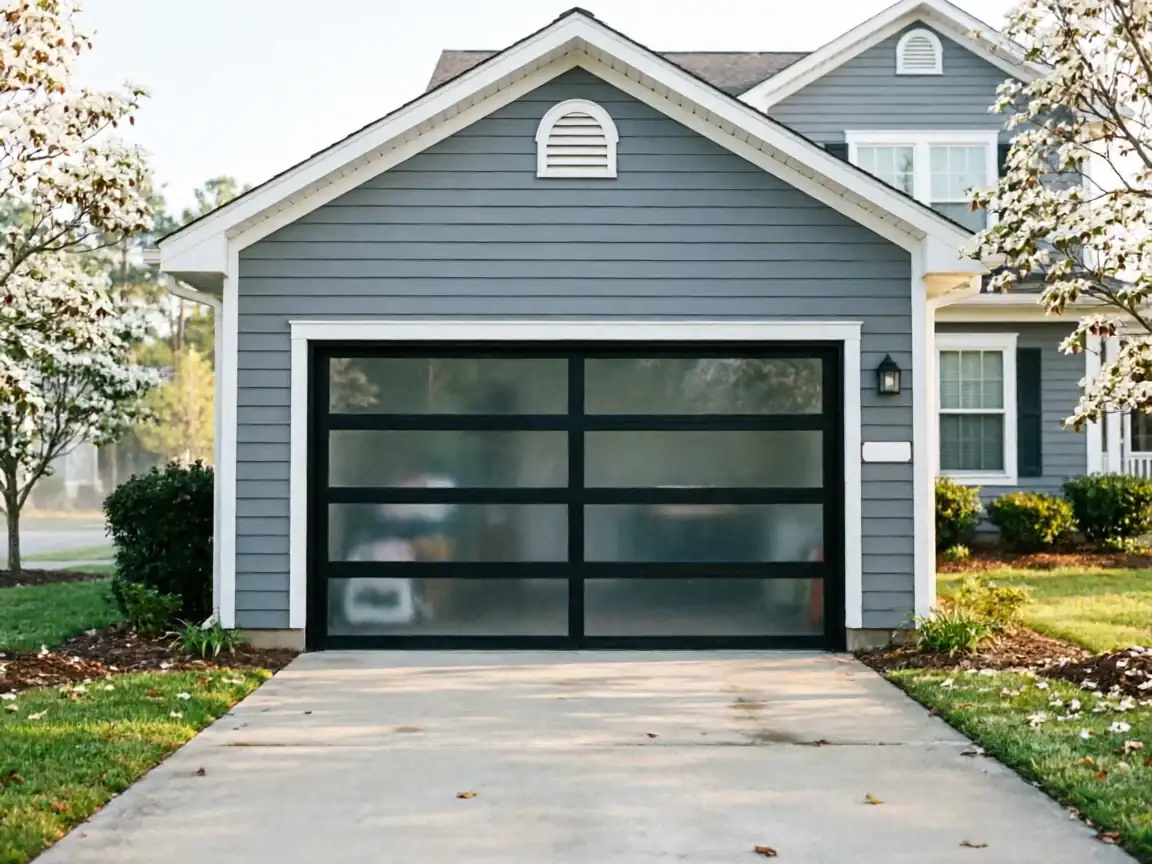
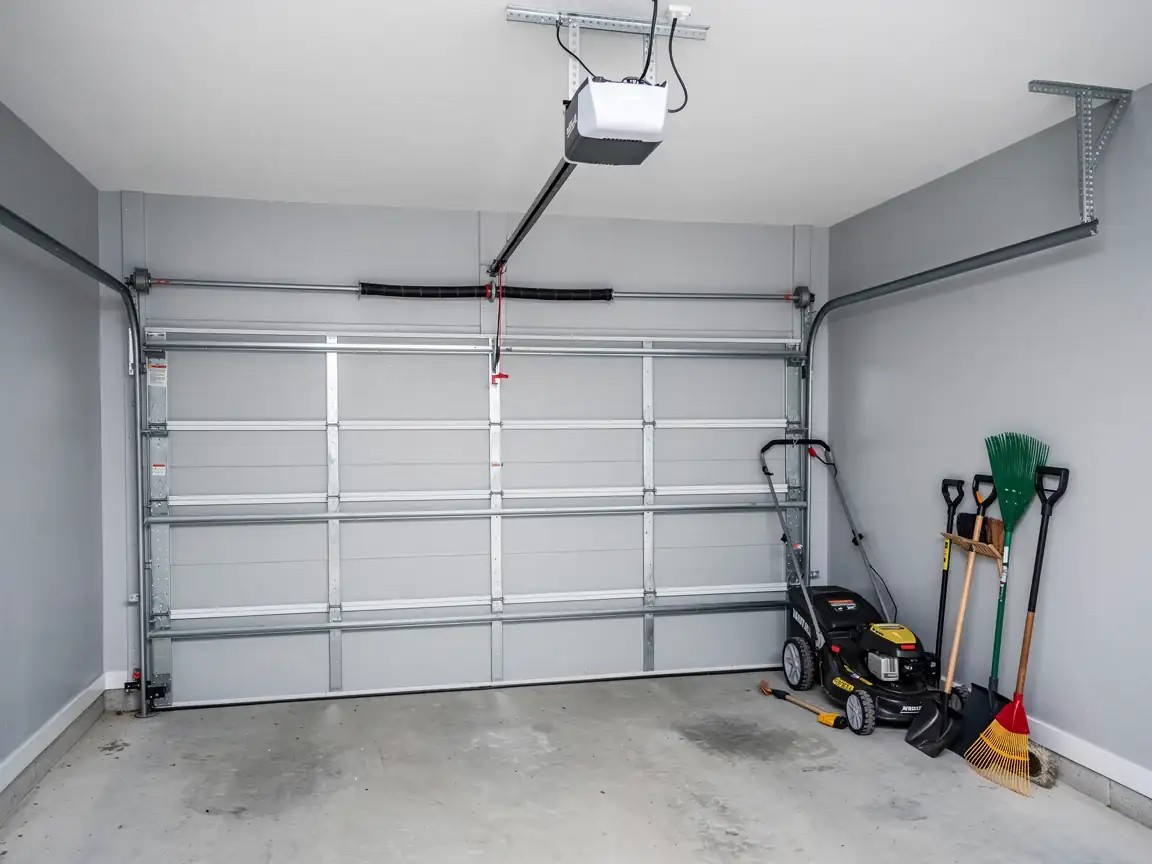
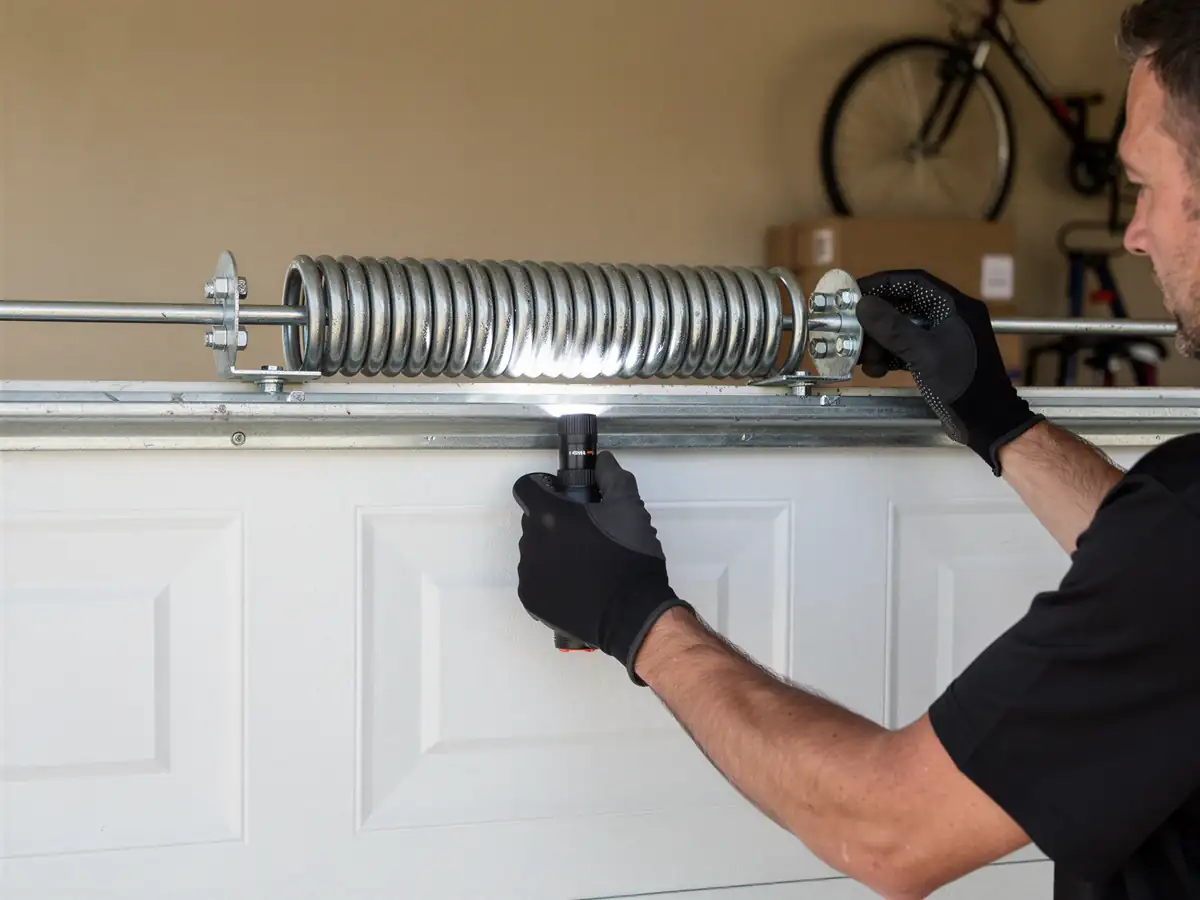
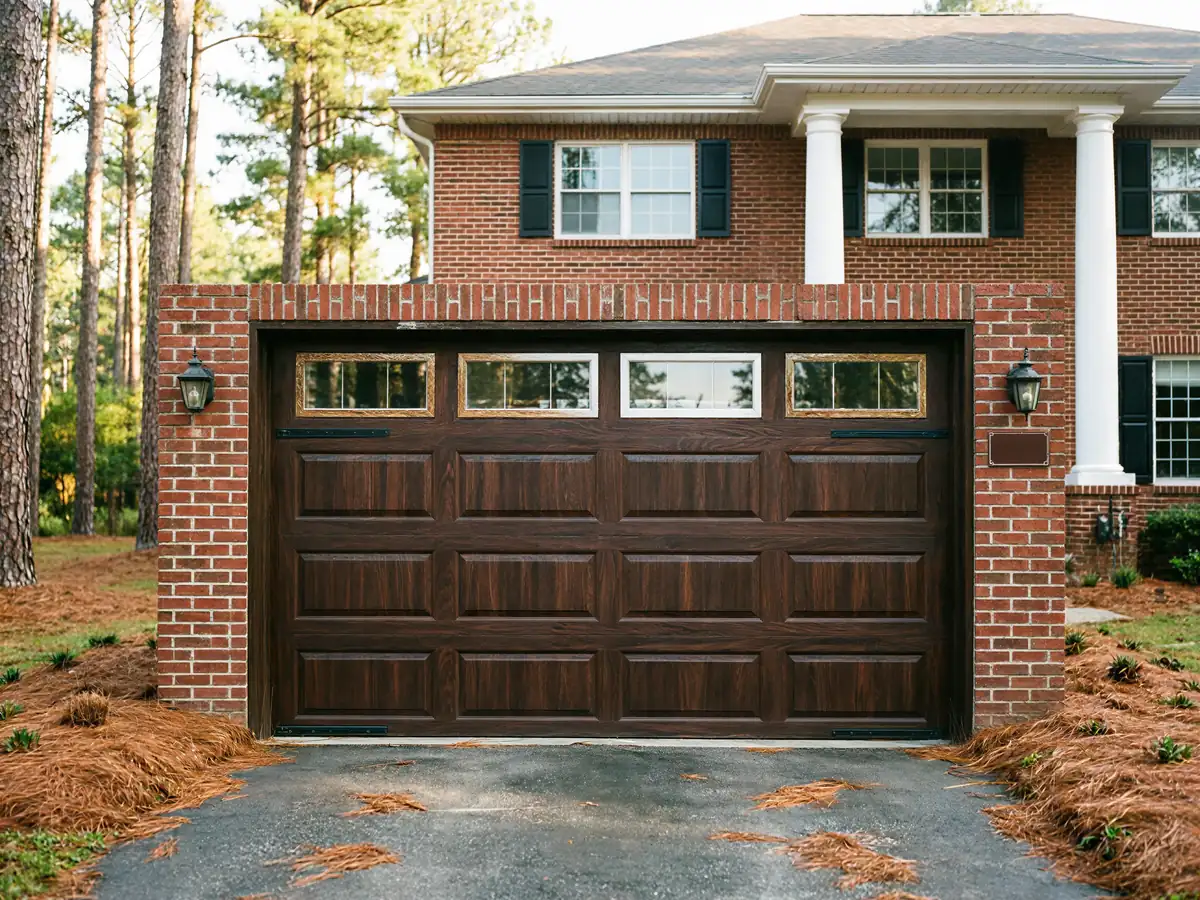
A house built around 1994 almost always came with a steel sectional door on an extension-spring or early torsion system
Not the one-piece or side-mounted hardware you'd find on something from the 1960s. That's the good news - parts for mid-90s hardware are still widely made, so we're rarely scrambling to source an odd bracket.
The common failure we see on doors this age is the opener, not the door itself
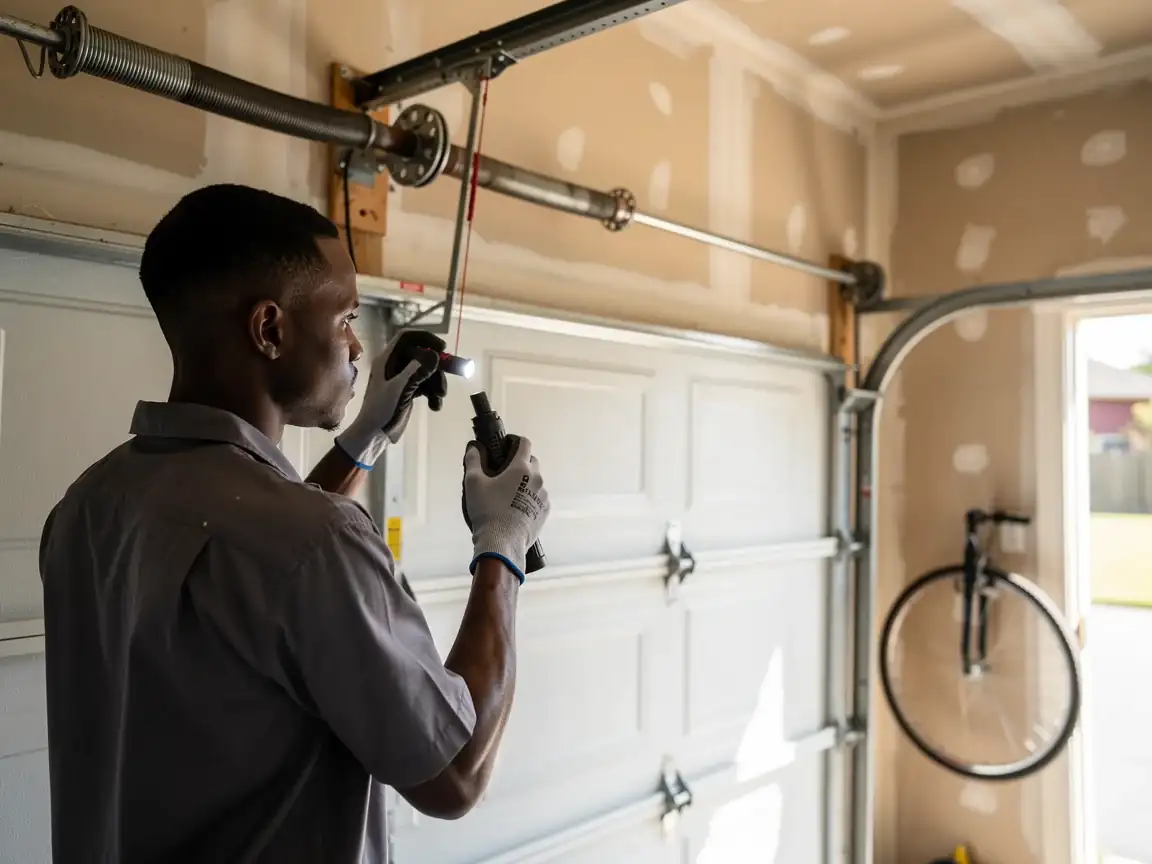
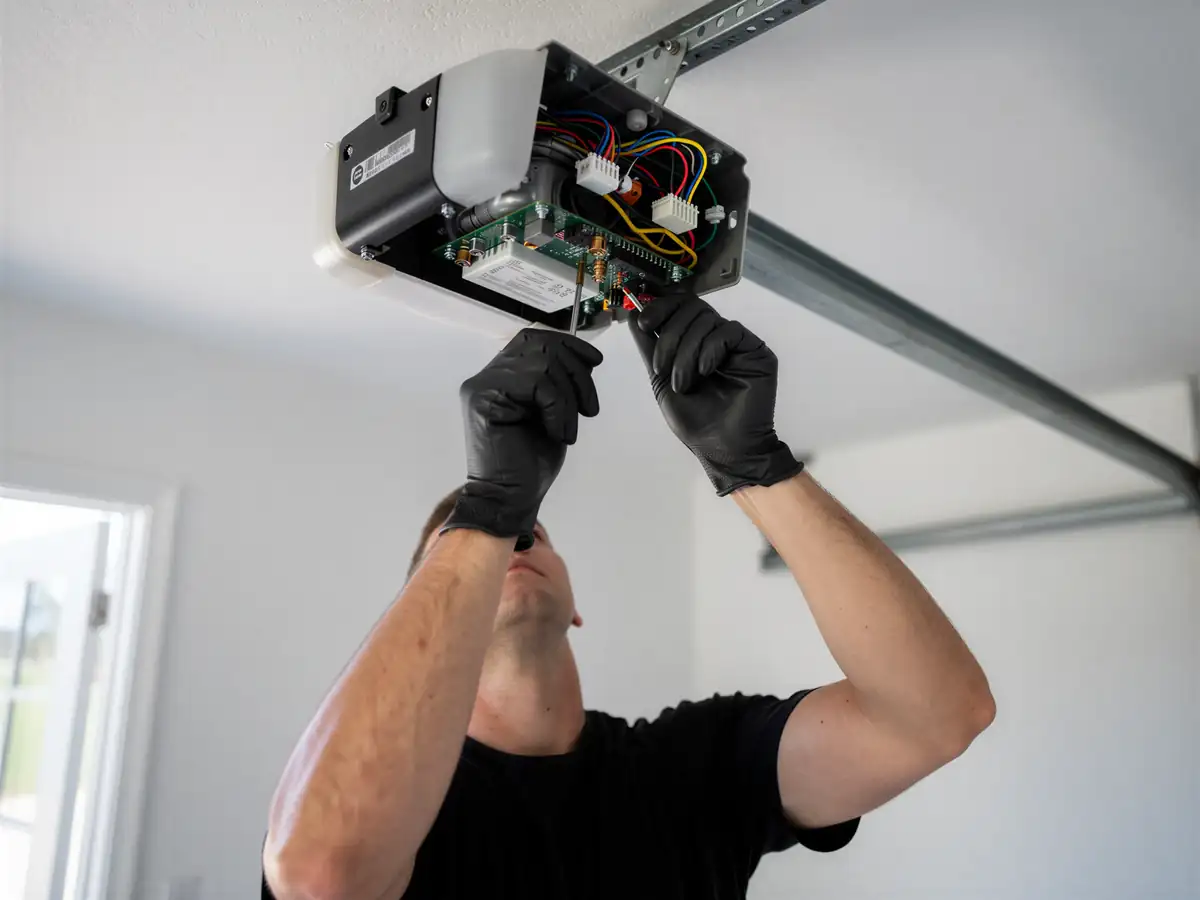
A chain or belt-drive unit installed when the house was built is now pushing 30 years old, and the circuit boards and logic boards in units from that era are the first thing to go, often before the motor itself quits. Springs on a door this age are usually original or one replacement in, and they're due or close to it - a standard torsion spring is rated for a number of cycles, not years, and a 30-year-old house has seen a lot of door cycles.
- 30 years
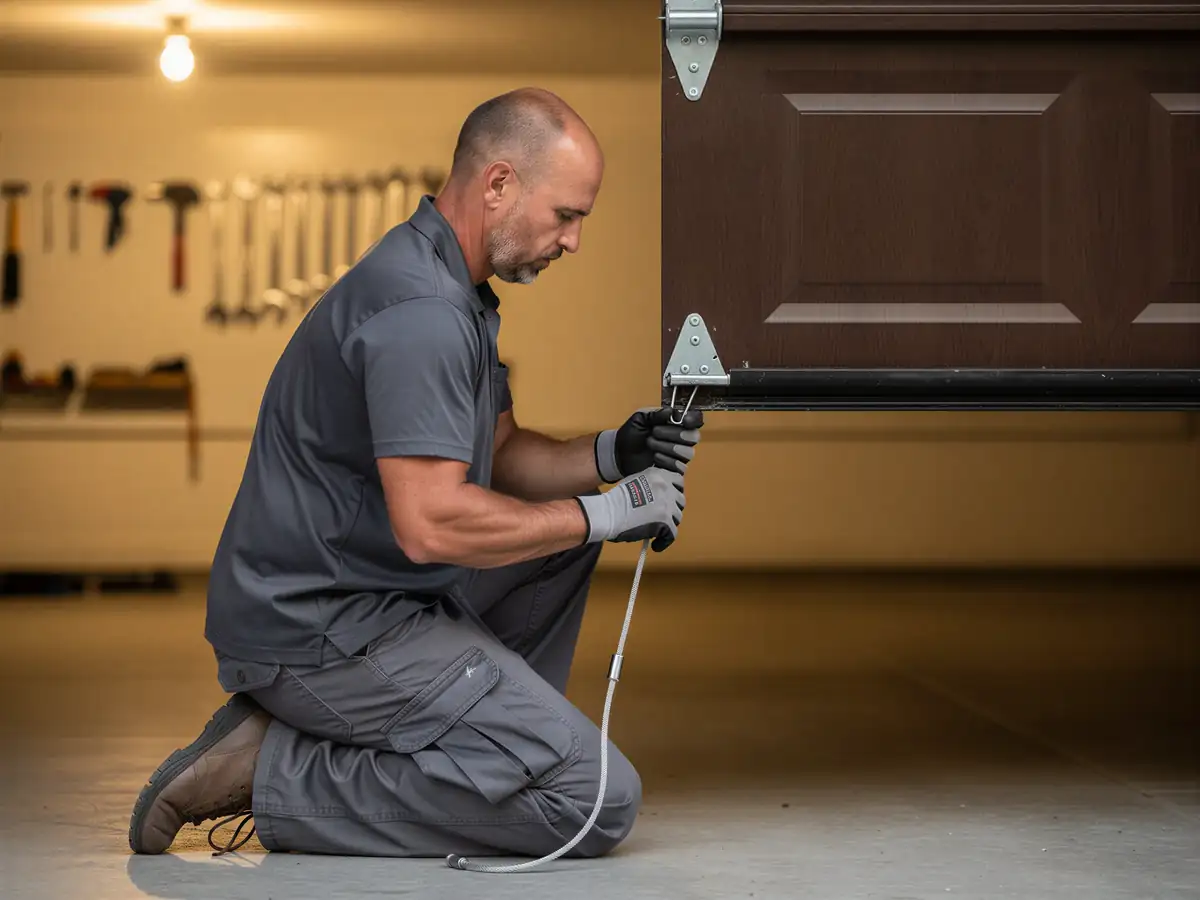
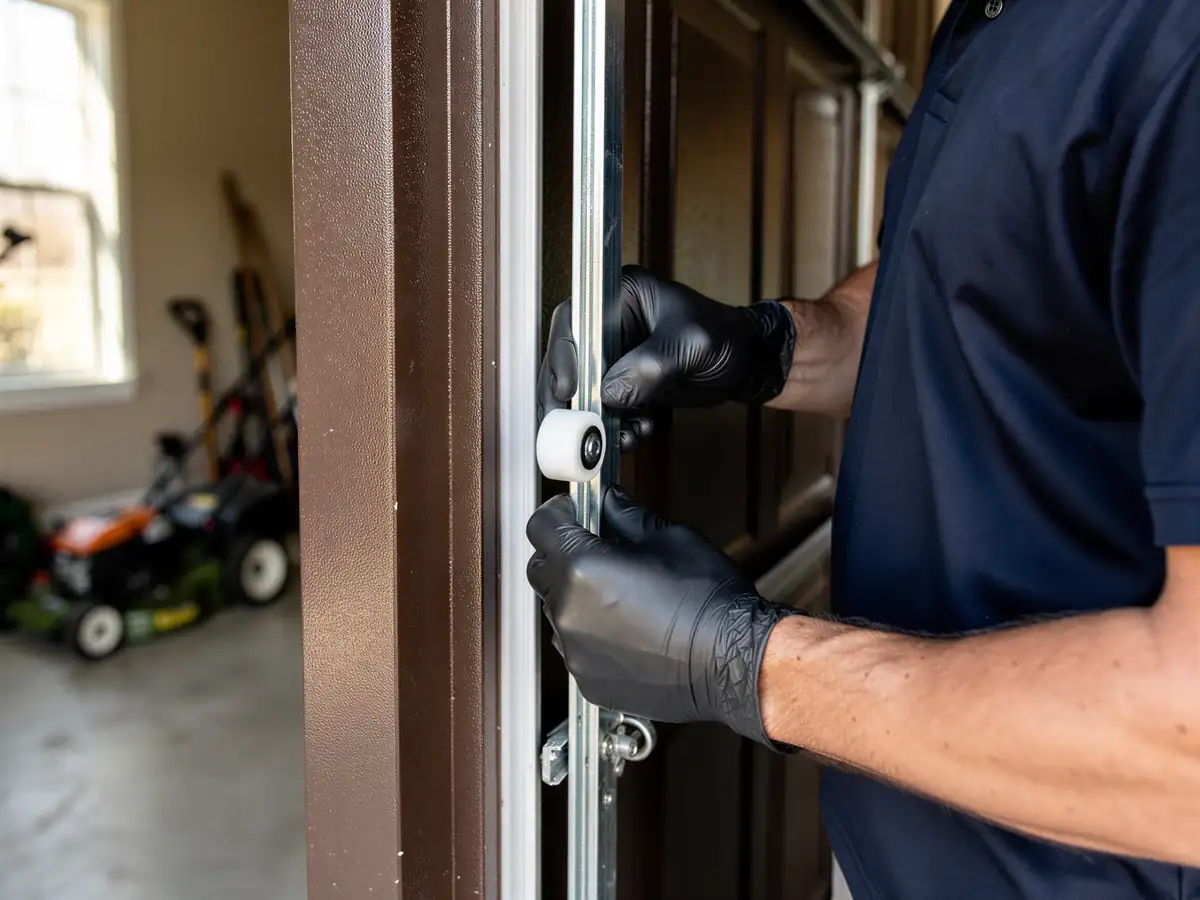
We also see rollers and hinges worn thin on these doors
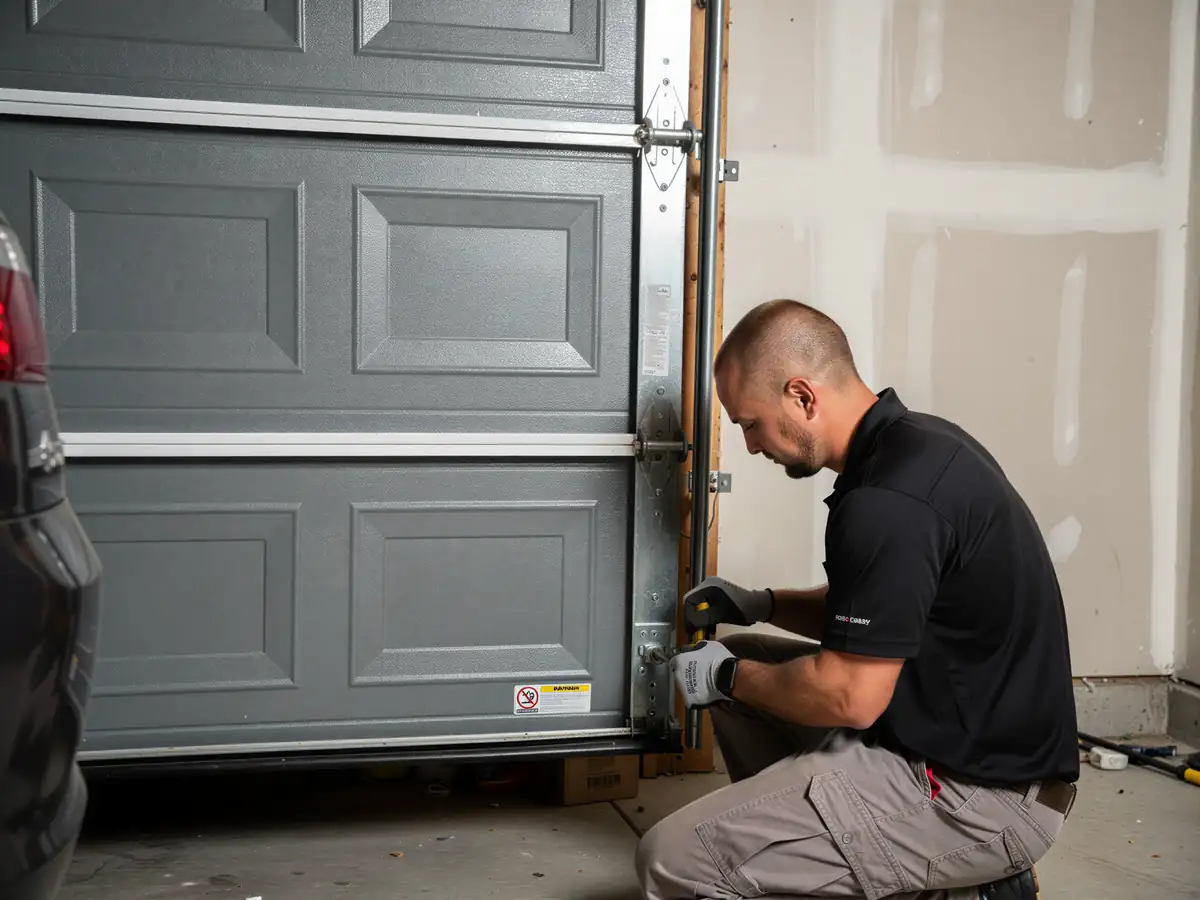
Since nobody budgets for a $15 roller until the door's grinding on the track. It's a cheap fix next to a spring job, so we flag it when we're already out there.
The Drive Over
Fayetteville to Irondale is a straight 7-mile run, short enough that it doesn't change how we price a service call compared to jobs closer to the shop. We mention the distance because it's honest, not because it's a selling point - we're not based in Irondale and don't want to imply otherwise. What it does mean is we can fit an Irondale call into a morning or afternoon route without rearranging the whole day.
We cover a wider stretch out from Fayetteville than just Irondale - Tyrone and Bonanza sit at a similar 7-8 miles, with Jonesboro, Lovejoy, and Fairburn a bit further out. If you're between Irondale and one of those, it doesn't change how we handle the call.
This Area's Housing
Irondale's homes mostly went up in the 1990s, median build year around 1994, which puts it on the newer end of what we see across the wider service area - the broader region spans houses built anywhere from 1961 to 2007, with a lot of that stock concentrated in the 1980s and 90s across the 19 communities we cover. Irondale leans toward that later end.
With roughly 2,837 households in the area and a median household income of $61,454 - matching the service-area figure of $61,454 - a lot of these are owner-occupied homes where the garage door was installed once, at construction, and hasn't been touched since. That's typical for houses this age: the original door and opener are still doing the job, just tired. Across the full service area there are about 40,897 households and 18,505 owner-occupied houses, so Irondale's housing pattern is a smaller, newer slice of a mostly similar-era regional stock.
The climate here is cold-moderate, not the kind of extreme swing that cracks seals or warps panels fast, but 30 years of regular temperature change still takes a toll on weatherstripping and the bottom seal on a door this age.