Serving Fayetteville, GA & nearby
(770) 230-5959
Fayetteville, GA

Garage Door Roller Replacement in Fayetteville

Worn or cracked rollers on a Fayetteville garage door usually trace back to the house's age and our winter freeze-thaw swings. Here's what actually fails and why.

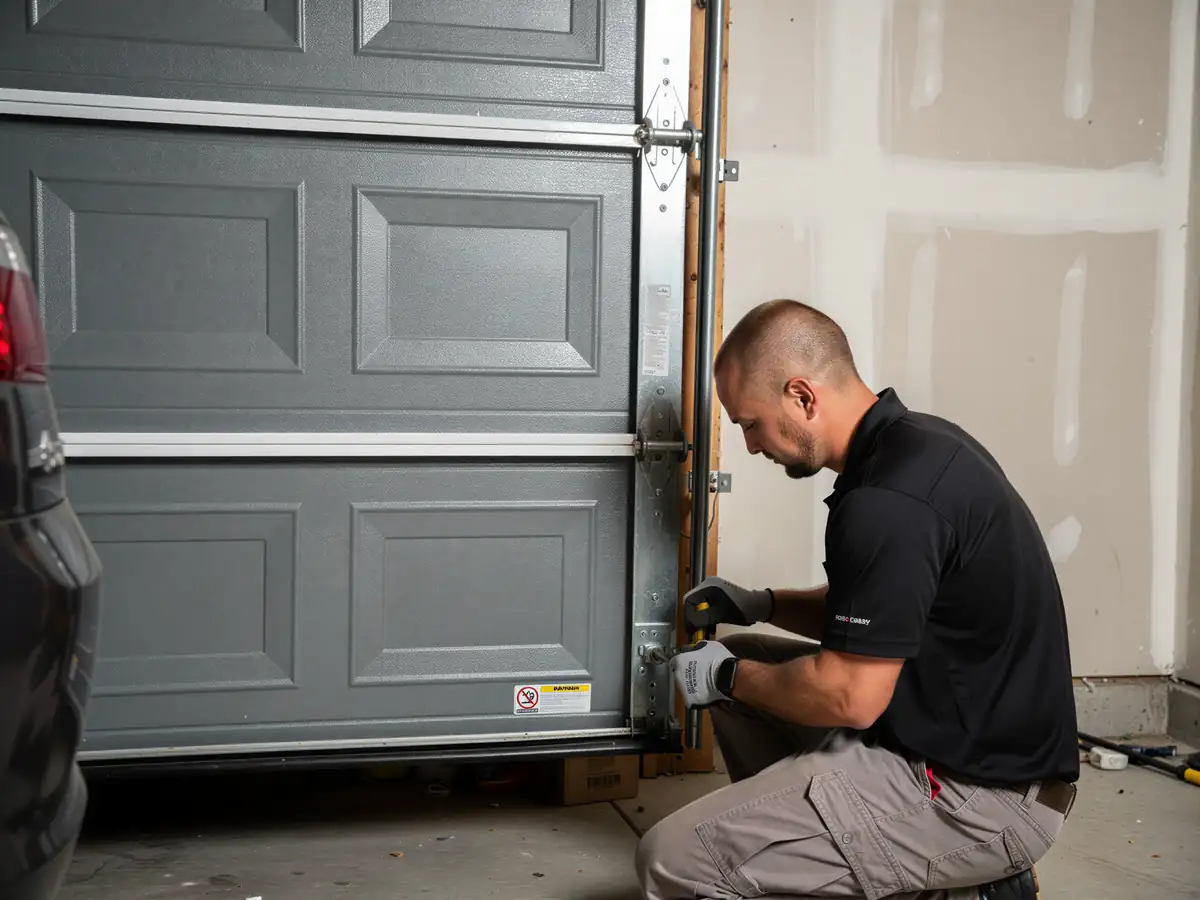
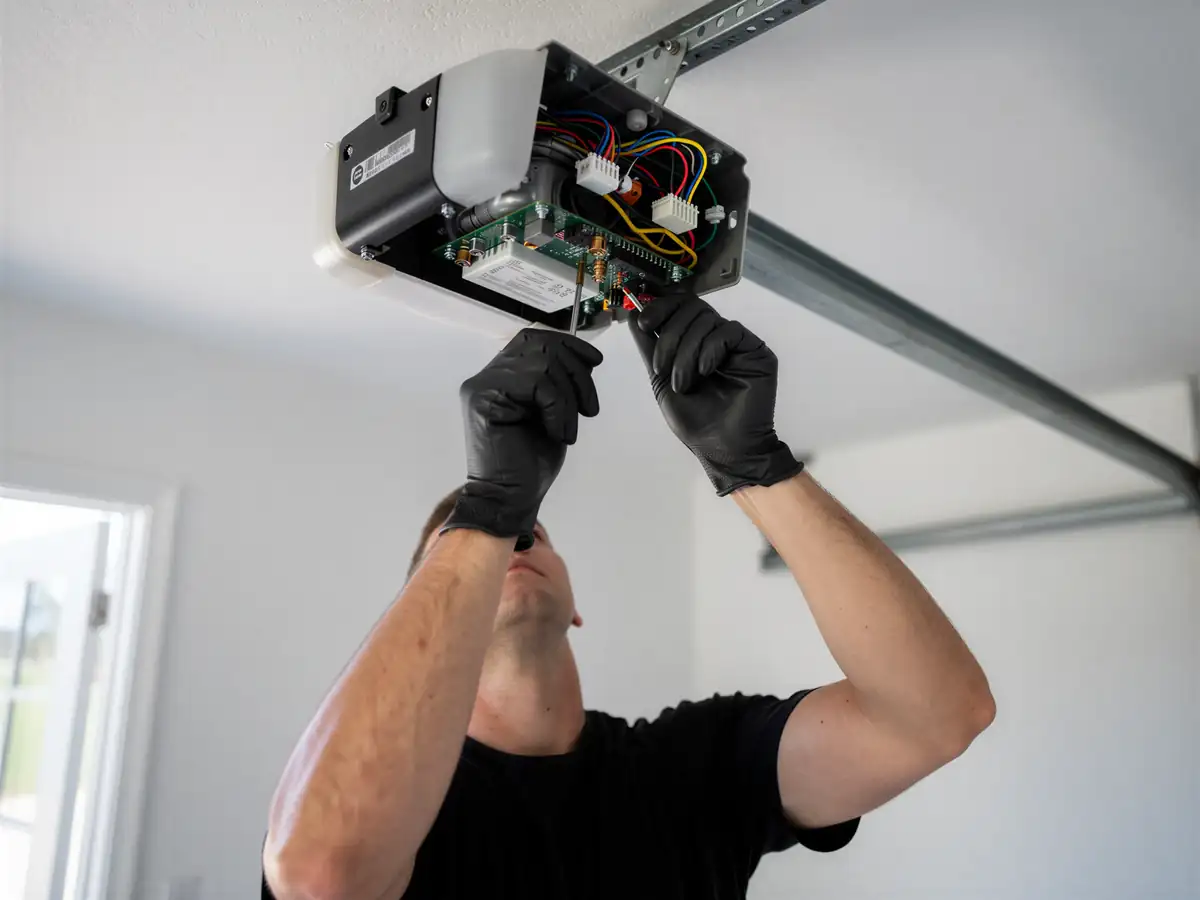
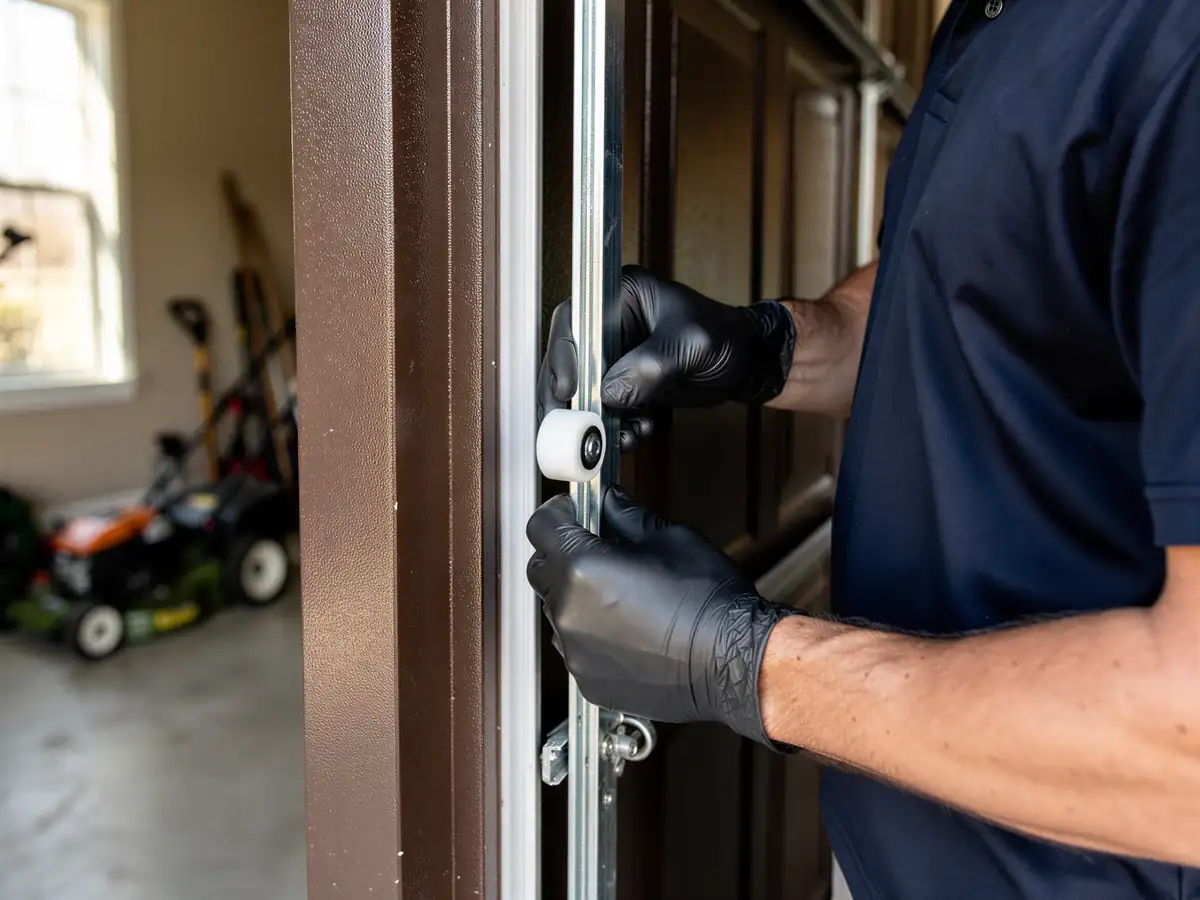
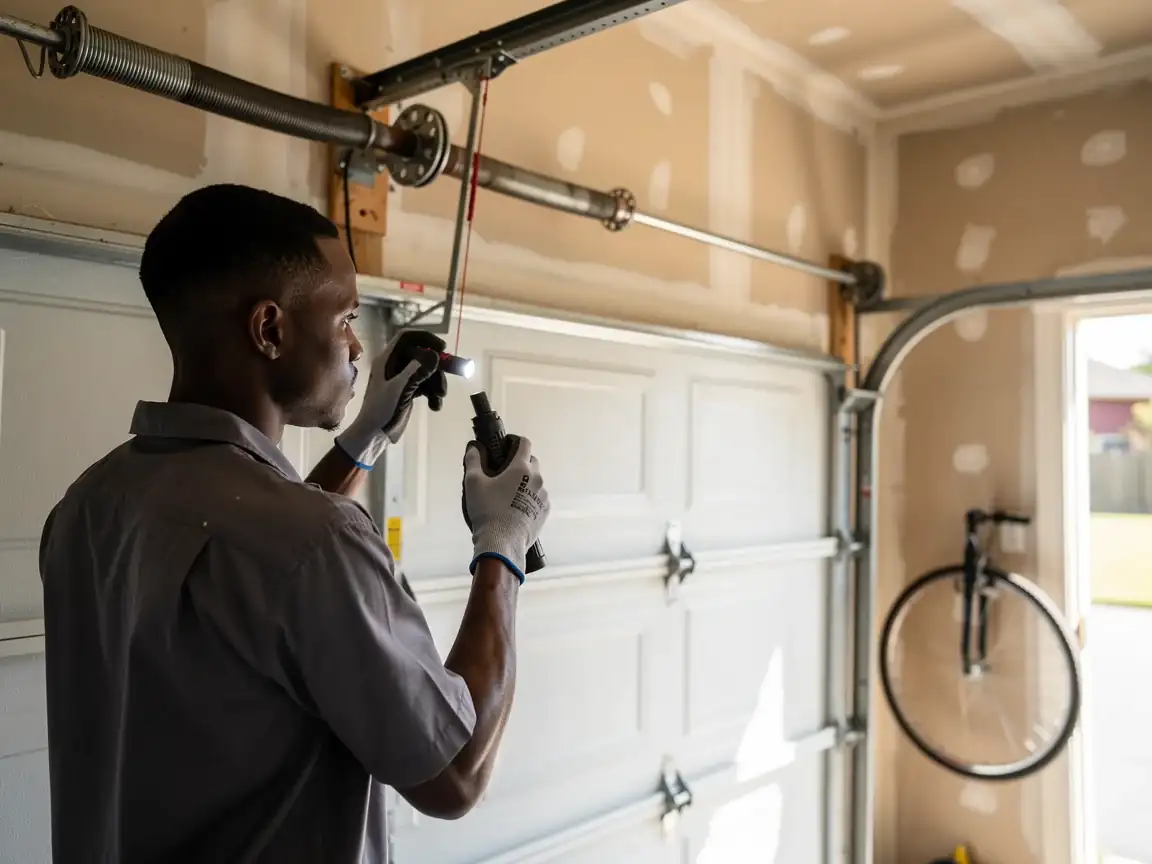
A technician wearing black gloves is installing a roller on a garage door.
Fayetteville, GA
8 services
6 service areas
Diagnosis first, then the fix

The Symptom

You notice it before you can name it: a grinding noise as the door passes a certain spot on the track, a jerky stutter instead of a smooth roll, or the door catching and popping back slightly on its way up. Sometimes a roller has visibly split, with chunks of nylon or a chipped steel wheel sitting in the track. Other times the roller looks fine but the stem has worn loose in its bracket, so the whole wheel wobbles side to side instead of running straight. Either way, the door still moves, which is why a lot of homeowners keep using it for weeks past the point they should have called someone. Left alone, a bad roller chews up the track edge, and a chewed track eventually needs replacing along with the roller - a bigger job than the one you started with. If you're hearing a rhythmic clunk timed to the door's travel, that's almost always a roller, not a spring or opener issue.

Why This Fails Locally

Most of the houses this company works on were built between 1961 and 2007, with a big cluster from the 1980s and '90s across the area's established subdivisions. Doors from that era, and even a lot of the replacement doors installed since, were hung with the galvanized steel rollers or early nylon rollers that were standard at the time - neither holds up as long as the sealed-bearing nylon rollers used now. Add in a climate that swings through real cold snaps and humid summers rather than staying mild year-round, and you get metal that contracts and expands, lubricant that thickens in the cold and thins in the heat, and nylon that gets brittle faster than it would in a steady climate. A roller that might run quietly for fifteen years somewhere with a flat, mild climate will often crack or seize here in ten or twelve, especially on the original hardware from a house built in that '80s-'90s window. That's the pattern we see most: original rollers, original track, age finally catching up with both at once.

How Long It Takes

A straight roller swap - all ten rollers on a standard double or single door, no track damage - is usually a short job, done in one visit with the truck stocked for it. If the track itself has been grooved or bent by a failing roller, that adds time, since the track has to come off and get straightened or replaced before new rollers can run true in it. Doors with high-cycle or heavier insulated panels can also take a little longer because the panels have to be supported safely while the rollers are pulled one at a time. We won't know which situation you've got until we look at the door in person, but a roller-only job rarely eats the whole afternoon.

Can You Do This Yourself

Rollers are one of the more approachable DIY repairs on a garage door - if the door is disconnected from the opener and the springs are left alone. Pulling a bottom roller usually means removing the bottom bracket, which is under spring tension on a torsion system, and that's where a lot of DIY jobs go wrong. If you're only replacing the top rollers, which aren't under that tension, it's a more forgiving job for someone comfortable with a wrench and a ladder. The honest limitation here: we don't recommend DIY on any roller near a bottom bracket or on a door with a broken spring, because the stored tension can snap a bracket loose under load. If your door is more than a couple of decades old and still has its original hardware, that's also worth a second look before you spend money on new rollers alone.
How it works

From “it’s stuck” to “it’s fixed”

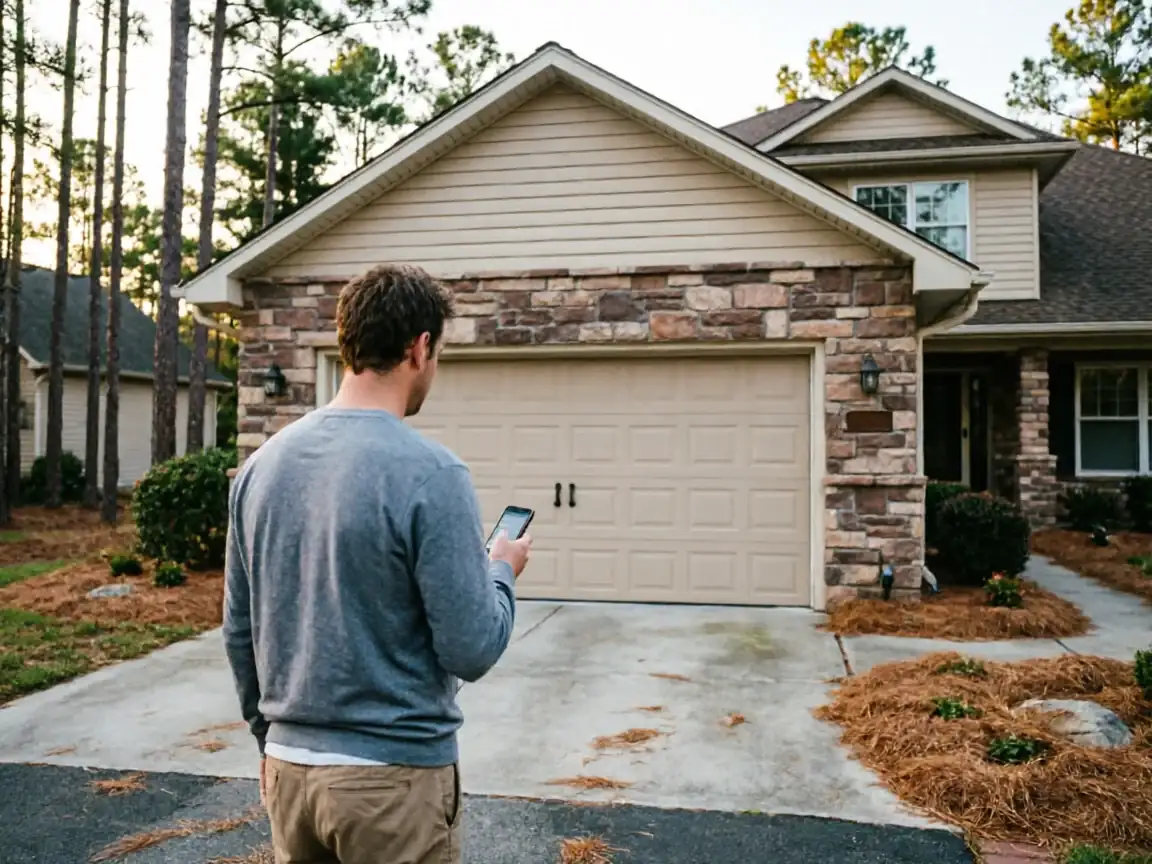
A man stands in a driveway, looking at his phone in front of a garage door.

Tell us what’s wrong

Describe the symptom - won’t open, loud bang, opener runs but the door won’t move.

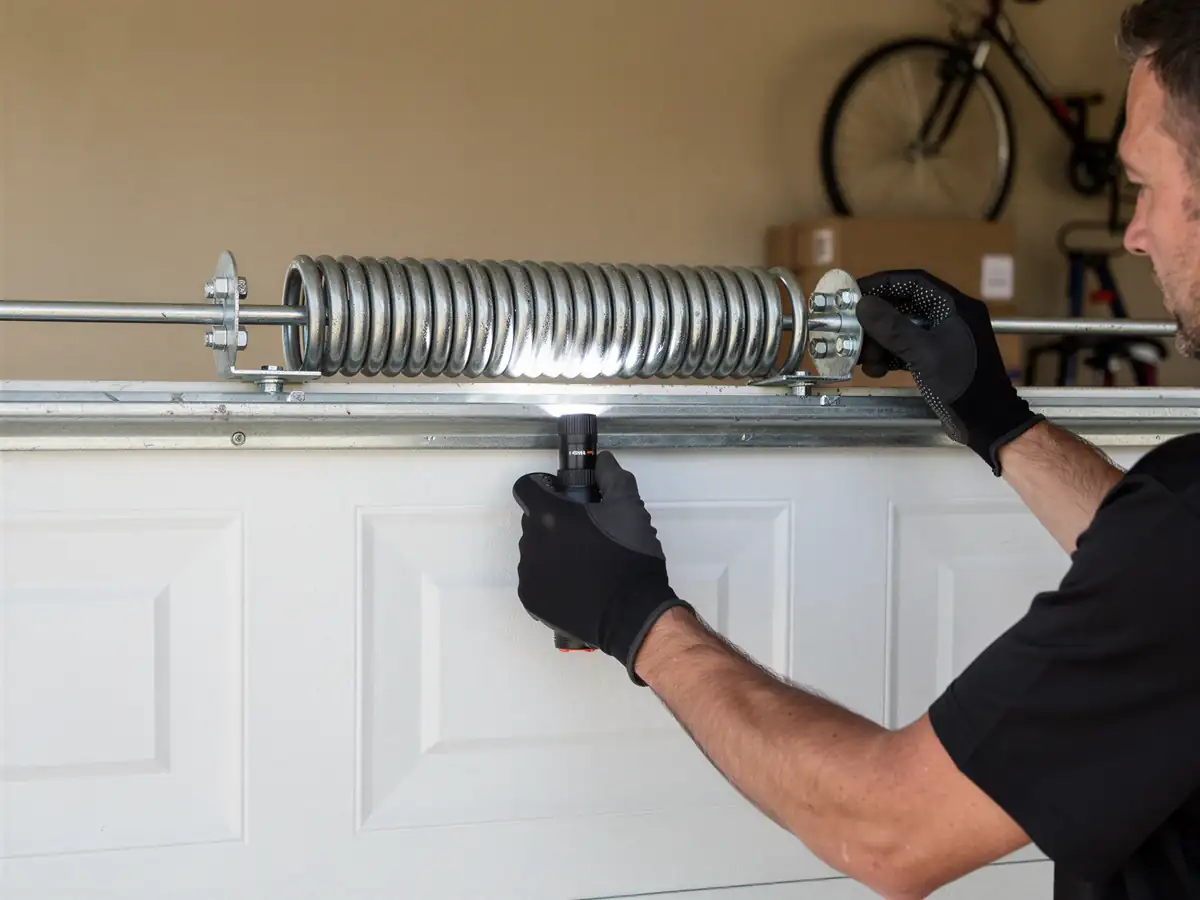
A technician shines a flashlight on a garage door torsion spring.

On-site diagnosis

A technician tests the door under power and by hand and finds what actually failed.

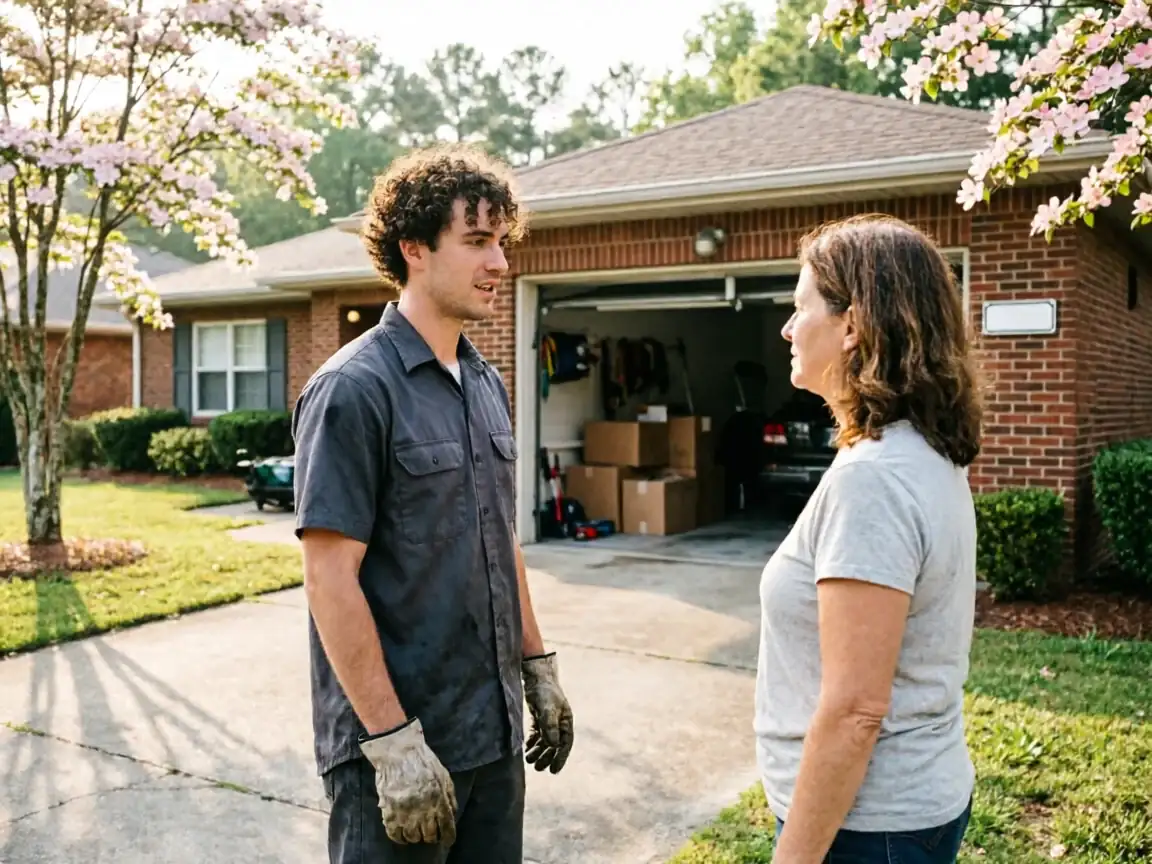
A technician in work gloves talks to a woman in front of a brick house.

Clear, up-front plan

You get the fix that’s needed and what drives the cost - before any work starts.

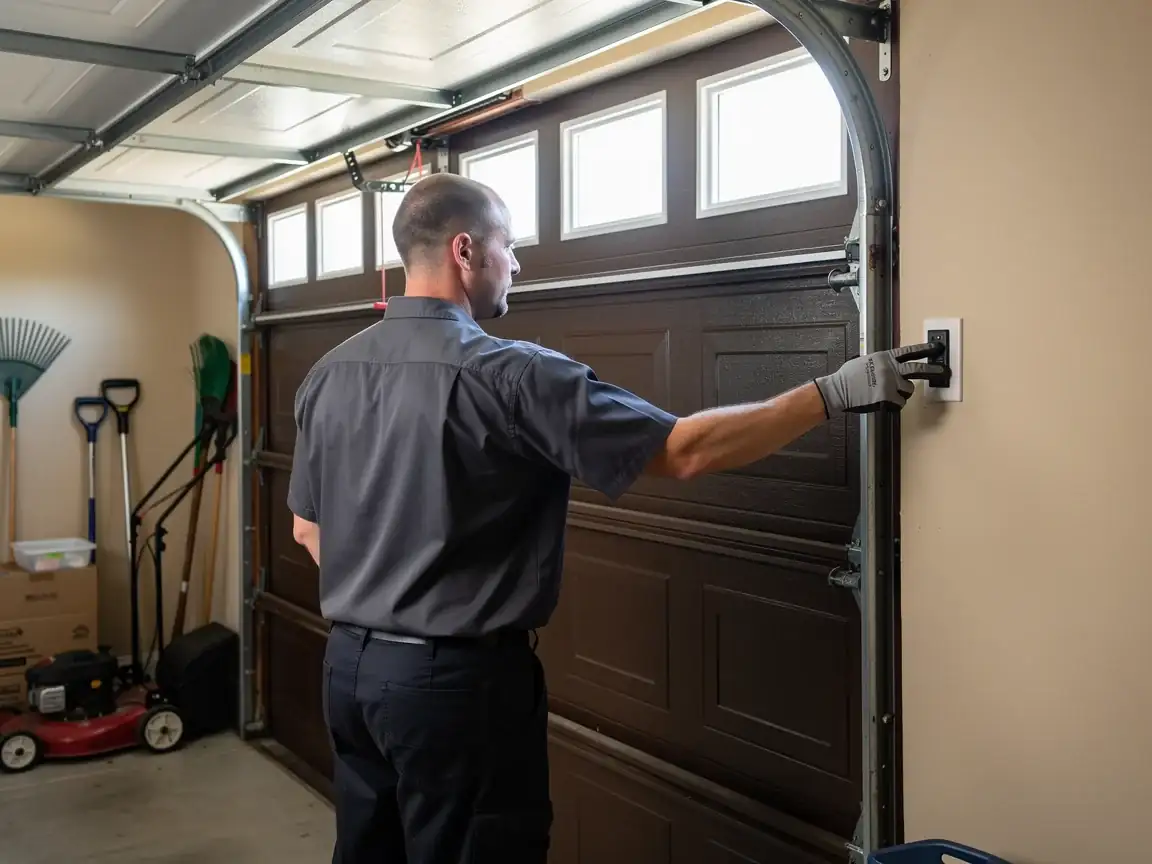
A technician in a gray shirt presses a button on a wall next to a brown garage door.

Repaired & tested

The repair is done, the door is set true and tested, and the work area left clean.

Not sure which repair your door needs in Fayetteville, GA? Describe what it’s doing - every job starts with a diagnosis.

How we work

What to expect

Diagnosis firstEvery visit starts by finding what actually failed - not a pre-written parts list.
The right part for the doorSprings and openers matched to the door’s weight and age, so the fix holds up.
Straight answersWhen a repair makes more sense than a replacement - or the reverse - you hear it plainly.
Clean, careful workTension released safely, hardware set true, the door tested under power before we leave.
16,990
Residents in Fayetteville
8Garage door services
6Neighborhoods & suburbs
GAServing Fayetteville, GA
What we do

Garage Door Services

Repair and installation work for Fayetteville homes and businesses.

Where we work

Serving Fayetteville & nearby

Local garage door service across 6 Fayetteville-area neighborhoods and communities - is your street on the list?

6

Fayetteville-area neighborhoods & nearby communities we cover

Questions

Frequently asked

Straight answers about garage door repair in Fayetteville. Still unsure? Ask us directly.

How do I know if it's the rollers and not the opener?

If the door grinds or stutters at the same spot every time it travels, that's a track or roller problem, not the opener - the opener just pulls the door along whatever path the rollers and track give it. A worn roller usually makes a rhythmic noise timed to the door's movement, while opener issues tend to sound more like a motor strain or a clicking at the head unit.

Will new rollers fix a noisy door on its own?

Often, yes, if the rollers are the actual source of the noise and the track isn't already grooved. Given how much of the housing stock here dates to the 1980s and '90s, a lot of the noisy doors we see are running on original steel or early nylon rollers that are simply past their service life.

Do nylon rollers hold up better than steel here?

Sealed-bearing nylon rollers generally run quieter and handle our area's cold-to-hot swings better than the older steel or unsealed nylon rollers found on a lot of houses built here. They cost more upfront but tend to outlast the metal rollers that came standard on older doors.

What if the track is already damaged?

A groove or bend in the track from a failing roller won't fix itself with new rollers alone. We'd need to straighten or replace the damaged section first, otherwise the new rollers wear unevenly against the same bad spot almost right away.

Ready to get your garage door sorted?

Tell us what it’s doing and where you are in Fayetteville - we’ll take it from there.

Request a QuoteCall