The Symptom
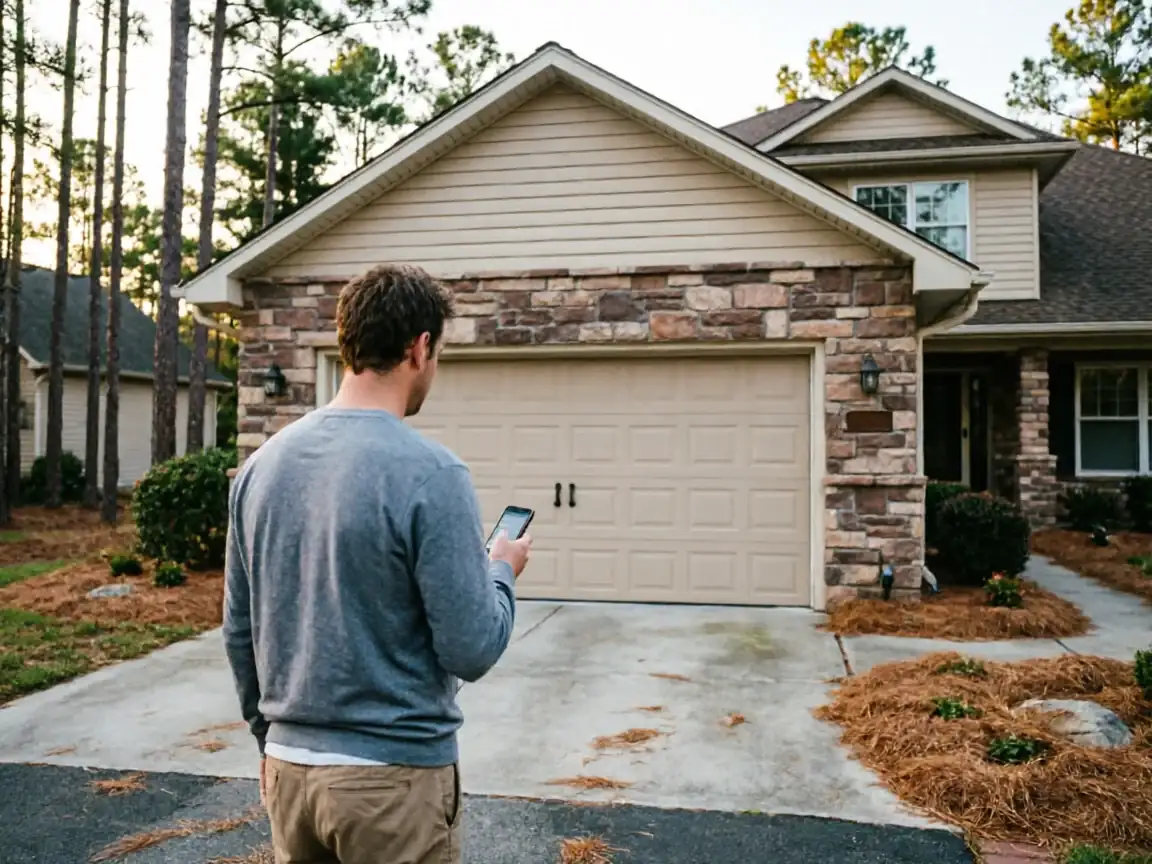
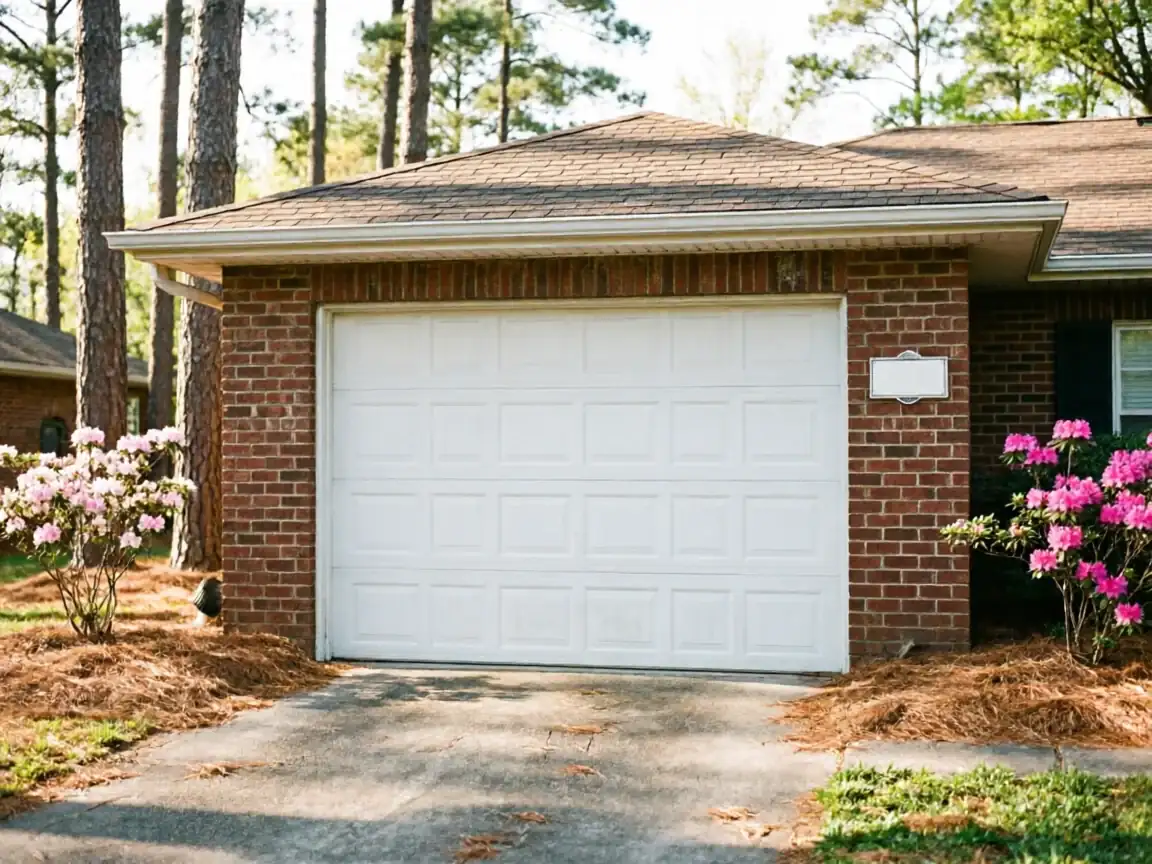
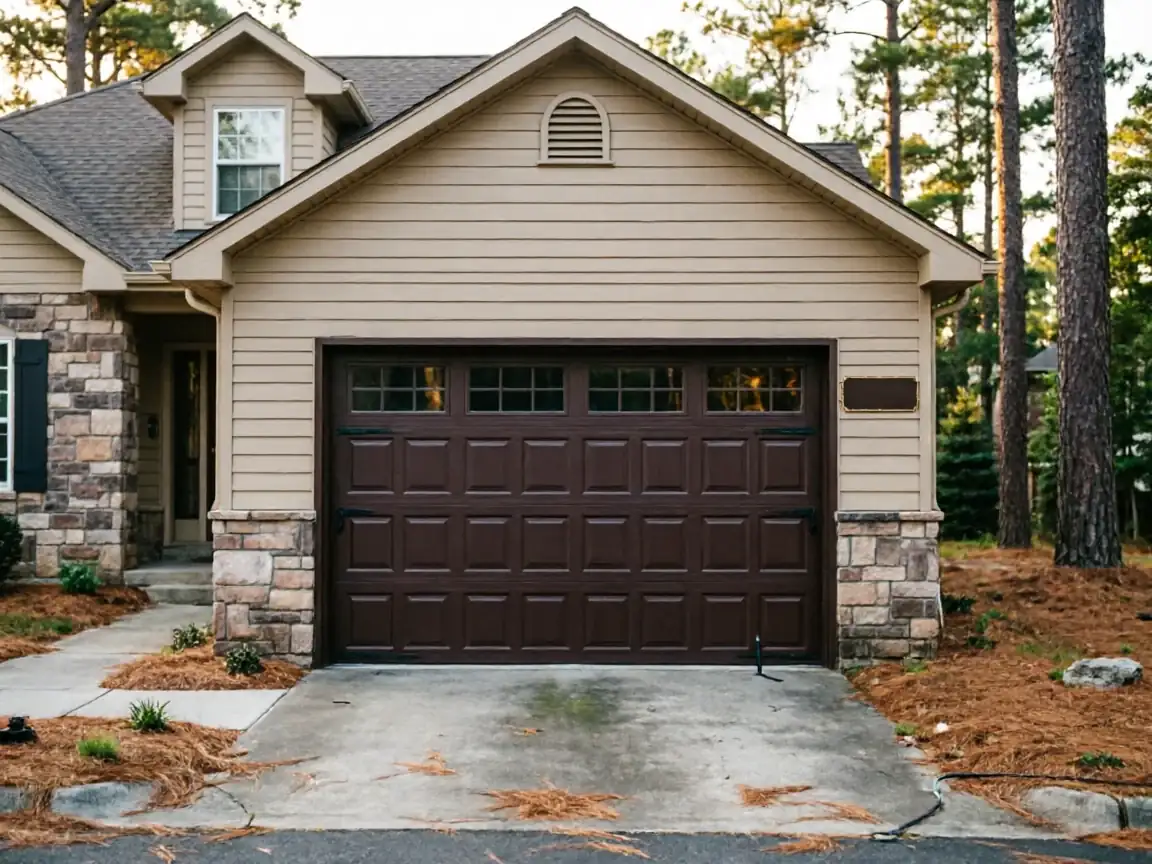
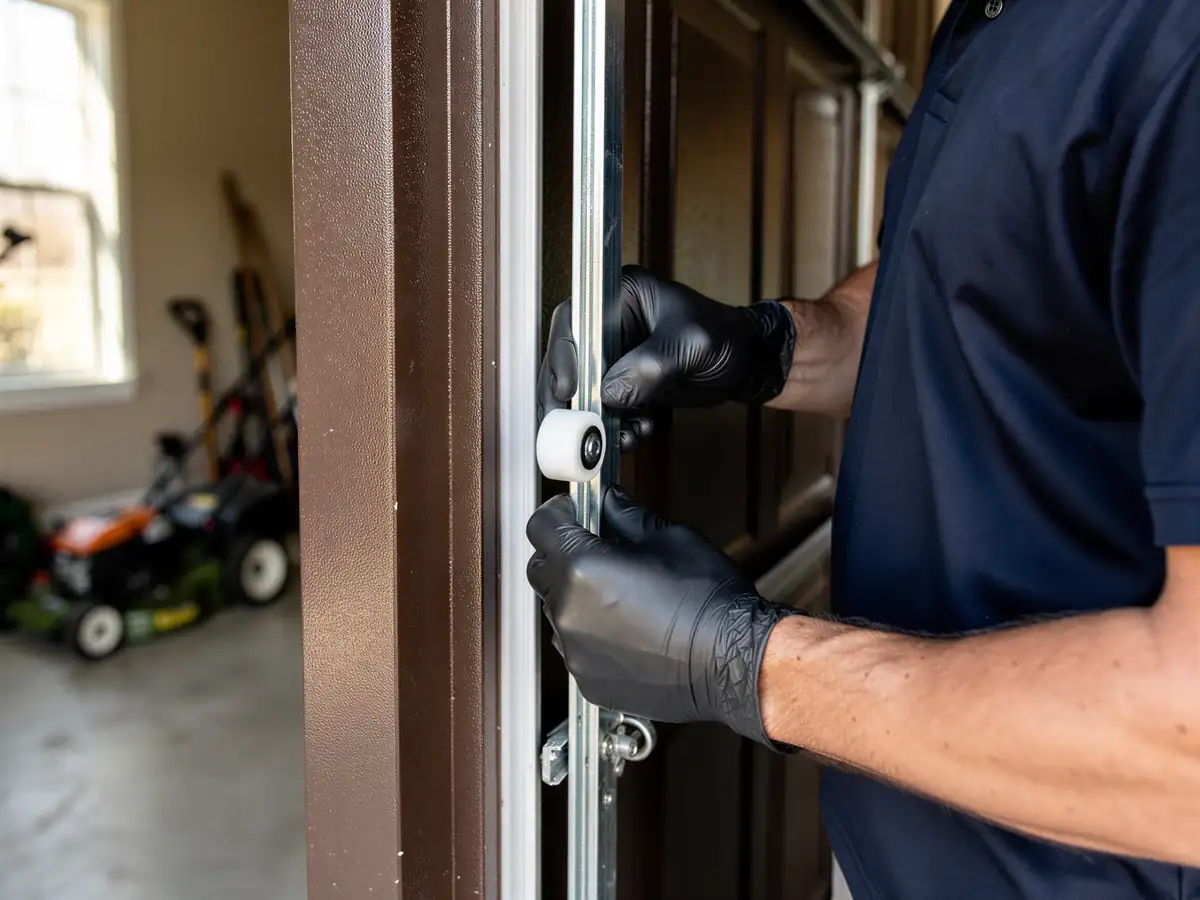
You notice it from the driveway before you notice it up close: a bowed-out section near the bottom, a crease across one panel from a backed-into bumper, or a rust line creeping along the seam where the panel meets the track. Sometimes the door still runs fine on the opener and the damage is cosmetic. Sometimes the bent section is dragging on the track, binding the rollers, or keeping the door from sealing flush at the bottom - which lets in water and cold air every time the temperature swings.
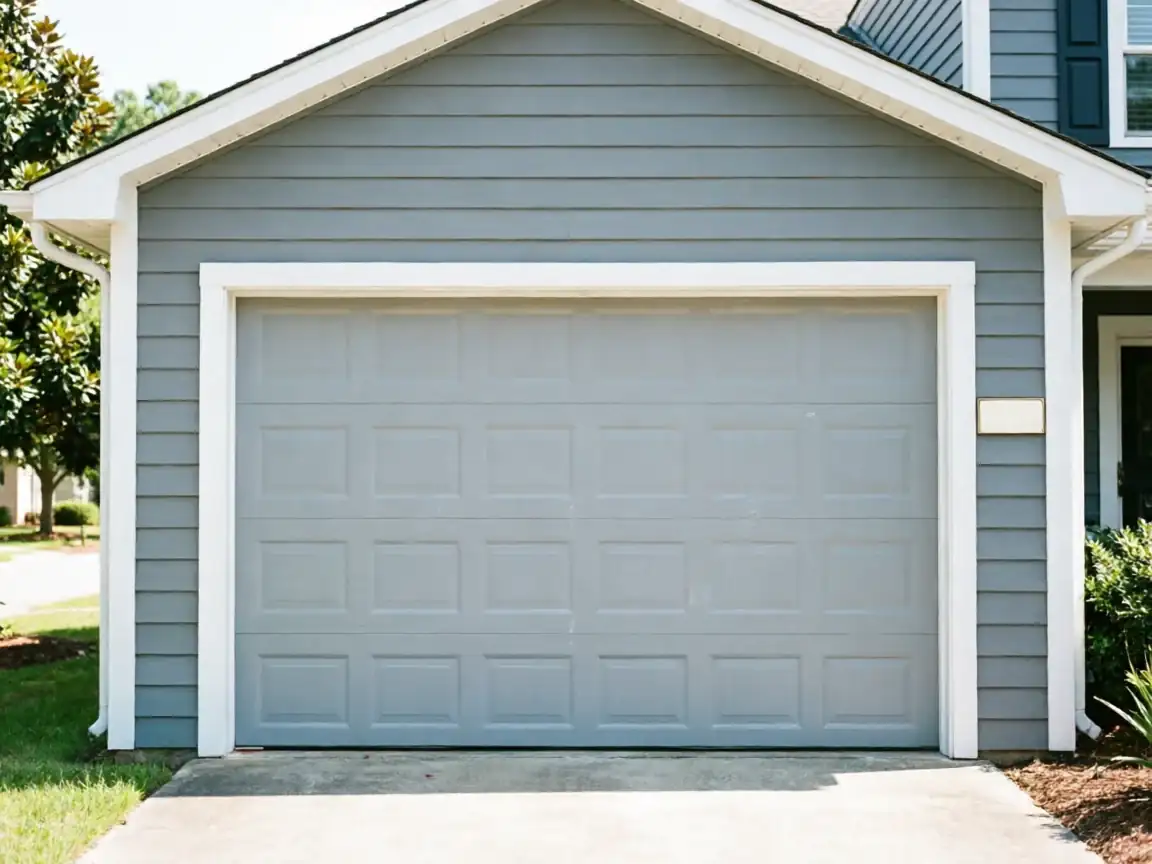
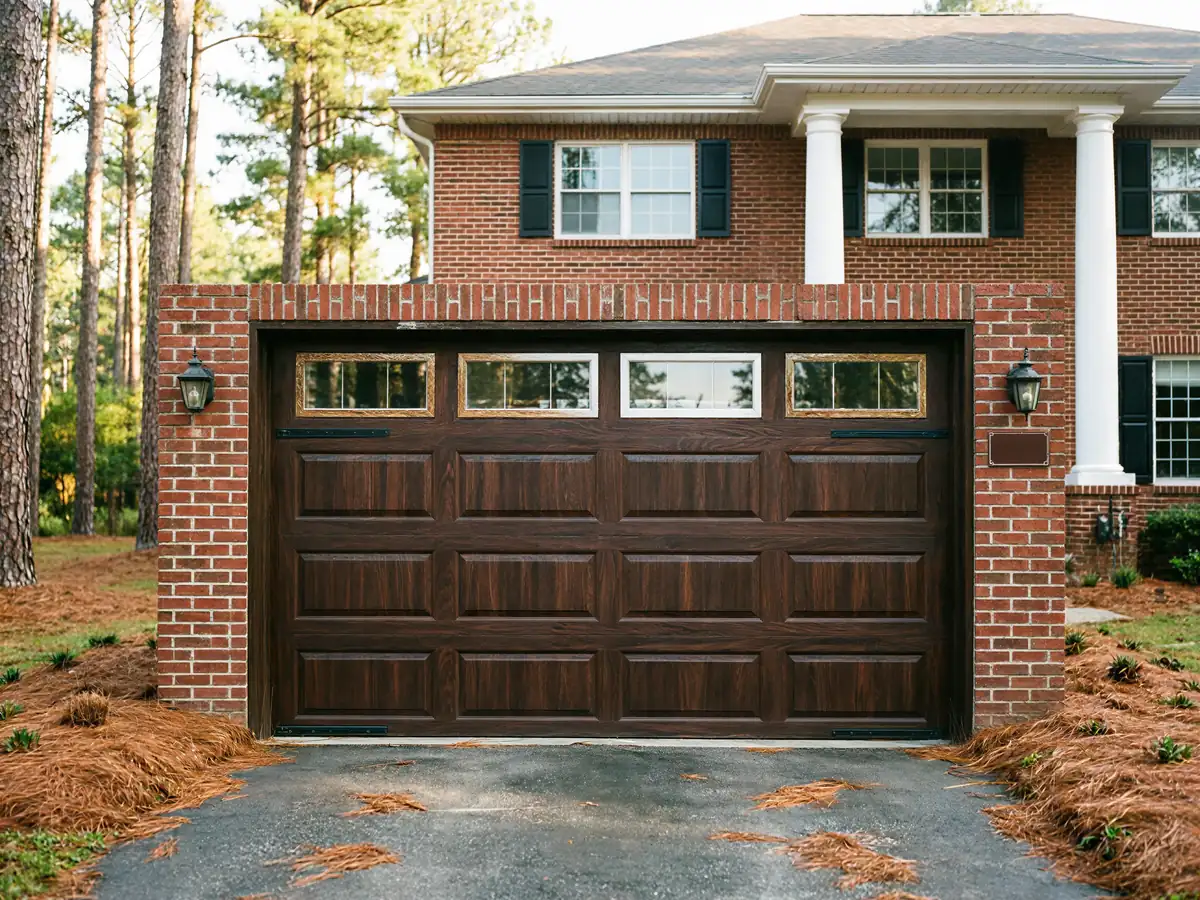
Panel damage shows up a few ways. A single ding from a car bumper or a basketball is usually one section. Rust that's worked through the steel skin on the bottom panel, where water sits after rain, is a different problem and often means that panel's insulation is wet and useless even if the surface looks okay. And on older doors, you'll sometimes find a panel that's just plain worn through at the hinge points from decades of flexing. Each of these calls for the same basic job - pull the bad section and replace it - but matching it to what's already on the door is where the work actually is.
Why This Fails Locally
Housing across this service area mostly went up between 1961 and 2007
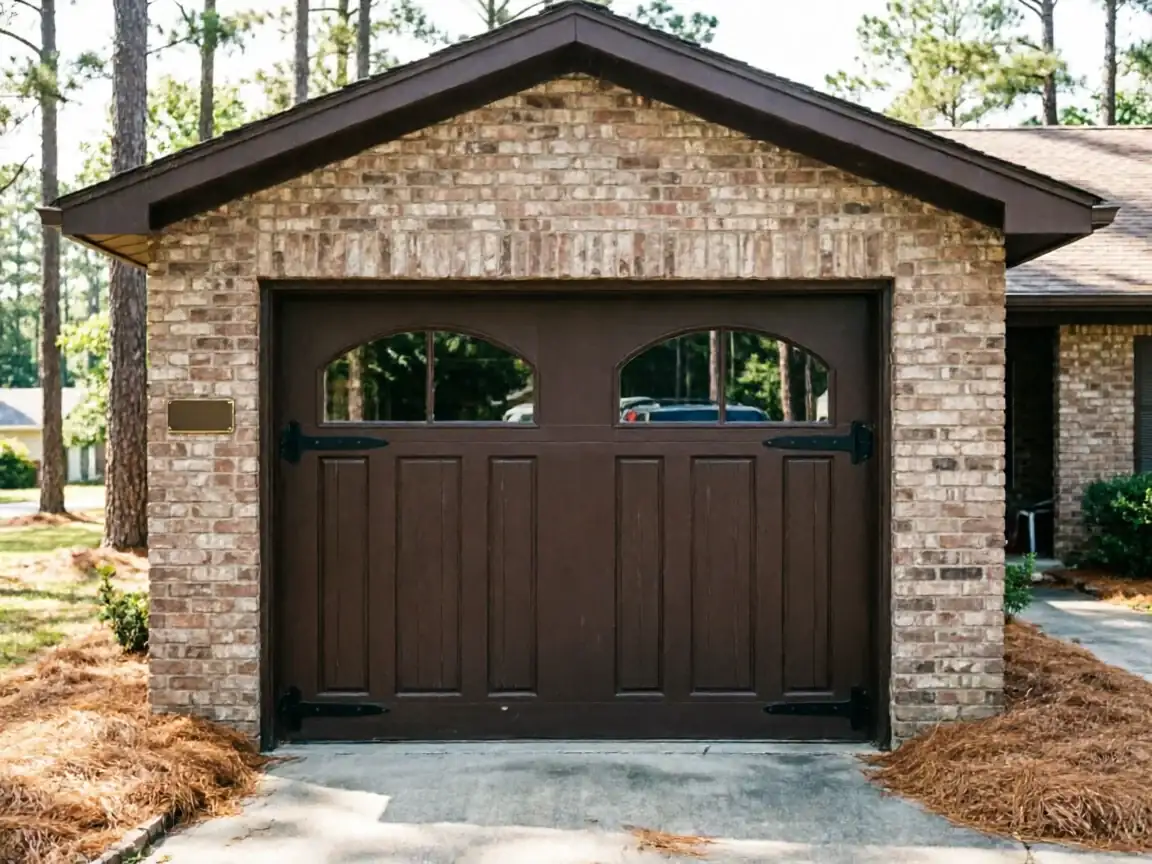
With the median build year landing around 1988, and the 19 named communities we cover lean heavily on that 1980s-90s stock. That matters for panels specifically: doors installed in that window used steel gauges and section profiles that newer manufacturers have since changed or discontinued. When one panel on a 1991 door cracks, the replacement often has to come from a salvage run or a compatible off-brand section, because the original line isn't made anymore.
The climate adds to it
This area sits in a cold-moderate band, which means panels go through real freeze-thaw cycles every winter - not the brutal swings you'd get further north, but enough seasonal expansion and contraction to open up hairline seams in older polystyrene-backed sections and to let rust take hold once the paint skin is compromised. Combine 30-to-60-year-old housing stock with that freeze-thaw pattern and you get a steady, predictable stream of bottom-panel rust and cracked seams rather than a rare event.
How Long It Takes
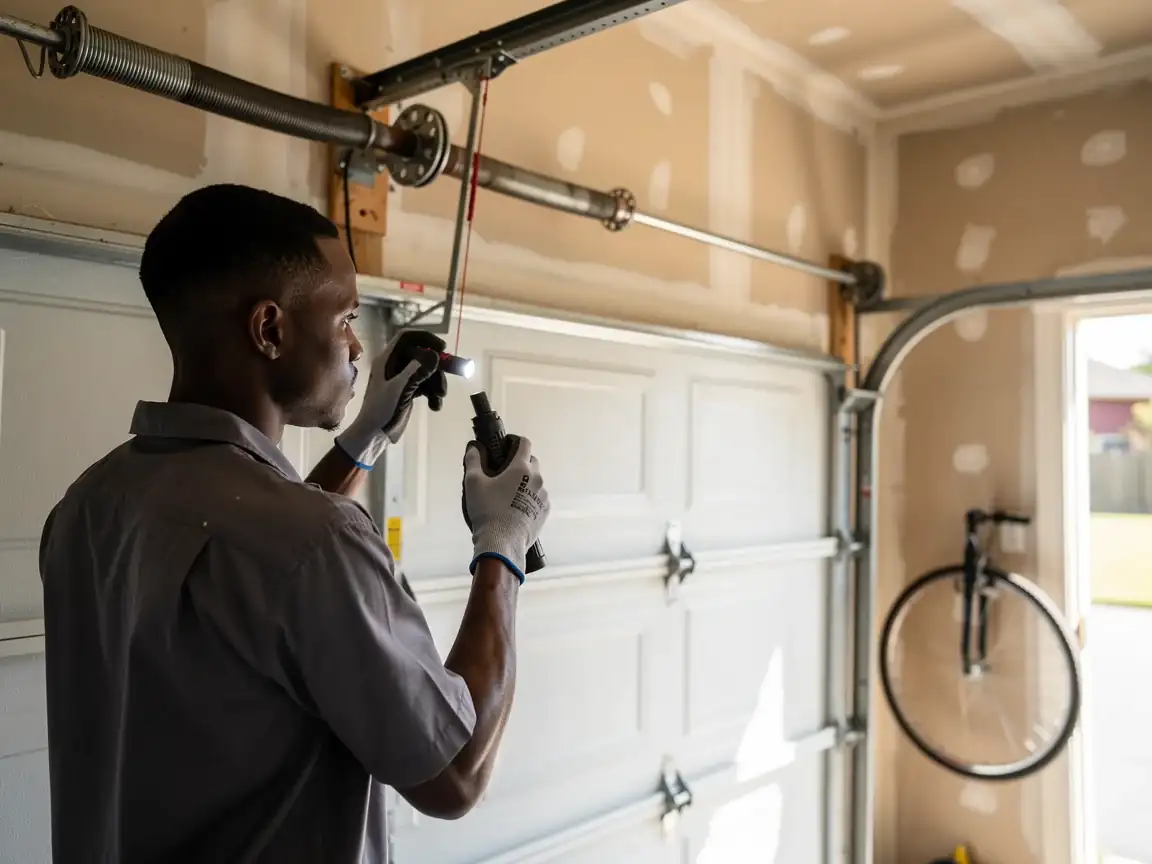
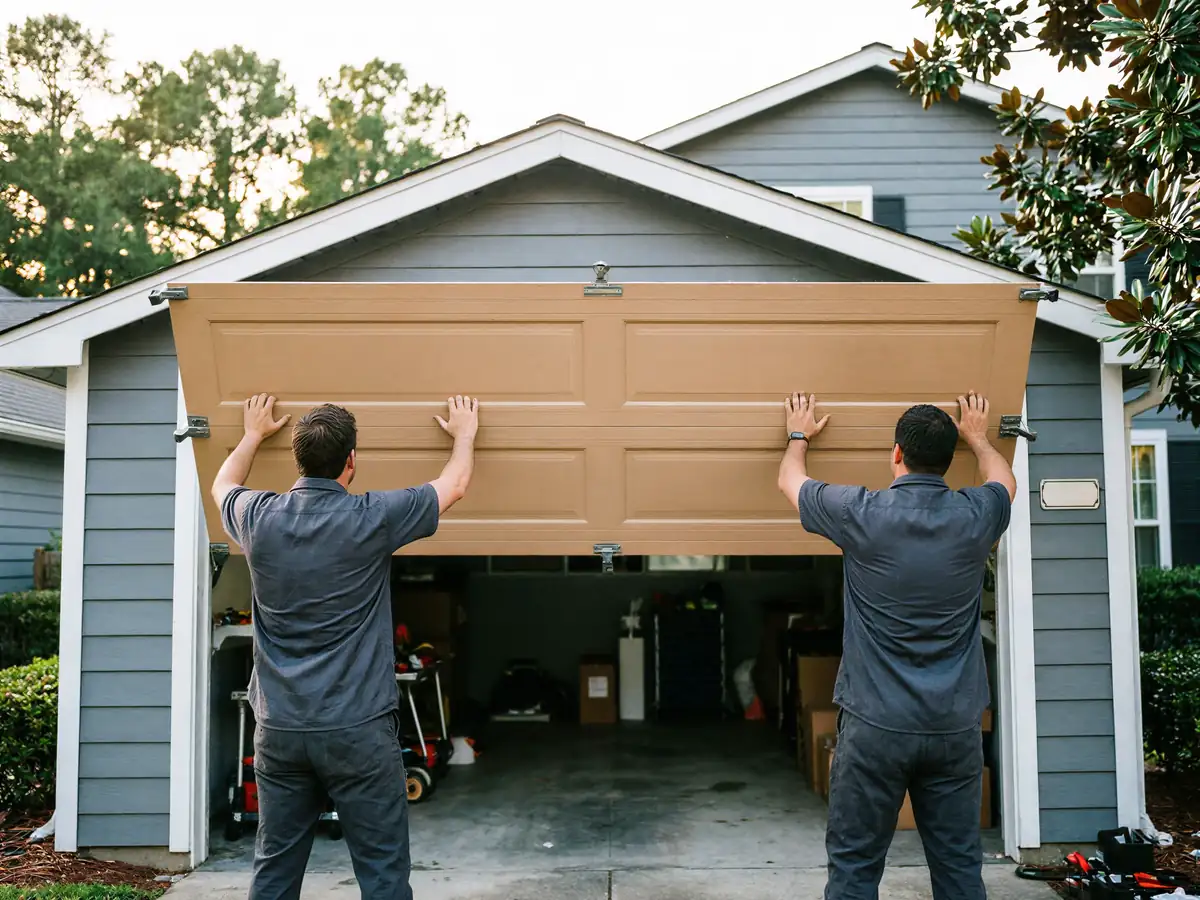
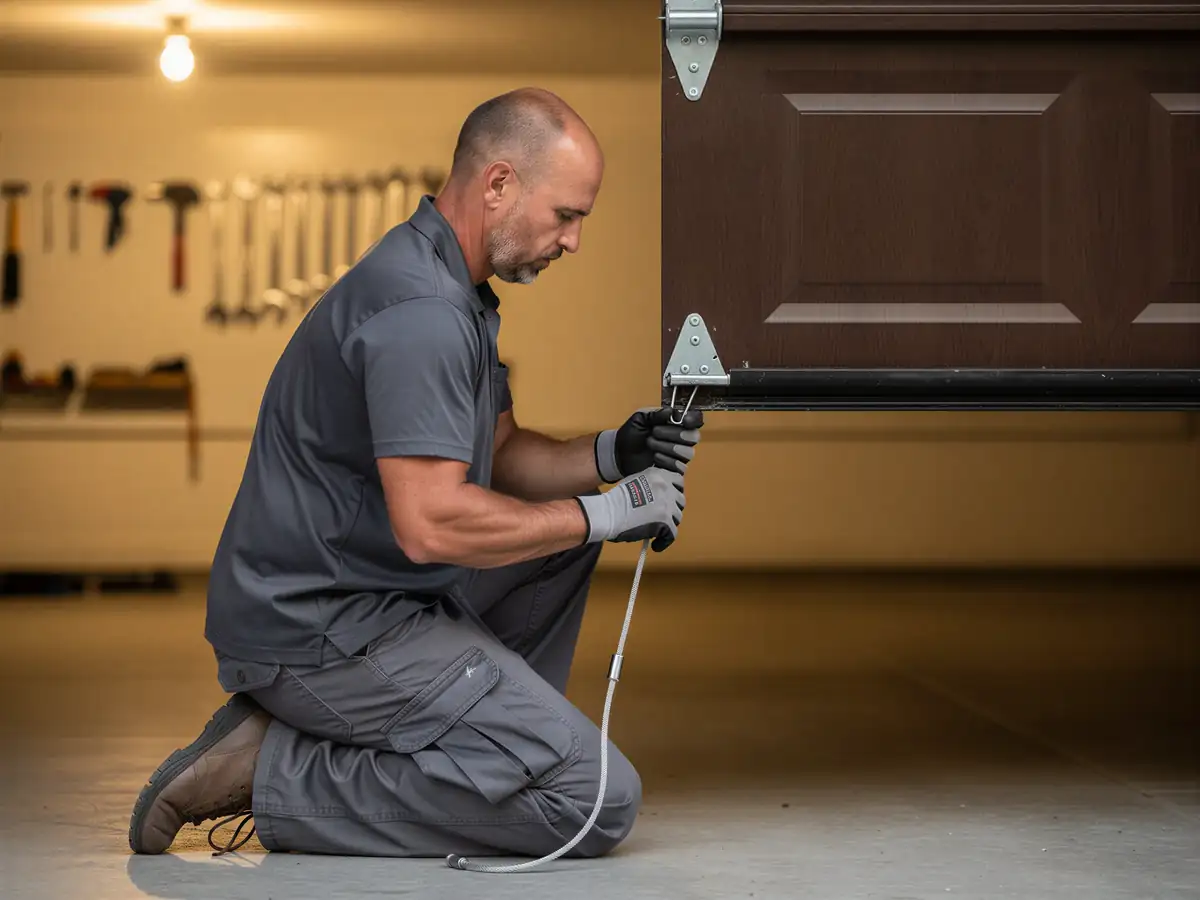
A straightforward single-panel swap on a door where the section is still in production, or close enough to match, is typically a same-visit job once the part is on the truck - the old panel comes out, the new one goes in, hinges and rollers get reset, and the door gets balanced. The variable is sourcing. Because a large share of doors in this service area date to the 1980s and 90s, finding an exact or close-match panel sometimes takes longer than the repair itself.
If the panel has to be special-ordered because the original run is discontinued, that's a lead-time issue, not a labor issue - the install once the part arrives still runs quick. Multi-panel damage, or a door where rust has spread past the one section, takes longer to diagnose because we have to check whether the track and hardware are still square once more of the door comes apart.
Can You Do This Yourself
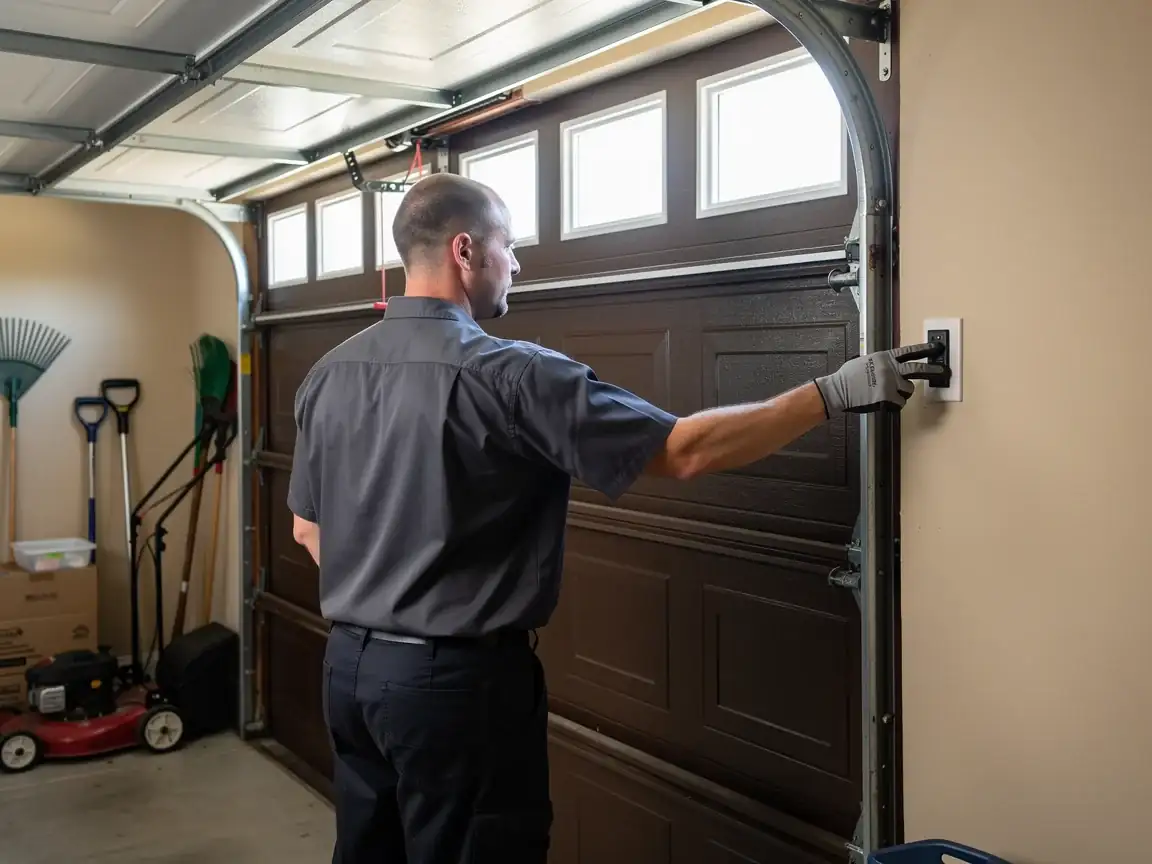
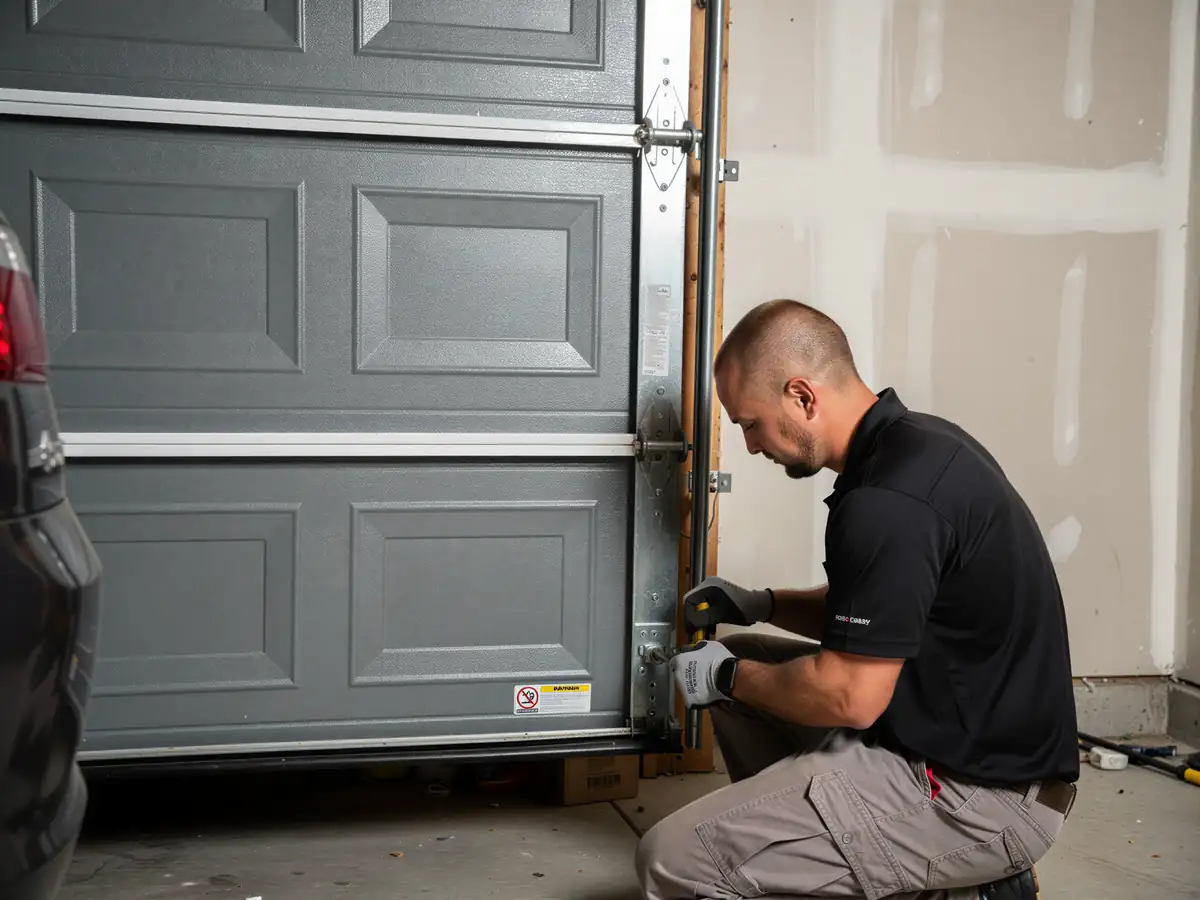
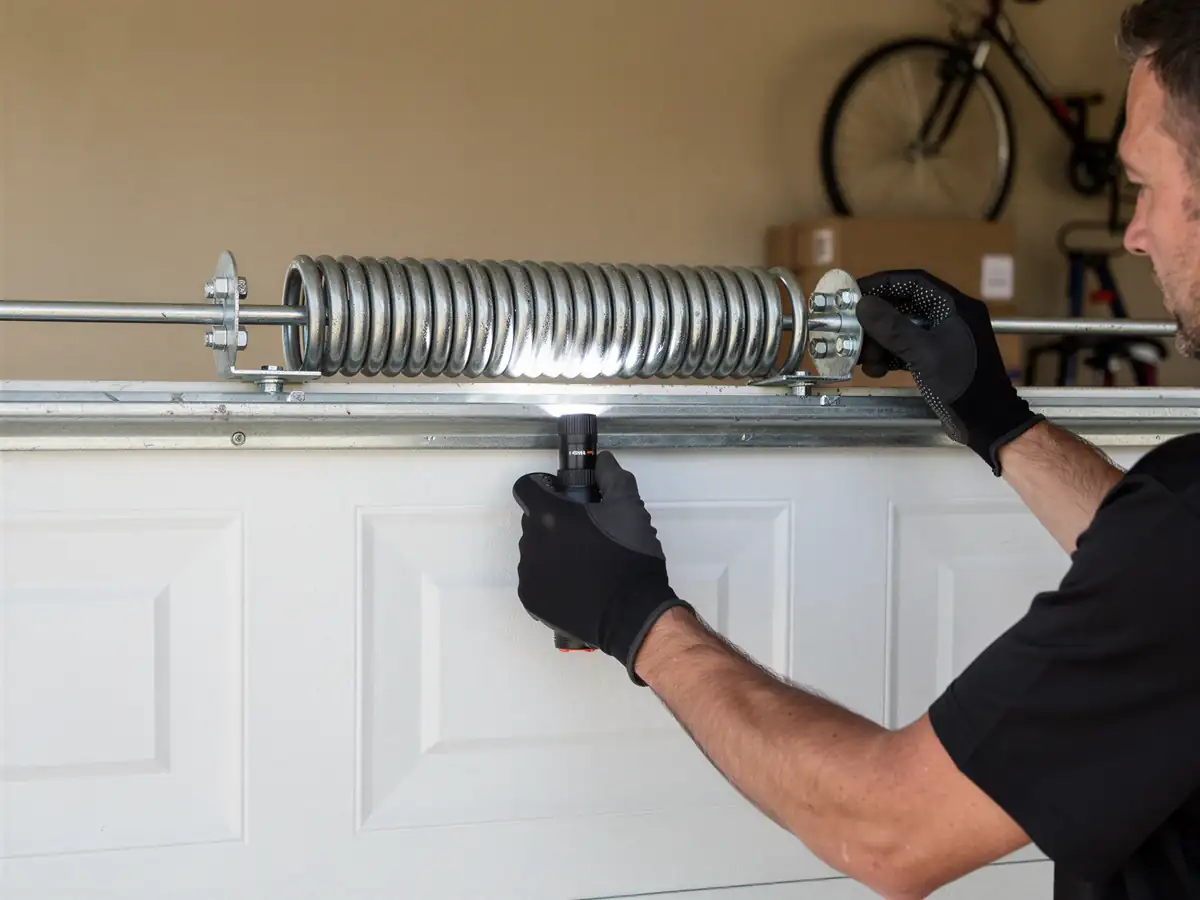
A cosmetic ding you can live with doesn't need a call - if the door still opens, closes, and seals, leave it. But swapping a panel yourself is a different matter from patching drywall. The sections are under spring tension even when the door's down, the panel has to seat correctly against the ones above and below it to keep the track aligned, and a bottom panel often hides the weatherstrip and sometimes the bottom bracket that the cable rides on.
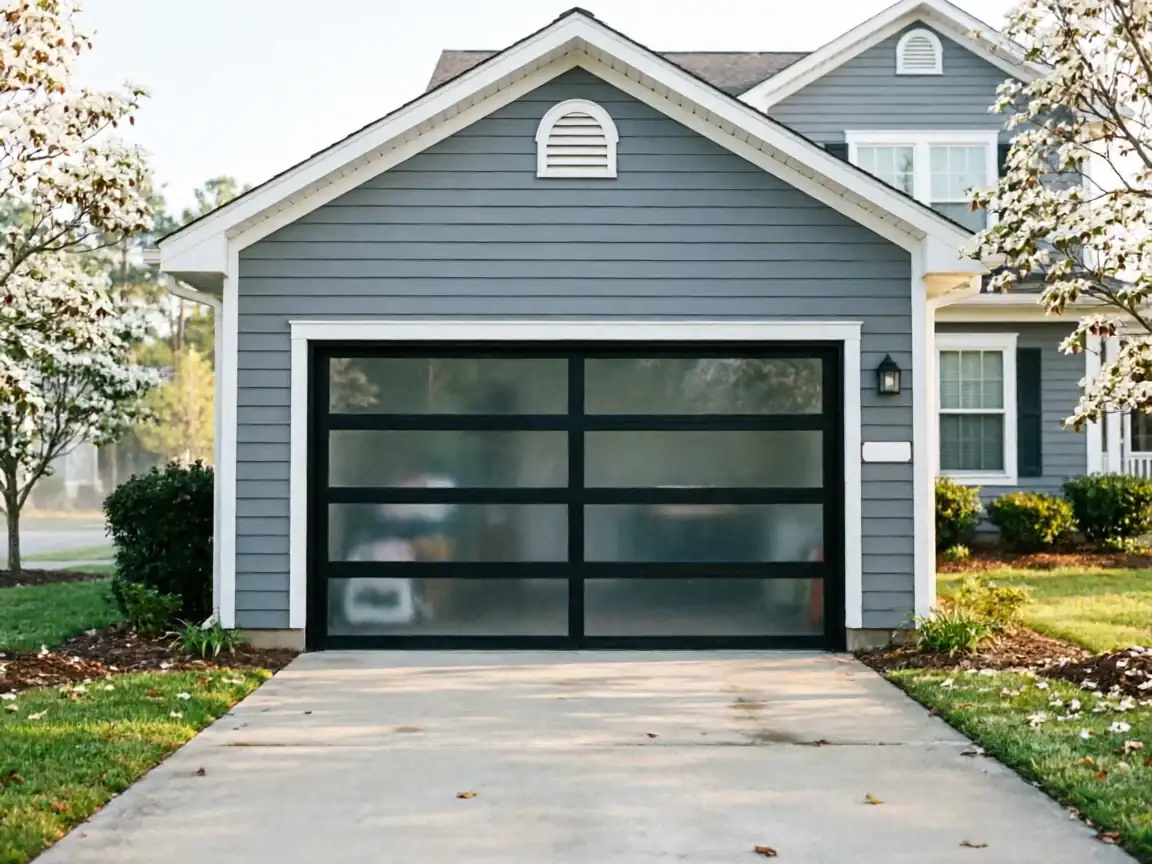
Here's the honest limit on our end too: if the panel you need was discontinued more than a decade or two ago and nothing close exists, matching color and profile across the whole door isn't always possible, and at that point replacing the single panel stops making sense next to replacing the door. With a median household income of $61,454 across this service area, that's a real trade-off for a lot of owners, and we'll tell you straight when a panel swap isn't the better dollar than a new door.