The Symptom
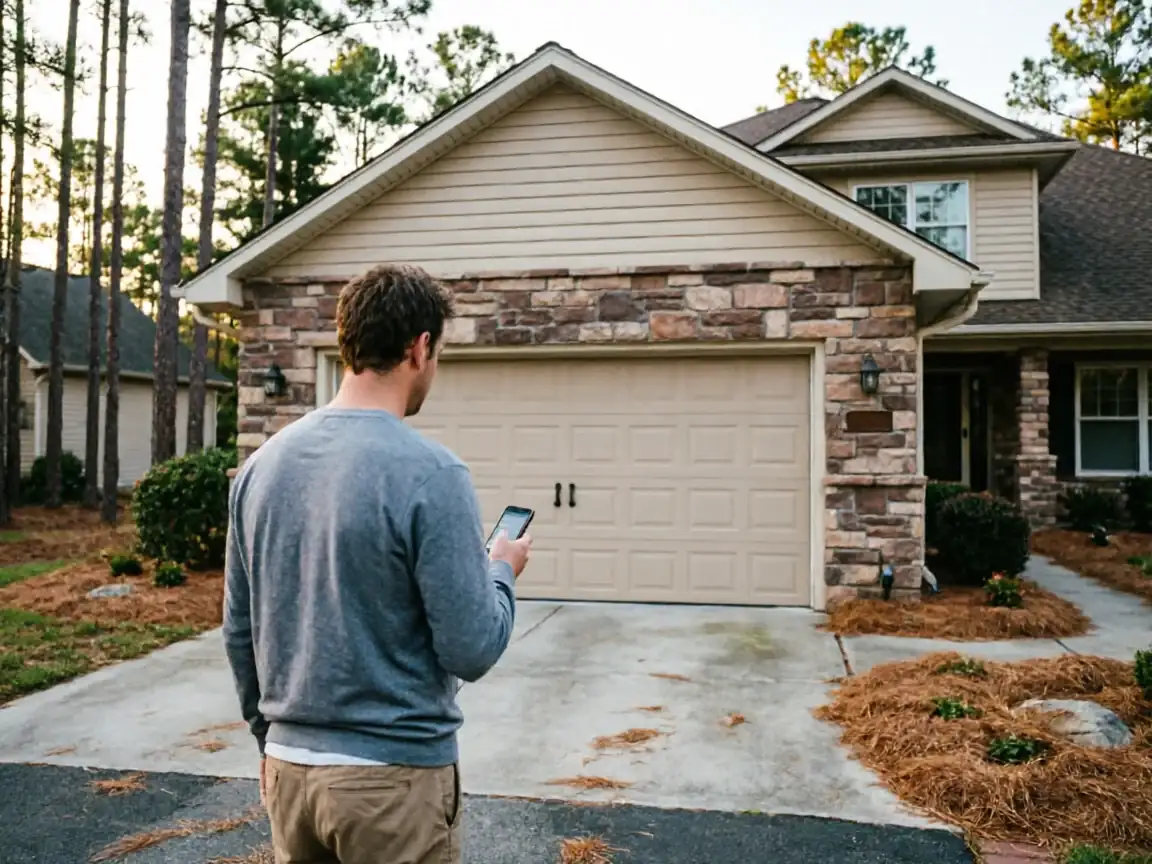
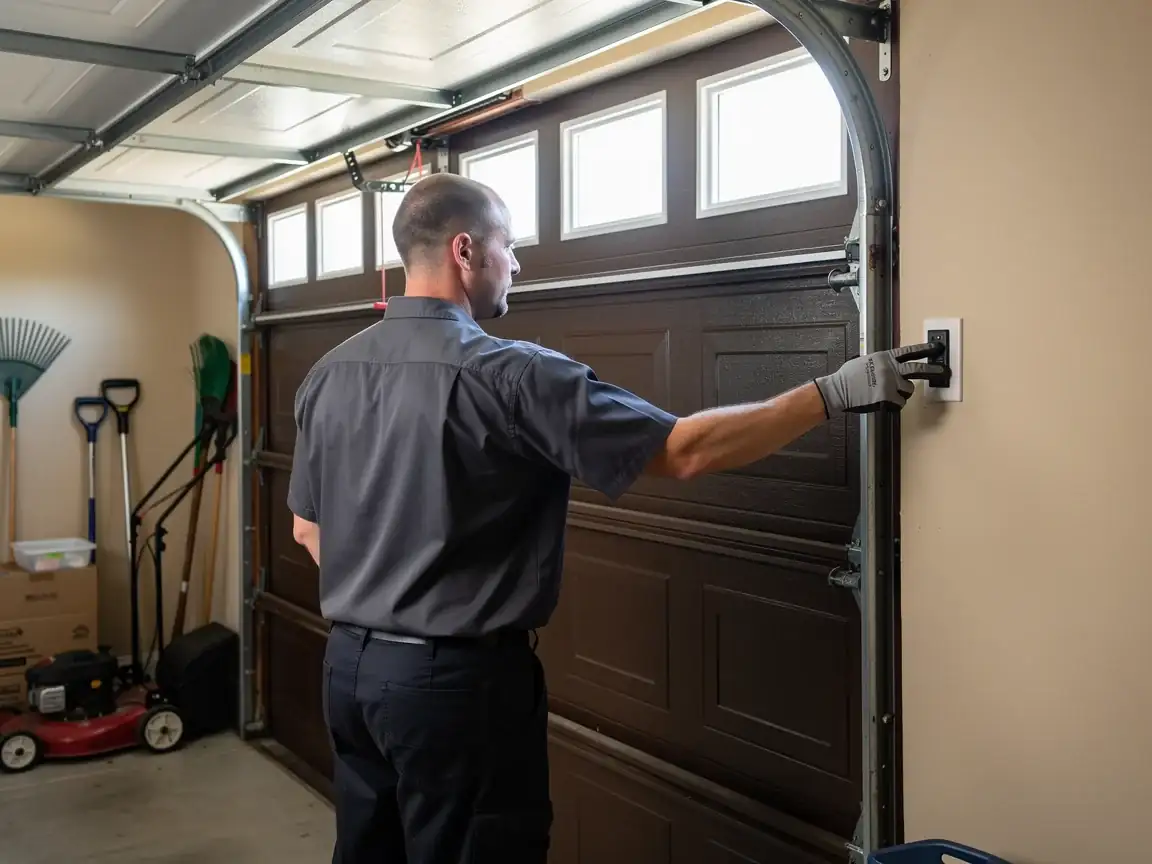
The opener hums but the door doesn't move. Or it moves a few inches and reverses. Or the motor runs and the chain or belt just sits there, slack, going nowhere. Sometimes it's quieter than that - the remote stops working, the wall button still does, and you start wondering if it's the opener itself or something upstream in the track.
Most calls we get for this start the same way: the door worked fine yesterday. That's rarely true in the mechanical sense. An opener doesn't fail in a day. A drive gear wears down over months, a sensor drifts out of alignment slowly, a capacitor in the logic board degrades with every cold start. What looks sudden is usually the last stage of something that's been building since last winter, or the one before that.
The fix depends entirely on which failure you've got. A stripped plastic drive gear is a $20 part and twenty minutes. A dead circuit board on an opener from the late 1990s is a different conversation - sometimes the board, sometimes the whole unit, because parts for a 25-year-old opener aren't always sitting on a shelf anymore.
Why This Fails Locally
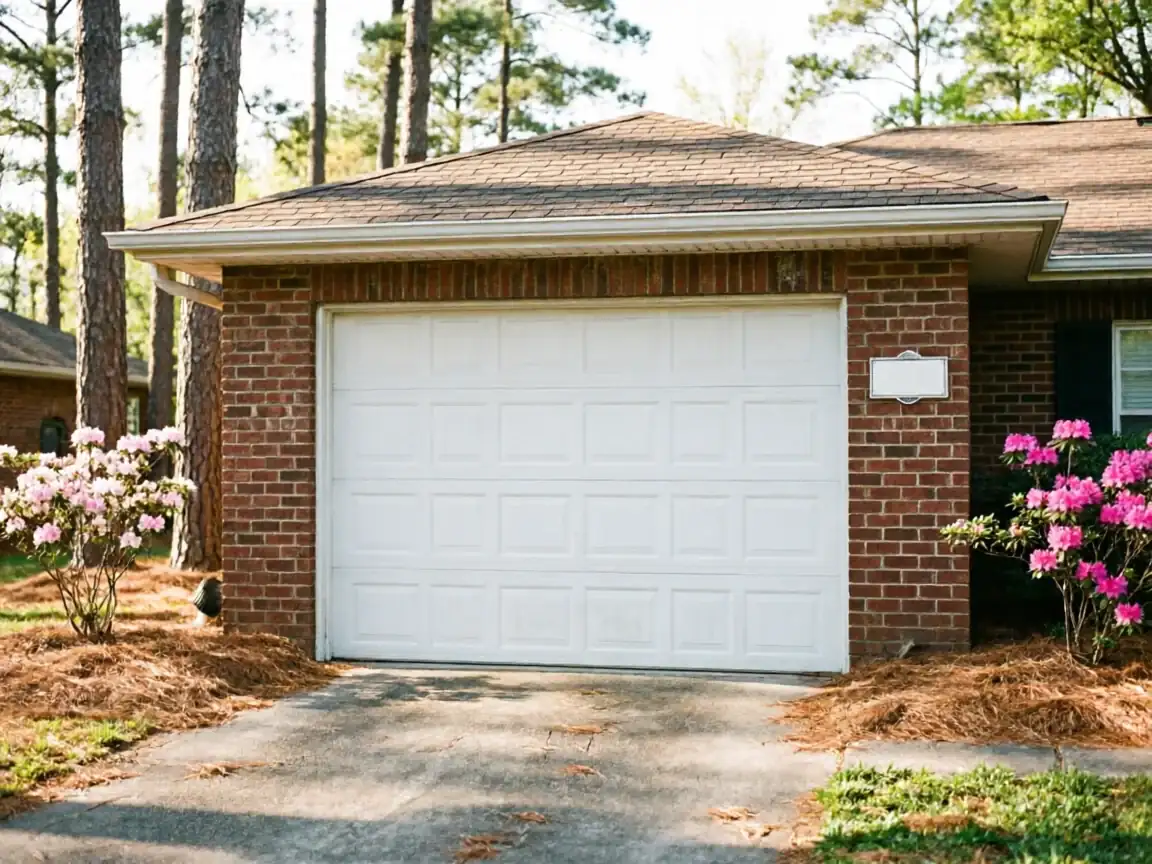
Housing across this service area went up mostly between 1961 and 2007
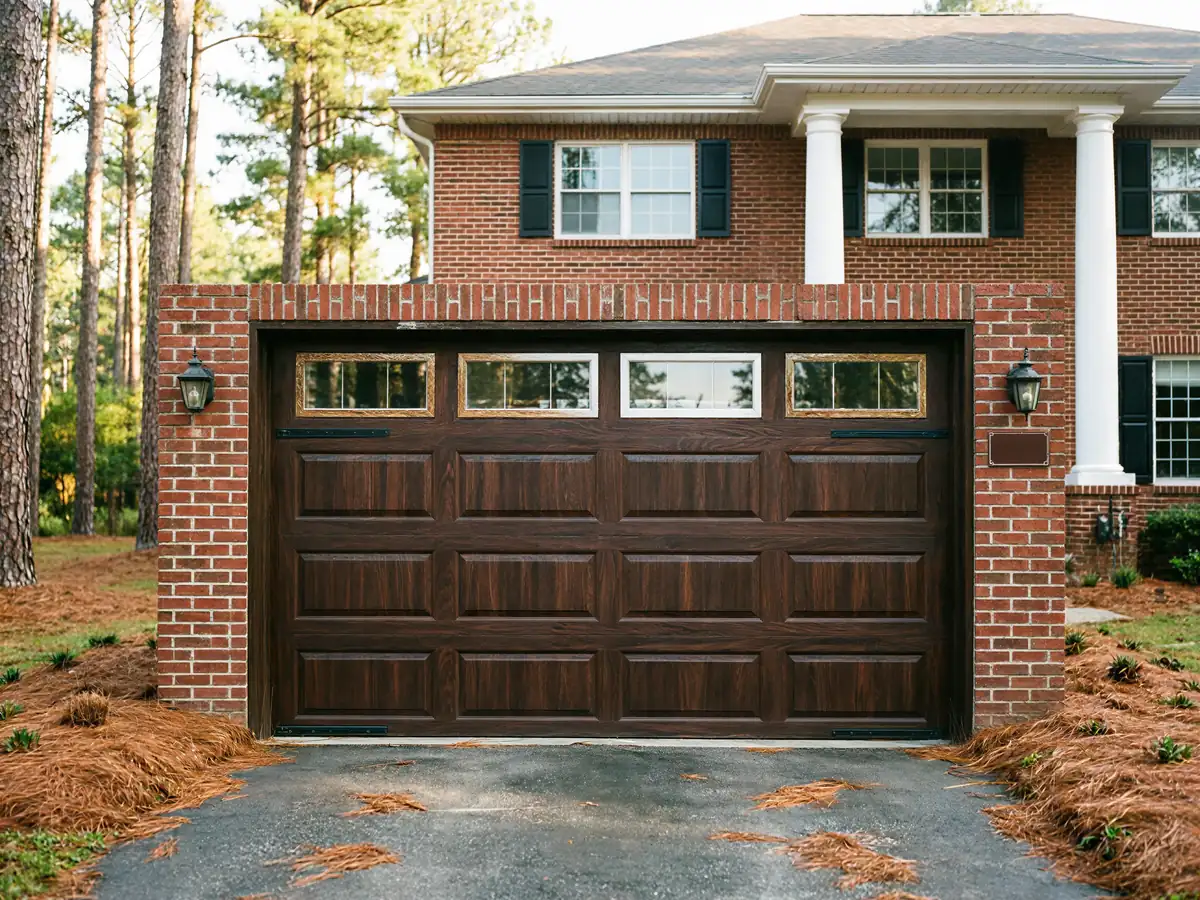
With the bulk of it dating to the 1980s and 90s across the 19 communities we cover. That matters for openers specifically: a house built in 1988 is now on its third or fourth opener, and a lot of those mid-life replacements were builder-grade units installed by whoever put the house up for sale, not sized or set up for the door they're driving.
- 19 communities
The climate here is the other half of it
We're in a moderate cold band - not brutal, but enough freeze-thaw cycling every winter to work on anything with a logic board or a sensor eye mounted at the bottom of the track. Condensation inside an opener housing during a cold snap, followed by a warm afternoon, is slow corrosion on contacts that doesn't show up as a symptom until the board finally gives out.
Garage doors on older torsion setups also put more draw on an opener than modern lighter doors do
Which shortens motor life on a drivetrain that's already working against age. None of this is dramatic. It's just steady wear that lines up with how old the housing stock actually is out here.
How Long It Takes
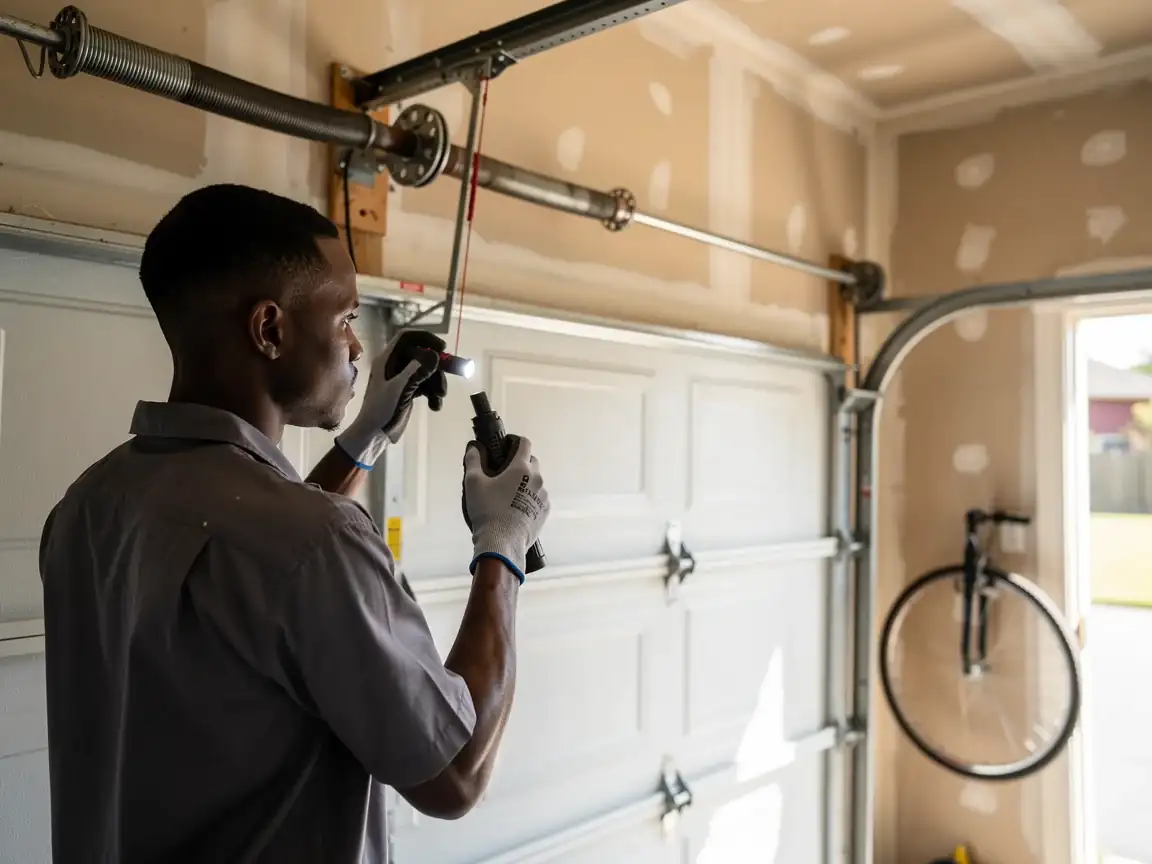
A straightforward opener repair - drive gear, sensor realignment, logic board swap, remote reprogram - is usually a one-visit job. We diagnose on arrival, most of these faults are visible or testable within a few minutes once we're looking at the unit directly.
What extends the job is parts availability on an older or discontinued opener model. If your opener was installed when the house was built or close to it, and that's a unit that's been out of production for a while, we may not have the exact board or gear kit on the truck. That's not a long delay in most cases, but it's not same-visit either, and we'll tell you straight if that's where you land rather than guess at a timeline we can't back up.
Can You Do This Yourself
Reprogramming a remote or replacing batteries is fair game for an owner - no tools beyond a screwdriver, no risk. Realigning photo-eye sensors that are slightly out of level is also doable if you're patient and the bracket isn't bent.
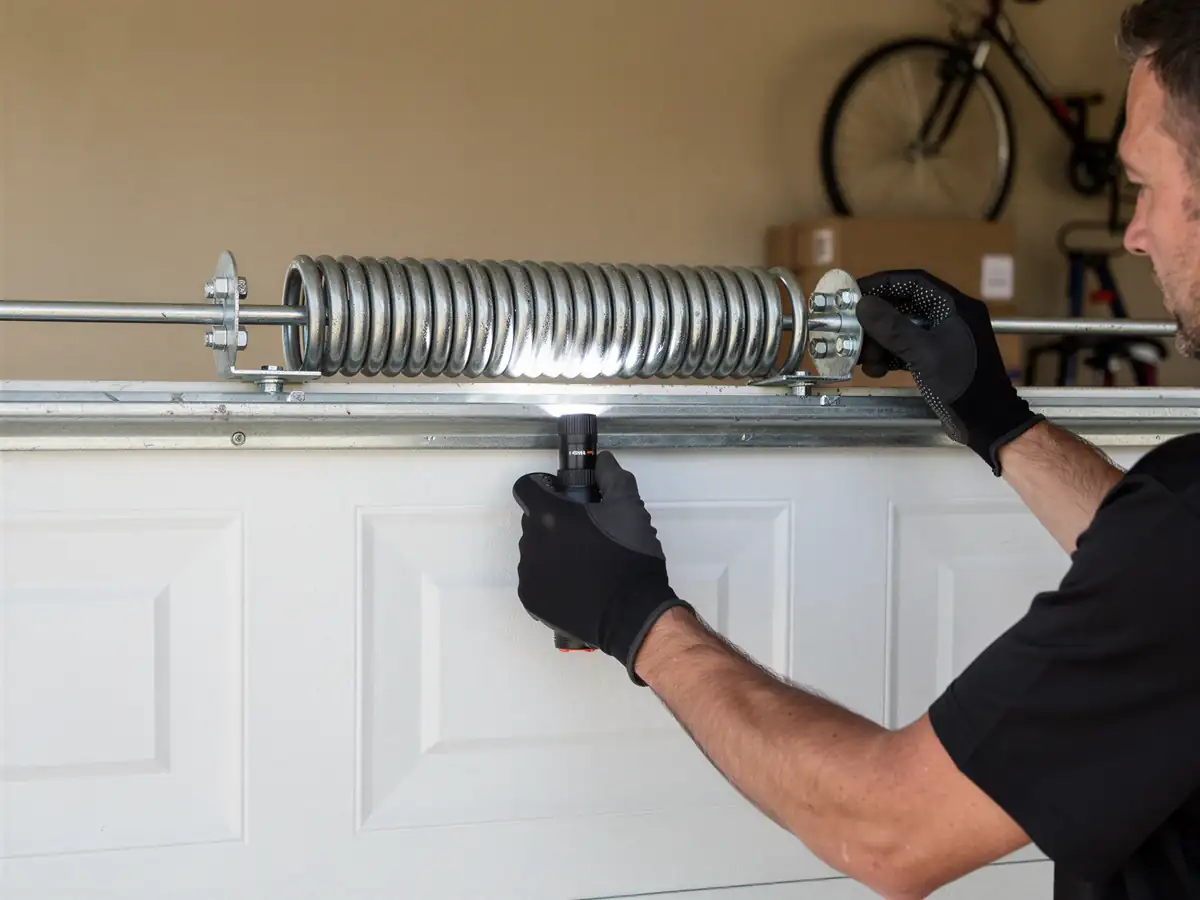
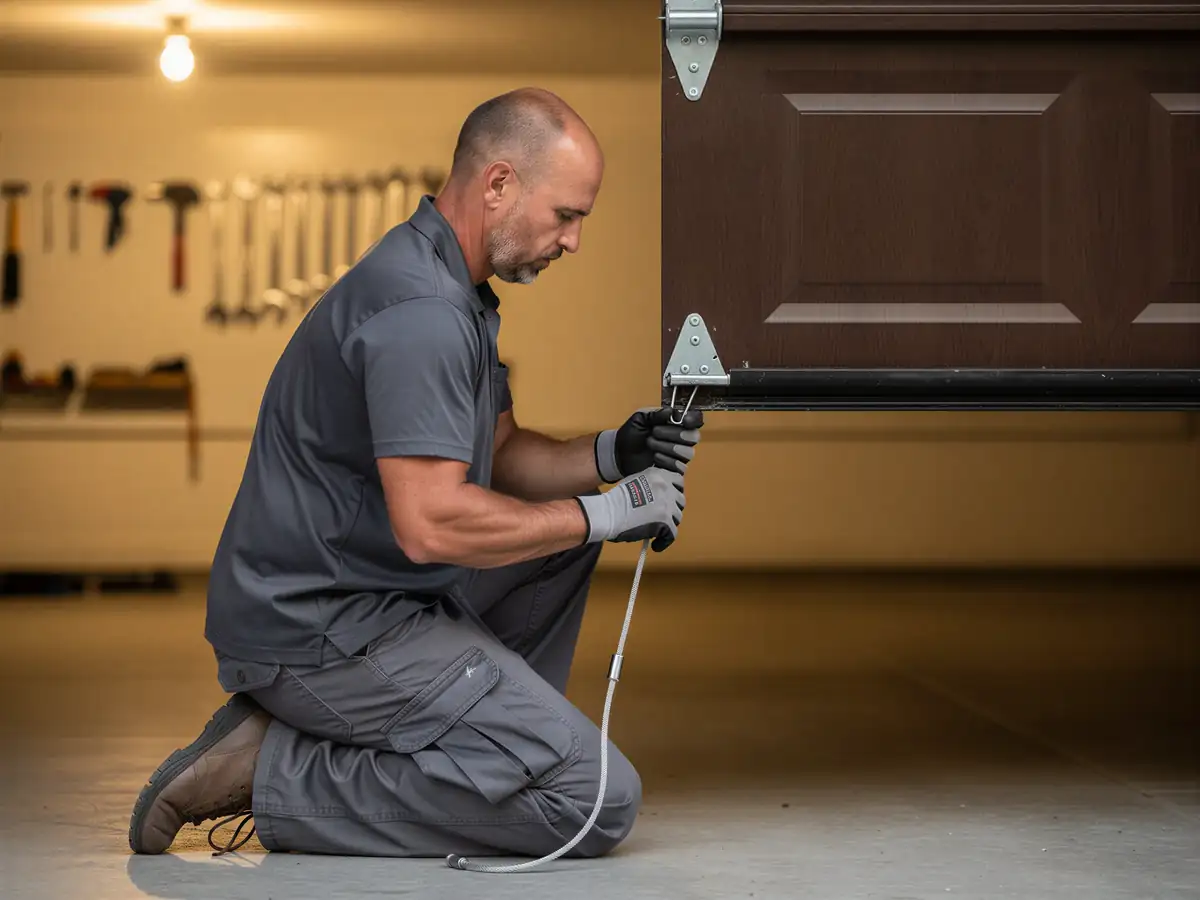
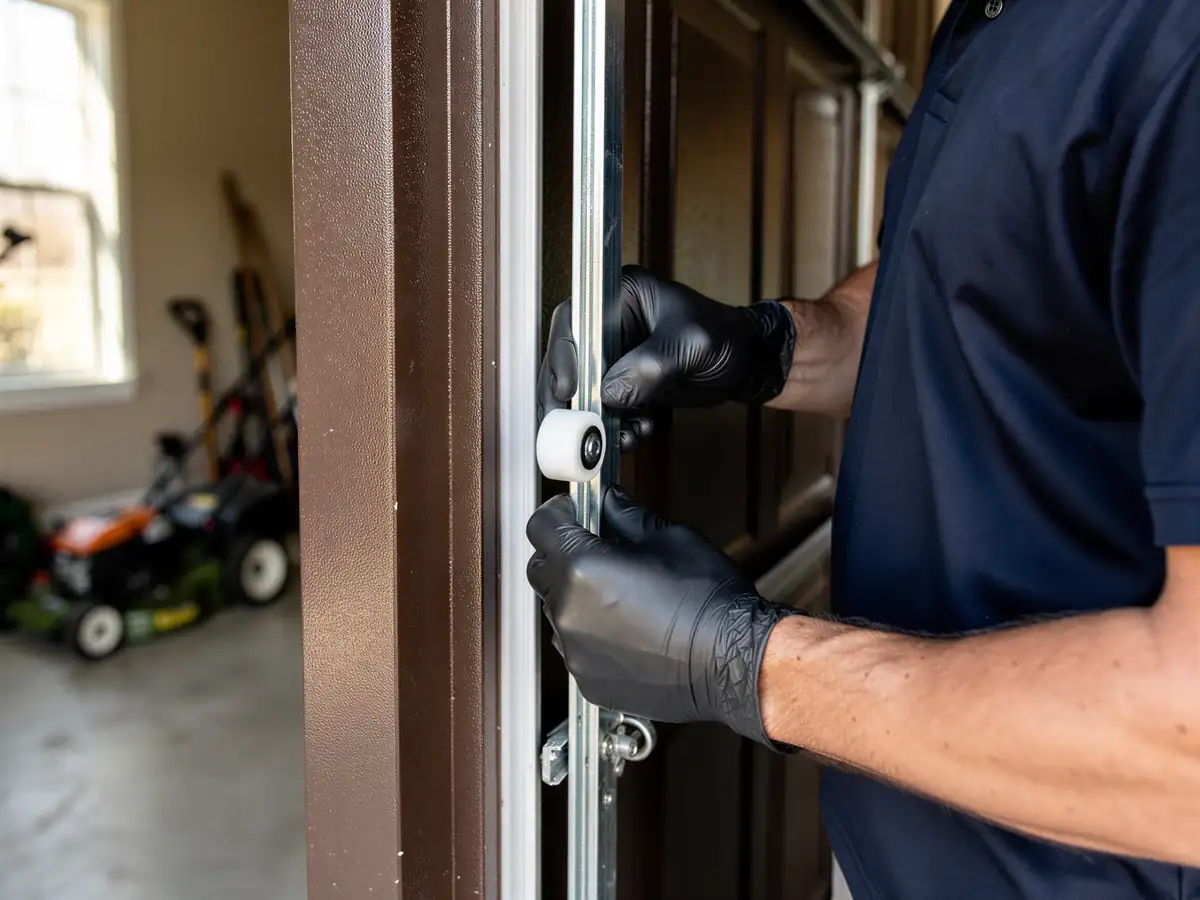
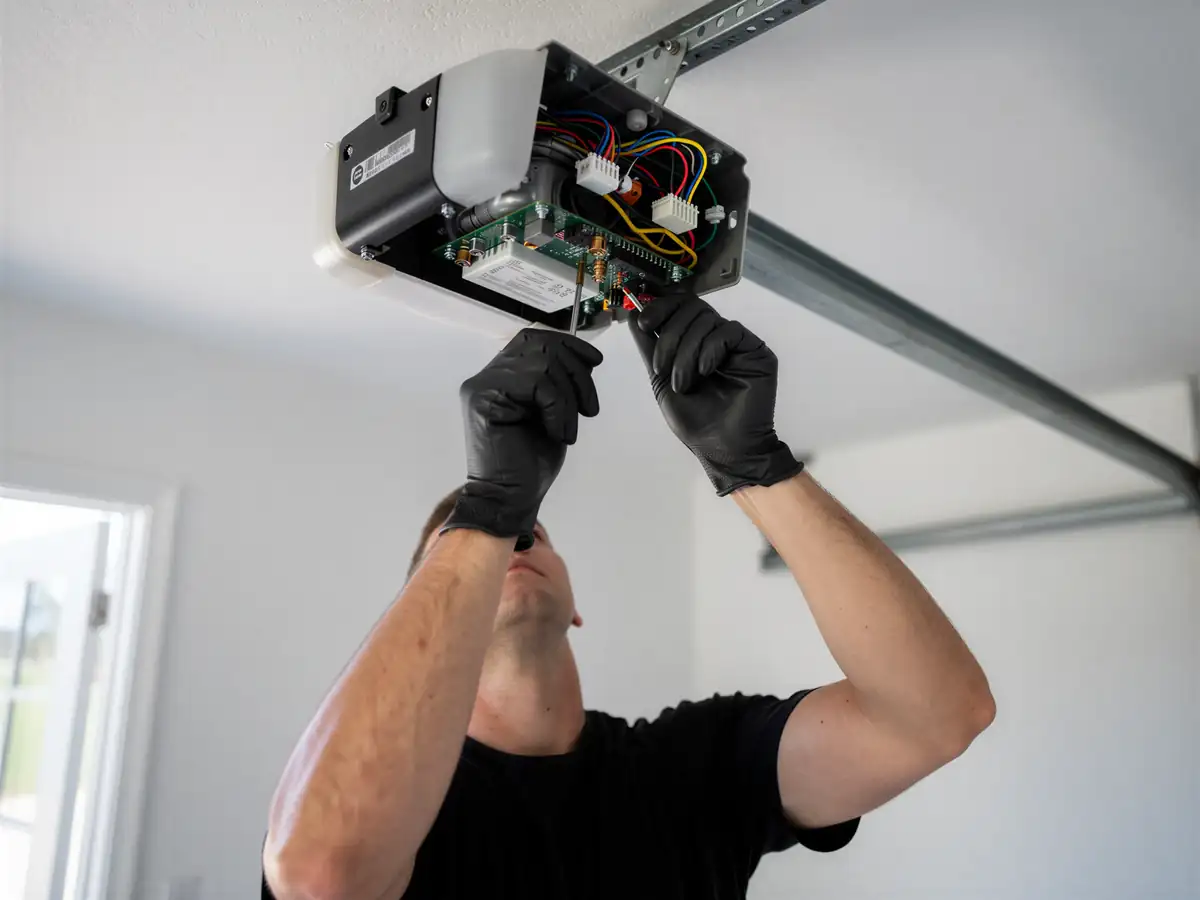
What we don't recommend doing yourself: opening the opener housing to work on the logic board, or anything involving the drive mechanism while the door is under spring tension. The motor unit itself is low voltage and low risk to touch, but a door that drops while you've got the opener disengaged is not a minor mistake - it's the heaviest moving object in most houses. If the opener is dead and the door won't move at all, don't force it by hand repeatedly trying to diagnose the problem; that's how a cable or roller gets added to the job.