The Symptom
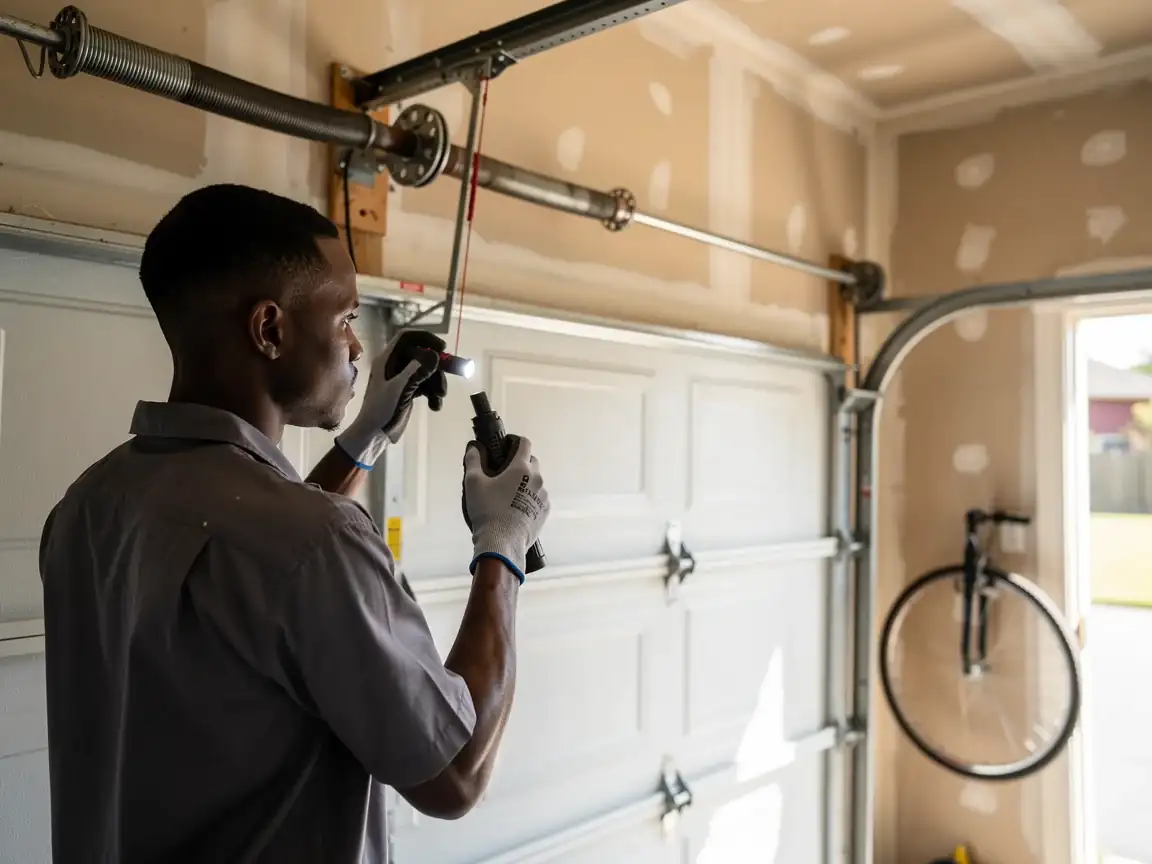
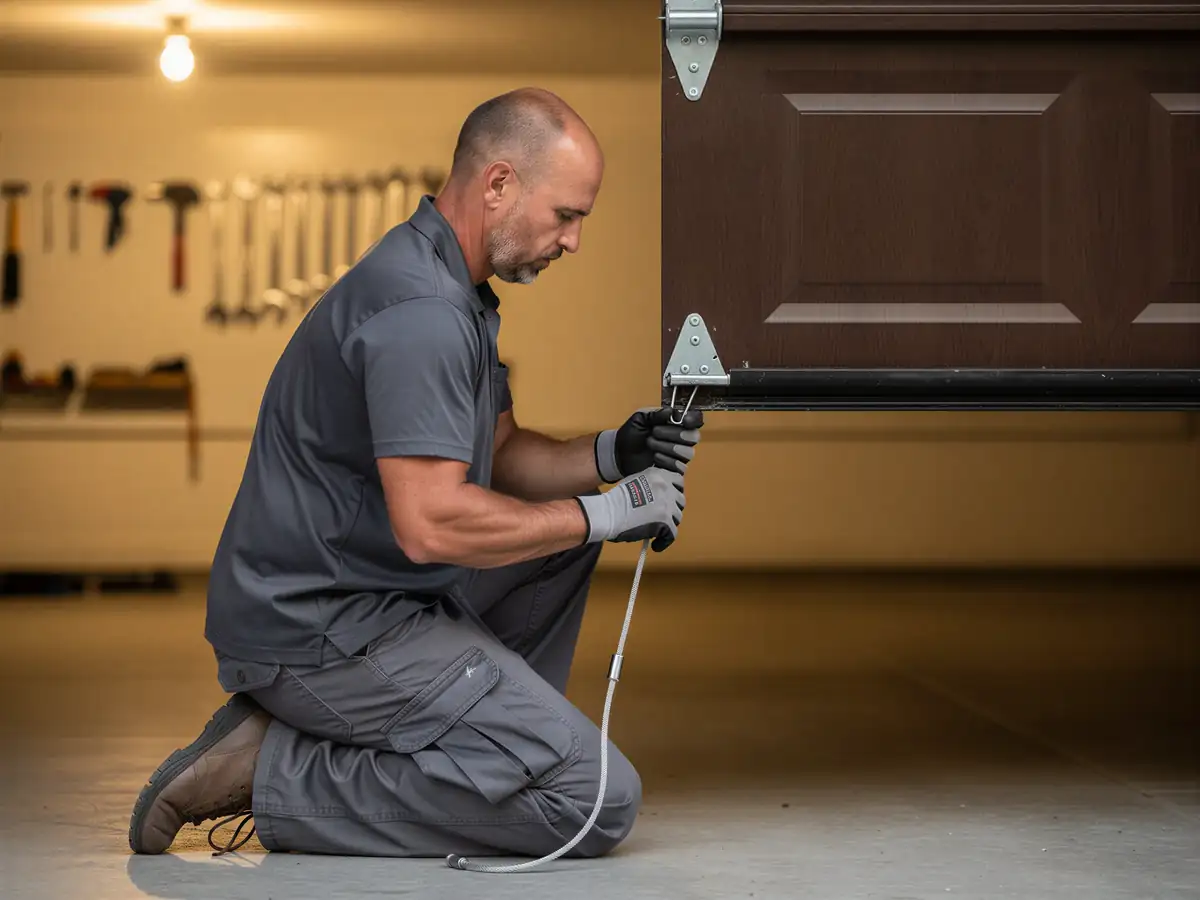
You hit the button and the door groans, jerks, or stalls halfway up. Sometimes it reverses on its own before it touches the floor. Sometimes the opener runs but the door doesn't move at all, which usually means a cable or spring let go and the opener is just spinning against dead weight. Other times it's quieter than that - a door that used to close flush now leaves a gap at the bottom corner, or the whole panel shudders on the way down instead of gliding.
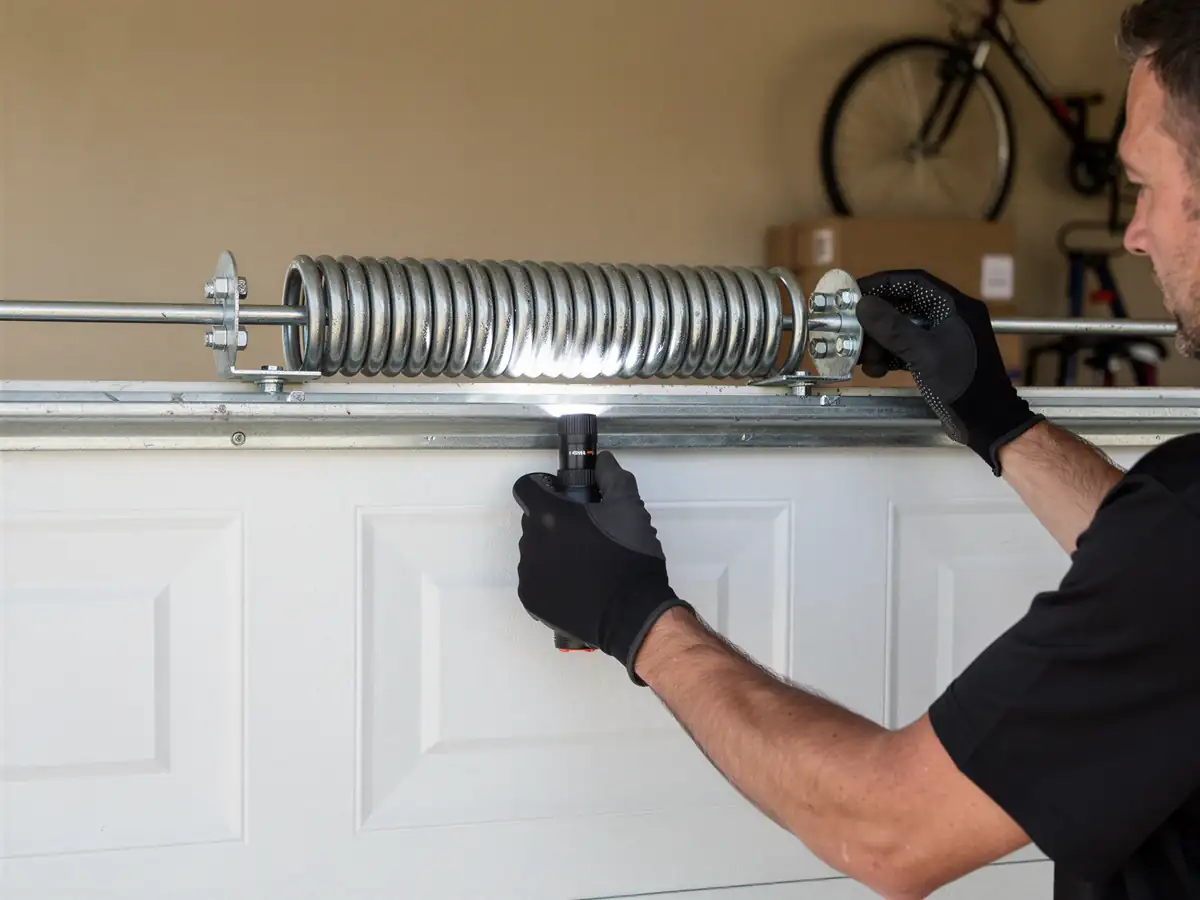
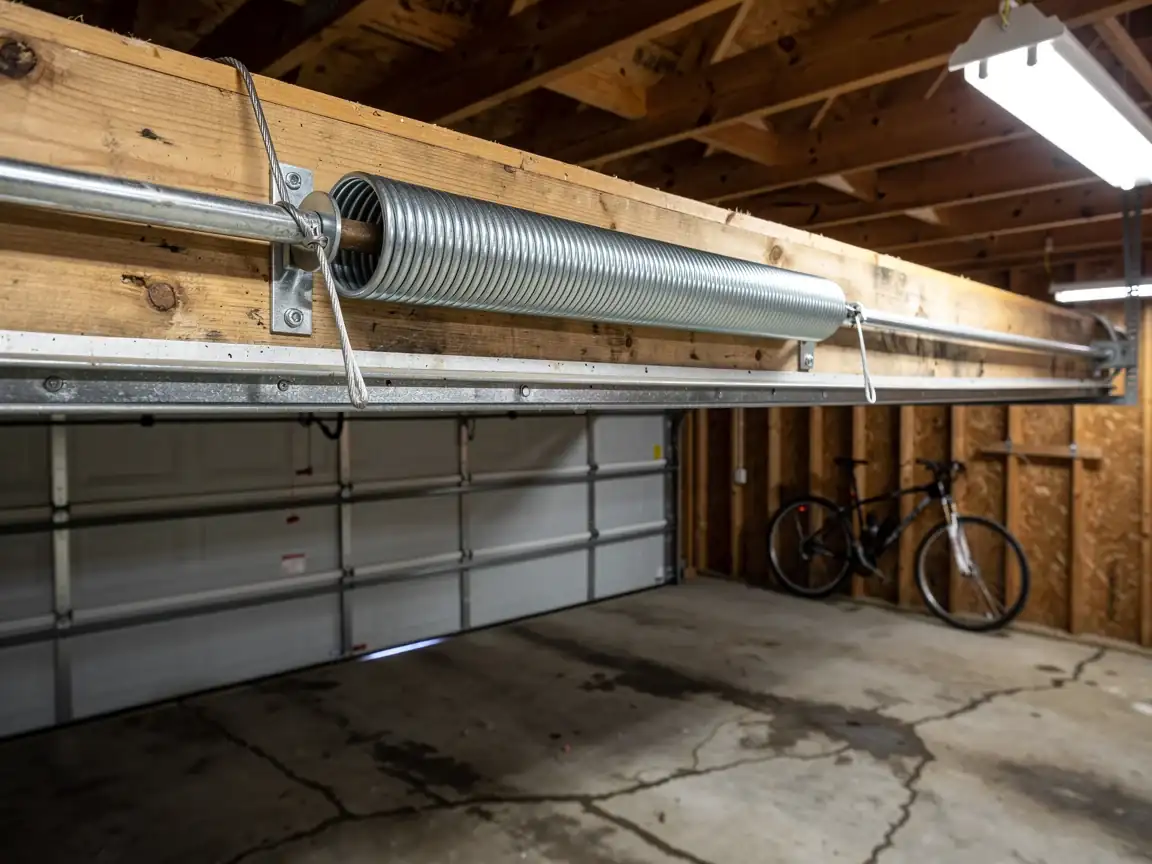
None of these show up out of nowhere. They're wear patterns, and in a service area where most houses went up between 1961 and 2007 - with a heavy concentration from the 1980s and 90s build-out across the 19 named areas we work in - a lot of doors are now carrying original or first-replacement hardware that's simply aged out. Torsion springs rated for a certain number of cycles don't warn you before the last one. They just snap.
We're not guessing at symptoms over the phone. What we see on the truck tells us whether this is a ten-minute adjustment or a full hardware swap, and the age bracket of the house is usually our first clue before we even open the garage.
Why This Fails Locally
Fayetteville sits in a cold-moderate climate band
Which means the garage sees real temperature swings across the year without the deep-freeze extremes that force everyone to over-build. That in-between weather is actually harder on steel springs and lubricant than a steady cold climate would be - metal expands and contracts through more cycles per year, and grease that's fine in April gums up by August. On a door that's already 20 or 30 years old, that cycling accelerates fatigue in the spring coils and the roller bearings.
- 30 years
Add in the housing stock itself
Homes built in the 1980s and 90s median around 1988 often shipped with single torsion springs sized for the door weight at the time, not for a heavier insulated replacement panel a homeowner may have installed since. A heavier door on an old spring shortens its life fast. We also see a lot of original openers from that era still running - chain-drive units that have outlasted their gear sets and are straining the whole system every time they lift.
This isn't a Fayetteville-specific defect
It's what happens when a predictable housing era meets a climate that never lets the hardware settle into one condition for long.
How Long It Takes
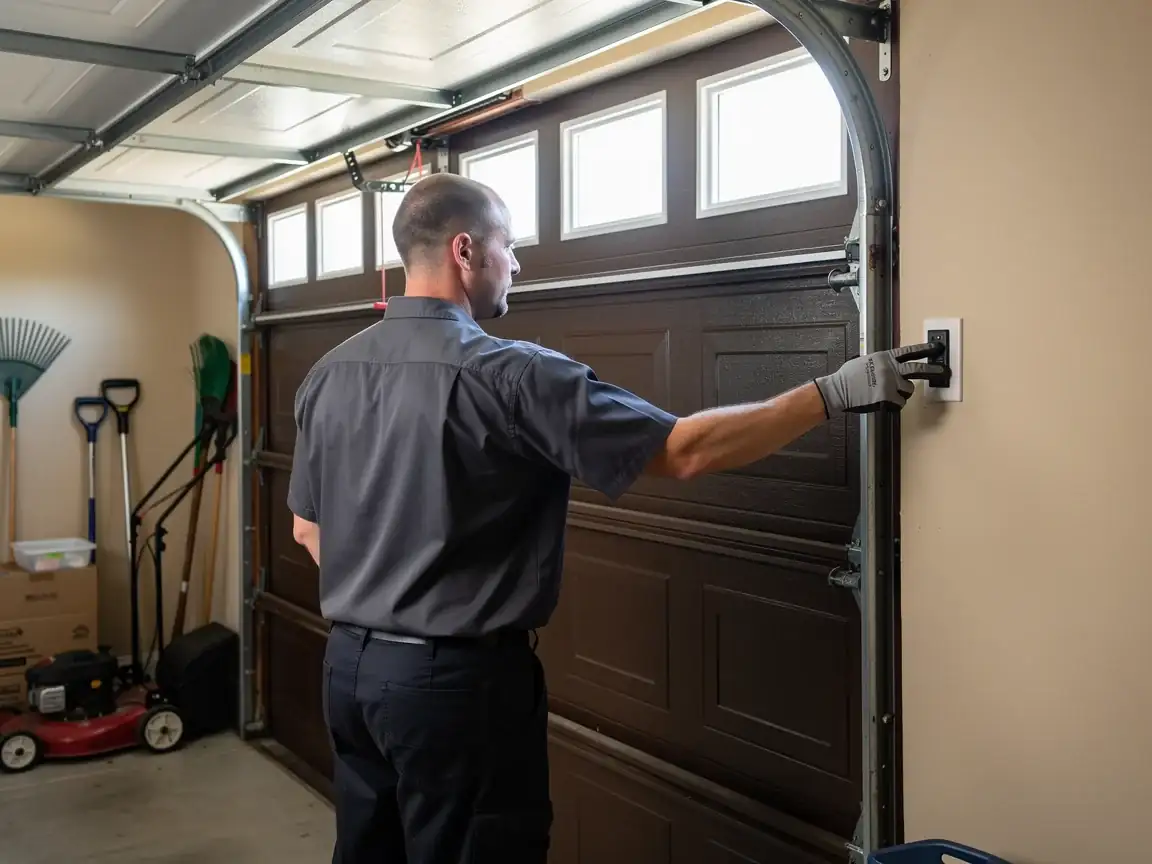
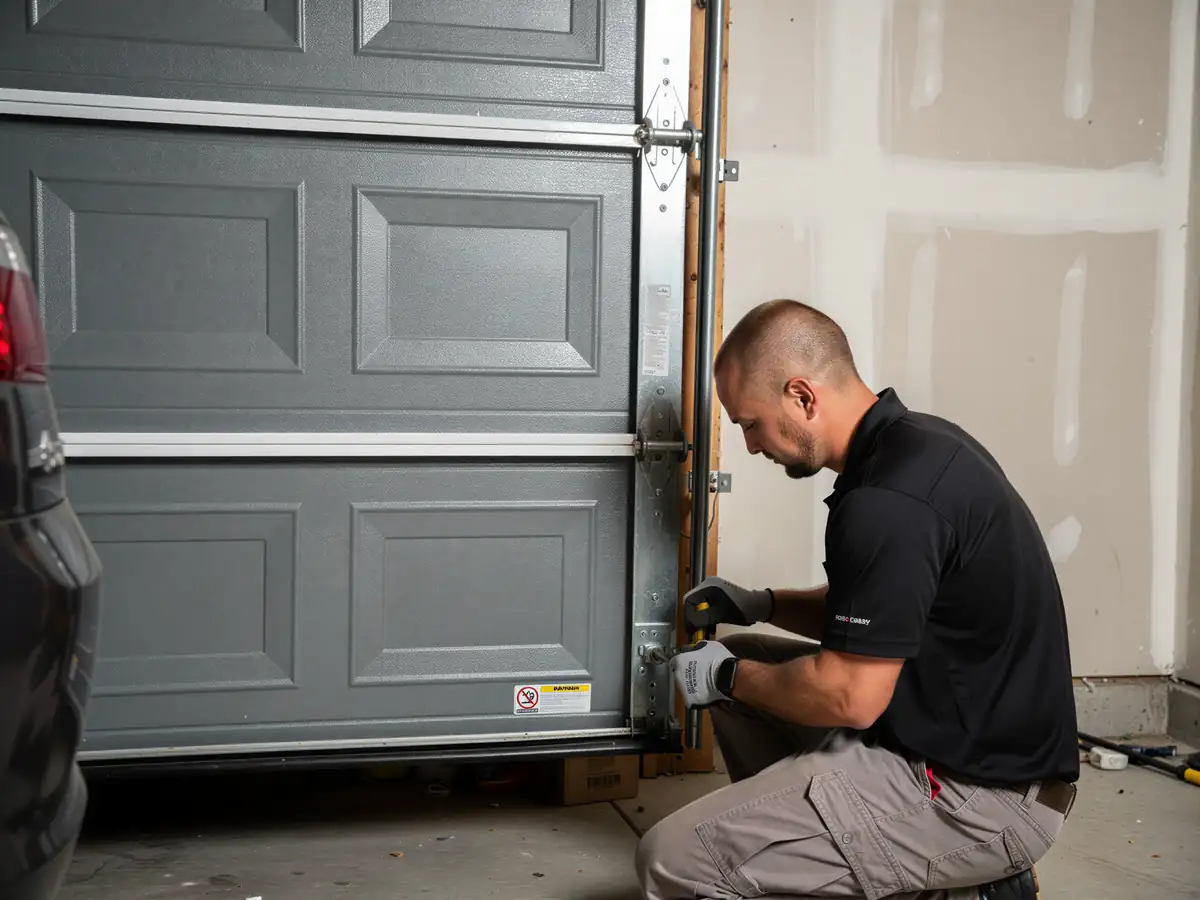
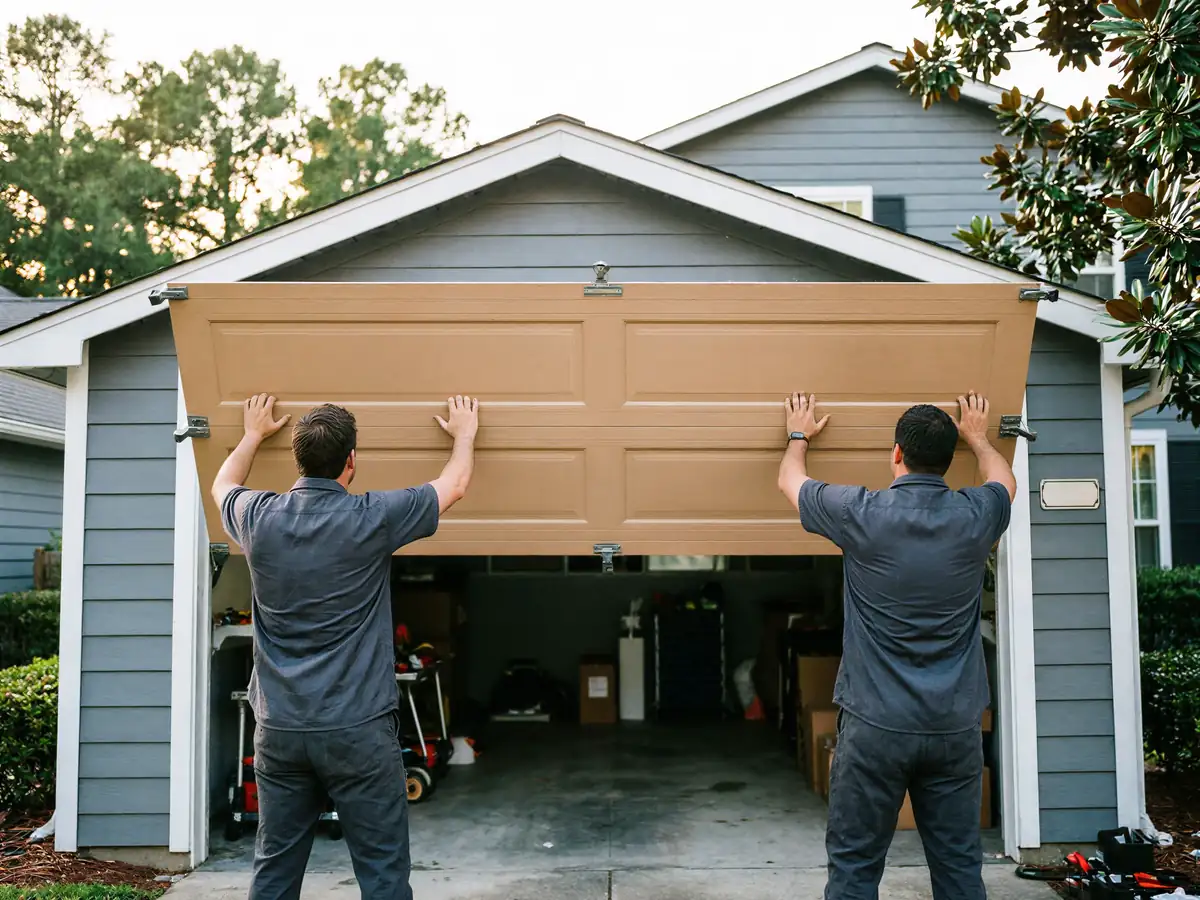
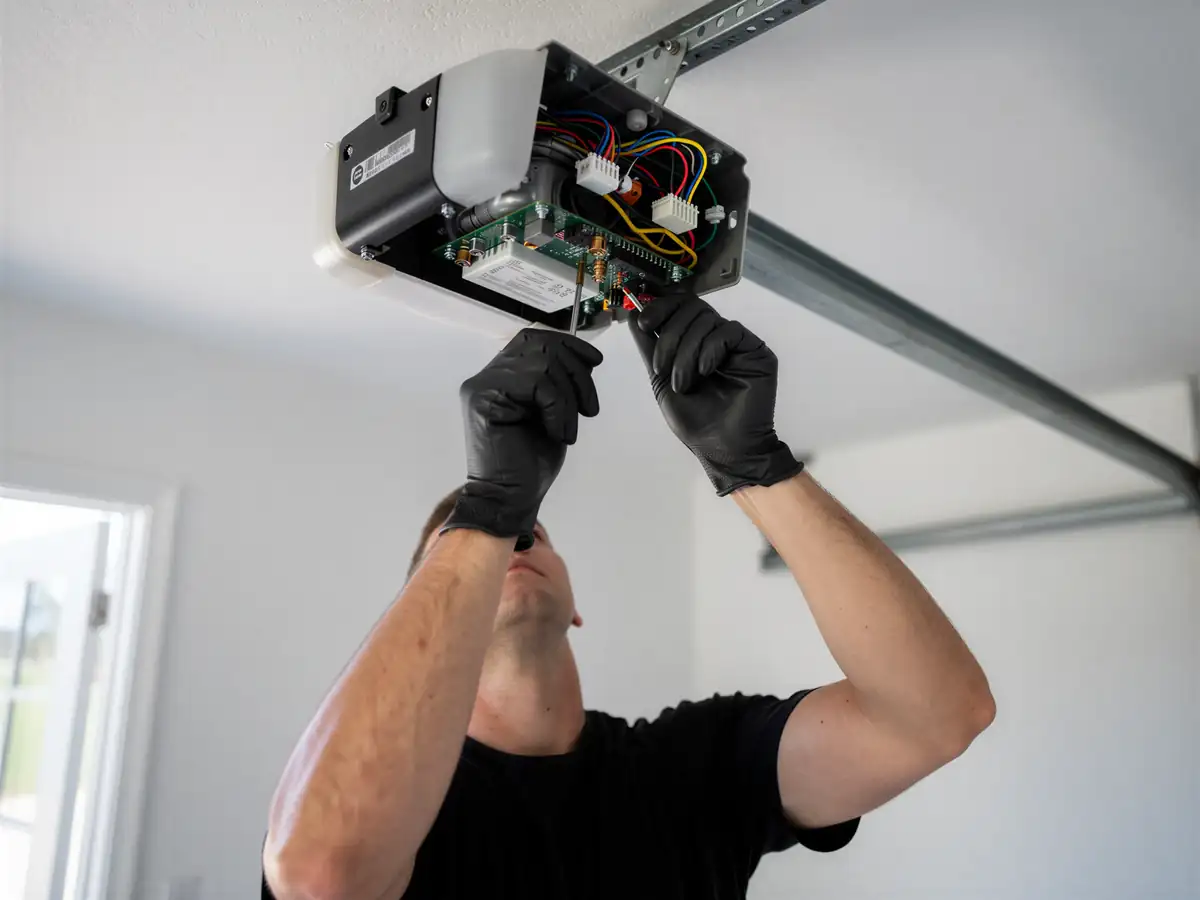
A straightforward spring replacement or cable job, once we're on site with the right spring size, usually wraps in under two hours. Opener issues take longer to diagnose than to fix in most cases - if it's a worn gear or a failing logic board, that's a part swap; if it's a wiring or sensor alignment issue from age and settling, that's adjustment time, not parts time.
What we can't shortcut is the diagnosis. On a house in the 1980s-90s bracket that's common across this service area, we're often finding more than one worn component at once - a spring near end-of-life and a set of rollers that should've been replaced years ago. We'd rather tell you that up front than have you call us back in three months for the part we saw but didn't flag.
The one thing that does stretch a job out: if a part isn't something we carry on the truck, say an opener board for a less common brand, getting it can add a day or more. We'll tell you at the door, not after we've already started.
Can You Do This Yourself
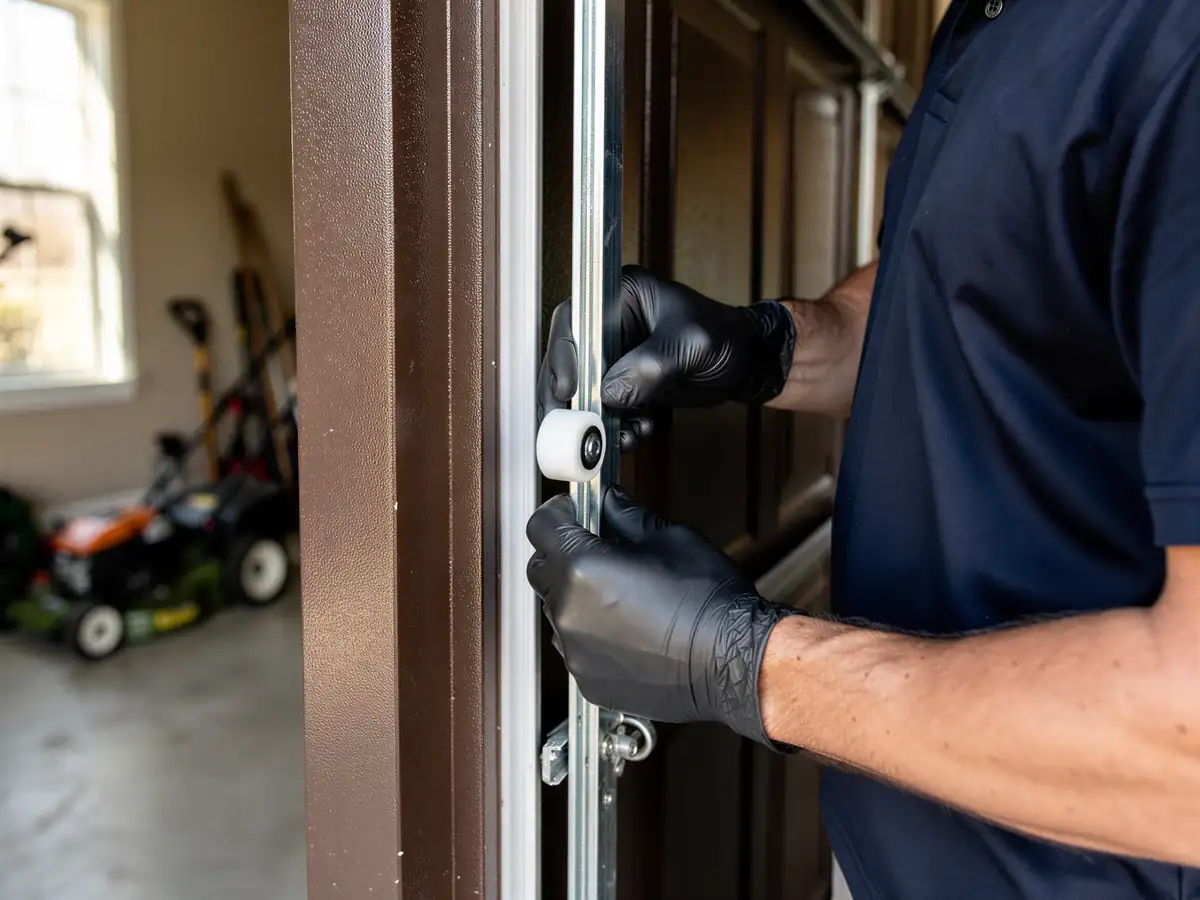
Tightening loose hardware, lubricating tracks and rollers, and checking that photo-eye sensors are aligned are all reasonable DIY tasks, and doing them a couple times a year will genuinely slow down the wear we described above.
What we don't recommend doing yourself is anything involving the torsion spring. These are under enough tension to cause serious injury, and the tools to wind or unwind them safely aren't something most homeowners have sitting in the garage. If your door won't move, the opener is straining, or a cable looks frayed, that's a call, not a weekend project.
Our honest limitation here: we don't do cosmetic panel work or fiberglass door fabrication - if a panel is dented but the door still runs fine mechanically, that's a different kind of job than what we handle, and we'll say so rather than take the work anyway.