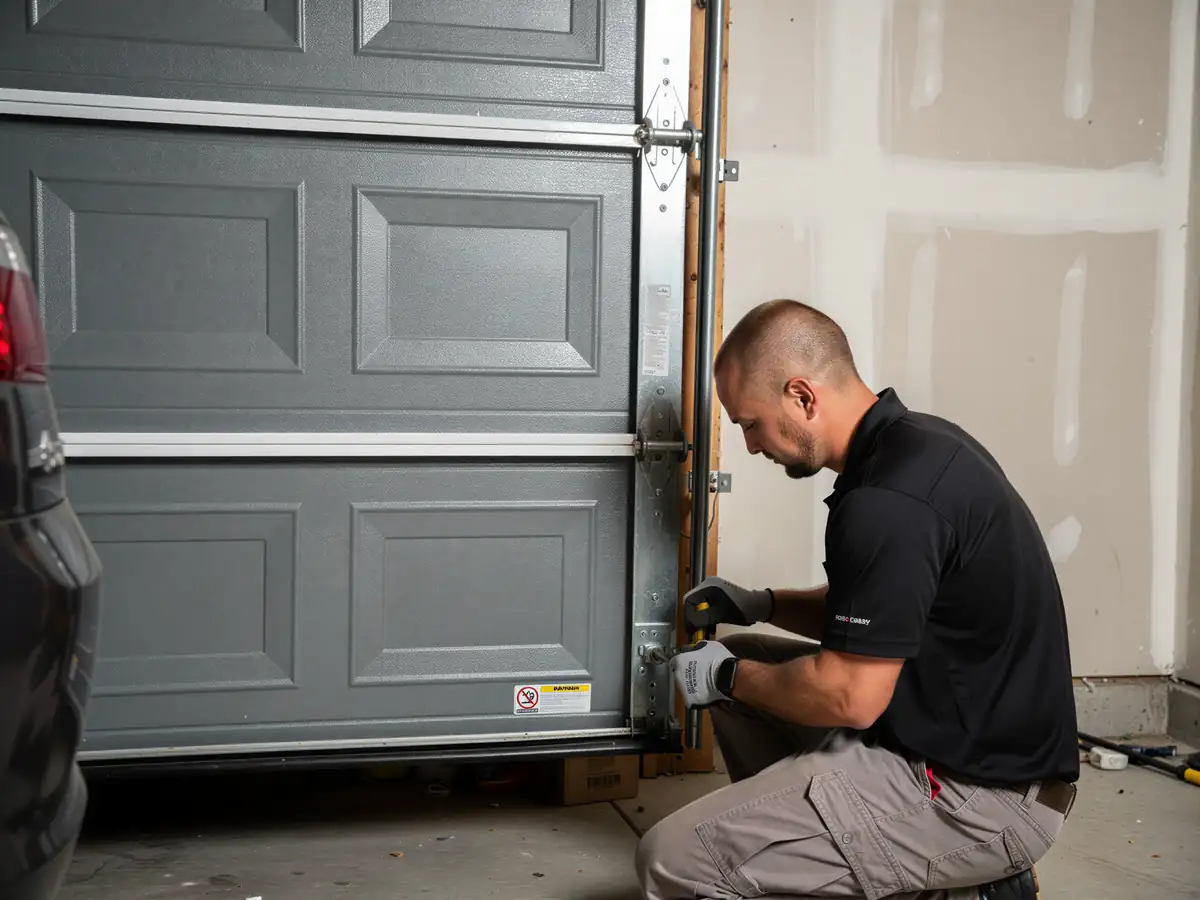
The Symptom
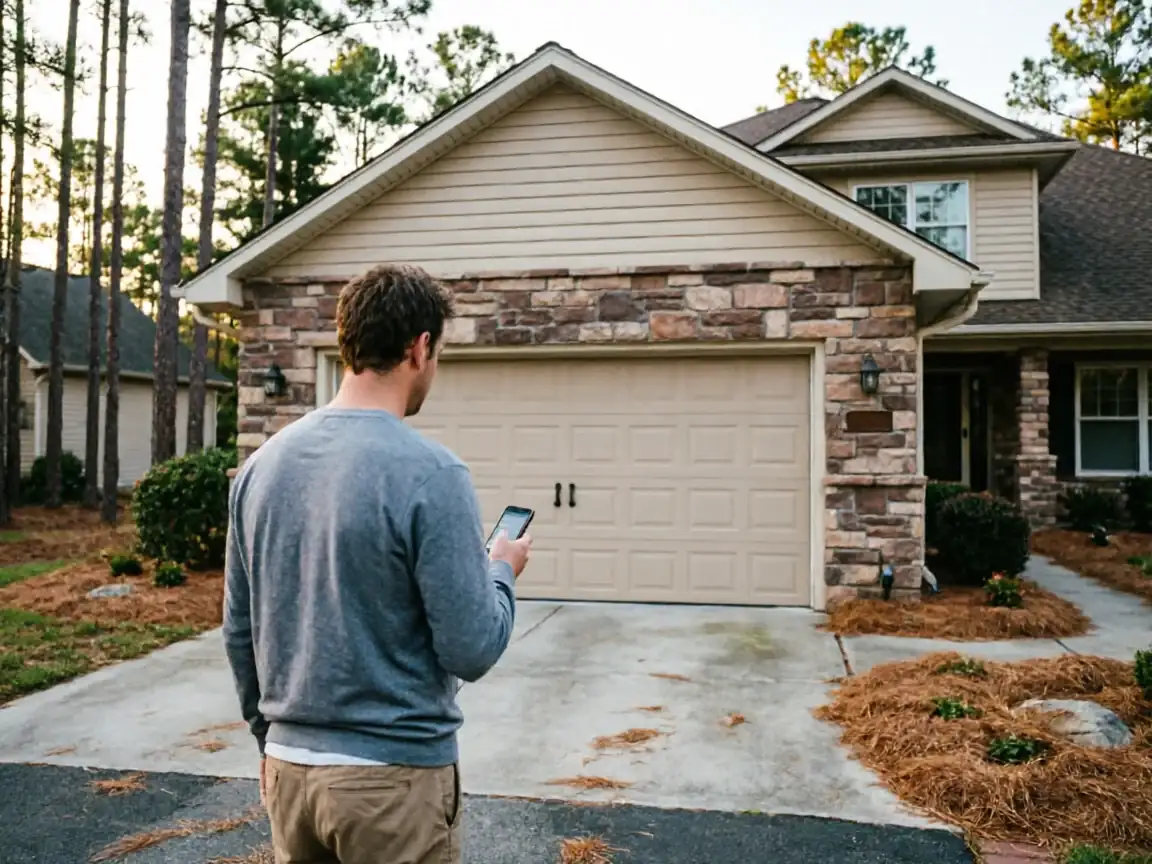
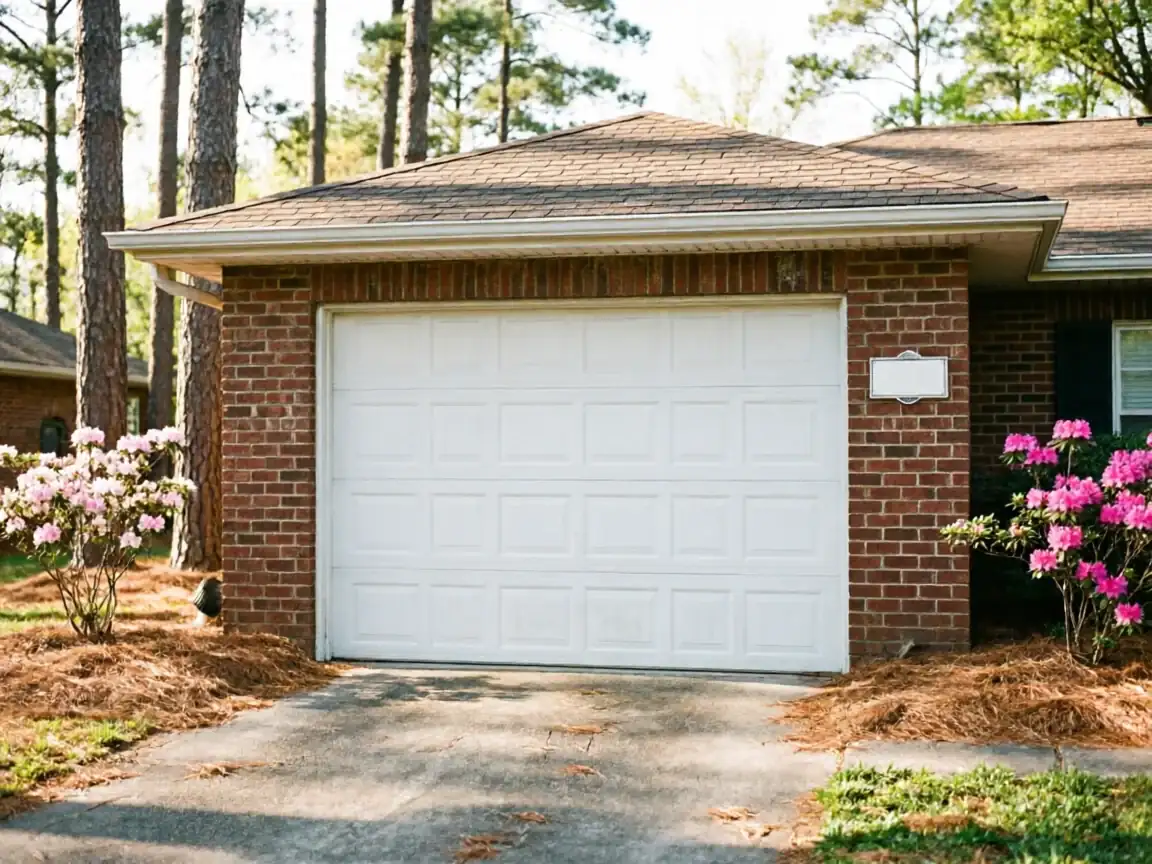
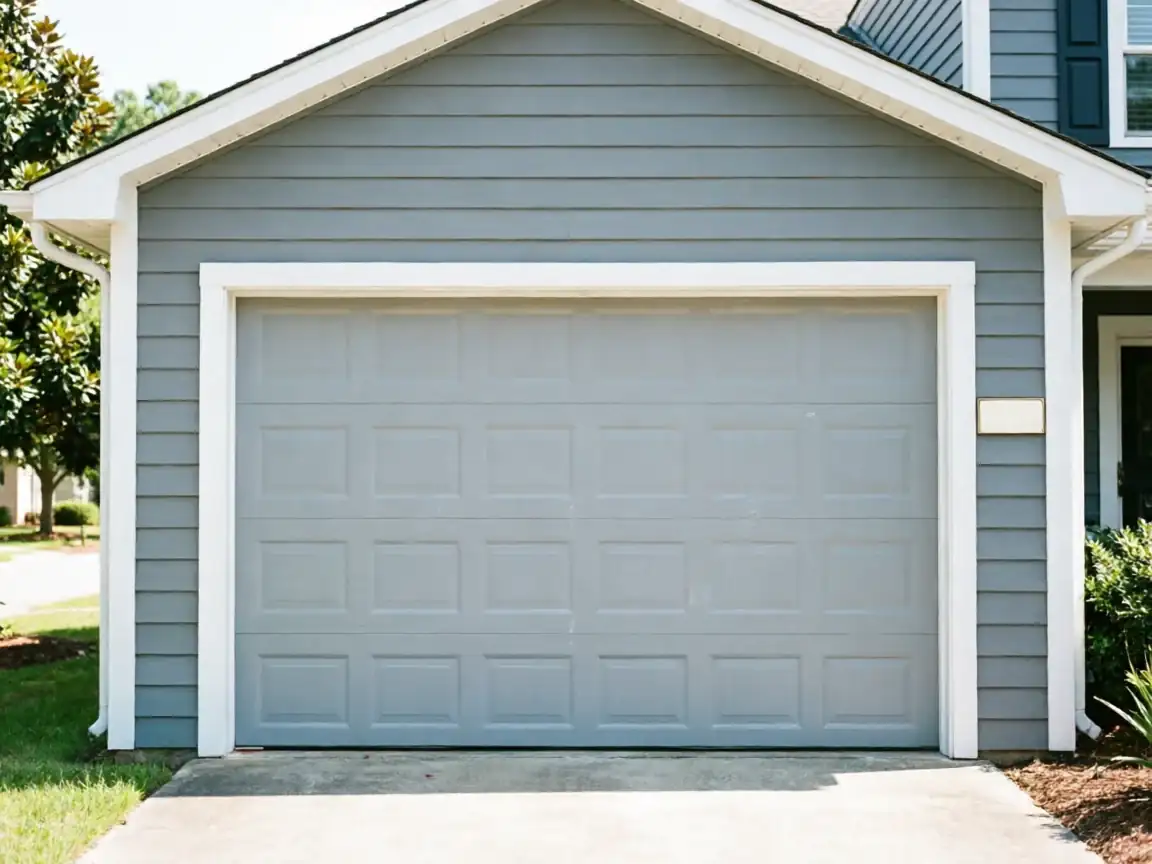
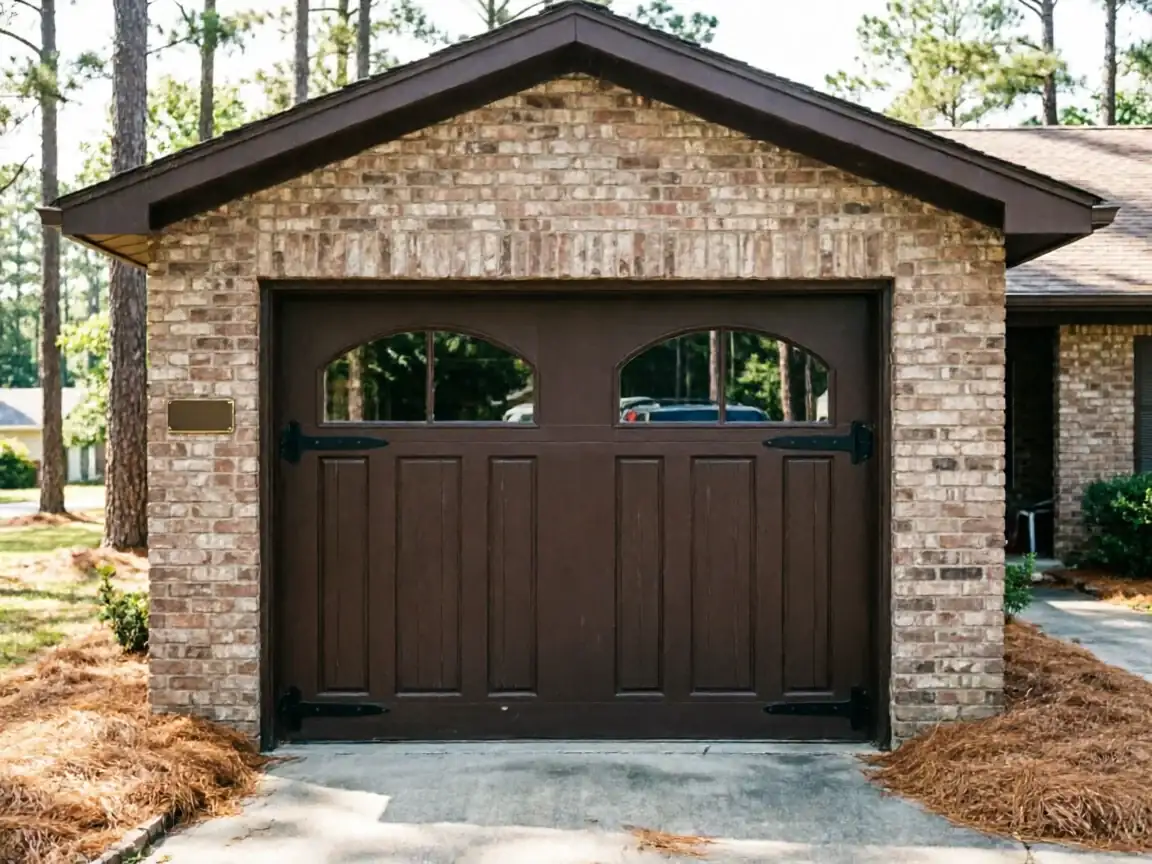
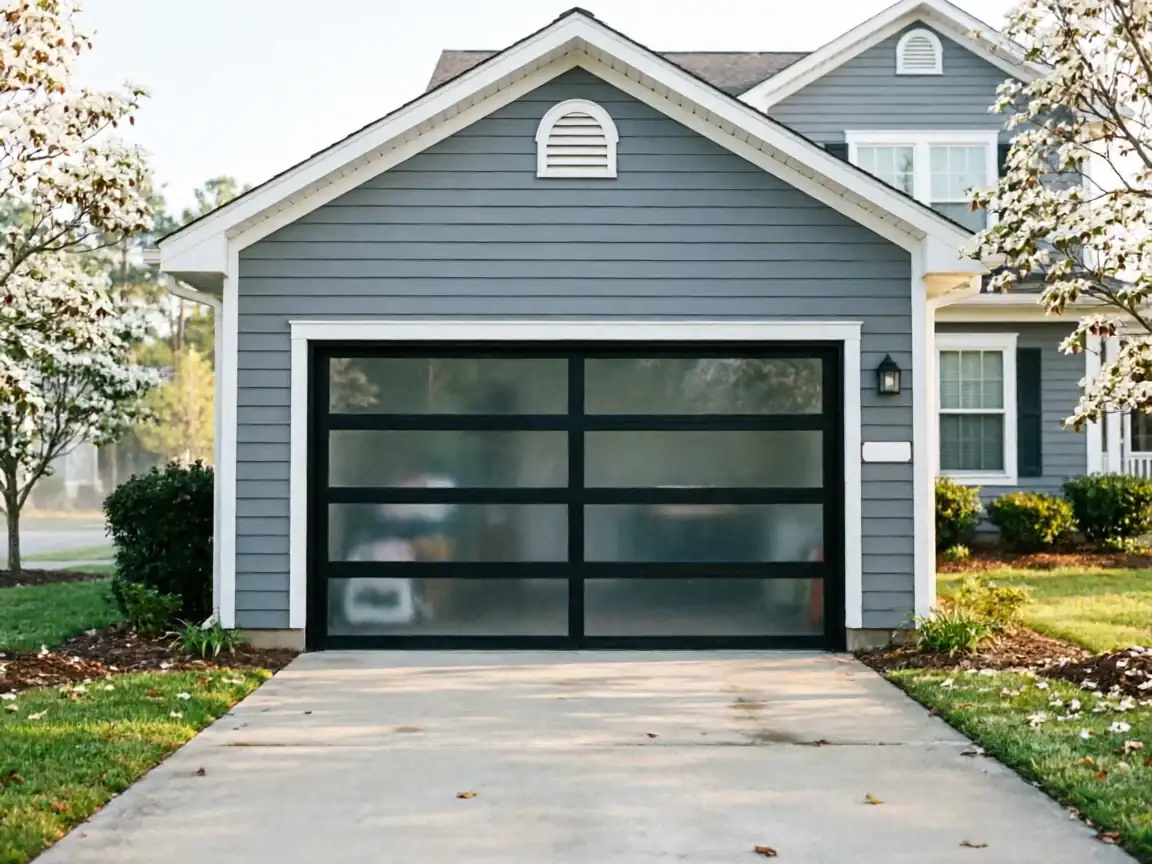
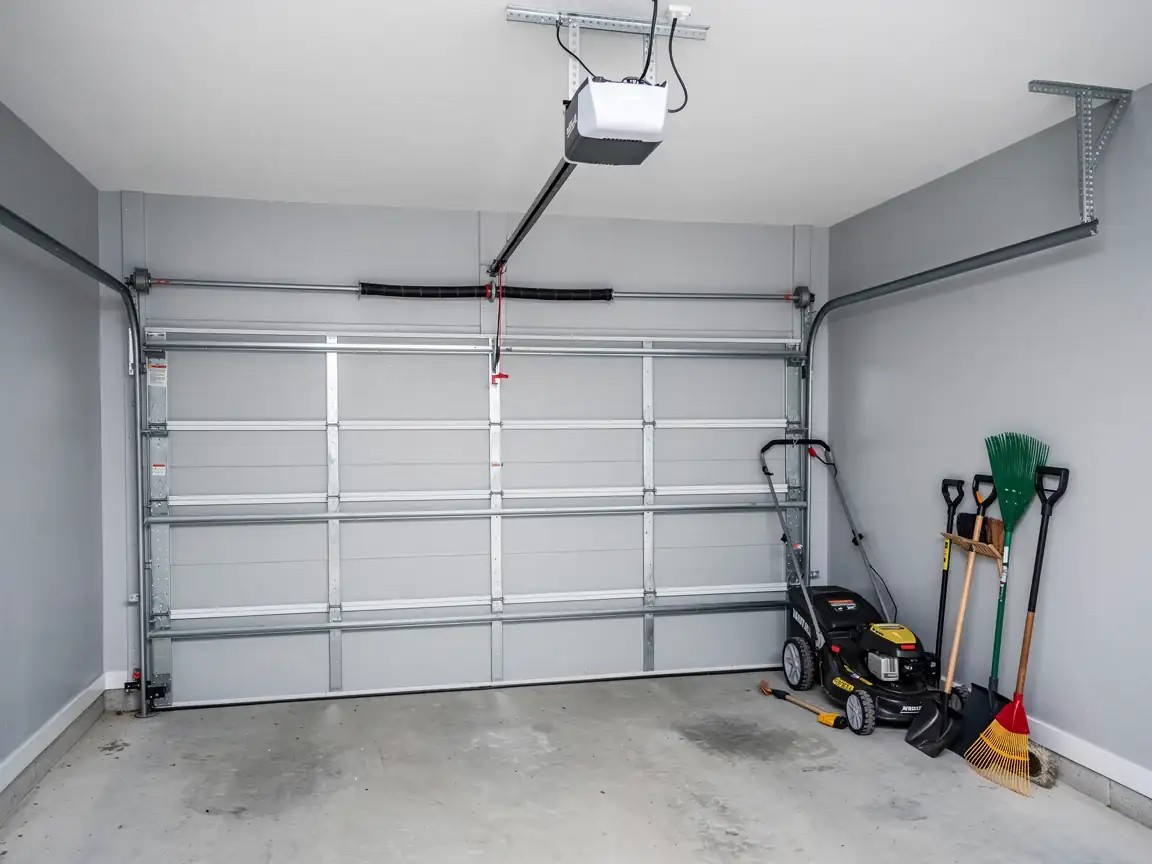
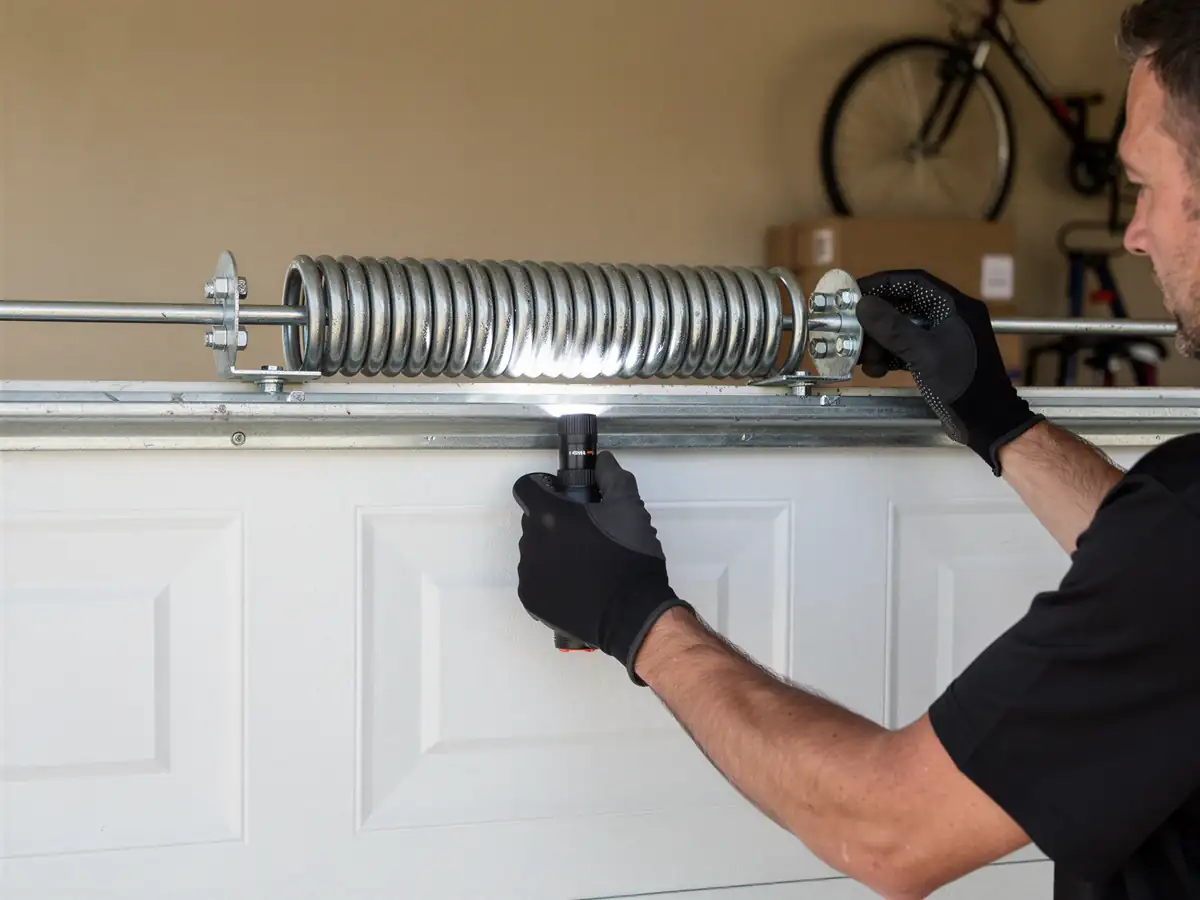
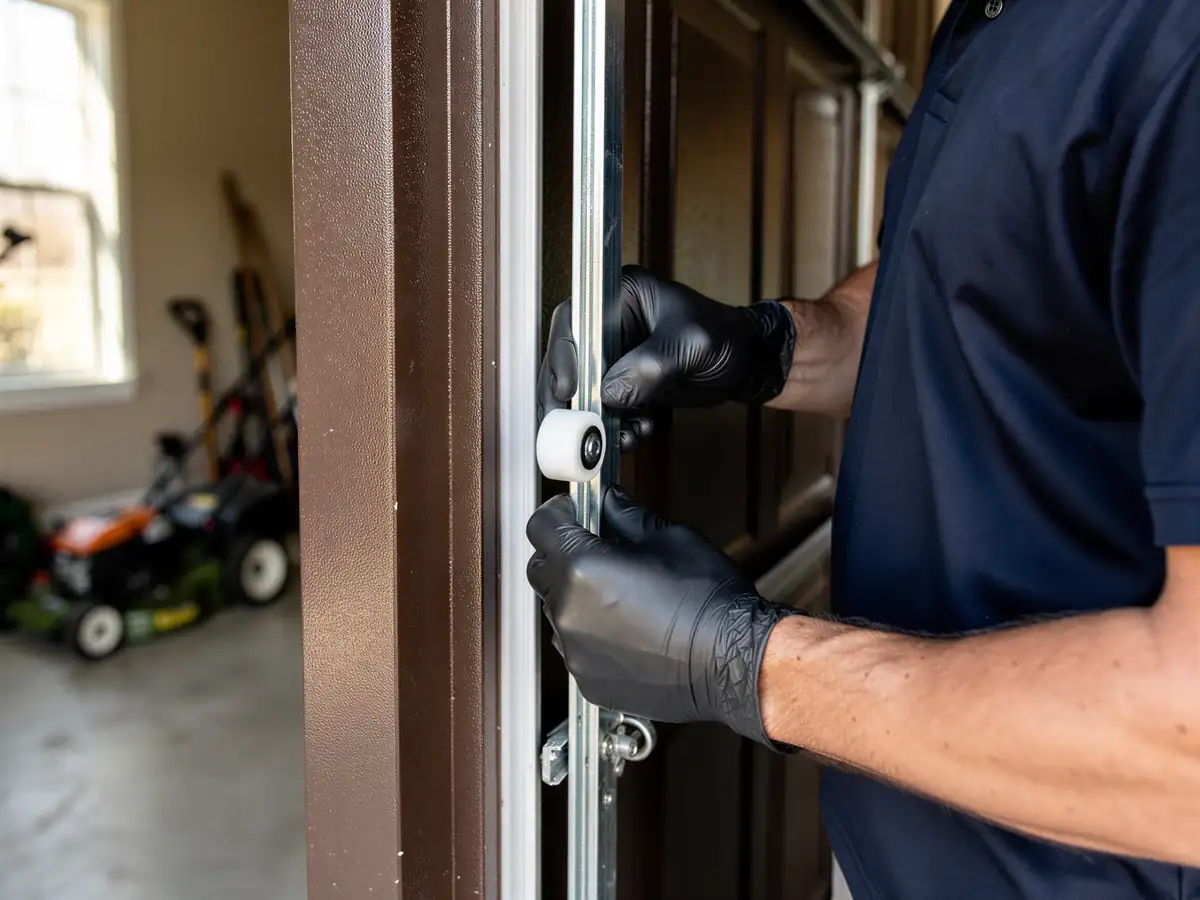
The door opens fine most of the year, then one cold morning it won't budge, or it starts partway up and the opener strains and clicks off. Sometimes it's a loud bang from the garage followed by the door refusing to move at all - that's usually a torsion spring letting go. Other times it's a slow creak and a door that sags on one side as it travels, which points to a roller or cable giving out rather than the spring itself.
We hear a version of this call constantly in Fayetteville: the door was working, then a hard freeze or a run of cold mornings and it wasn't. Owners often think they did something wrong, or that the opener is bad. Most of the time the opener is fine - it's trying to lift a door that the spring can no longer balance, and the motor just isn't built to do that job alone.
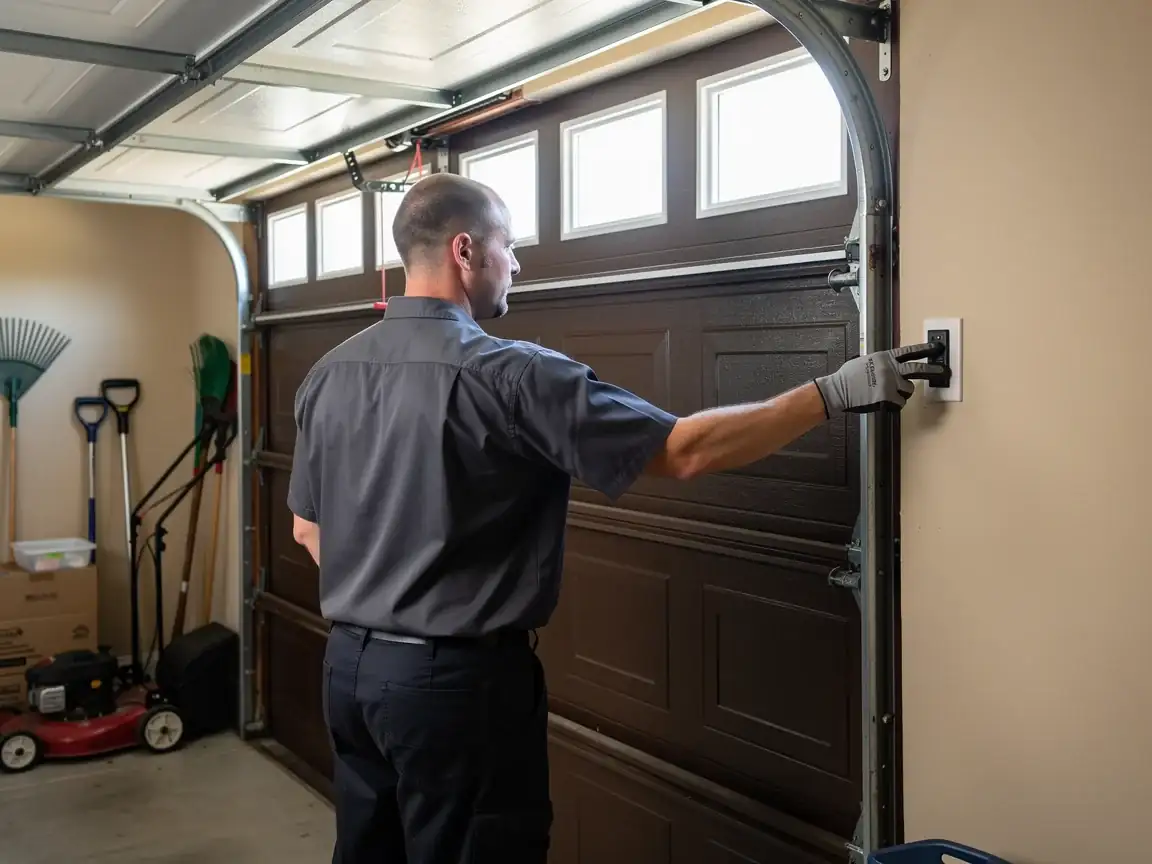
If your door has gotten noticeably heavier to lift by hand, or the opener has started reversing on its way down, that's the same failure showing up before the spring fully breaks. Catching it there is cheaper than catching it after.
Why This Fails Locally
Most of the housing in the Fayetteville service area went up between 1961 and 2007
With the typical house dating to around 1988, and the bulk of that stock clusters in the 1980s and 90s across the 19 communities in this area. That means a lot of original torsion springs and steel panel doors are now pushing past the thirty-year mark - older than the springs were ever rated to last, even with decent maintenance.
- 19 communities
Fayetteville sits in a cold moderate climate band, not the deep freeze you'd get farther north
But enough of a seasonal swing that steel contracts, grease stiffens, and galvanized coatings that have been fine for twenty years start to show rust at the coil ends. That combination - an aging spring and a real temperature swing - is what turns a quiet door into a broken one almost overnight. It's not that the door failed for no reason. It's that the metal had been losing tension gradually for years, and the cold finally found the weak point.
Across the area's roughly 40,897 households and 18,505 owner-occupied houses
This is one of the most common reasons a garage door stops working in winter: not something new installed wrong, but original hardware finally reaching the end of what 1980s and 90s steel can take.
- 40,897 households
- 18,505 owner-occupied
How Long It Takes
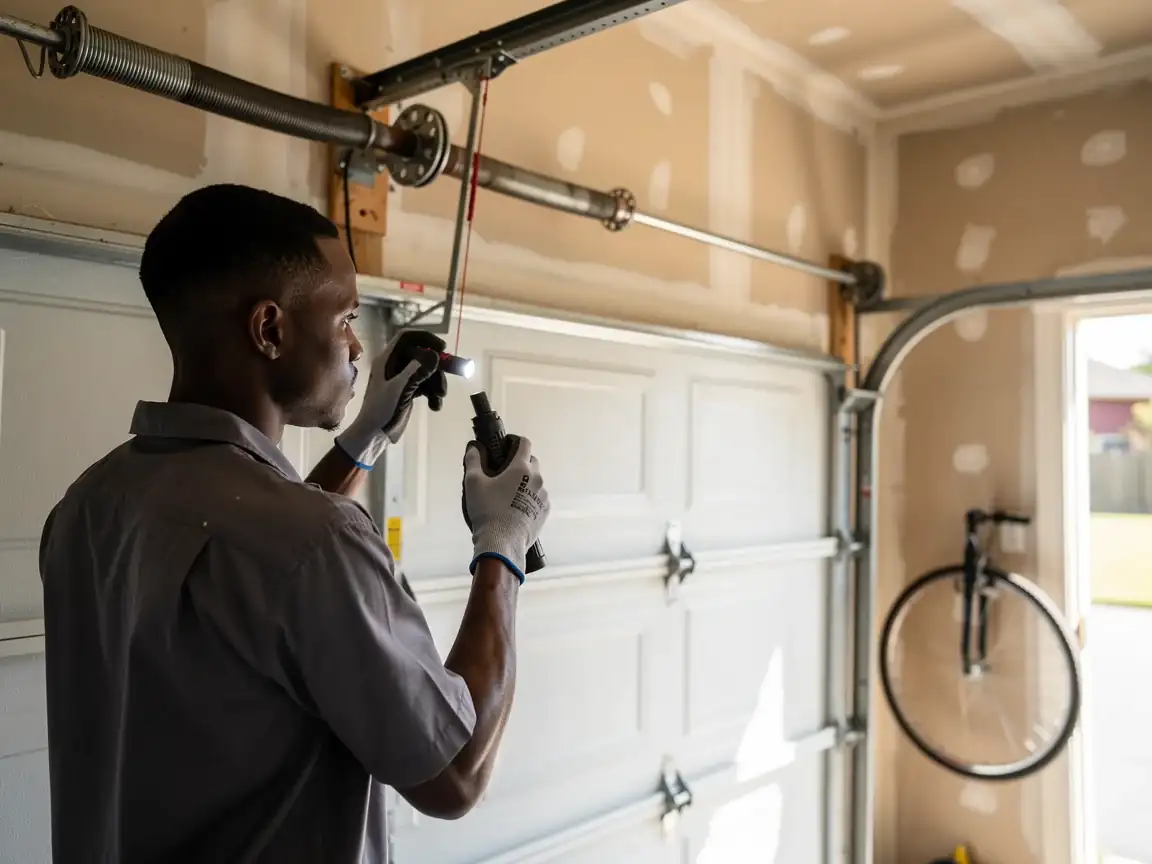
A straightforward torsion spring replacement on a single or double door is usually a same-visit job once we're on site - the spring itself doesn't take long to swap, the time goes into checking the drums, cables, and bearing plates that are the same age and often showing wear too. If the door is original to a house built in that late-80s window, we're usually looking at the whole torsion system, not just the one broken part, since the rest of it has seen the same thirty-plus years.
Roller and cable repairs tend to be quicker since there's less to inspect around them. Where it slows down is when a panel is bent or the track is out of alignment on top of the spring issue - that's a longer job because we're fixing geometry, not just swapping a part.
We can't give you an exact number of minutes without seeing the door, since a door that's been limping along on a bad spring for months often has secondary wear we won't know about until we're looking at it directly.
Can You Do This Yourself
Don't touch the torsion spring yourself. It's wound under enough tension to break bones or worse if it lets go while you're working on it, and that's true whether the door is five years old or thirty-five. This is the one repair on a garage door where the cost of a mistake is not proportional to how simple the part looks.
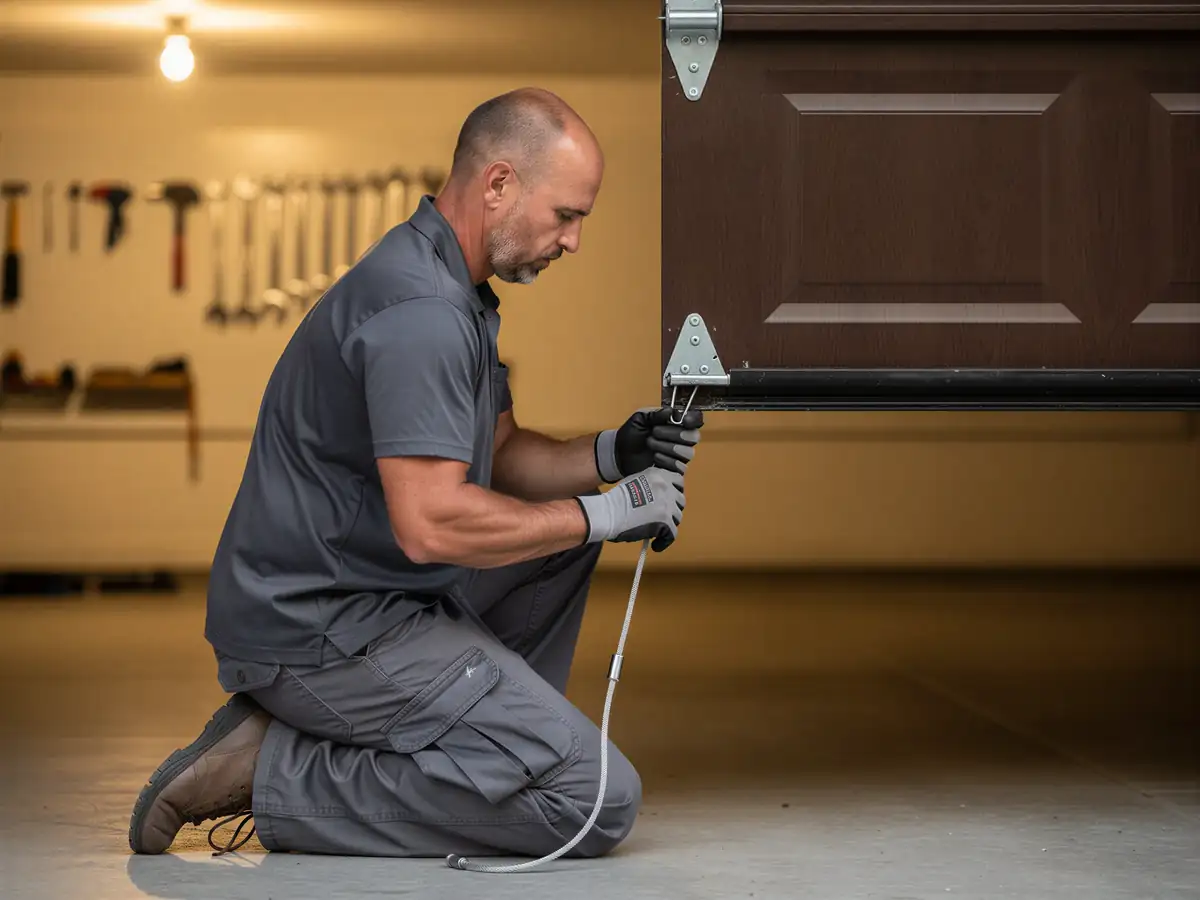
Rollers and the bottom bracket hardware are more forgiving if you're comfortable with basic tools, but even there, working near a wound spring while you do it carries the same risk. If your door is from that original 1980s or 90s build and has never had the spring replaced, assume it's original and treat it as fully loaded, not worn out and therefore safer.
The honest limitation here: we don't do cosmetic panel touch-ups or paint-matching on older doors - if a panel is dented but the door still runs true, that's a job for a body shop or a new panel order, not something we spend a visit on. We're here for the door working, not the door looking new.