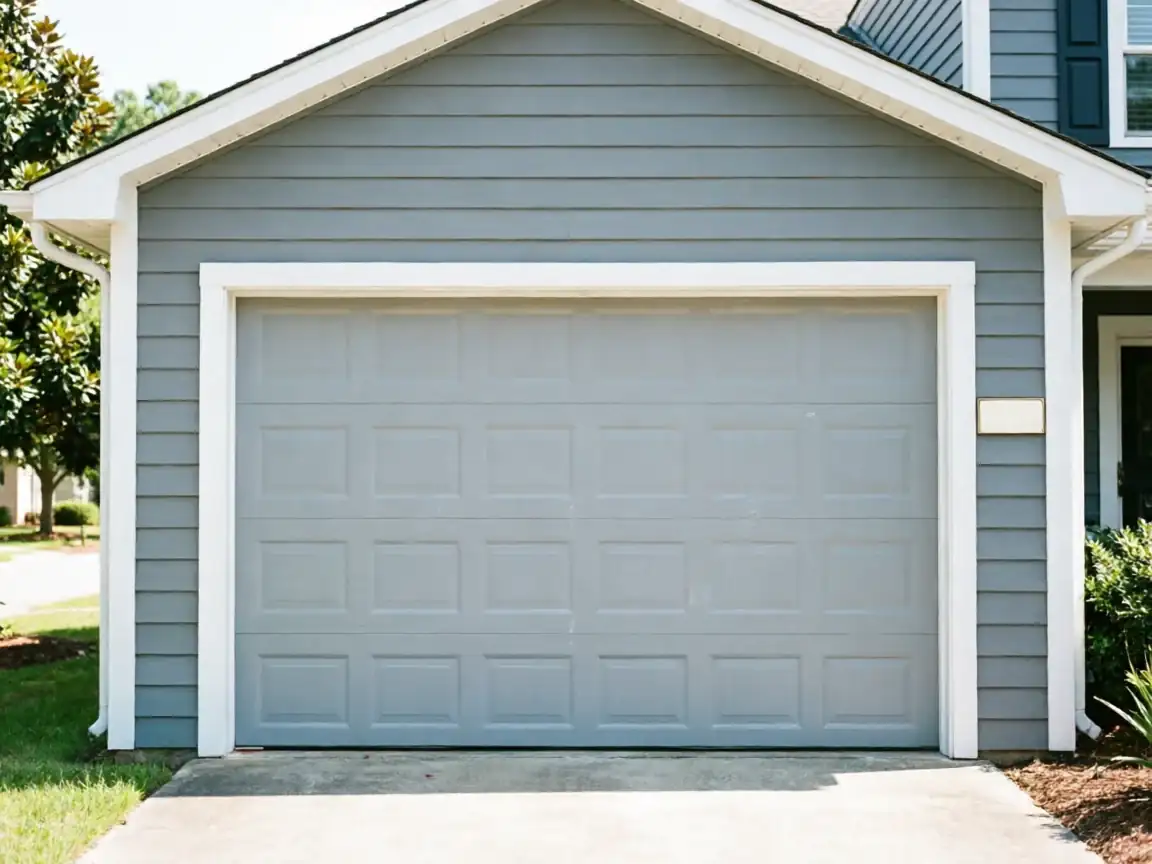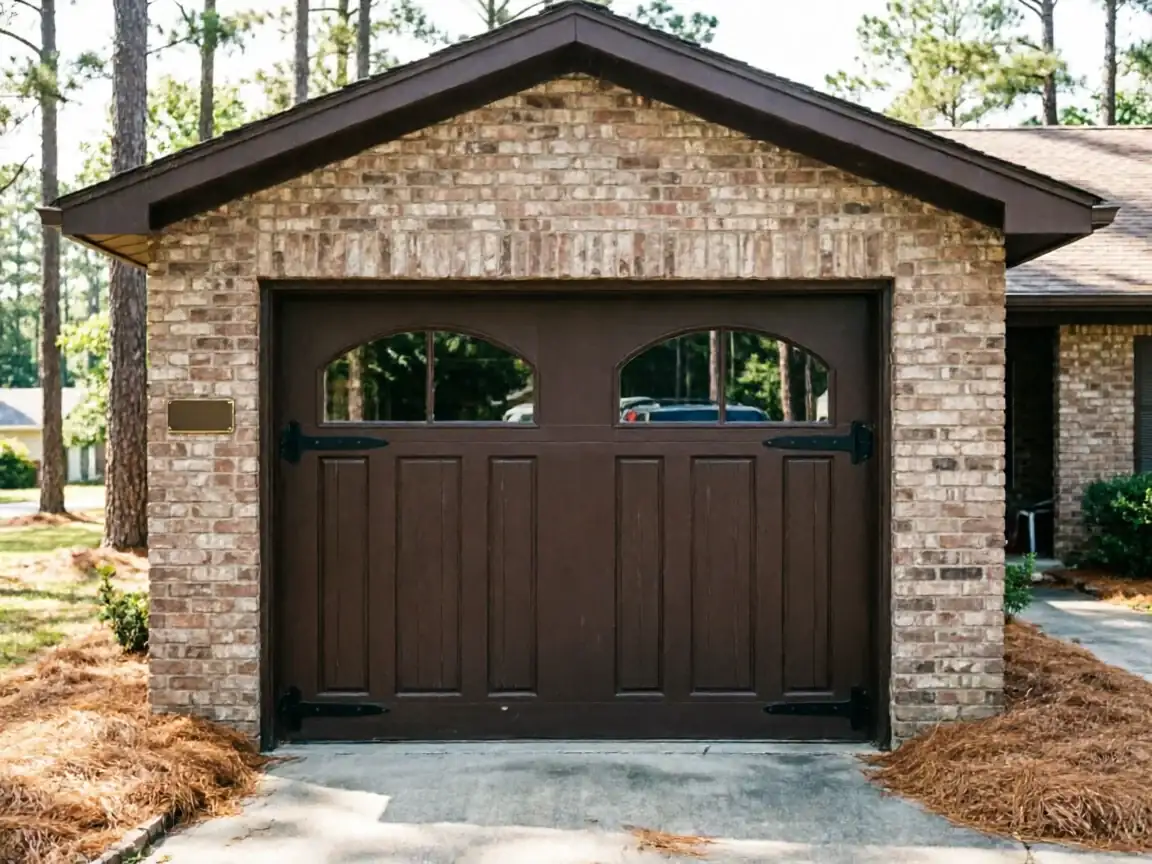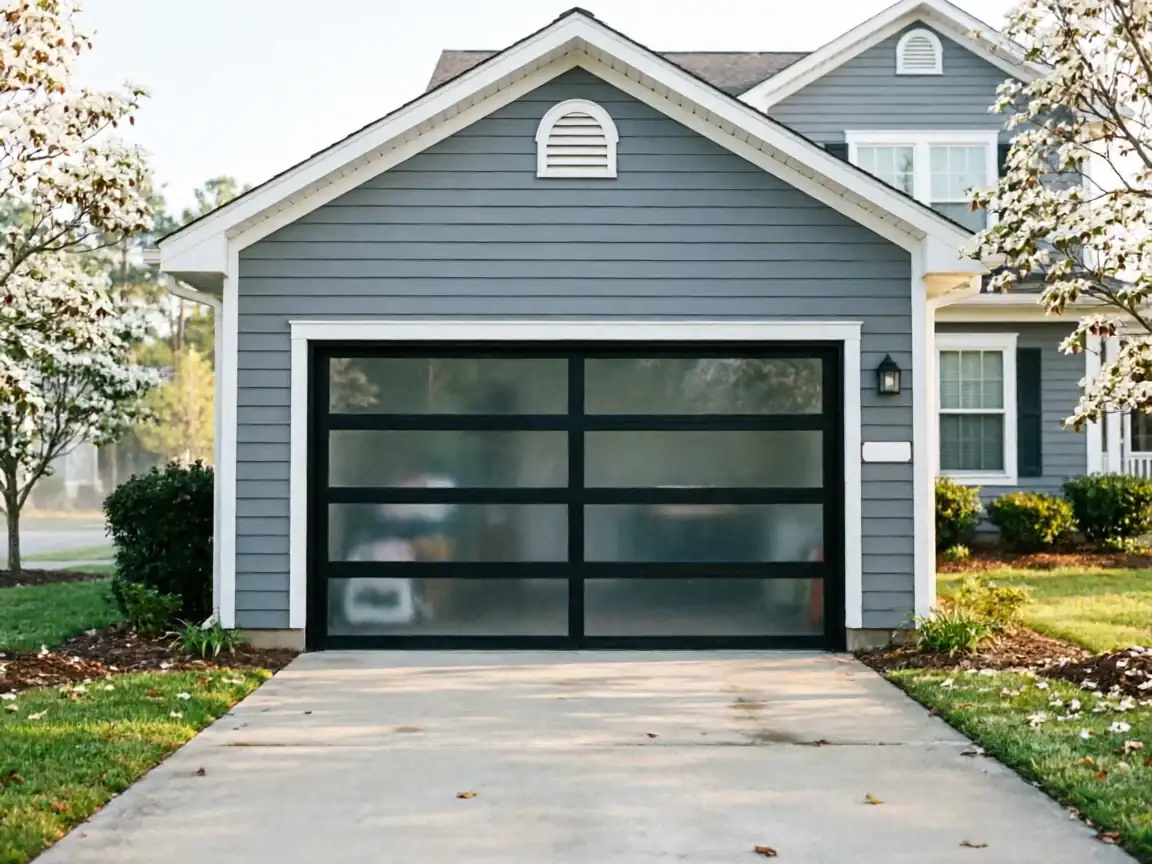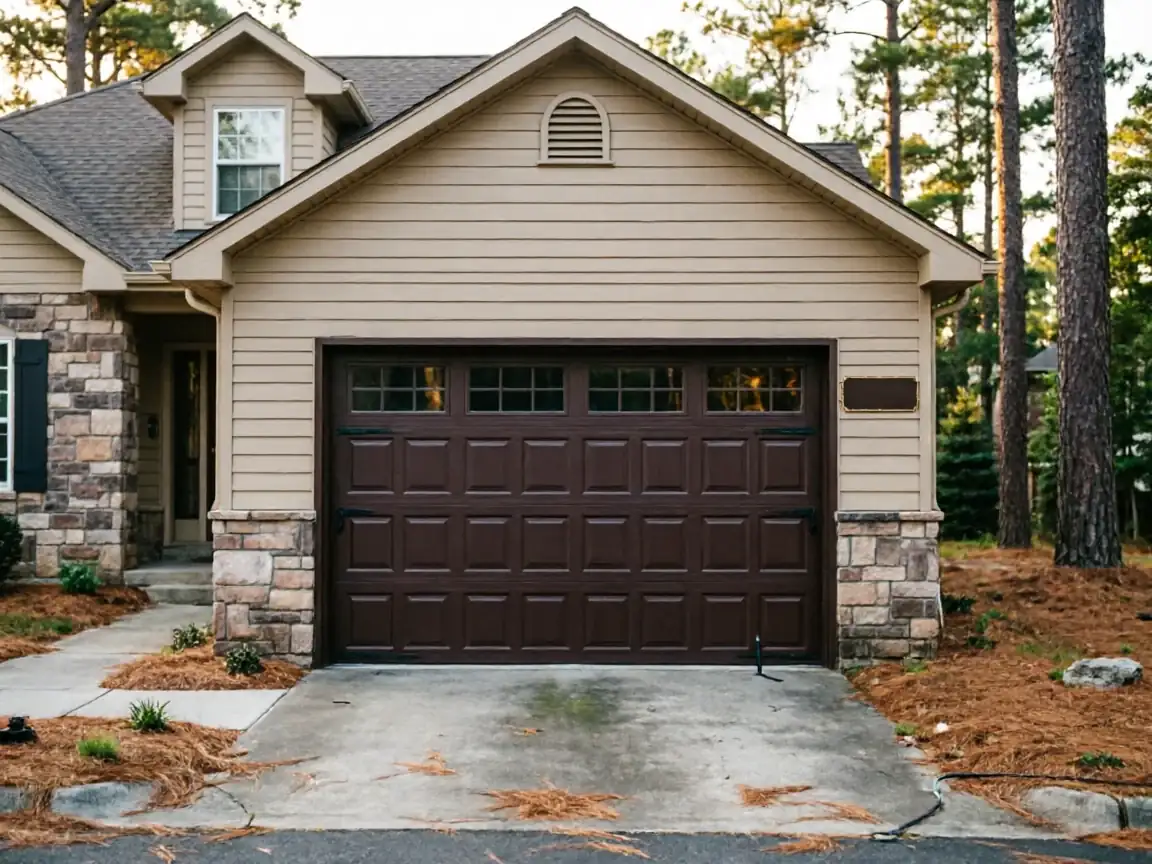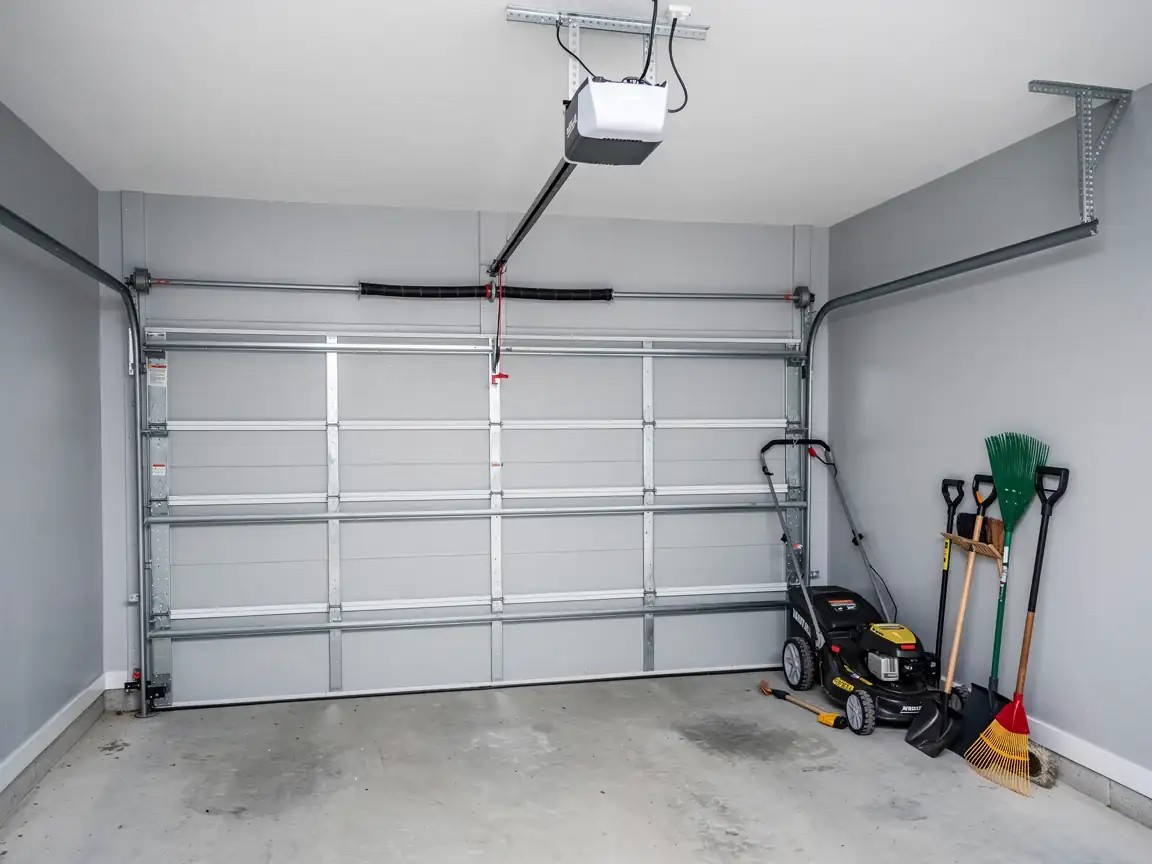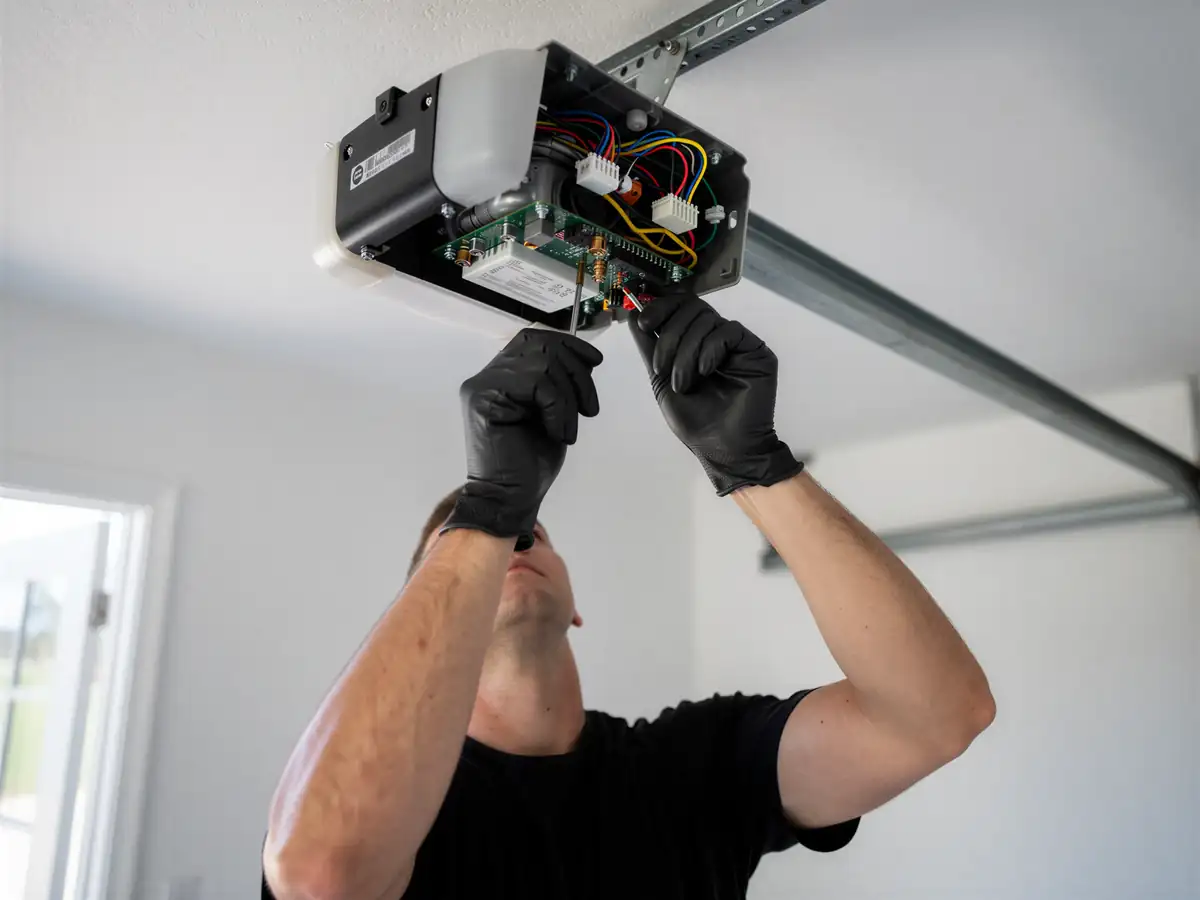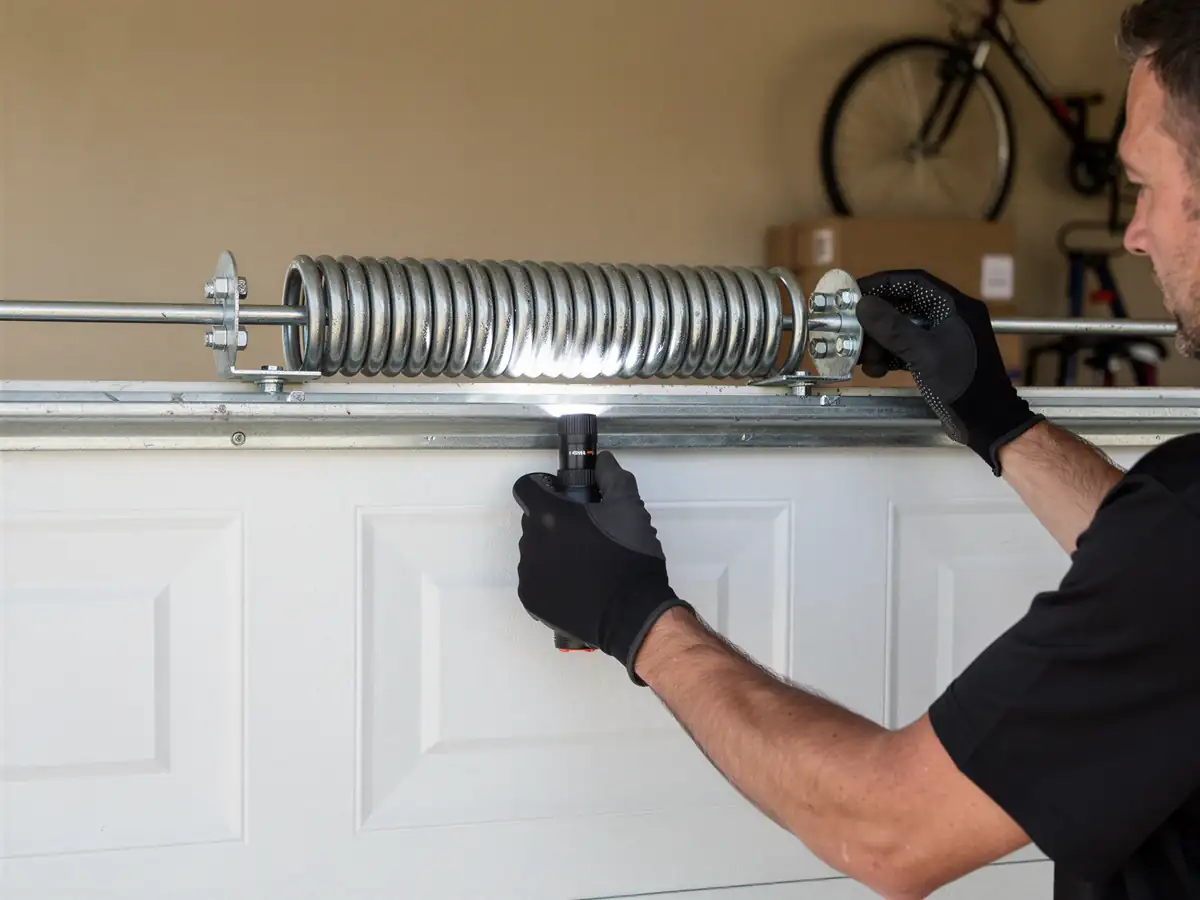
The Symptom
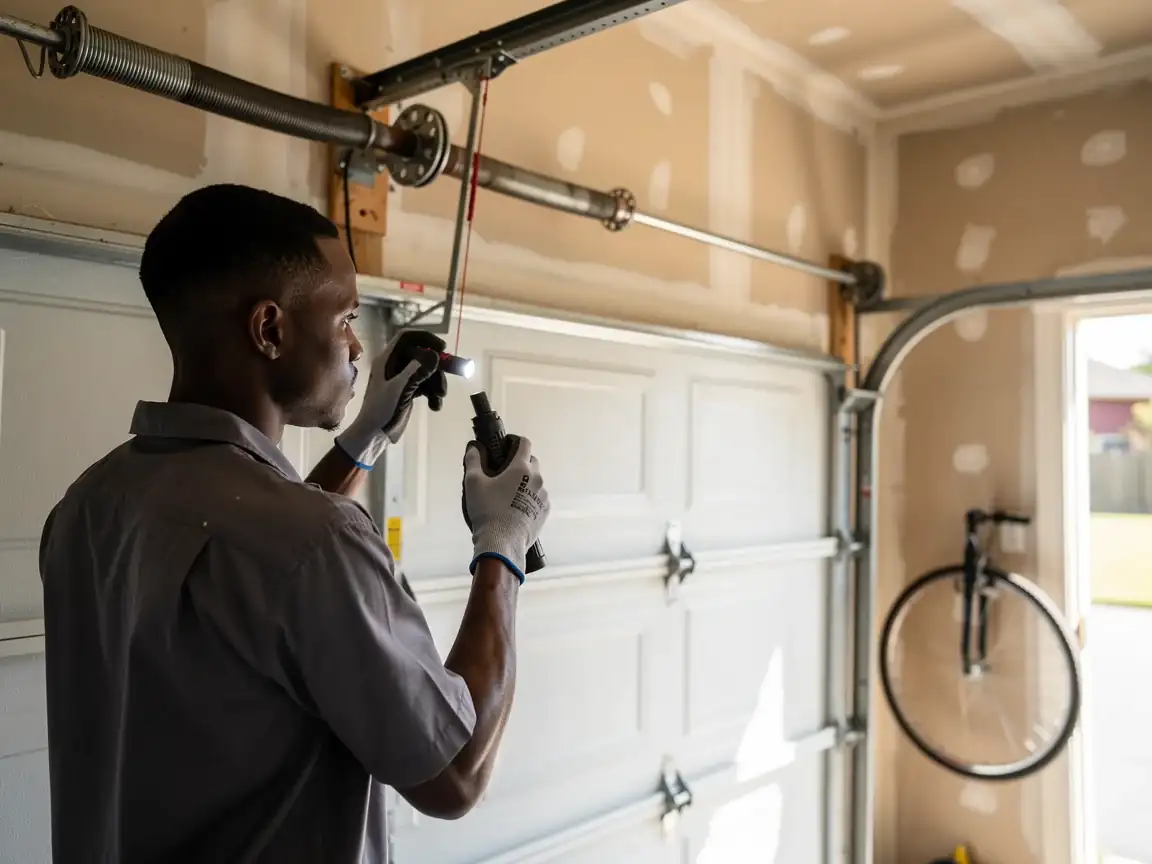
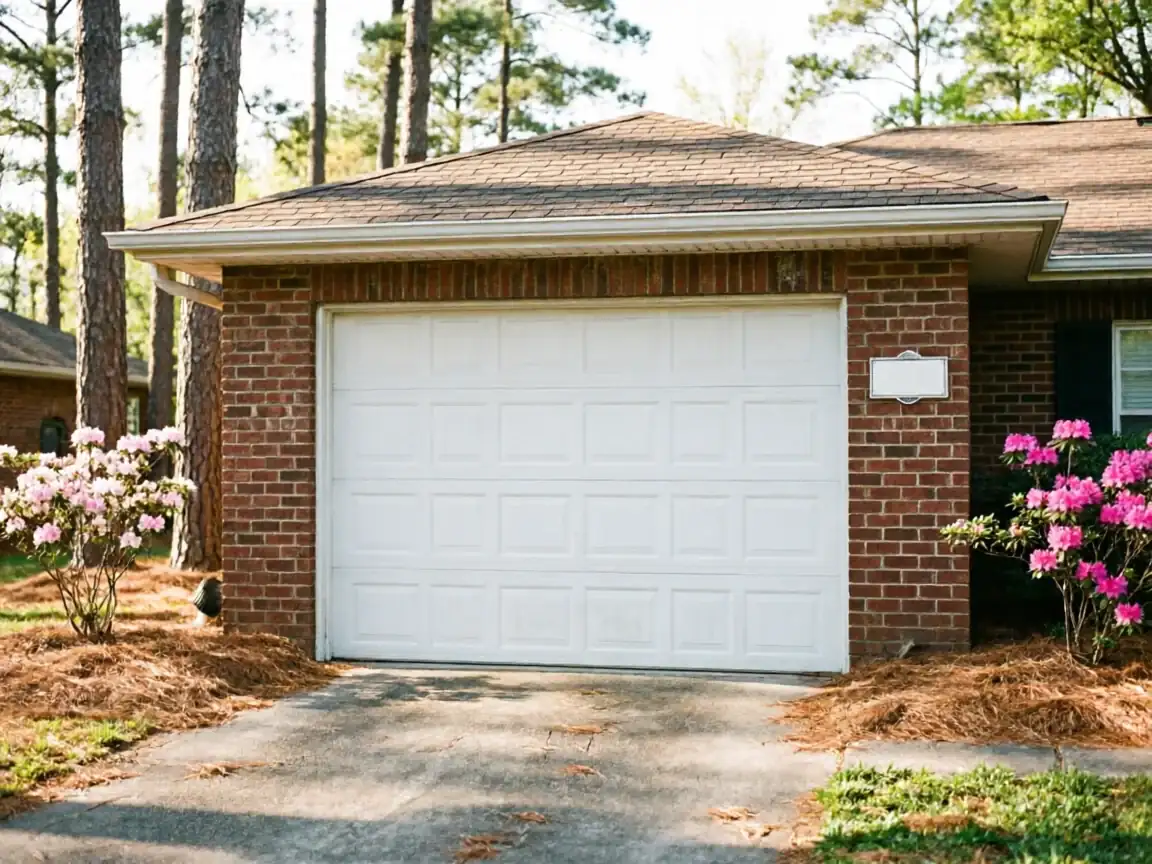
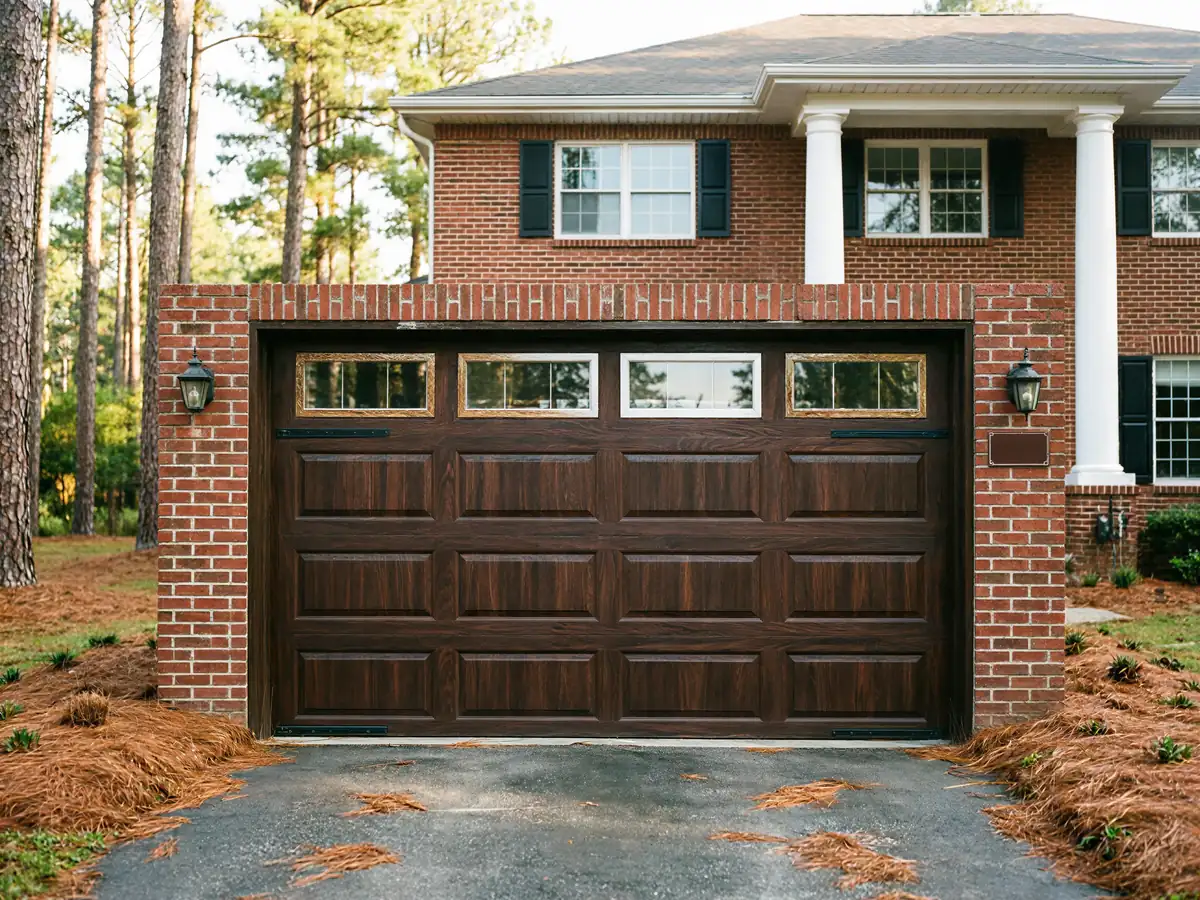
You're not calling because the door looks bad. You're calling because it's loud going up, it sags on one side, or the opener strains on the last foot of travel every single time. On a lot of Fayetteville houses, that's the original door and track still doing the job they were built for in a different decade. Most of the housing stock in this service area went up between 1961 and 2007, with the bulk of it dating to the 1980s and 90s. A door and opener from that era has usually outlived its spring cycle count, and the steel track has worn grooves that no amount of lubricant fixes. Sometimes the trigger is simpler: you're finishing a garage conversion or adding insulation and the old single-layer door just isn't built for it anymore. Either way, the symptom you're seeing - noise, drag, an opener that groans - is the door telling you it's past the point where a tune-up buys you much more time. Replacement starts to make more sense than another round of patch repairs once the track, springs, and panel are all fighting each other.
How Long It Takes
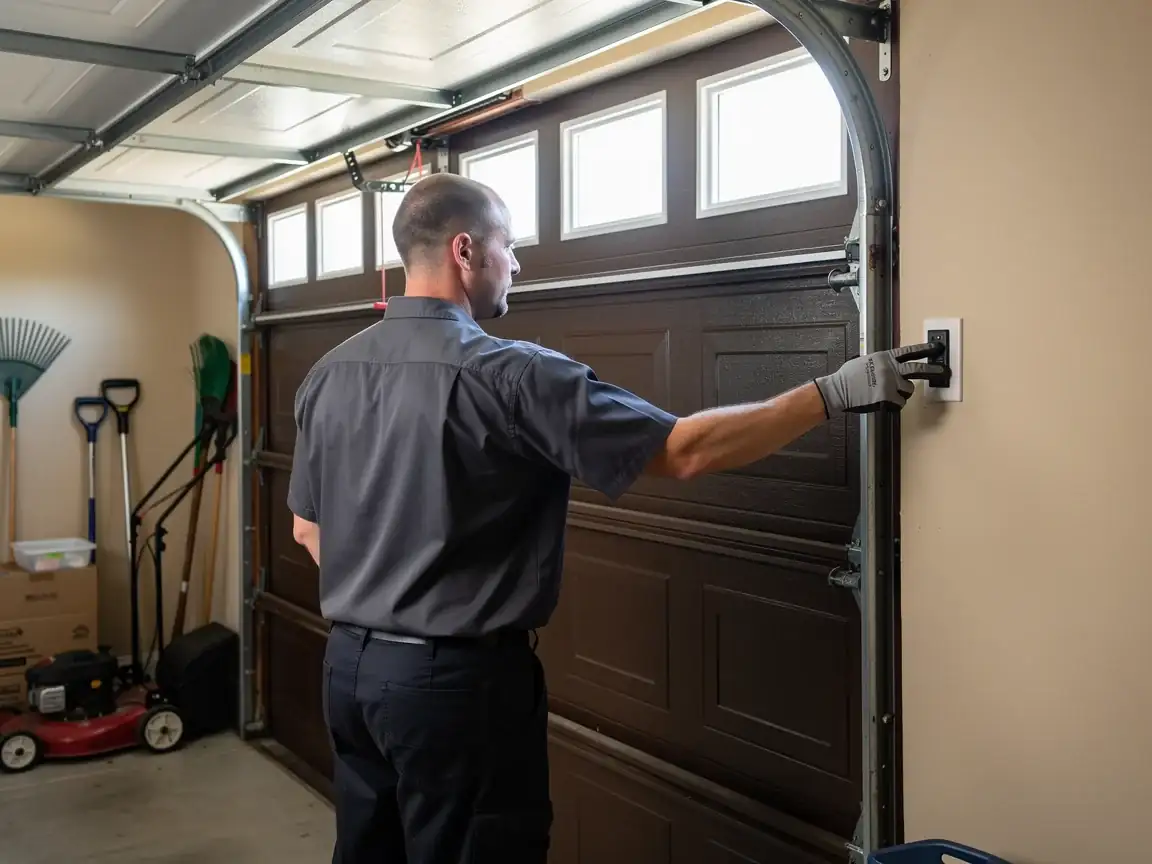
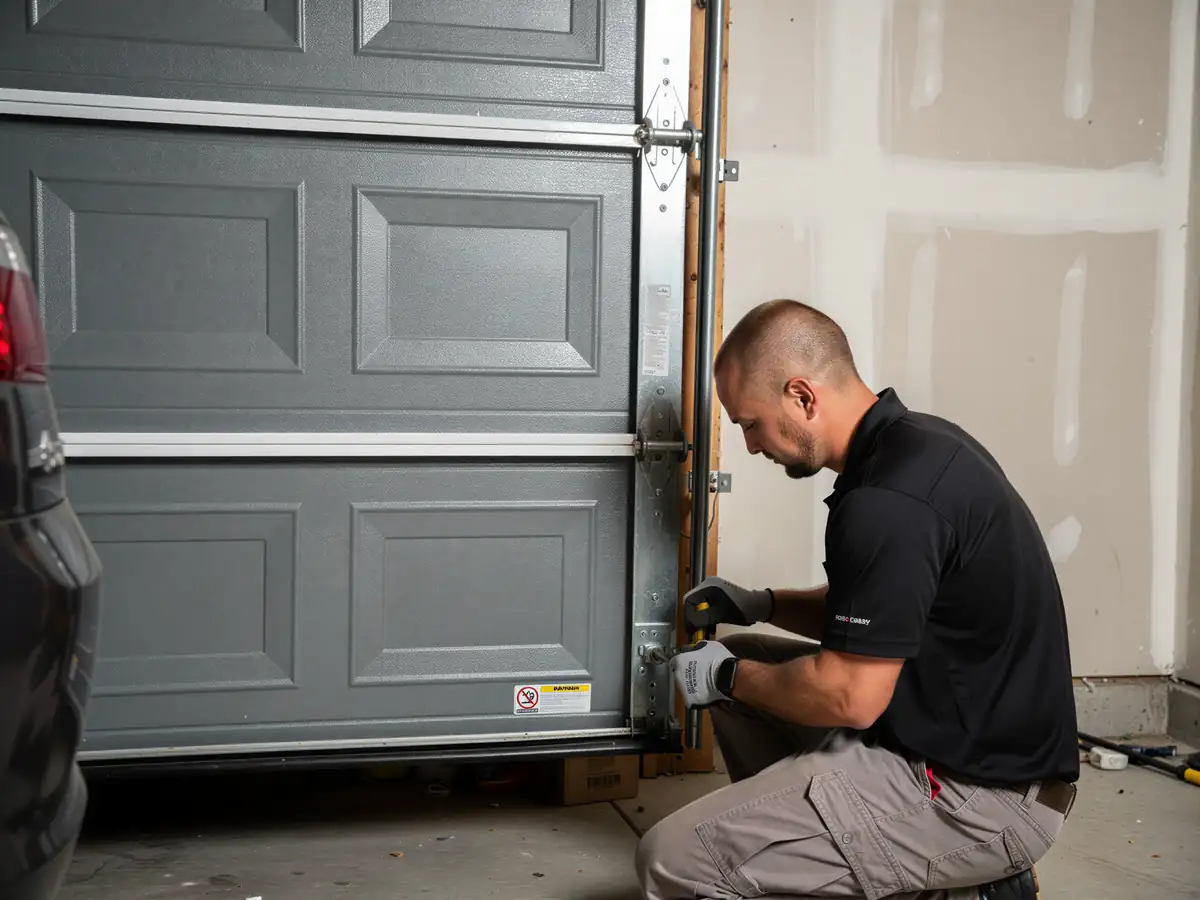
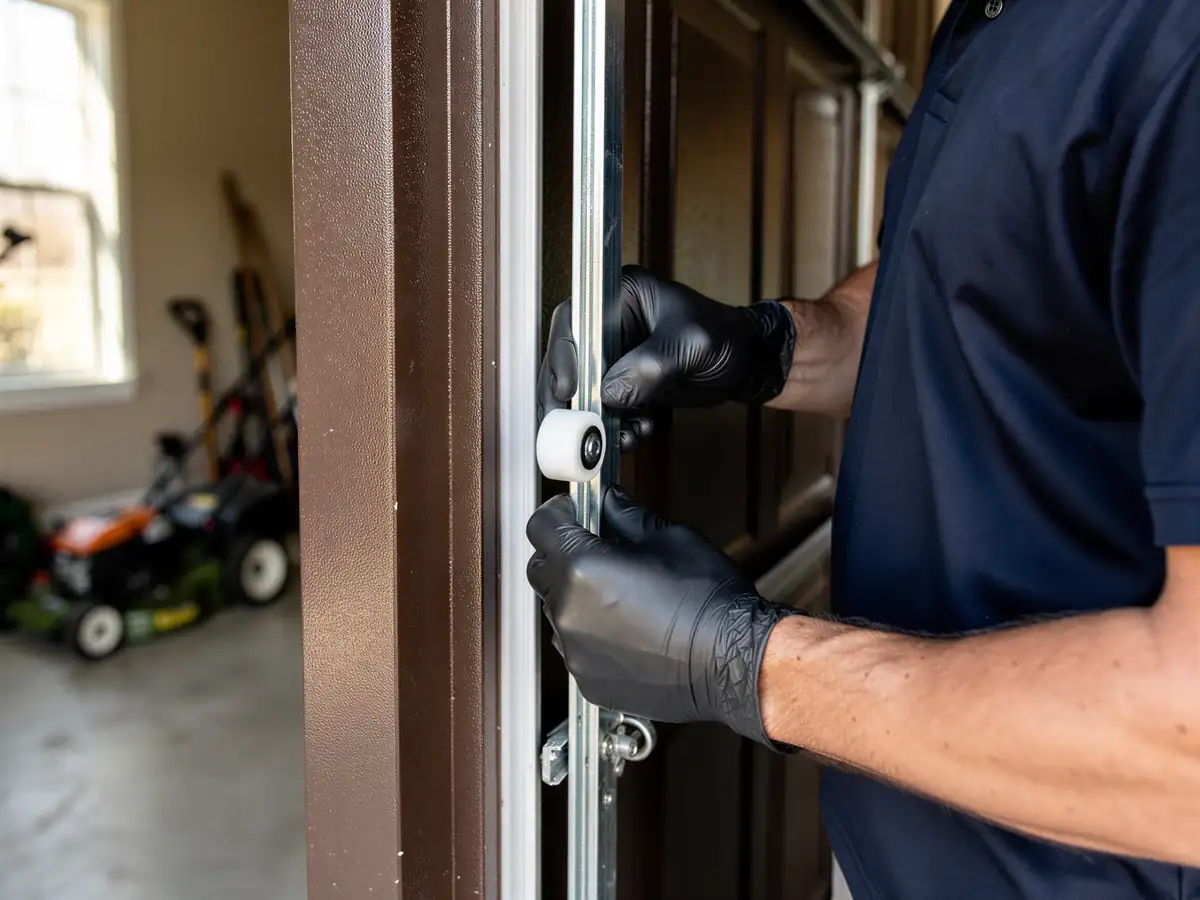
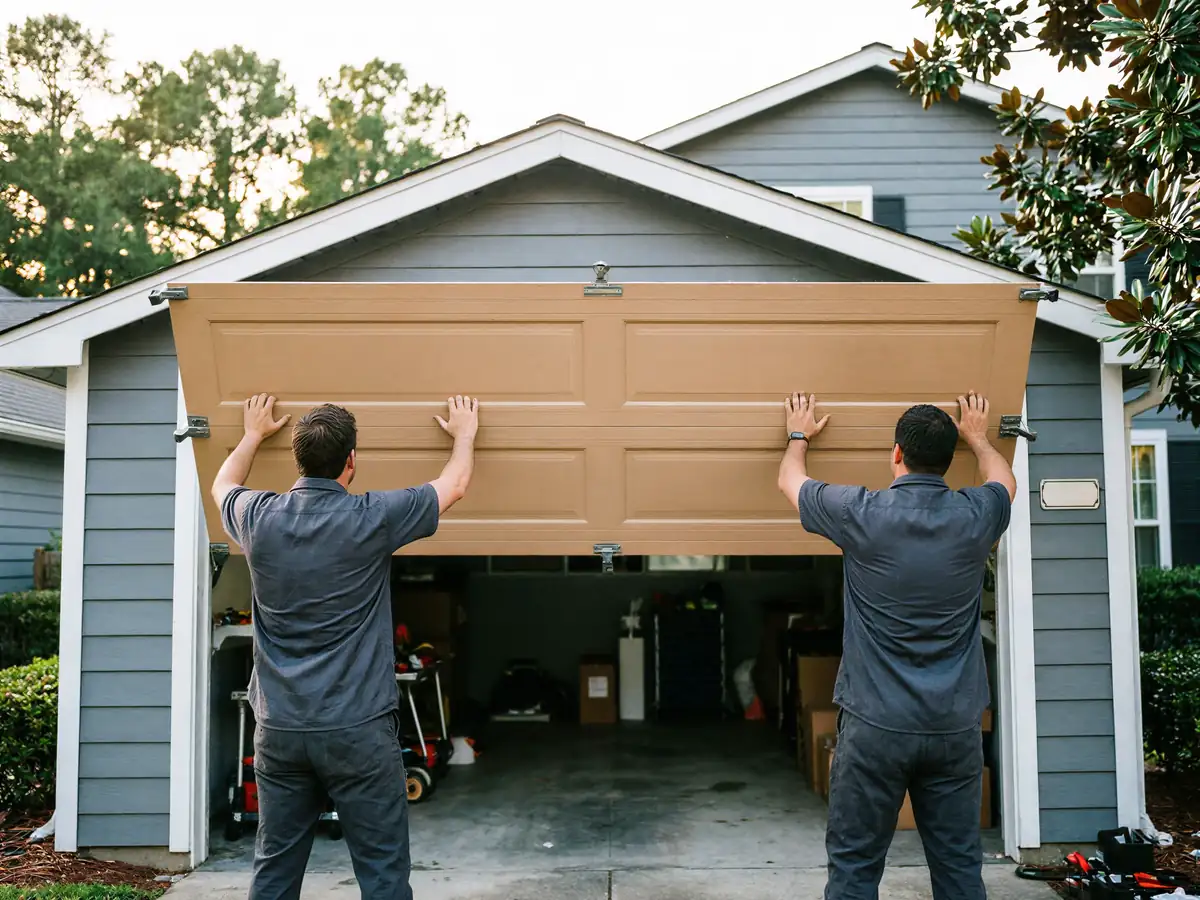
A straightforward swap - same size opening, standard track, no header or framing work - is a different job than a door on a house where the opening or jamb needs reinforcement. Homes from the earlier end of that 1961-2007 build window sometimes have framing that wasn't set up for today's heavier insulated panels or wider track radius, and that adds steps: resetting jamb brackets, re-anchoring the header, sometimes swapping the opener mount. We don't quote a fixed number of hours here because the two jobs aren't comparable - a single-car door with clean framing moves a lot faster than a double door needing bracket work. What we can tell you is the order of operations: remove the old door and track, check and reset the framing if it's out of square, install new track and springs sized to the new panel weight, then mount and balance the opener. Rushing the balance step is the most common corner-cutting on this kind of job, and it's the one that comes back as a noisy or crooked door six months later.
Can You Do This Yourself
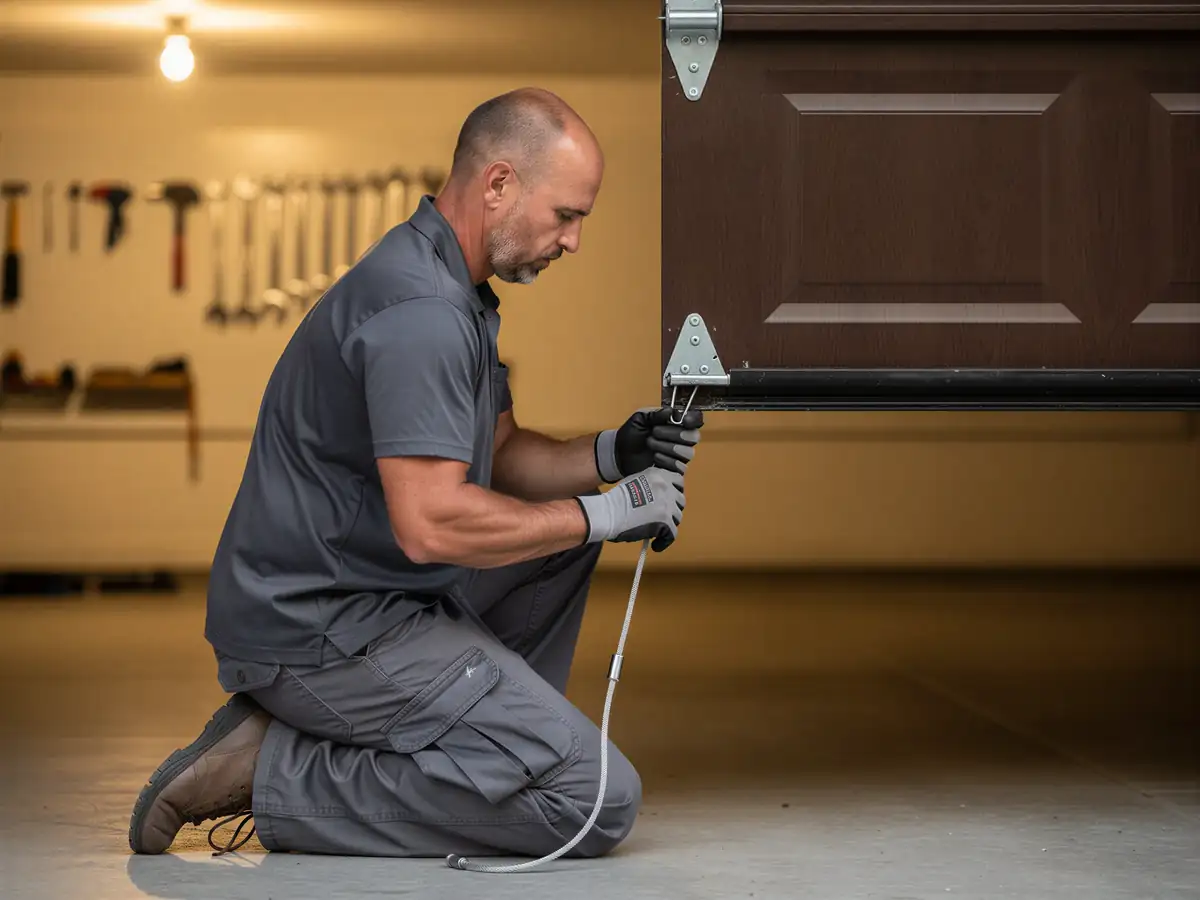
Some of this you can do. Weatherstripping, lubricating rollers, tightening loose hardware on an existing door - all reasonable DIY. Full installation is a different category, mainly because of the torsion spring. A wound spring on a double door carries enough stored force to cause a serious injury if it slips while you're setting it, and the winding bars and clamps for that job aren't something most homeowners have sitting in the garage. There's also the framing question from the section above - on older Fayetteville-area houses where the jamb or header needs reinforcement for a new panel, getting that wrong means a door that's out of square from day one, even if it looks fine for the first few weeks. Our honest limit here: we don't do cosmetic trim or siding repair around the opening if the framing issue runs into the wall structure itself - that's a call for a carpenter first, then us for the door. If your job is a straight swap with no structural surprises, it's still worth a second set of eyes before you commit to doing it solo.