Getting It Booked In
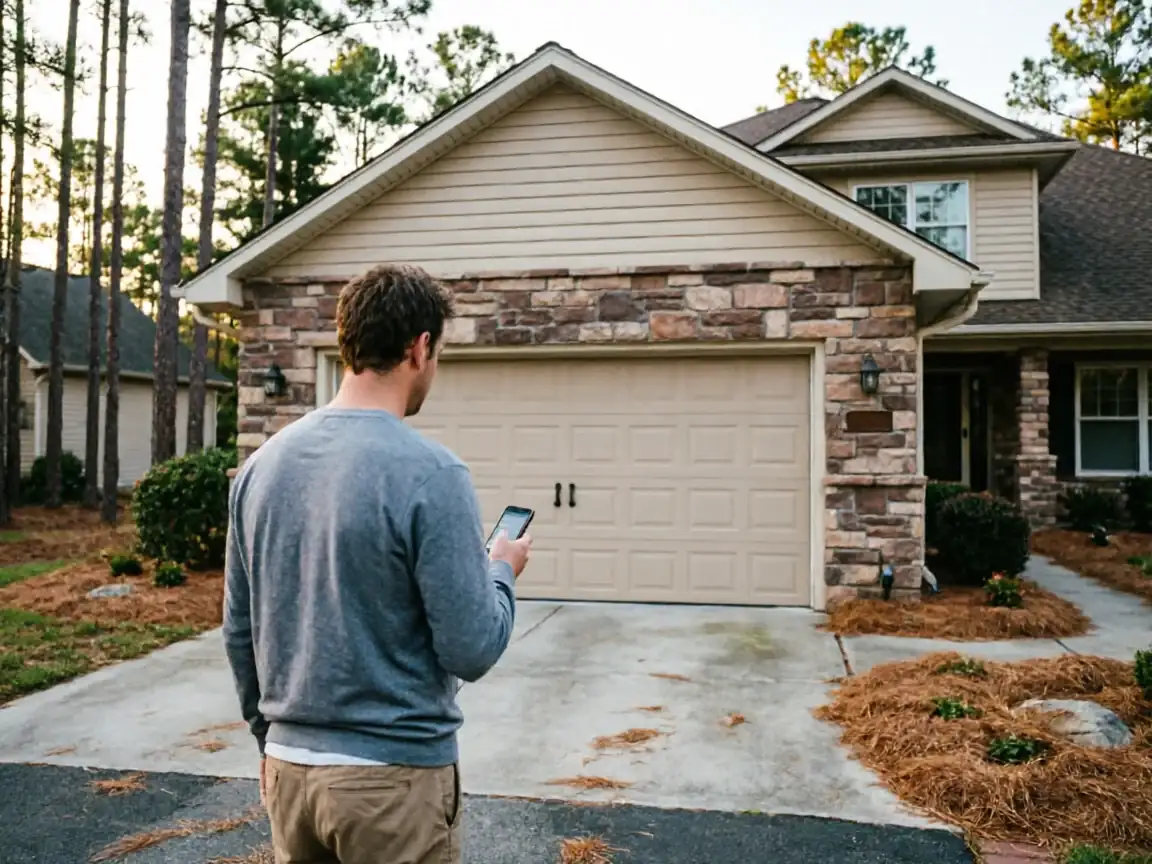
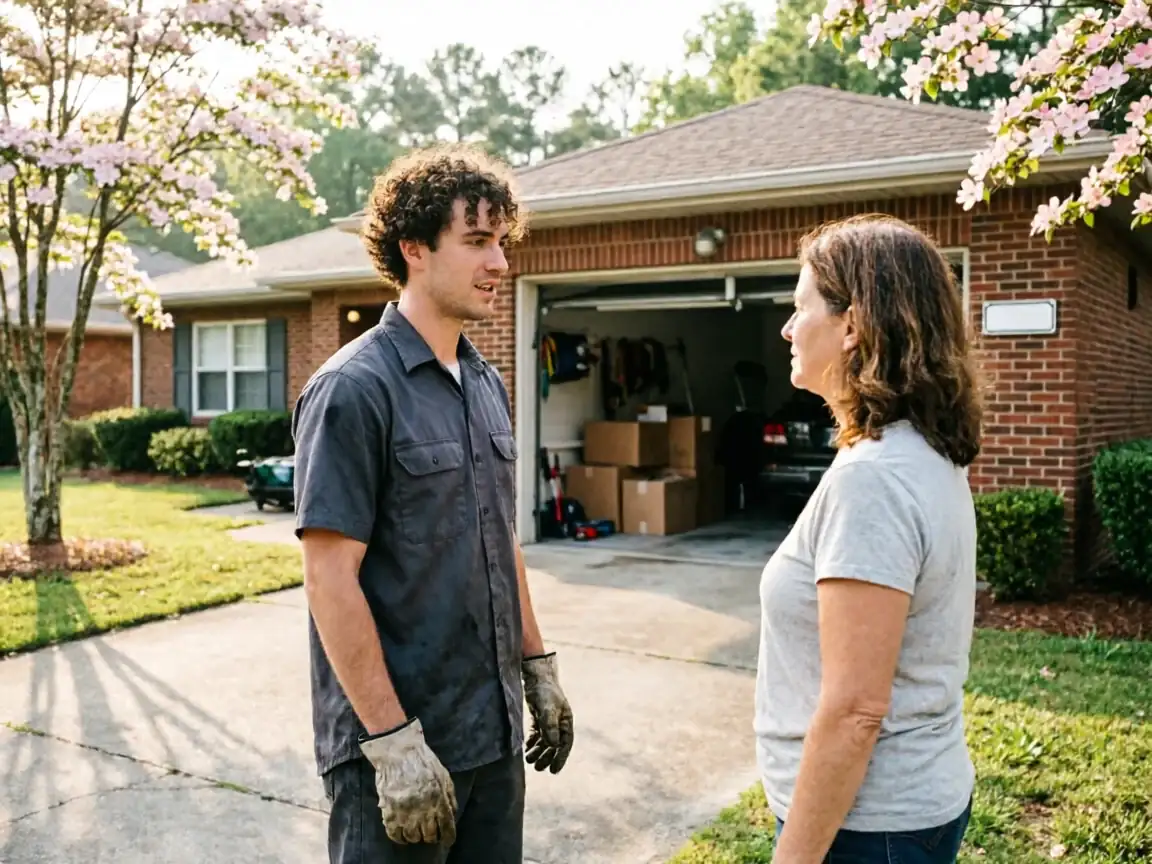
We run this call from our Fayetteville shop, about 11 miles out. There's no branch sitting in Senoia - we load the truck and drive the job, same as we do for Tyrone or Bonanza. That distance doesn't change what we bring to the door, but it does mean we're not already parked around the corner, so when you call, tell us the symptom up front: dead opener, door stuck halfway, spring that let go with a bang. It helps us load the right springs and board before we leave.
Senoia is a smaller piece of the territory than most of what we cover - about 1,921 households, against roughly 40,897 across the whole service area. That's a tight, newer pocket of homes, not a sprawling older subdivision, and it changes what we expect to find once the door's open.
The Symptom
Most of what we see going wrong in Senoia traces straight back to when the house was built
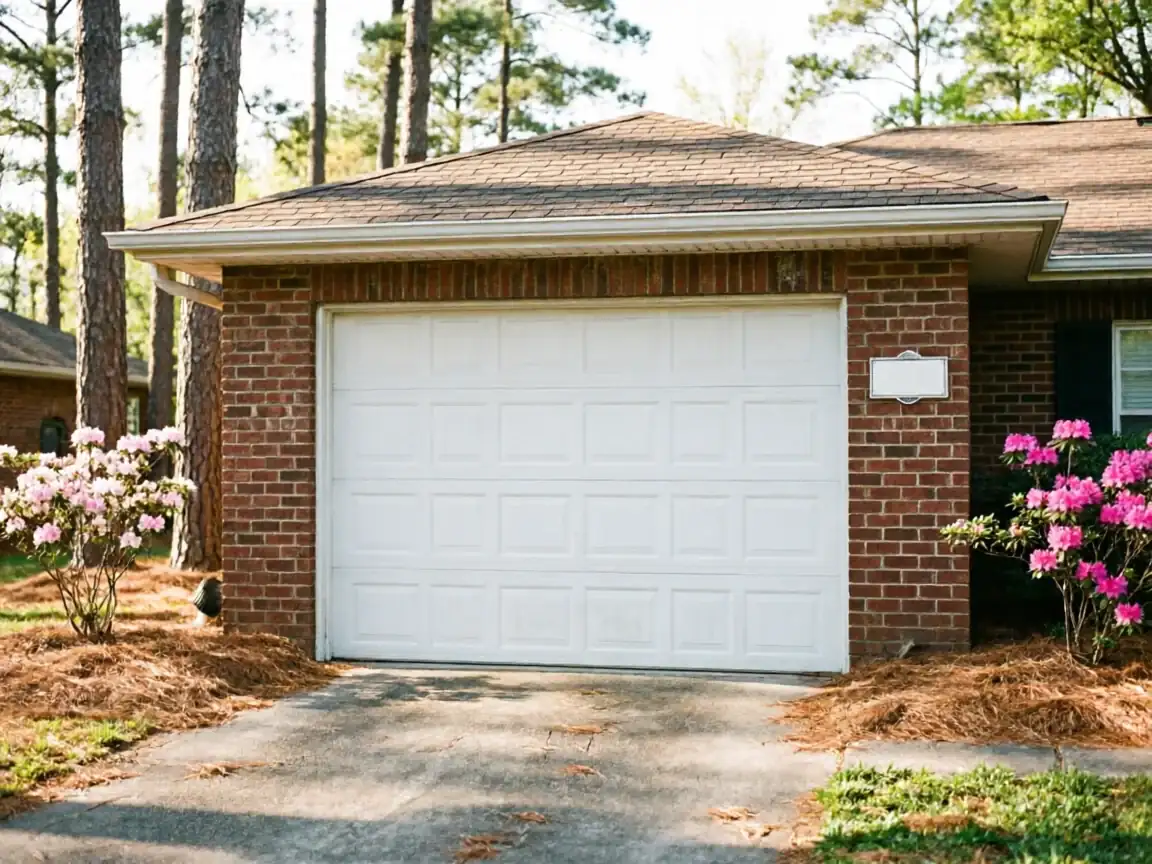
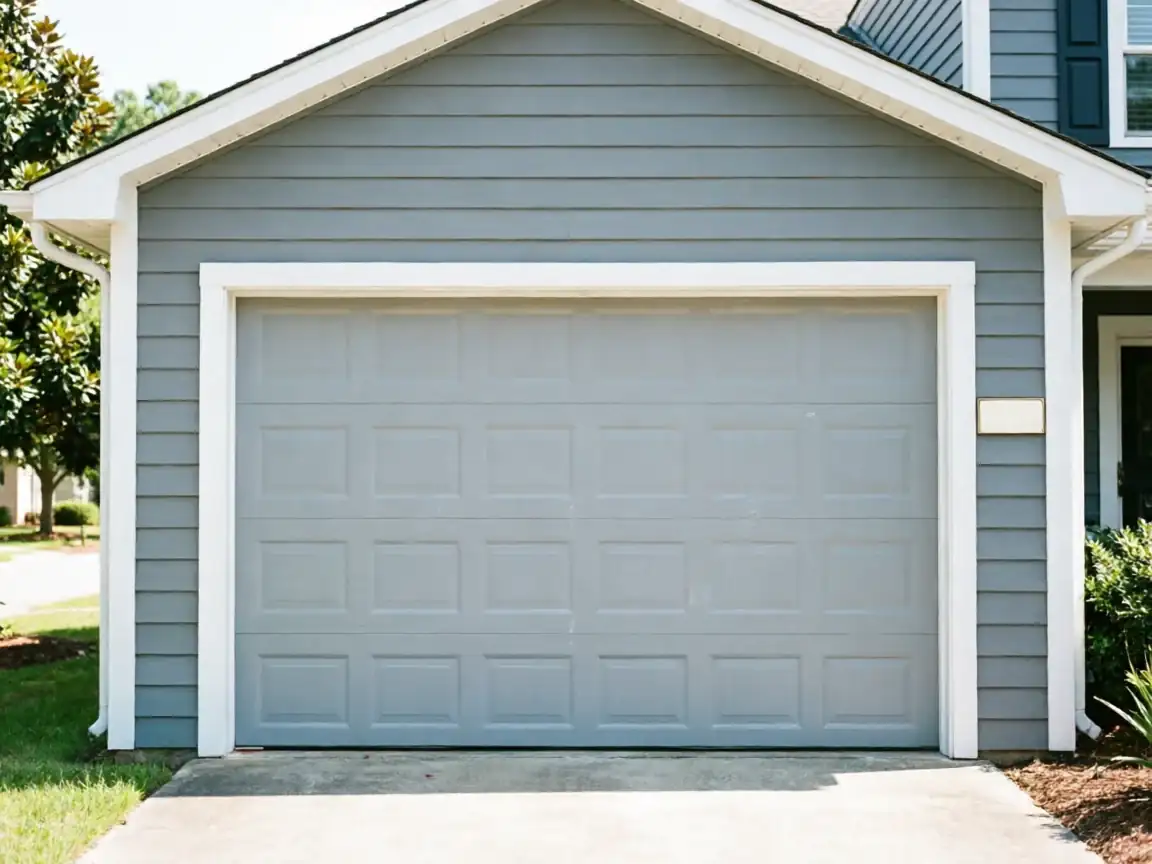
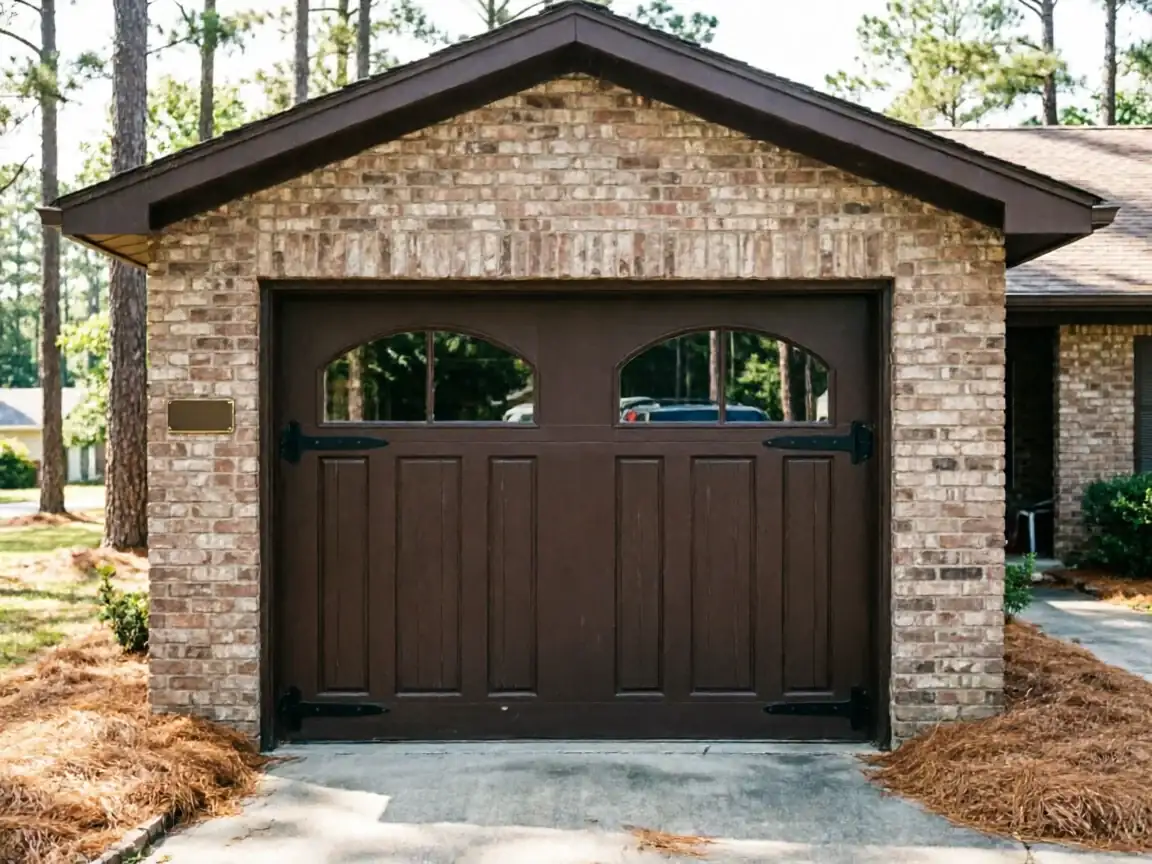
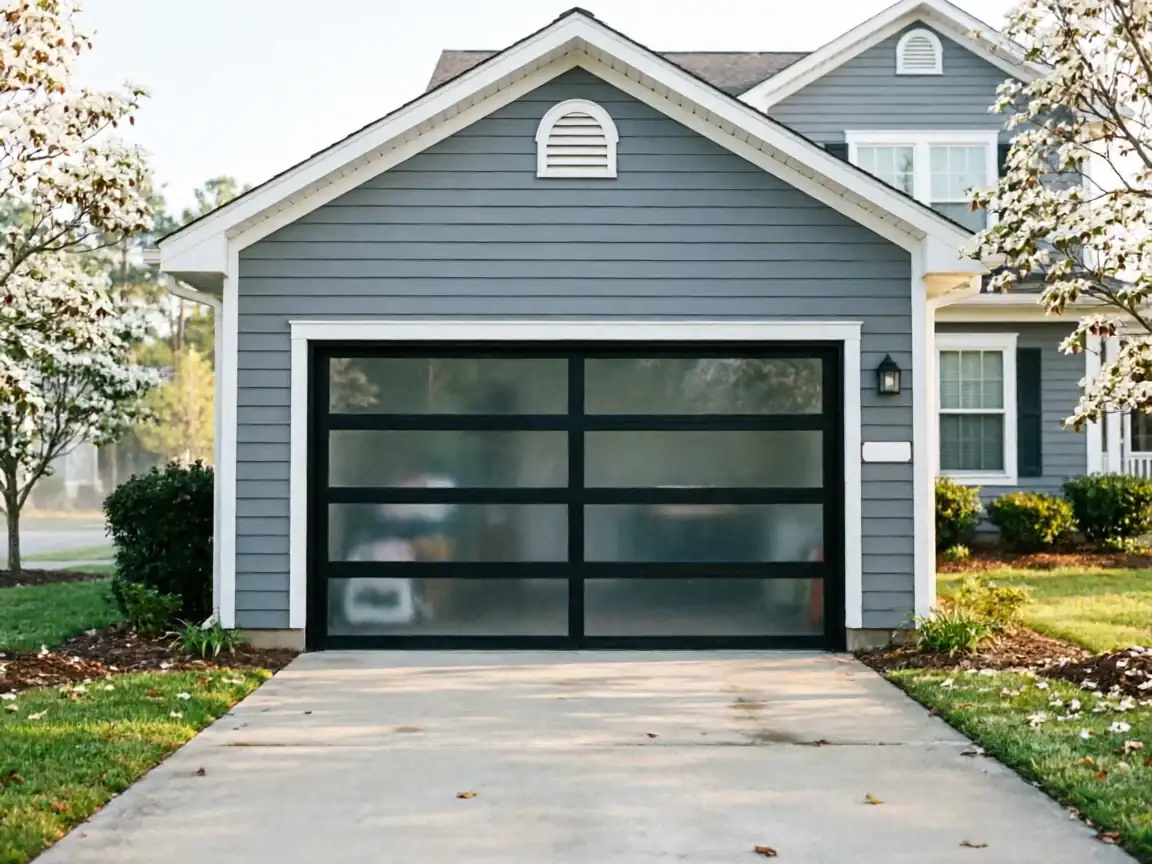
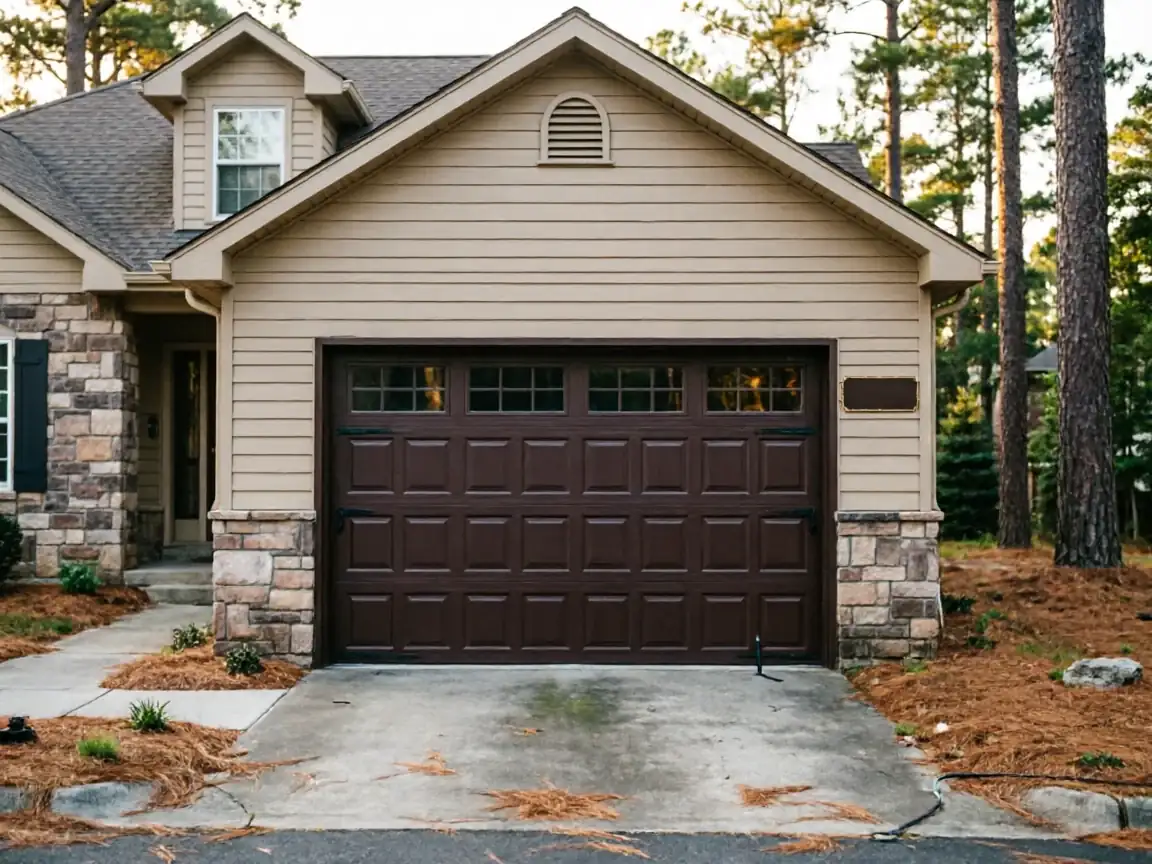
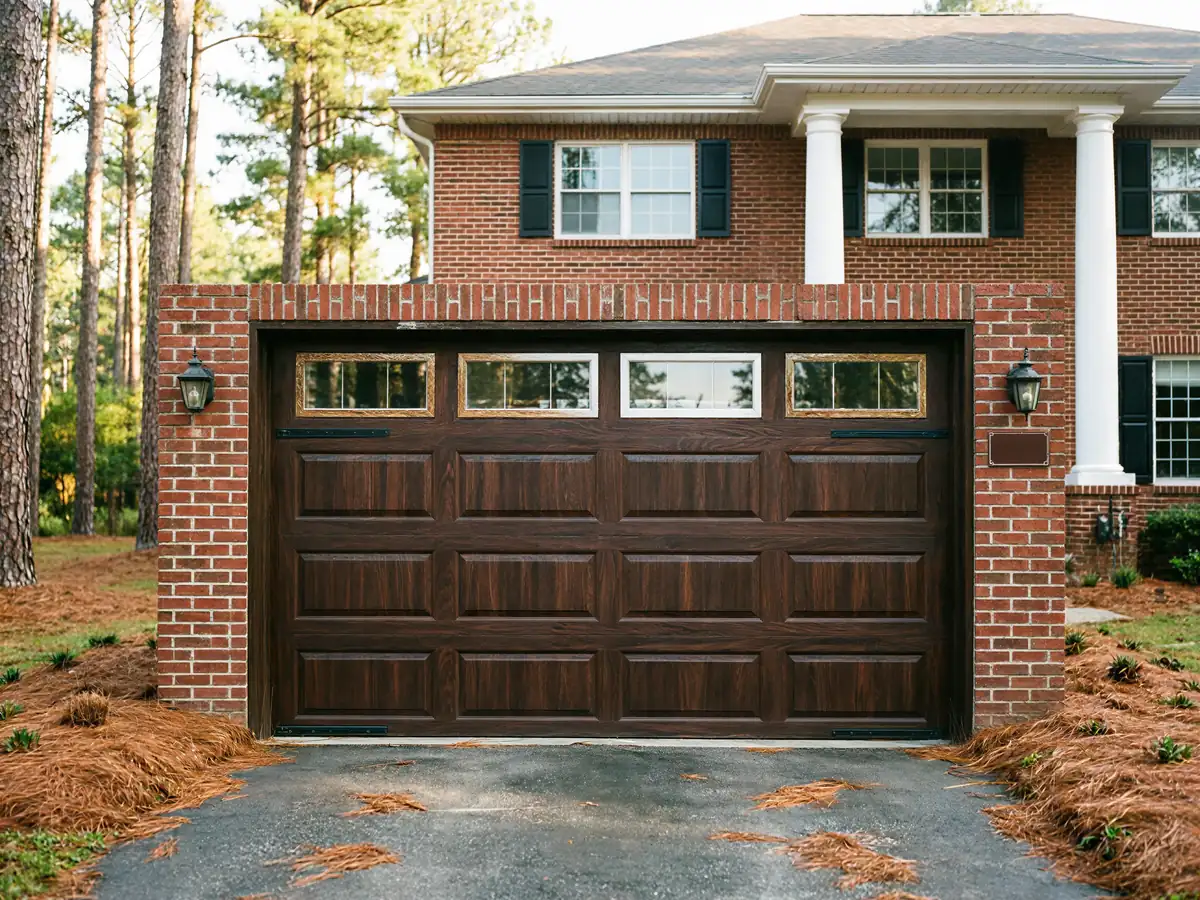
The median year here is around 2005, which puts a big share of these garages right in the middle of the 2000s building boom - call it fifteen to twenty years of daily cycles on the same springs, rollers, and opener logic board that came with the house. Compare that to the wider service area, where the housing stock runs 1961 through 2007 with a median around 1988. Senoia skews noticeably newer.
What that means in practice
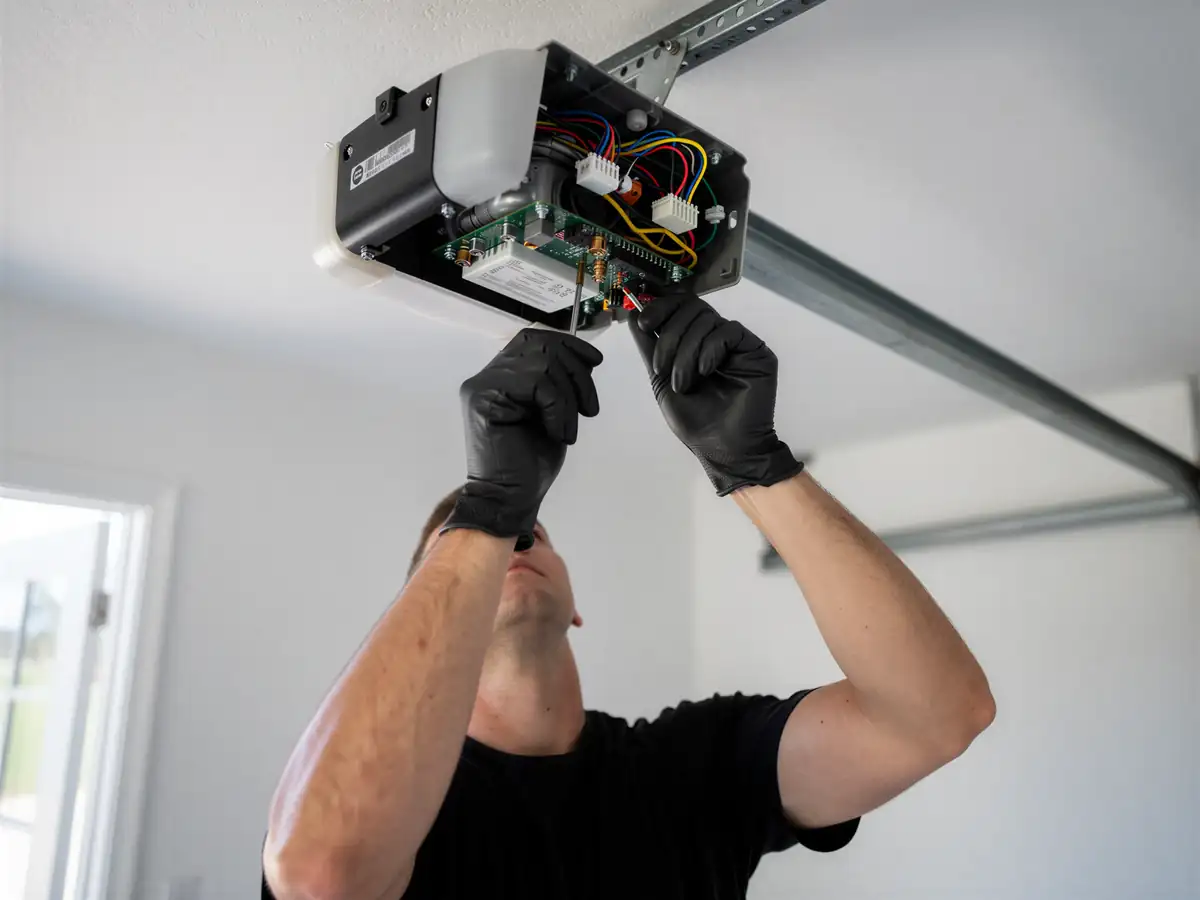
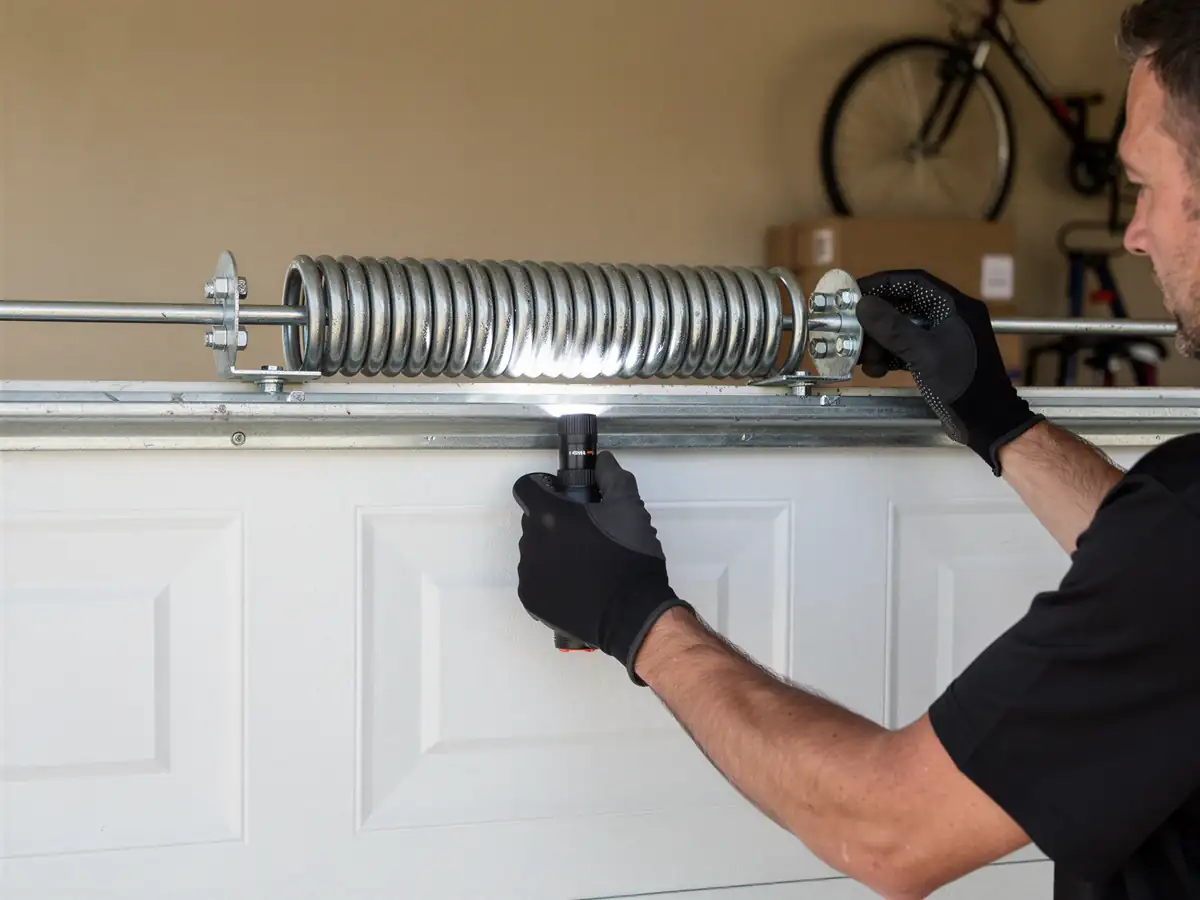
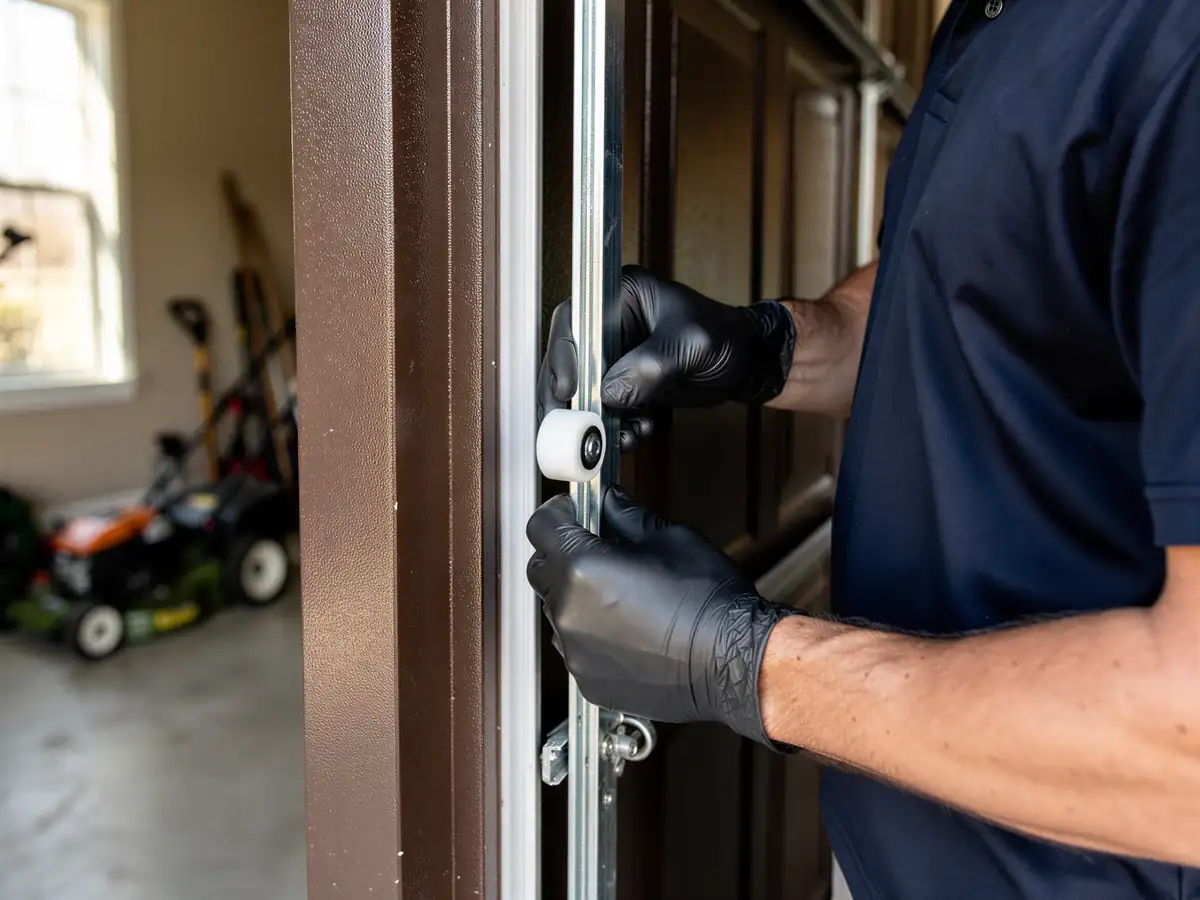
Fewer old one-piece doors on side-mount torsion bars, more sectional doors on standard torsion springs with a chain-drive or belt-drive opener from that era. The common failure we're called out for is a torsion spring reaching the end of its cycle life right on schedule, or an opener circuit board that's finally aged out - capacitors and relays don't last forever, and 2005-vintage boards are getting to that point now. We also see rollers, nylon or steel, worn enough to rattle or bind, especially where the door gets used daily.
What It Costs
We don't have a posted price list for Senoia specifically, and we're not going to make one up here. What drives the number on any given call is simple: spring repair costs less than a full opener swap, a single broken cable is a smaller job than replacing bent track, and a double door with two torsion springs costs more than a single door with one. We'll quote the job once we've seen it, not before.
One honest limitation: if your opener board is a discontinued model from a builder-grade install, we may not be able to get that exact part fast. Builder-installed openers from the 2000s boom aren't always carried by every supplier, and depending on the brand, a same-day fix sometimes means replacing the opener rather than waiting on a board. We'll tell you straight if that's the case instead of stringing out a repair that isn't worth it.
How We Fix It
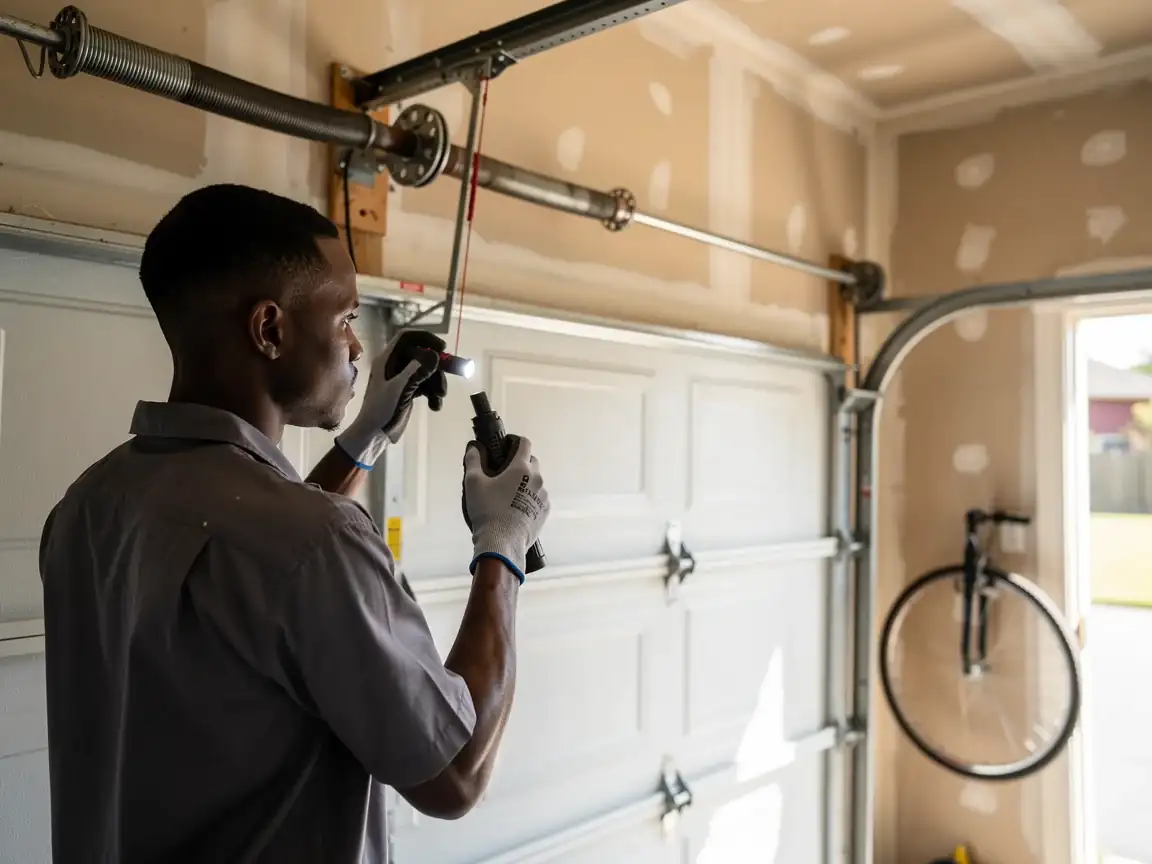
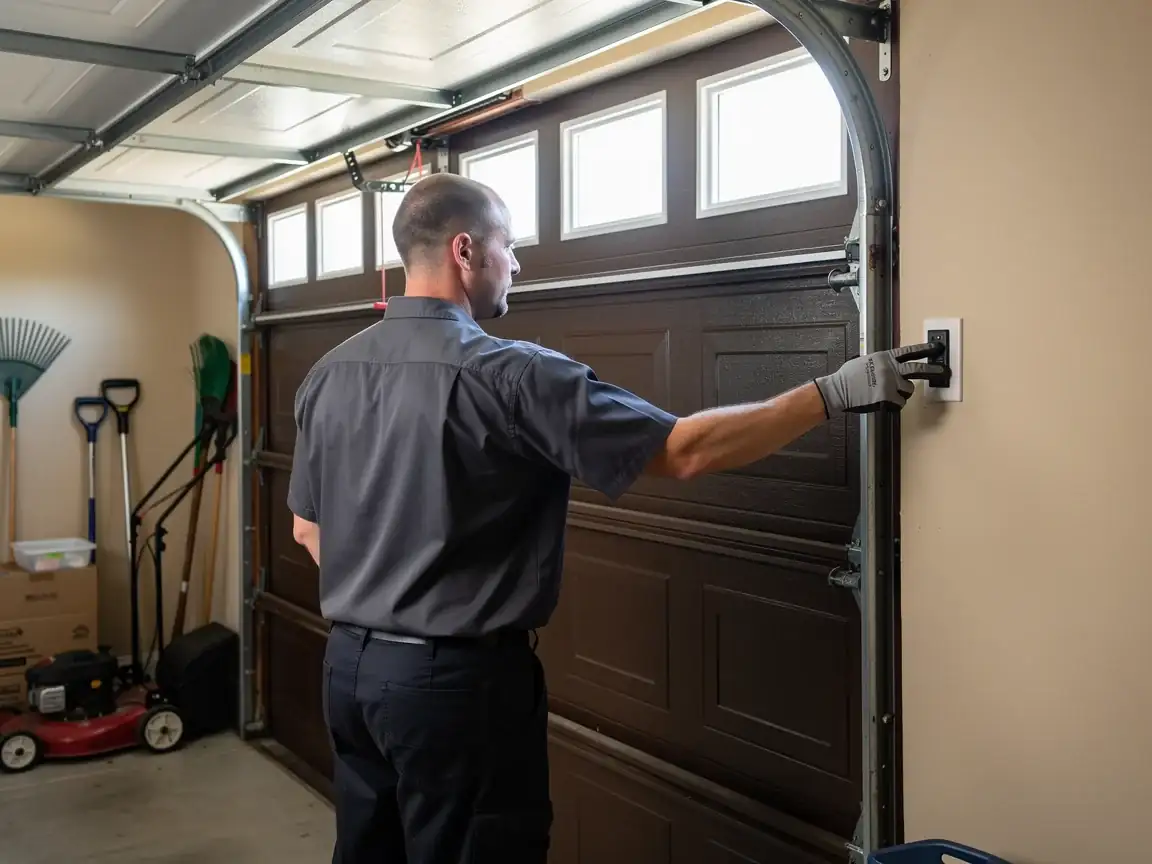
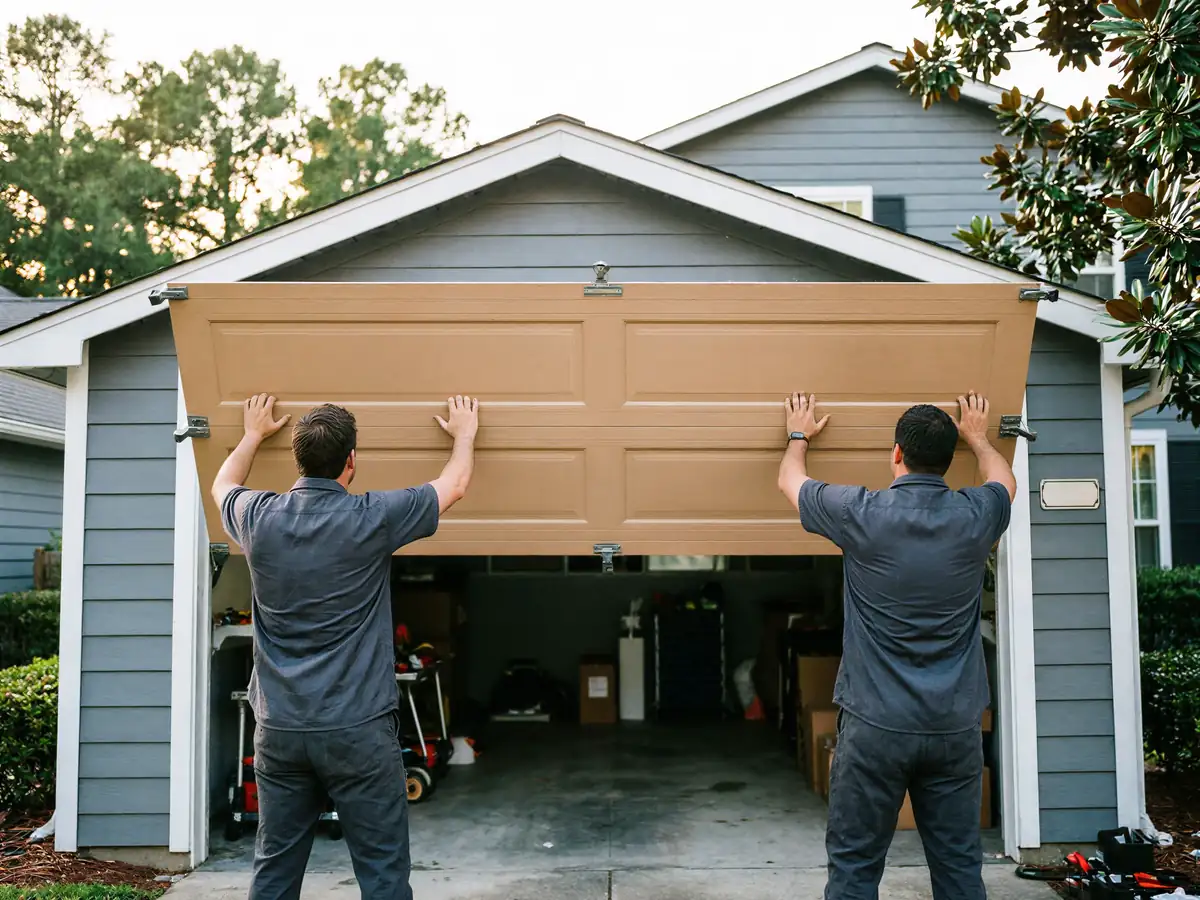
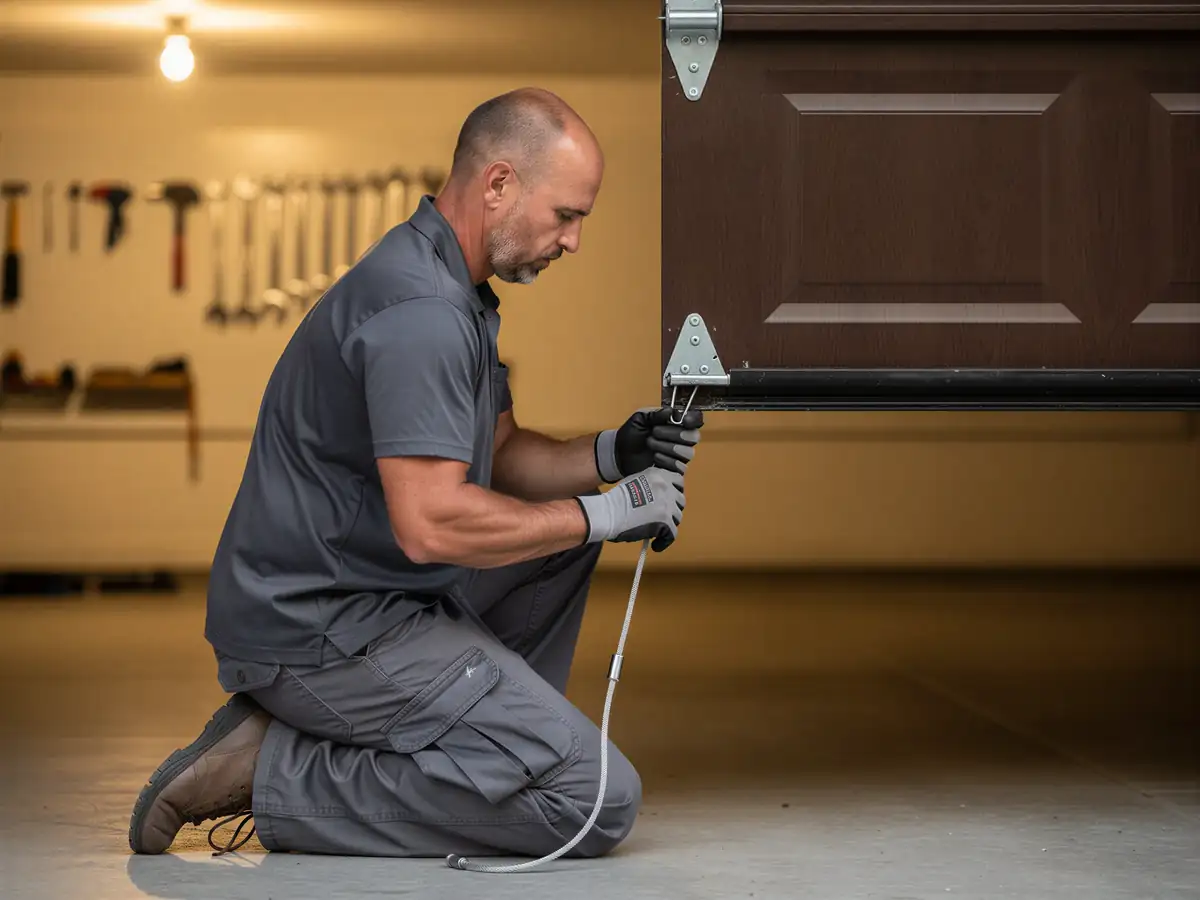
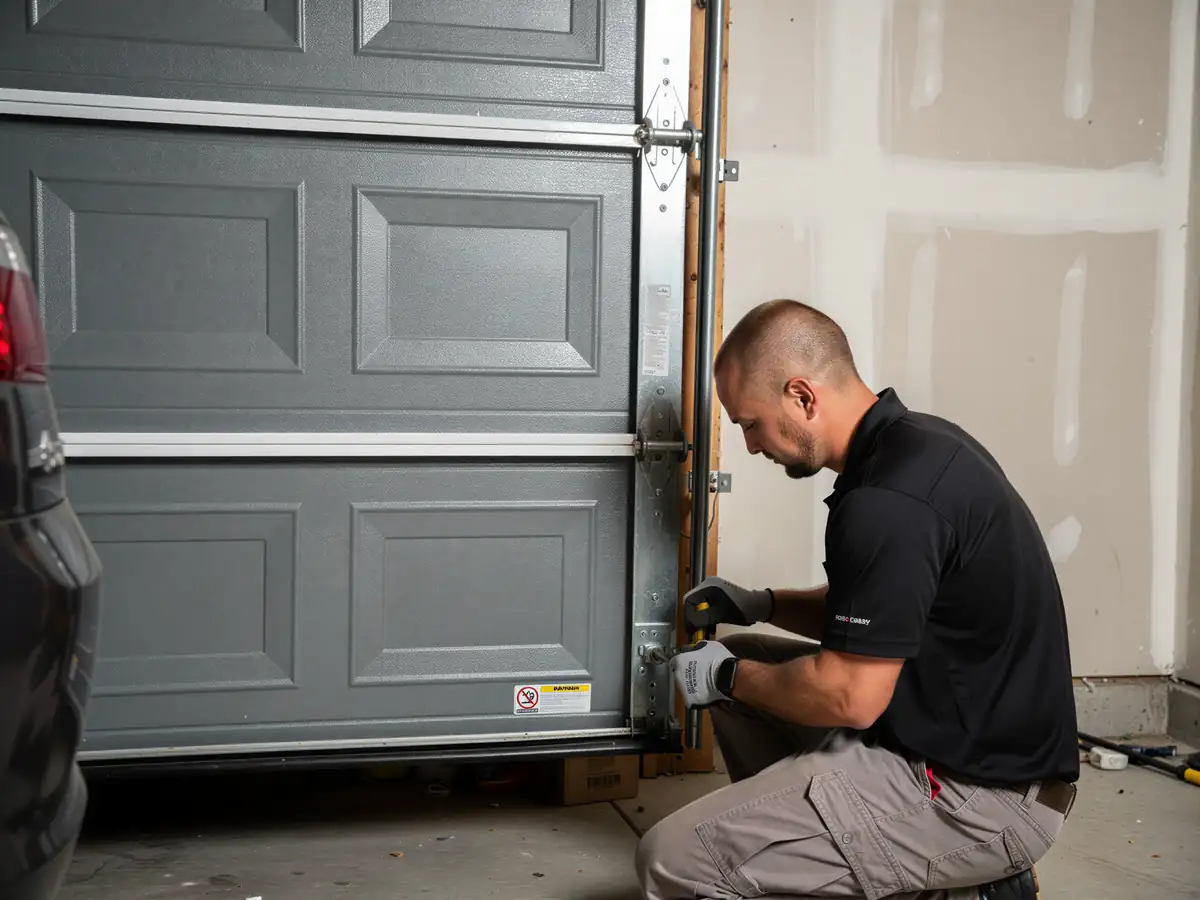
First we test the door under power and by hand, because a dead opener and a seized spring look the same from the kitchen until you disengage the trolley and try lifting the door yourself. If it's the spring, we size it to the door weight and wind count, not just swap in whatever's closest - a mismatched torsion spring on a 2000s-era steel door throws the balance off and strains the opener that's left.
On the opener side, if the board's failing, we check whether the unit is worth a board replacement or whether it's simpler to replace the whole unit, especially once a builder-grade opener is past the age where parts are easy to source. We also check rollers and track alignment while we're in there - on a door that's run daily for close to two decades, rollers wearing out is as common as the spring giving way. We're in a moderate-cold climate band here, so we check weatherseal and lubrication too; grease that's gummed up in cold mornings is a common reason a door that