Getting It Booked In
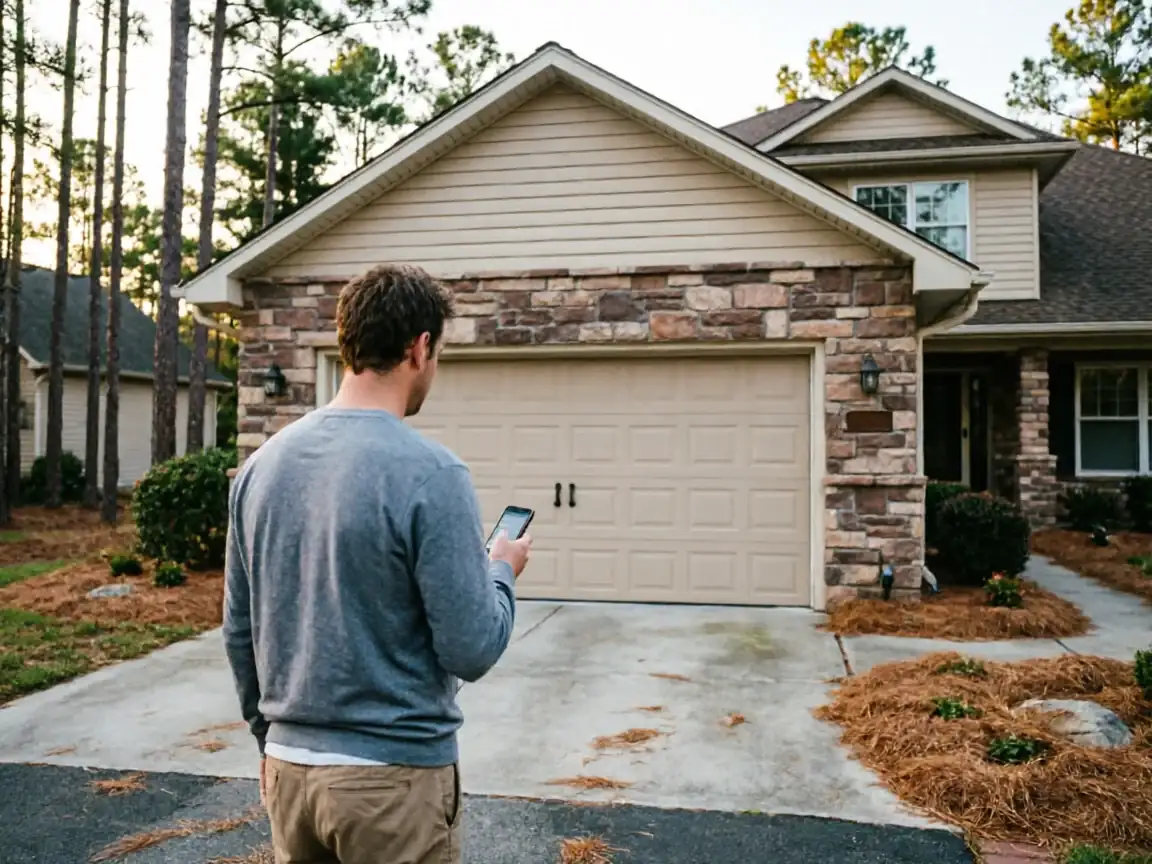
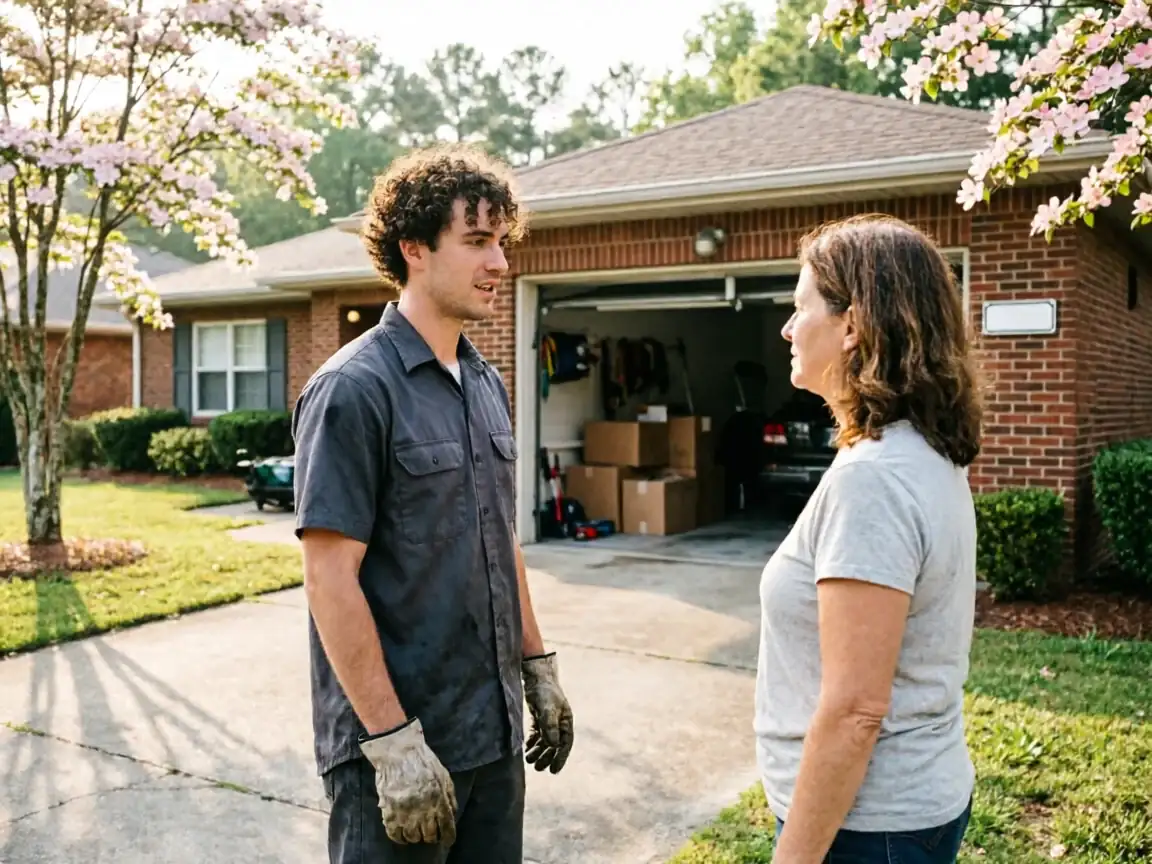
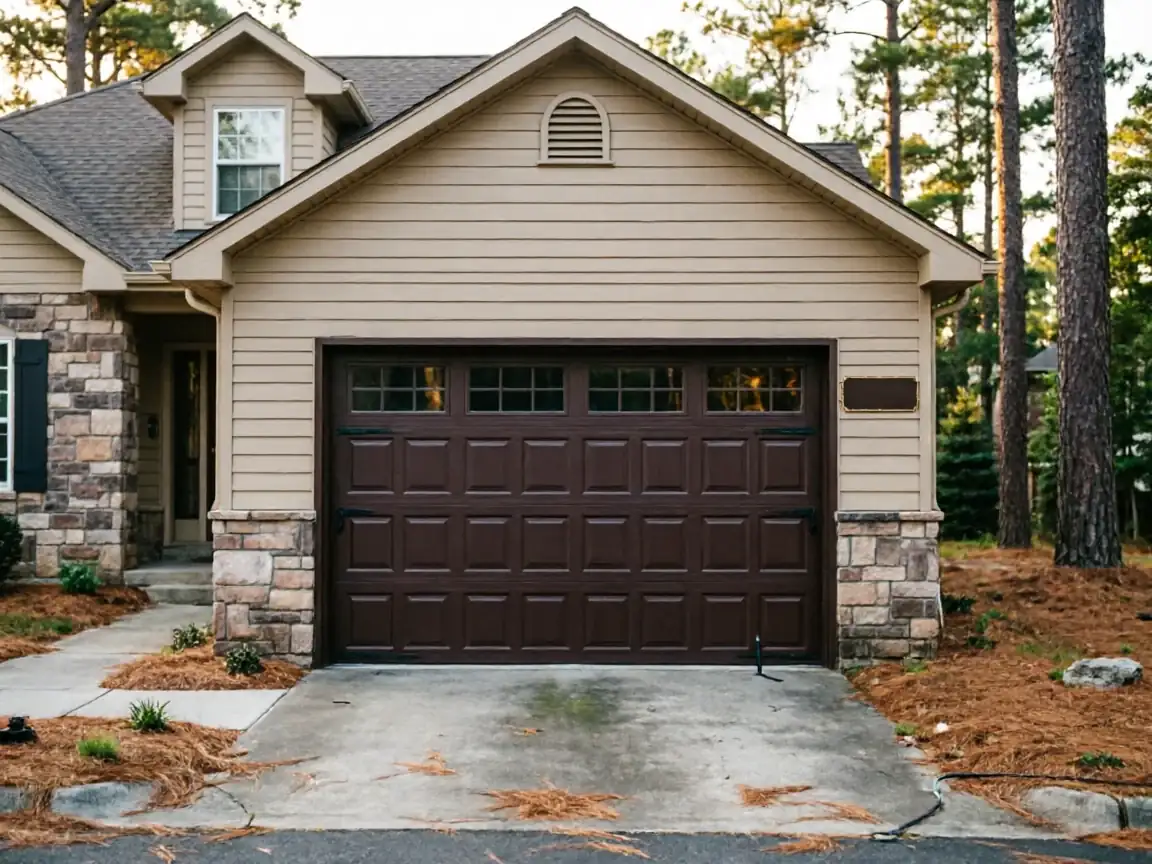
Senoia sits about 11 miles from our Fayetteville shop, which puts it on the long end of our drive time compared to towns closer in like Lovejoy or Jonesboro. We don't keep a crew stationed in Senoia, so when you call, we're scheduling the truck out from Fayetteville rather than around the corner. That's worth knowing up front - we're not going to pretend otherwise. What that drive time means for you is simple: book the measure-and-quote visit and the install date together when you can, so we're not making two separate trips out for the same job. Most Senoia homes we quote are on a single standard door opening, either a 9-foot single or a 16-foot double, which keeps the measuring visit short once we're on site. We'll walk the opening, check headroom and the track path, and write the order against what's actually there - not a guess based on the house next door.
What It Costs
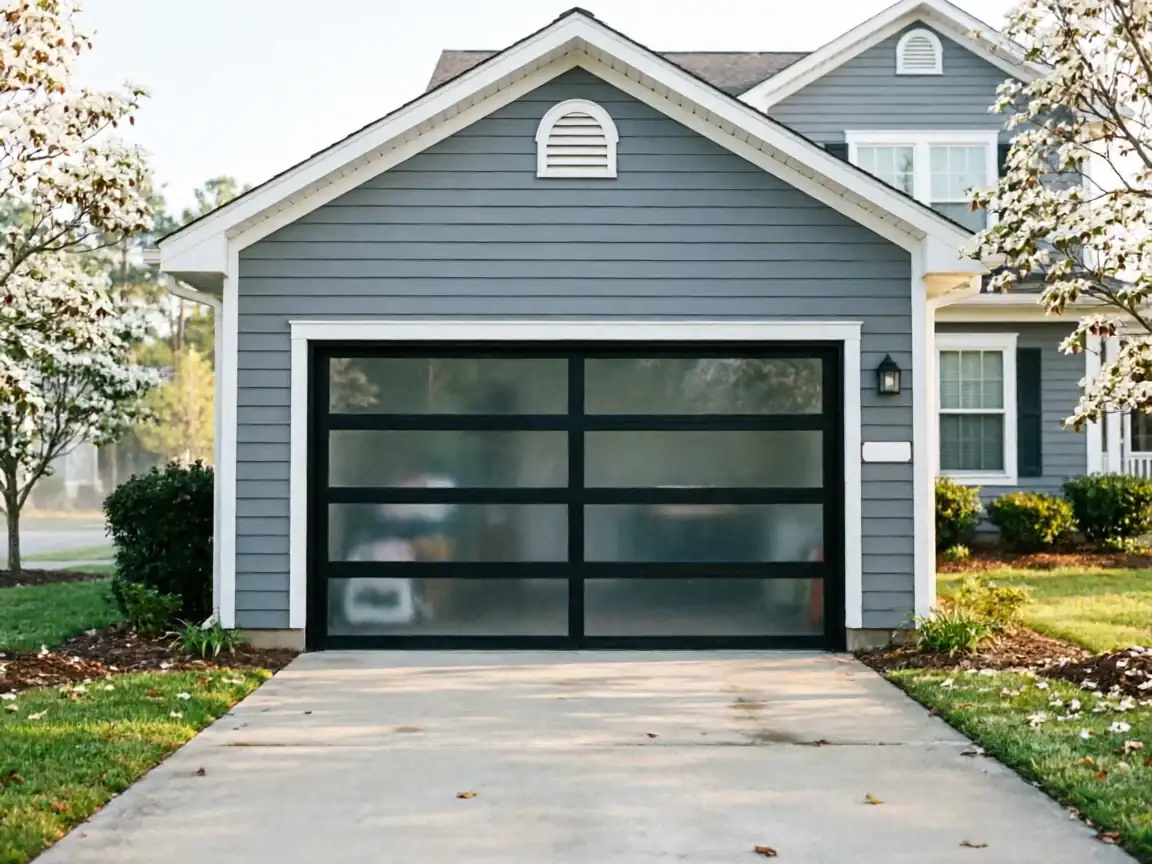
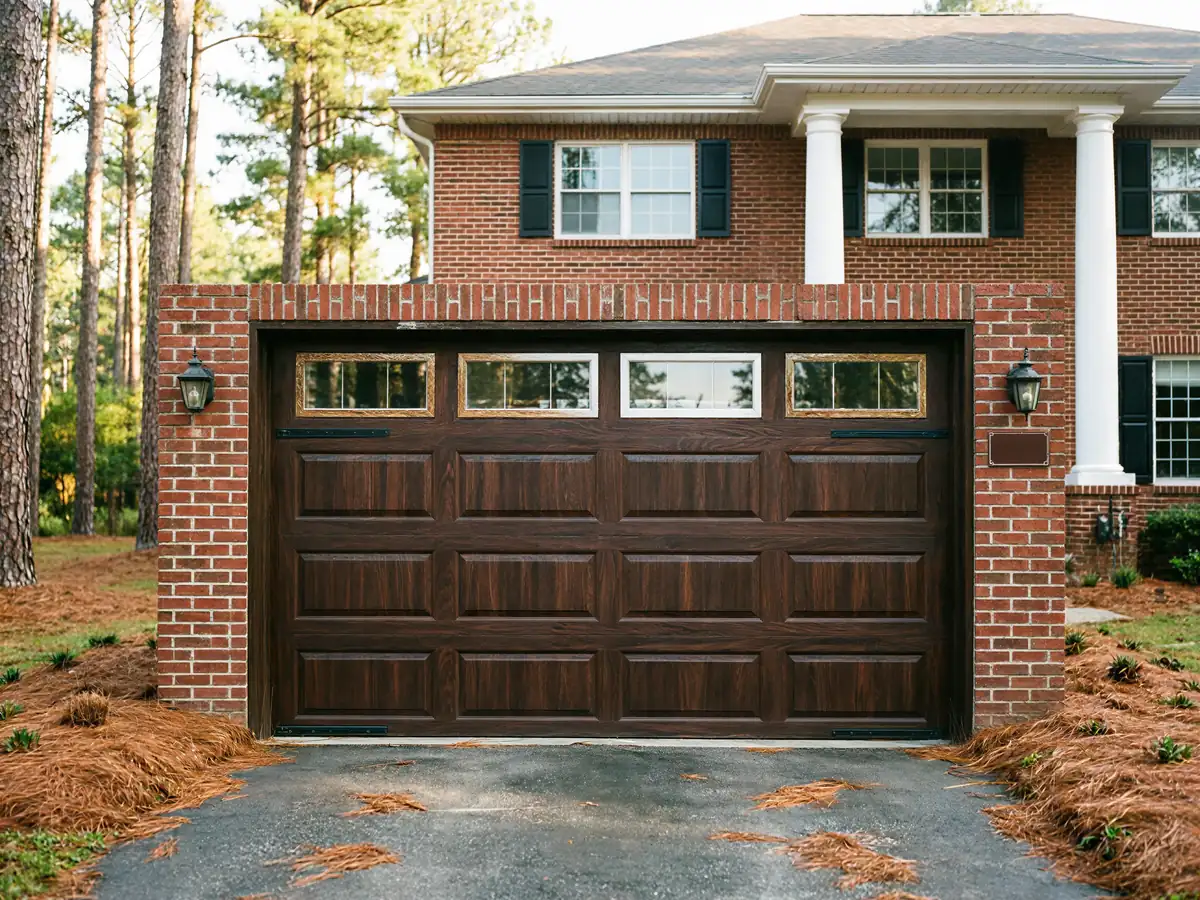
We don't publish a flat number here because door size, insulation level, and opener choice swing the total more than anything else. What we can tell you is what drives the quote in this area specifically: median household income across our service communities sits around $61,454, but the Senoia households we're quoting for run closer to $121,505. That difference shows up in what people actually choose - insulated steel doors with a heavier gauge panel, windows, and quieter belt-drive openers come up more often here than the bare minimum builder door. We price against the door you ask for, not an assumption about your budget. A standard double without extras costs less than an insulated model with a premium opener, and we'll lay out both options on the visit so you're picking, not guessing.
How We Fix It
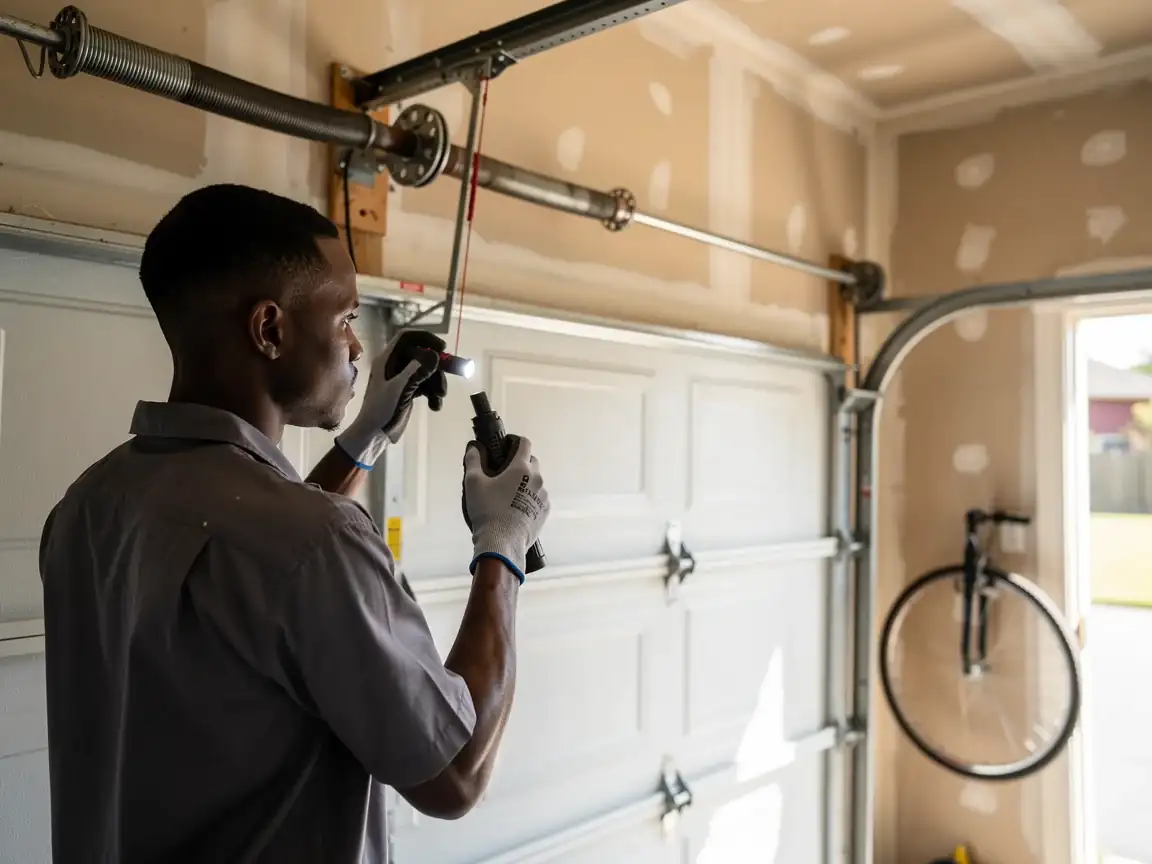
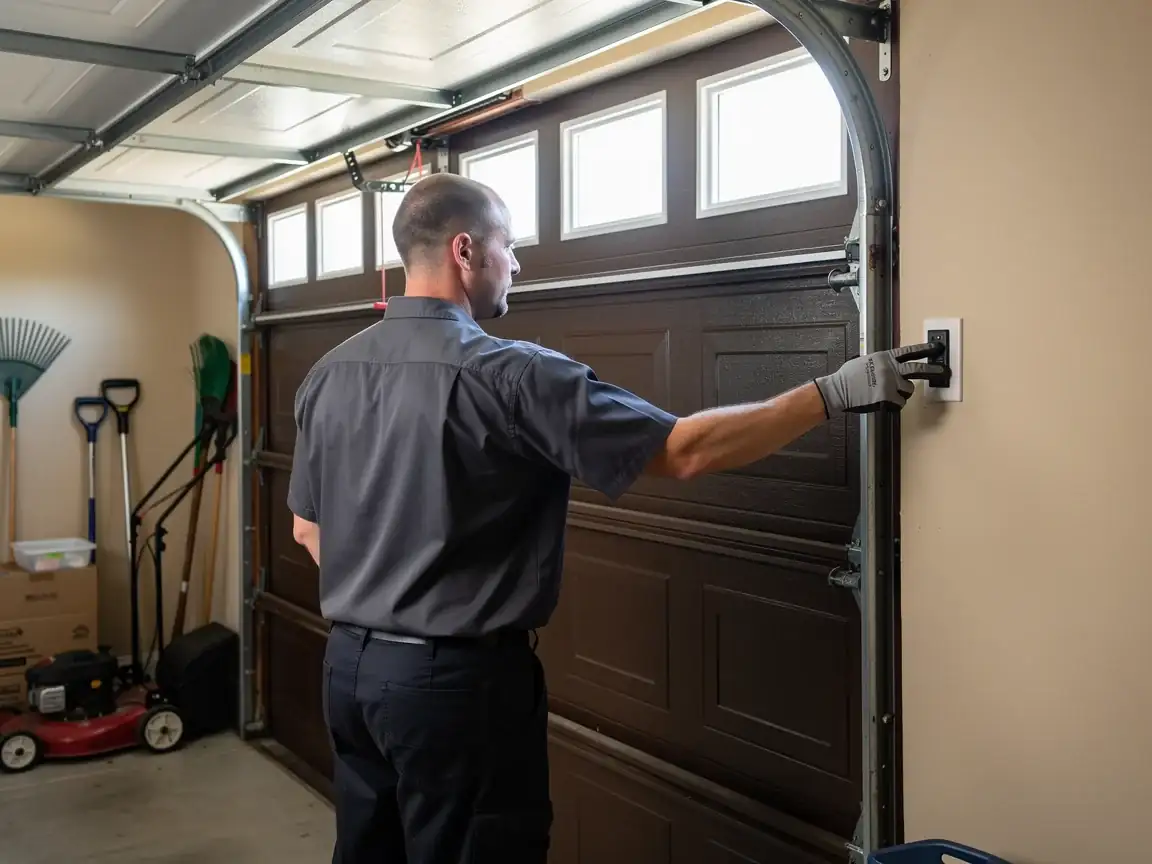
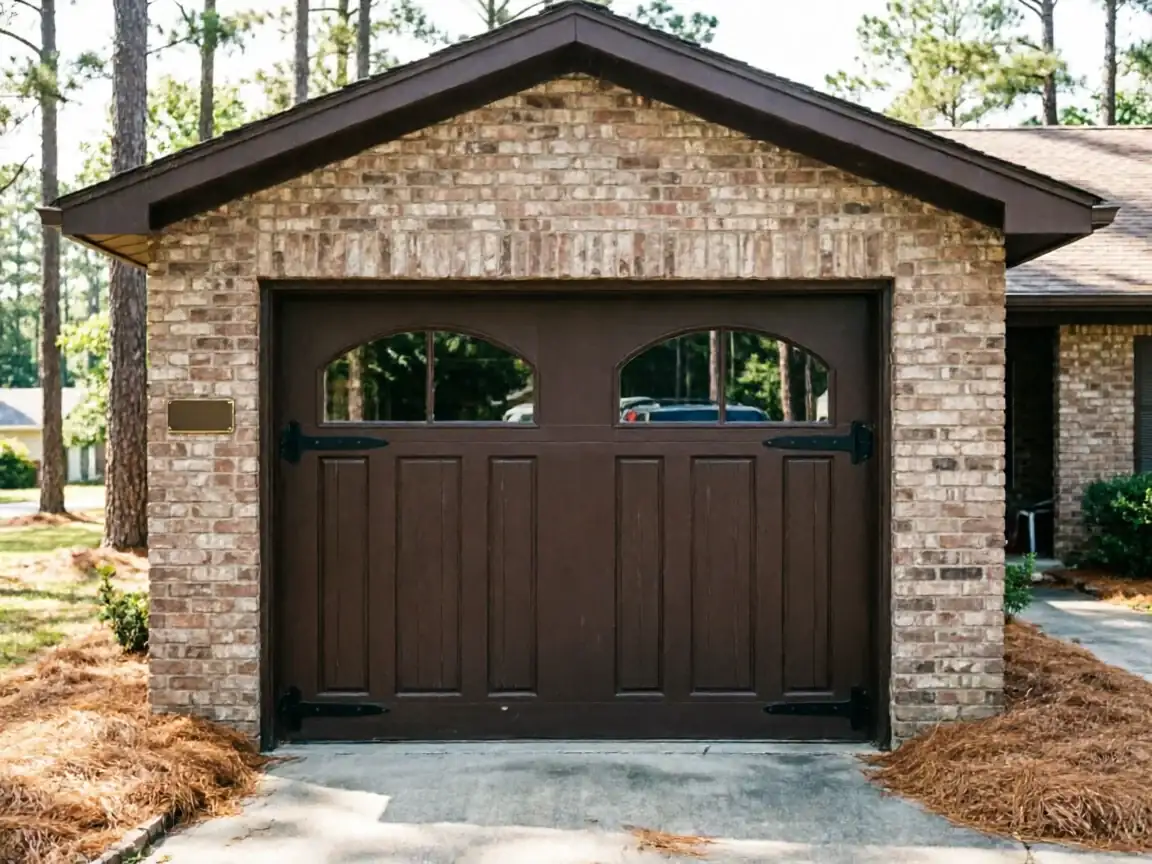
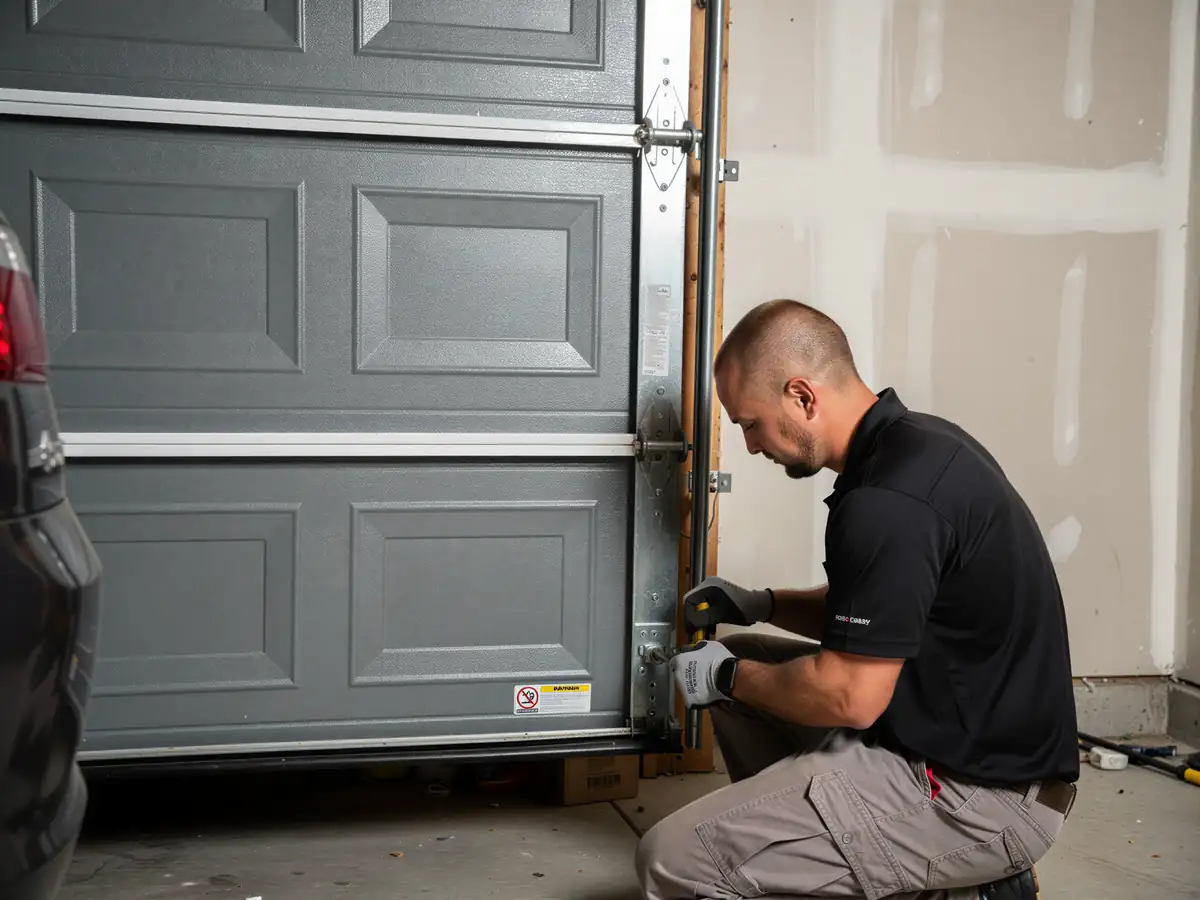
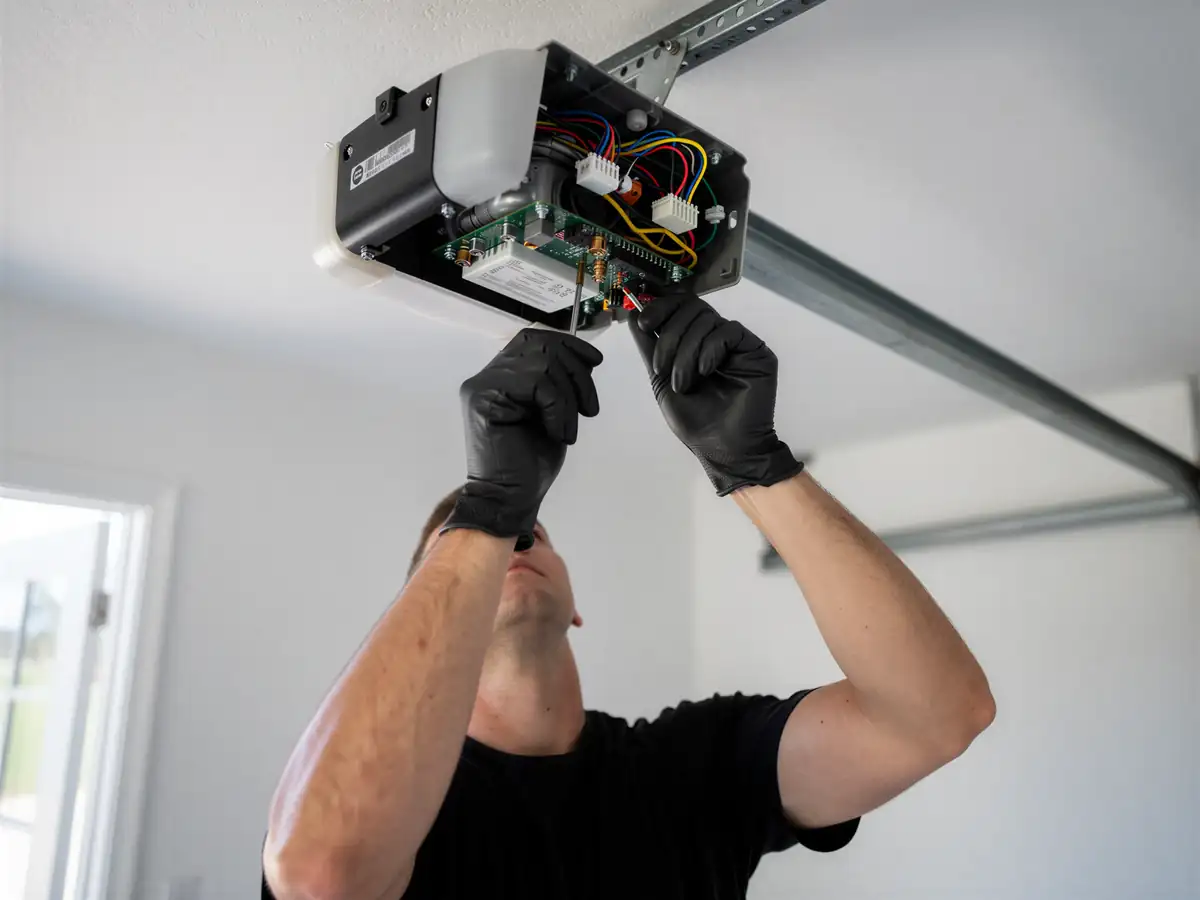
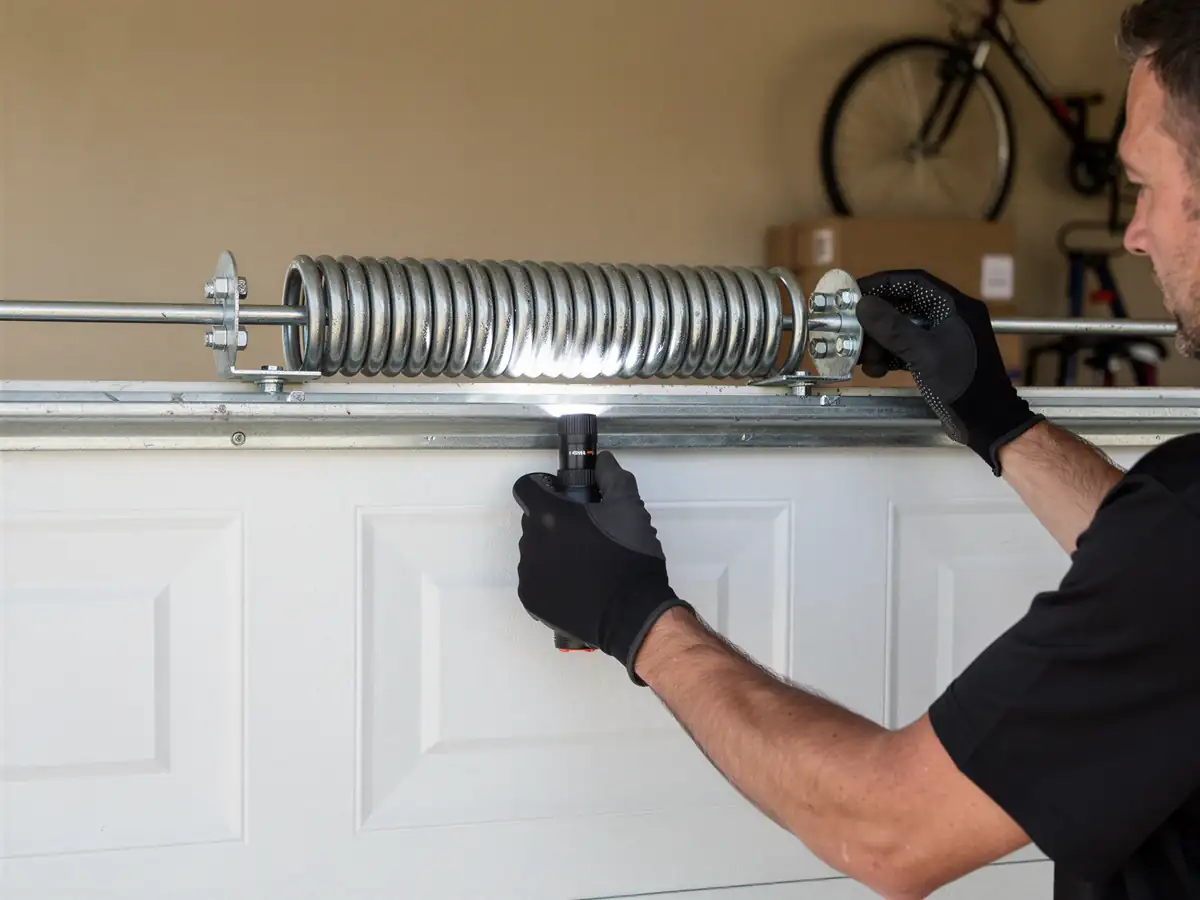
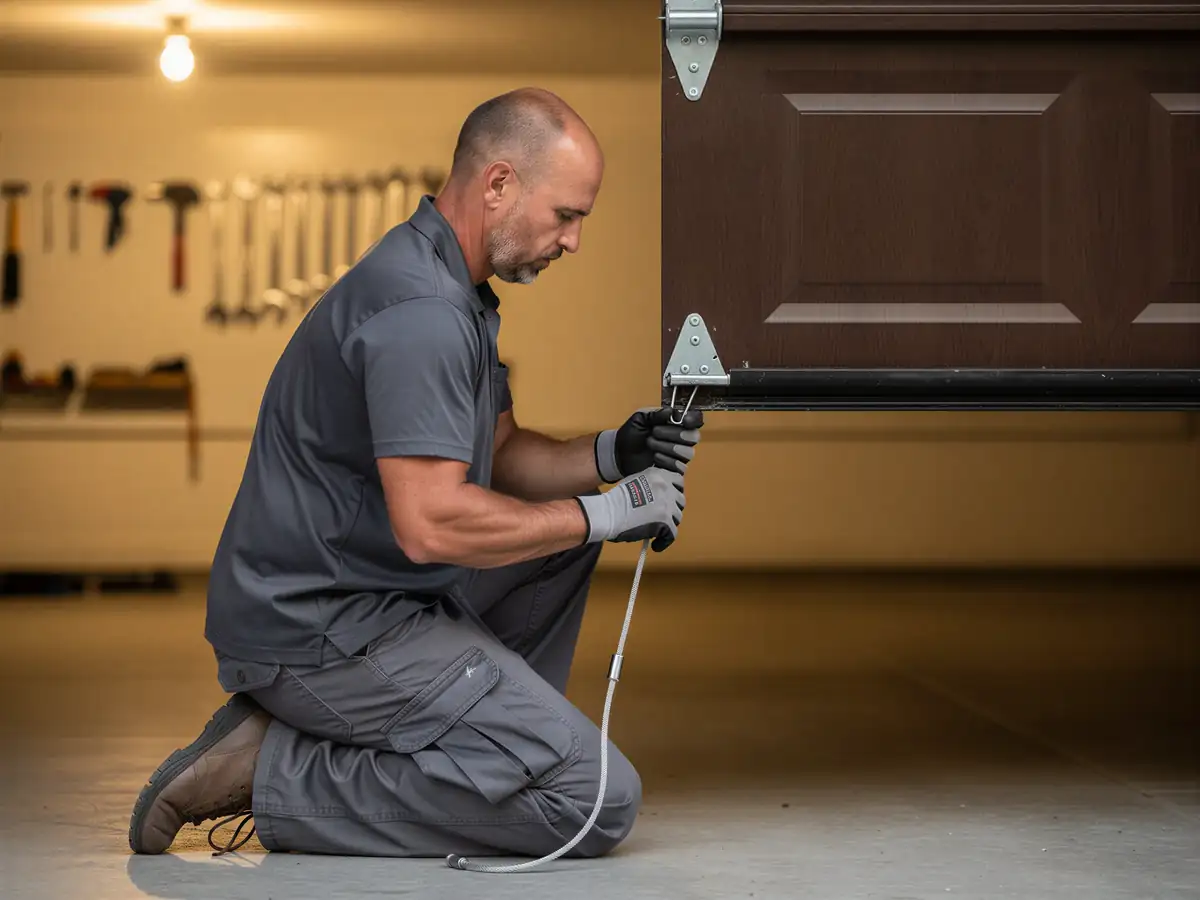
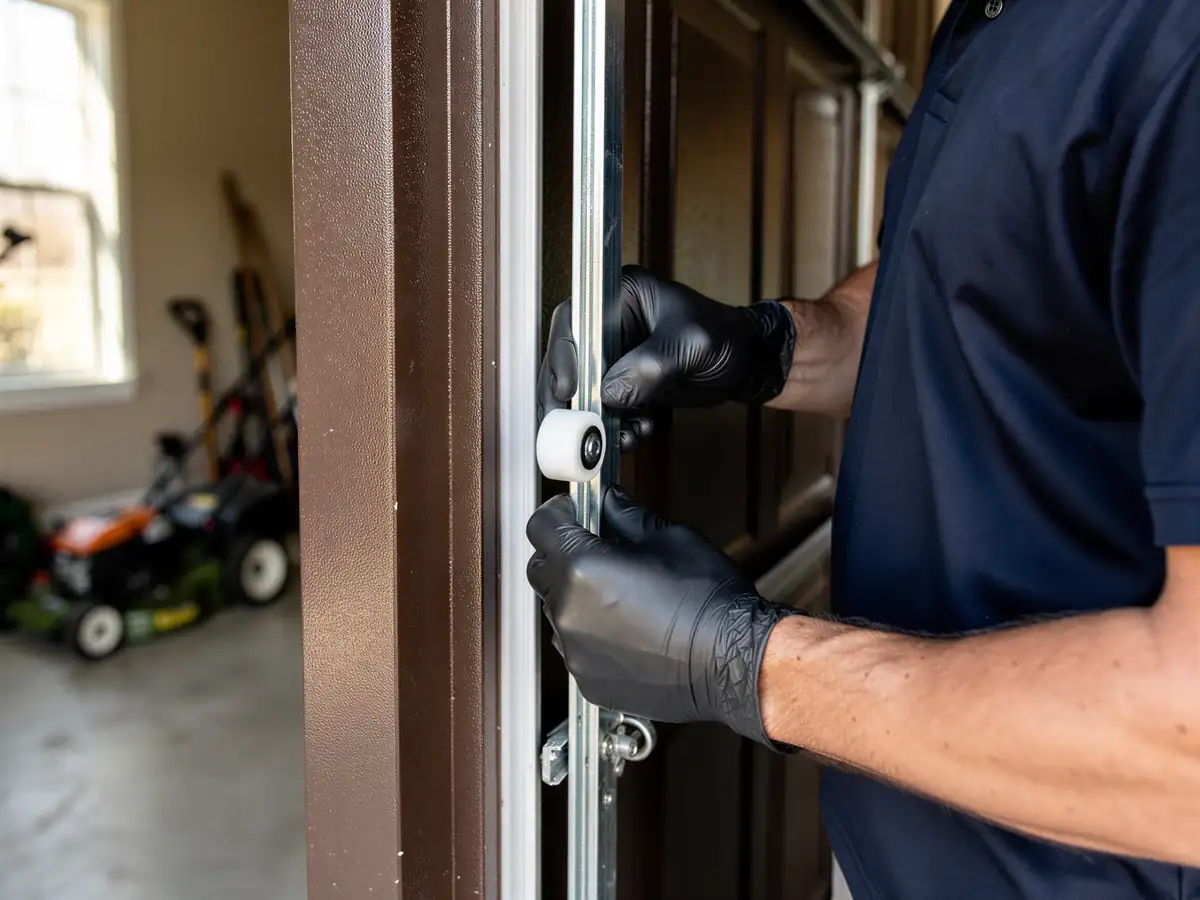
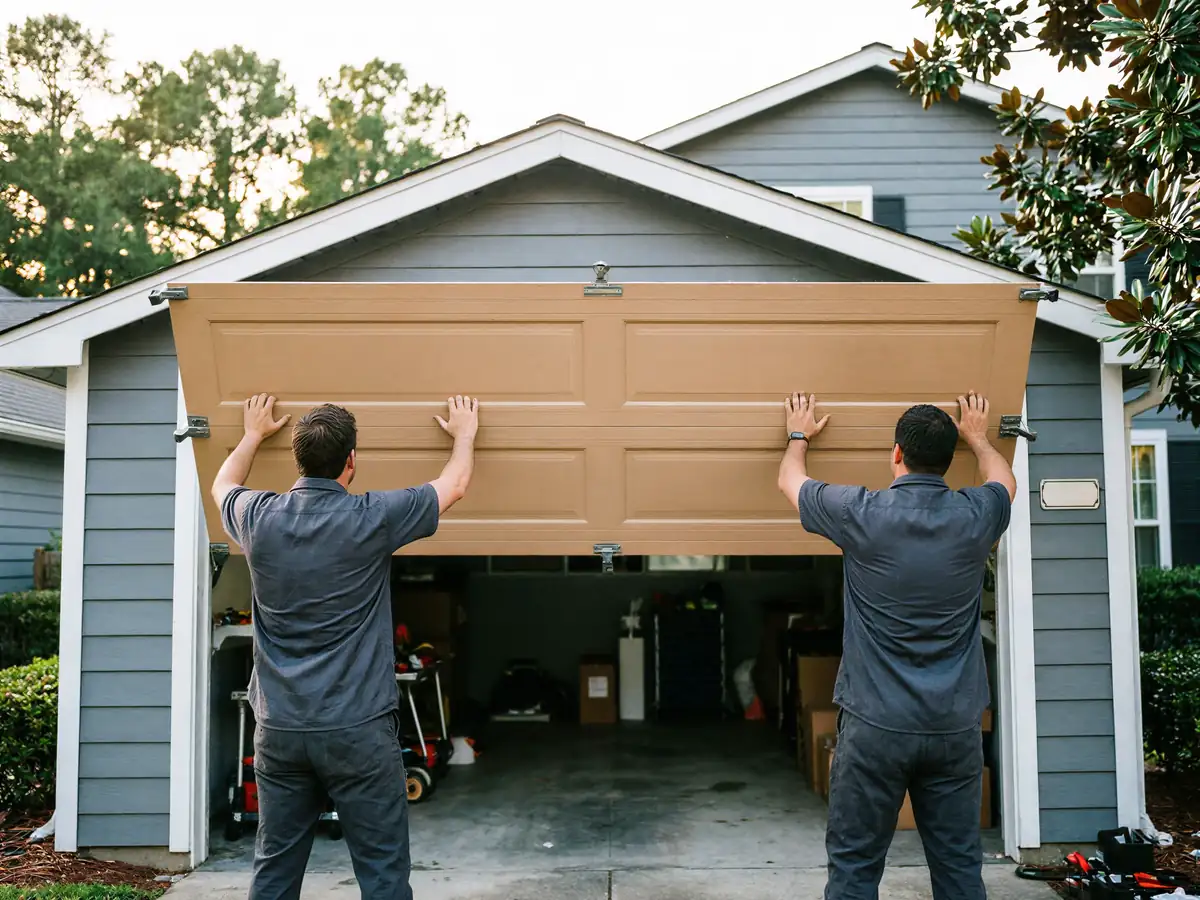
Installation on a 2005-era double is a half-day job in most cases - old door and track out, new track plumbed and leveled, torsion spring matched to the new door's weight, panel set and balanced, opener mounted and synced to the wall unit and remotes. Because the openings in this area tend to be standard sizes, we're rarely cutting jambs or rebuilding a header, which keeps the labor side predictable. One limitation worth naming: if you want a custom width or a carriage-style door that isn't a stock size, lead time on that panel comes from the manufacturer, not from us, and it can push the install date out past what you'd expect for a standard order. For anything short of that, we balance the spring to the door's actual weight rather than a chart number, because a spring that's even a few pounds off either way is what causes the hard slams and the hum you'll notice within the first year.