How Long It Takes
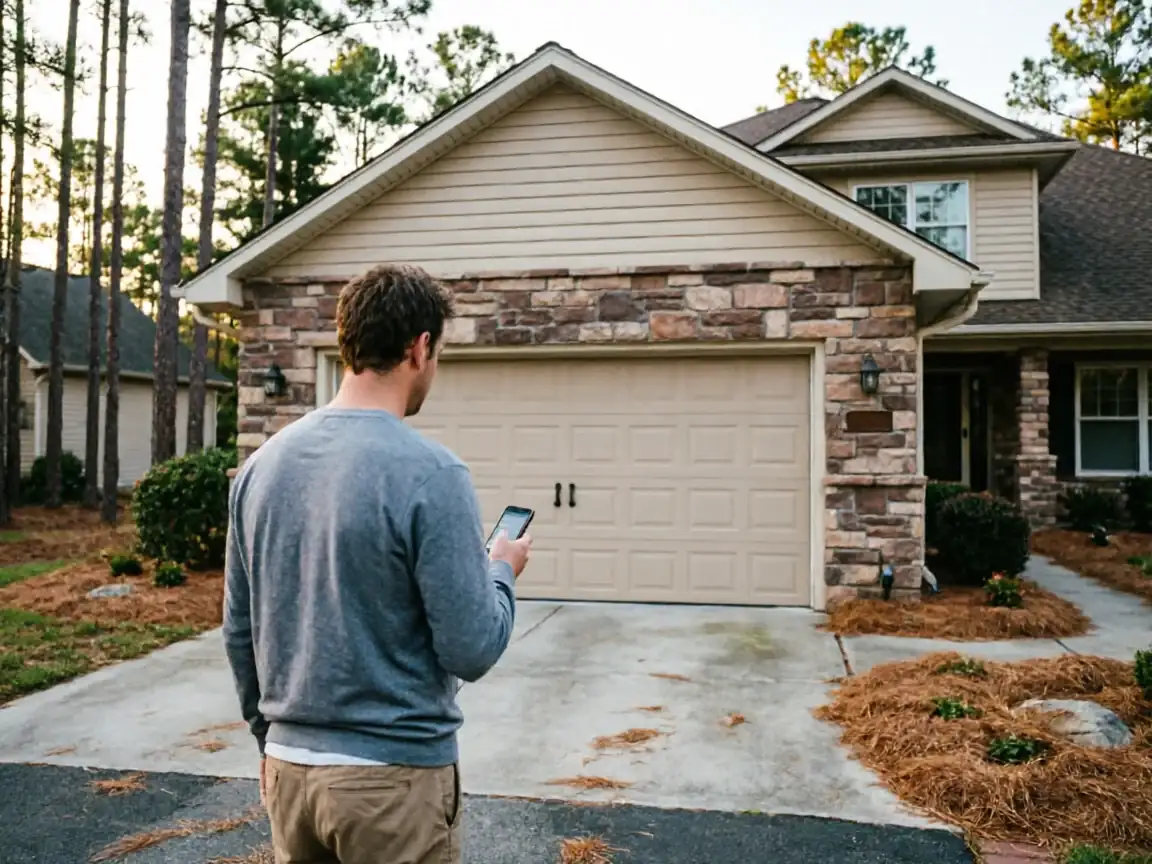
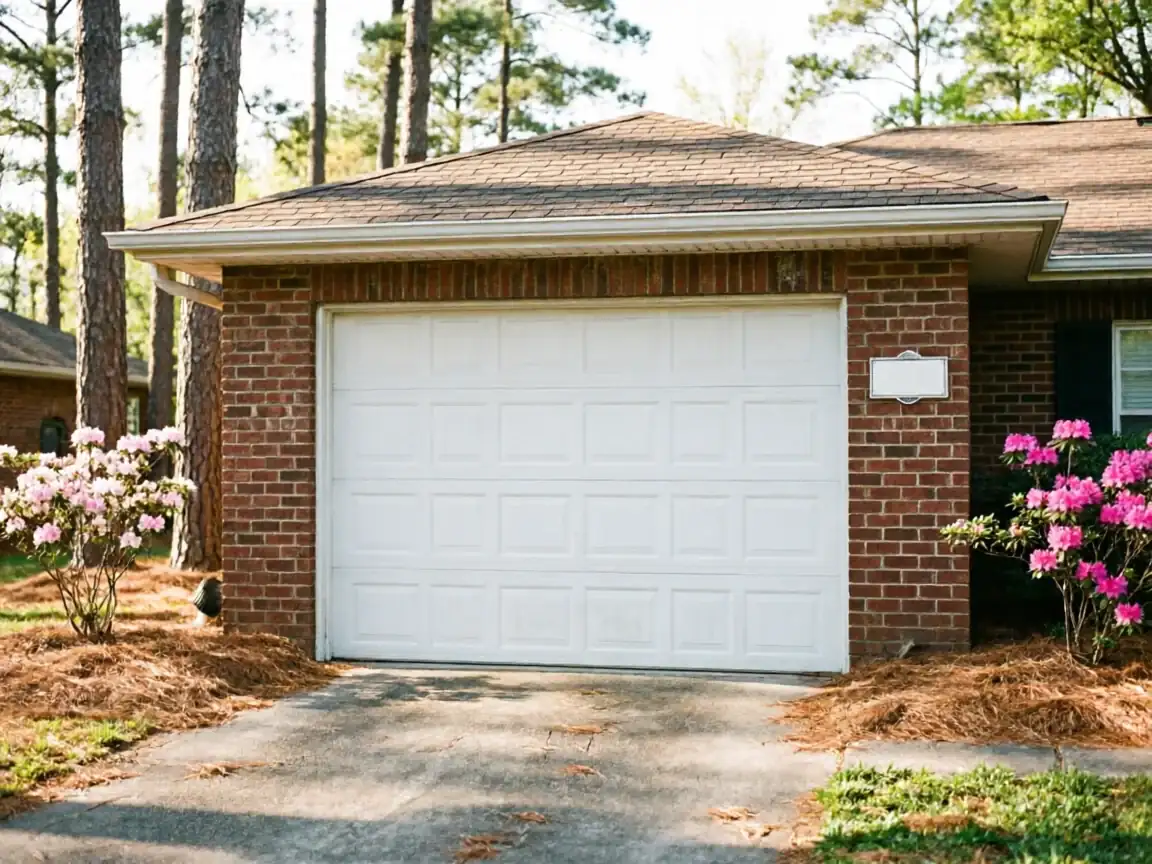
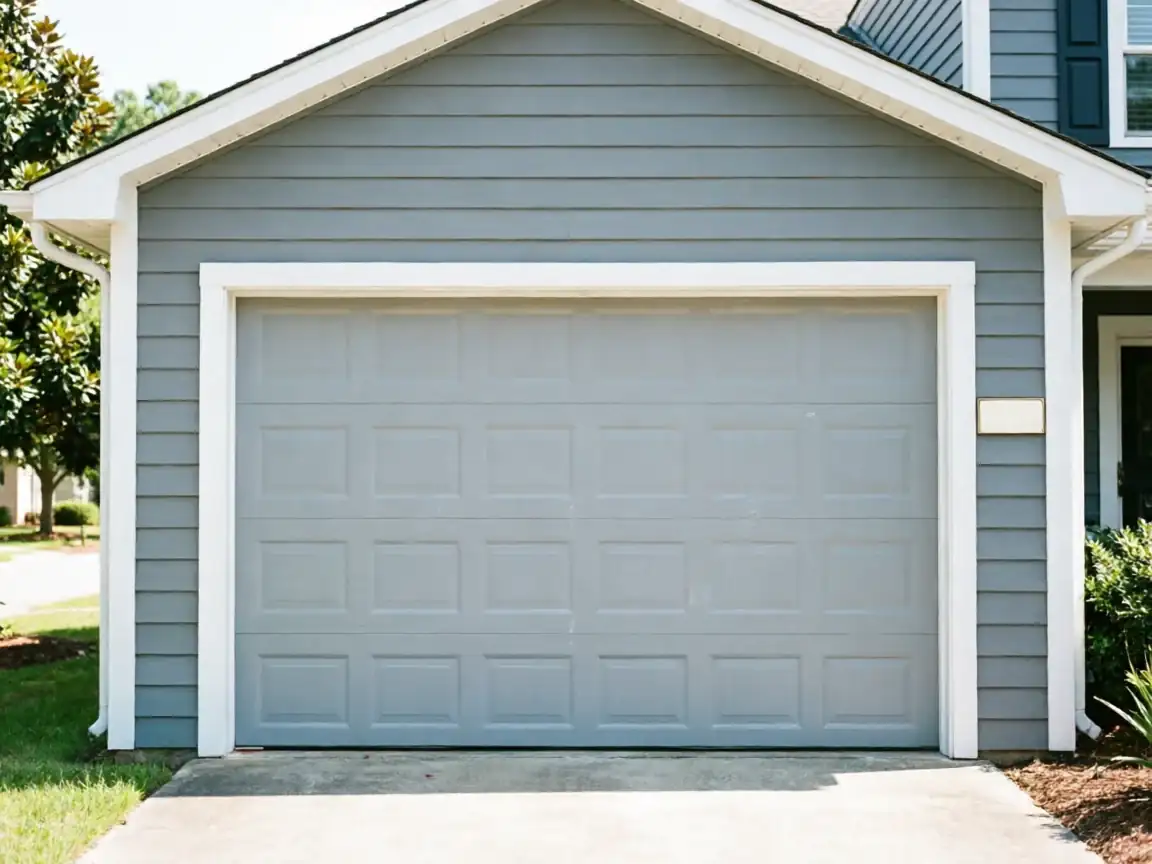
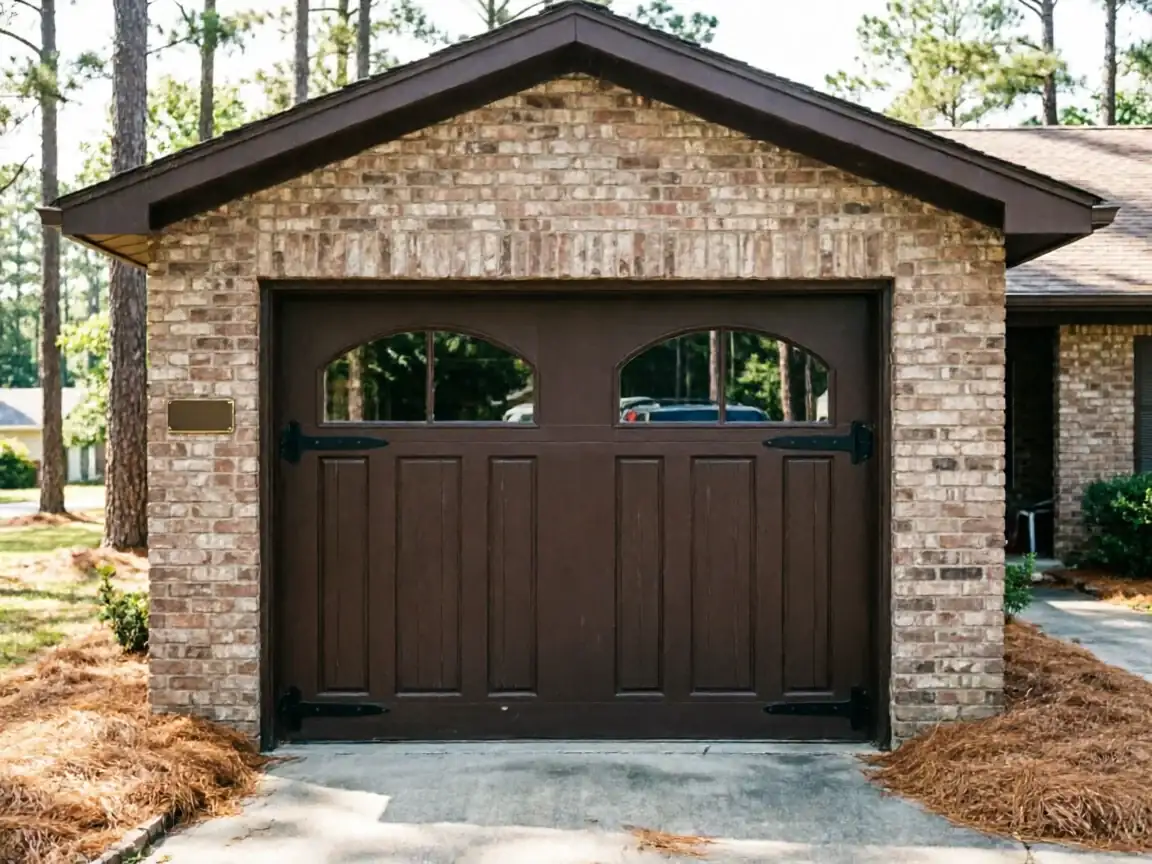
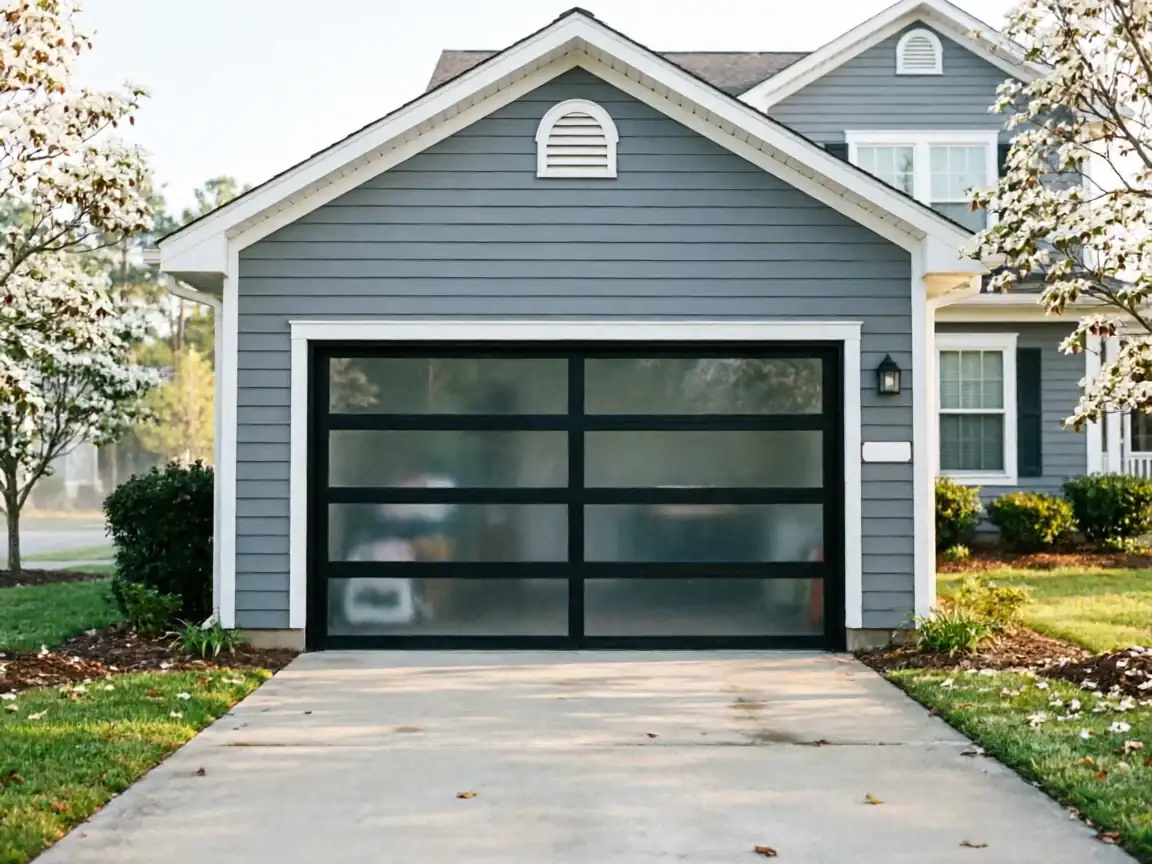
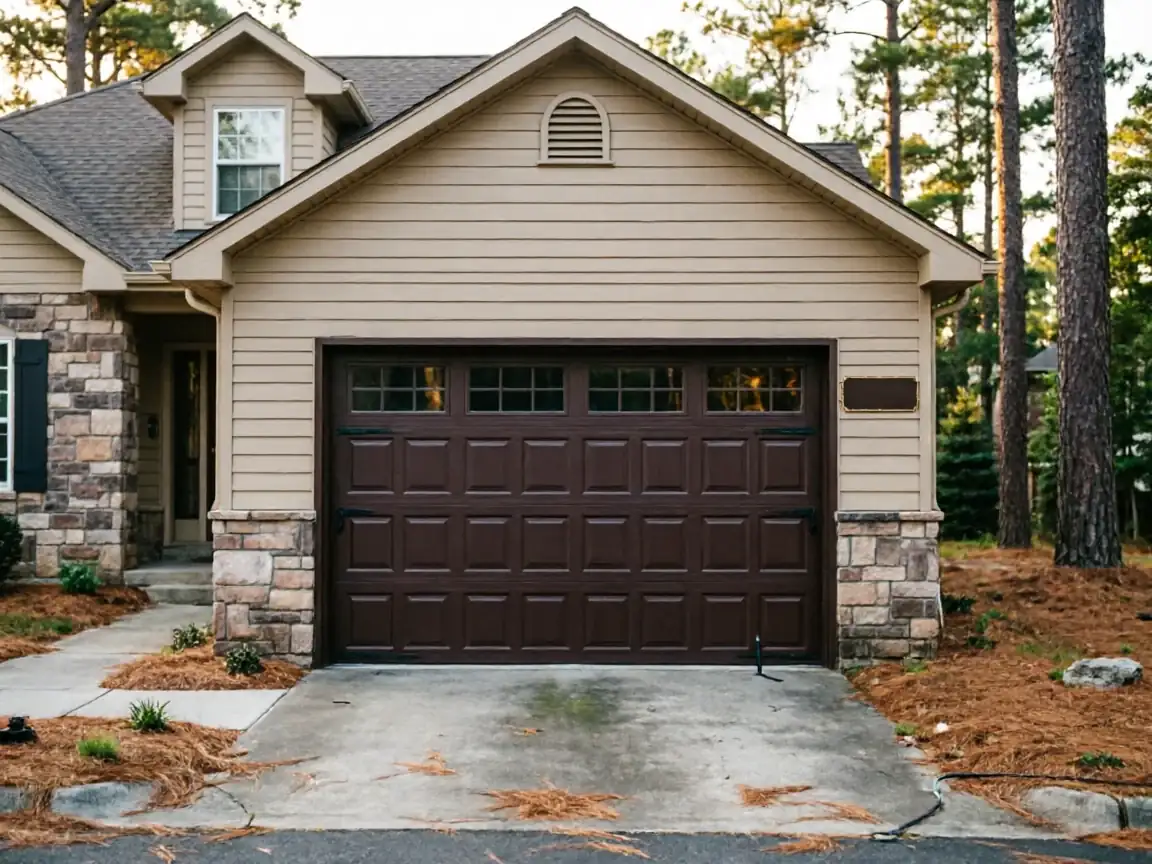
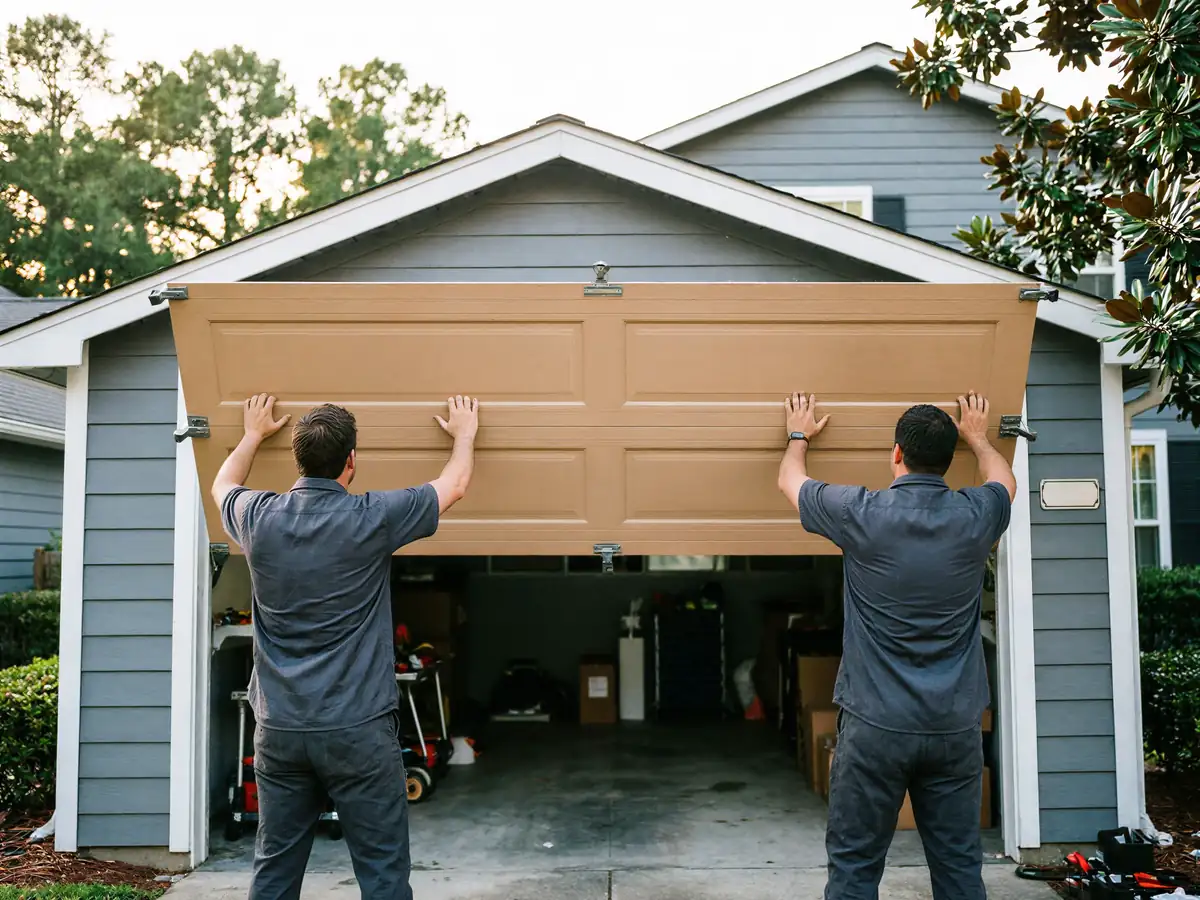
A typical Tyrone home was built close to the year 2000, which puts most garage doors here at over two decades old with the original hardware still bolted on - same rollers, same torsion spring, same opener. A straightforward single-door swap on a house like that usually runs a half-day once the new door and track are on the truck. Double doors, or anything where the opening has settled slightly out of square since the slab cured twenty-plus years ago, takes longer because the jambs need shimming to take a new door flush. We come from Fayetteville, about 7 miles out, so the job itself is the time sink, not the drive. If the old opener's wiring run has to be redone to meet current code, add time for that too - builder-grade electrical from 2000 wasn't always generous with circuits for garage equipment.
Can You Do This Yourself
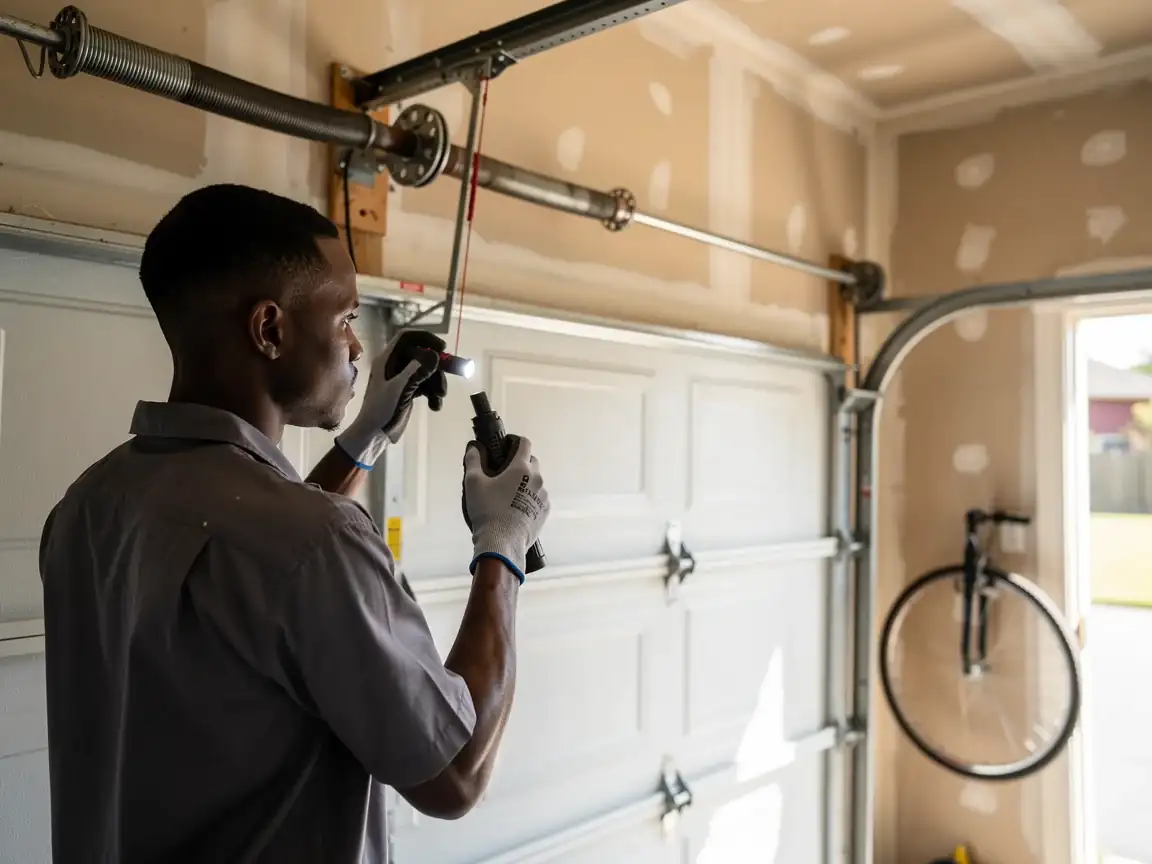
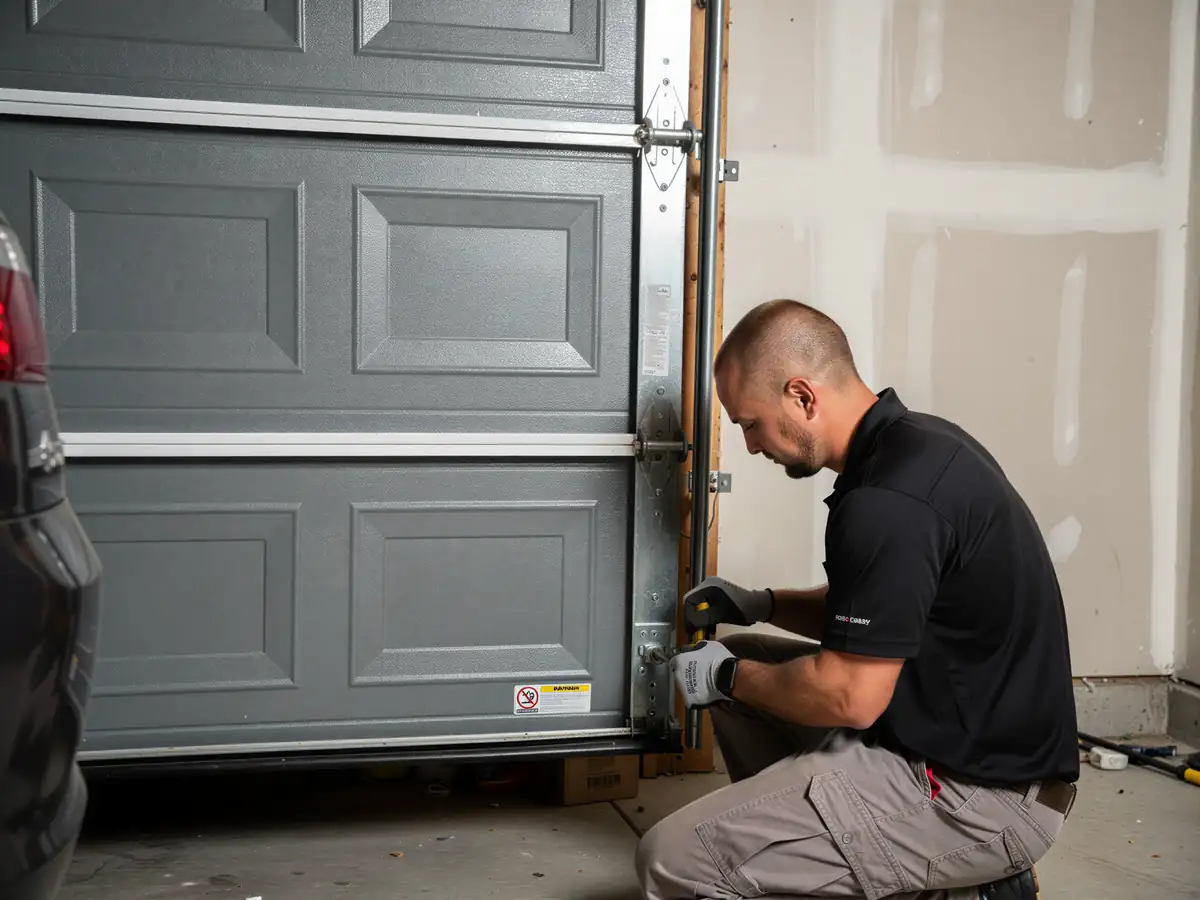
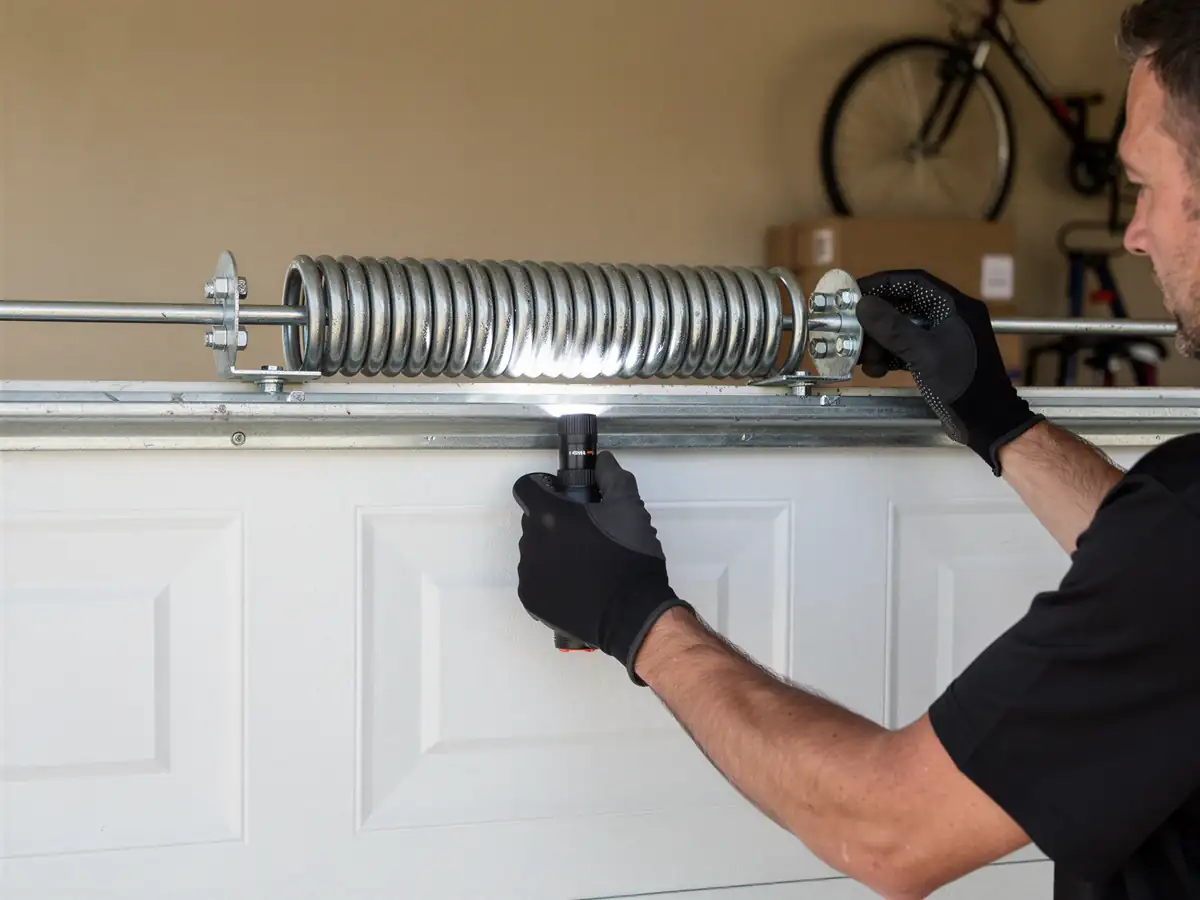
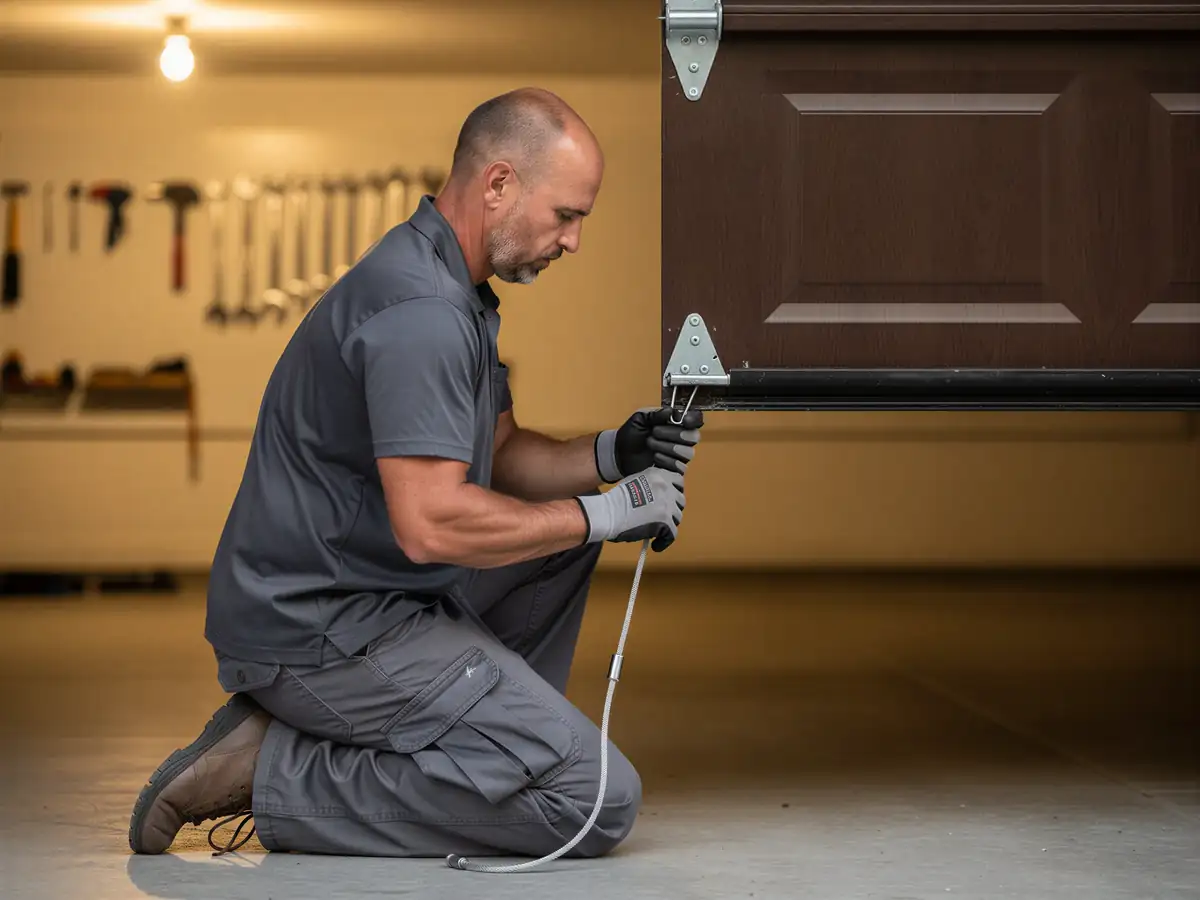
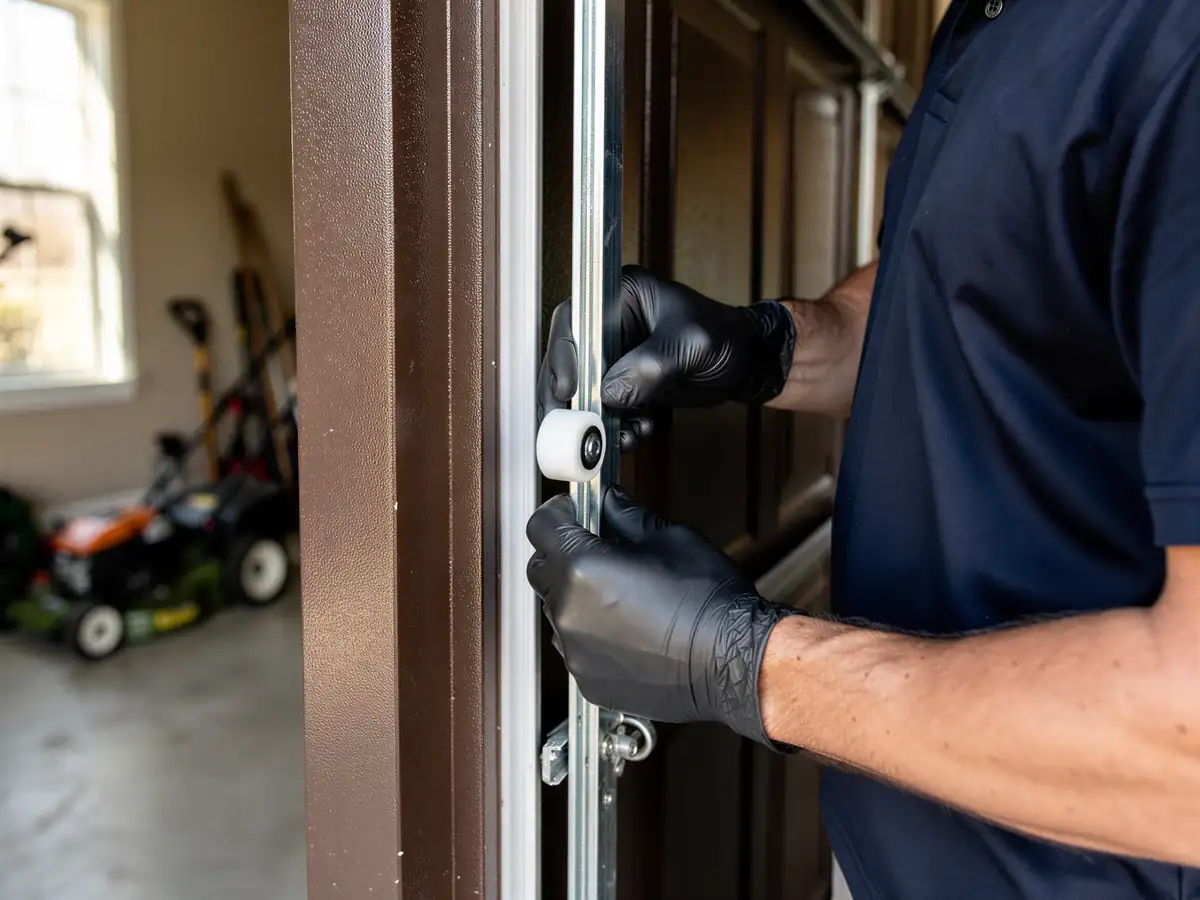
Swapping a garage door yourself is not like swapping a storm door. The torsion spring that's been wound tight since roughly 2000 stores enough force to break a bone if the winding bars slip, and most homeowners don't own winding bars to begin with. Setting new track plumb and getting cable tension even on both sides is where DIY installs usually go wrong - the door looks fine standing still and then binds or drops the first time it's run. If you're only replacing weatherstripping or a section of bottom seal, that's a reasonable weekend job. Replacing the door, the spring system, or the opener together is where we'd tell you honestly it's not worth the risk to save a service call.
What Can Go Wrong
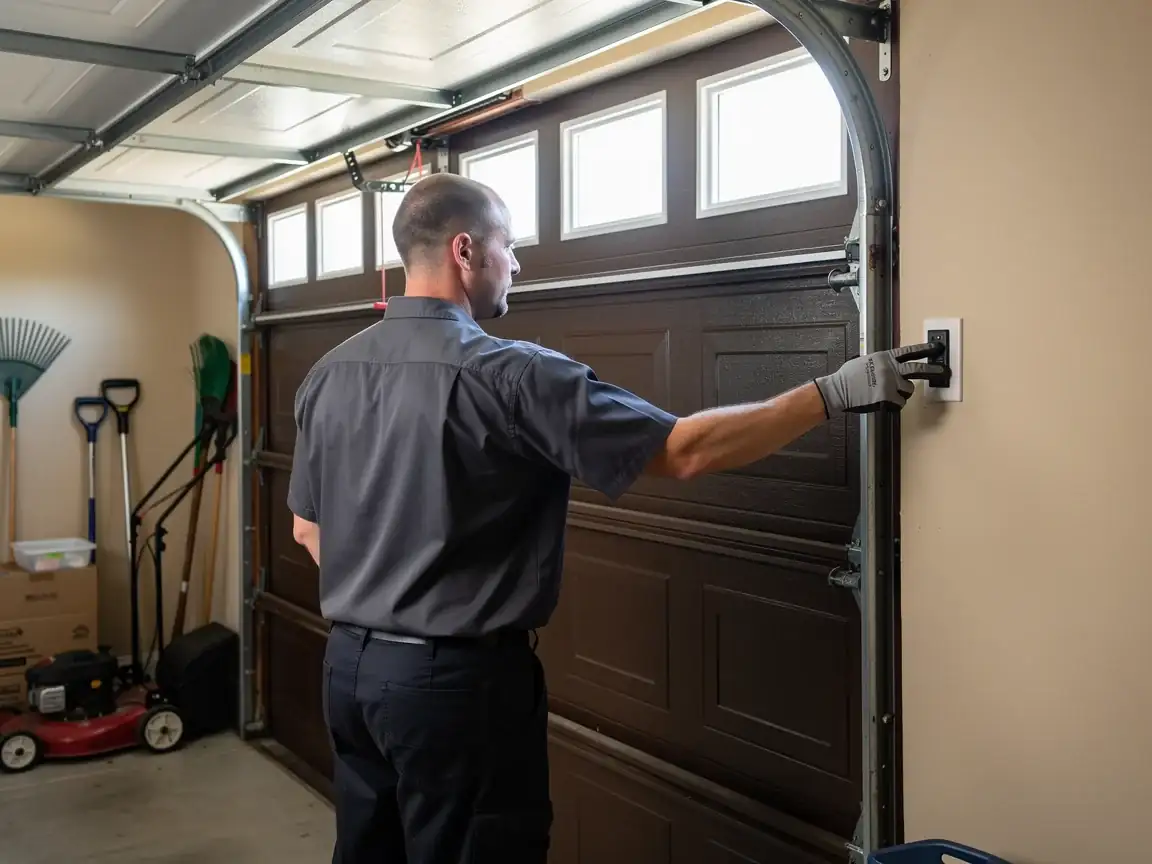
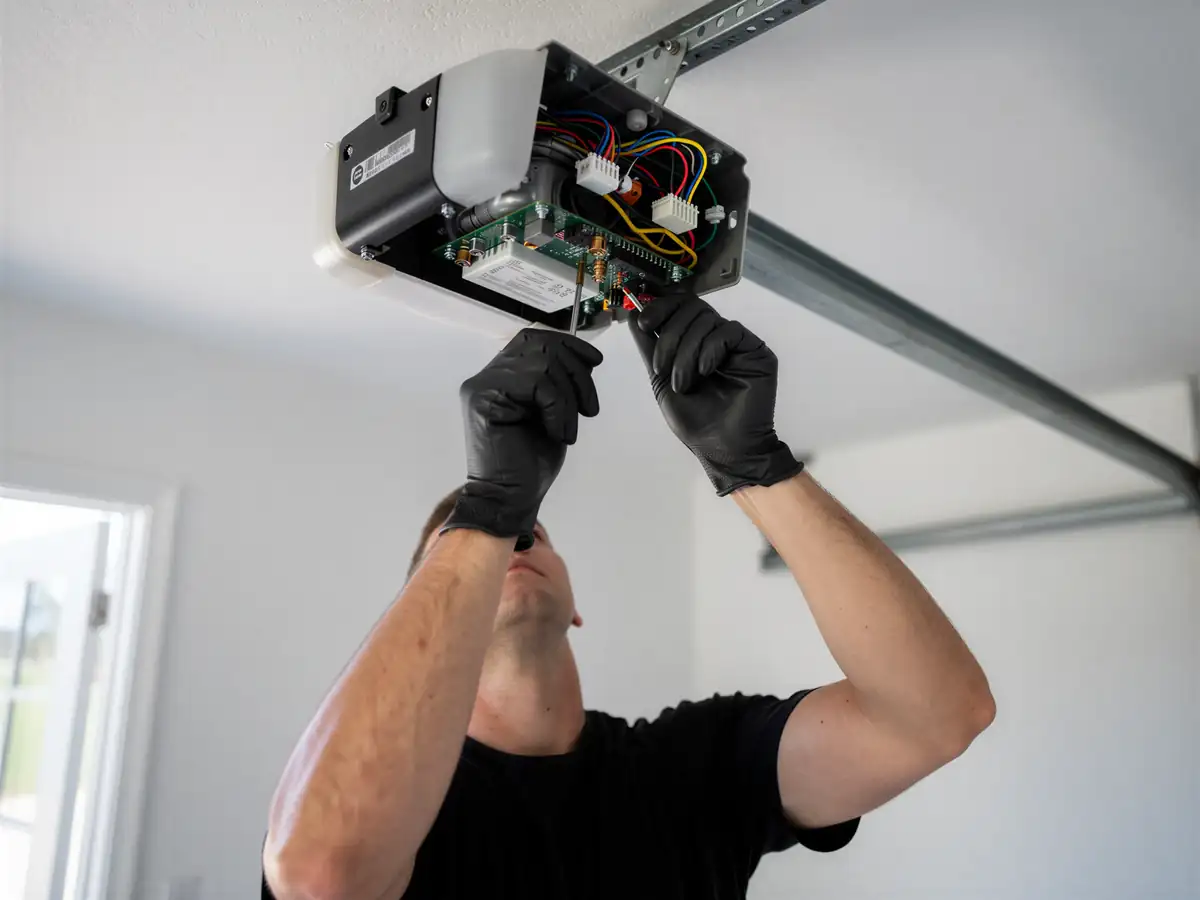
On a house from the 2000 era, the door is rarely the only original part still in service - the opener logic board, the safety sensors, and the wall button are often original too. Installing a new door on an opener that old risks a mismatch: newer doors are heavier in spots or lighter in others than what the opener was calibrated for decades back, and that shows up as an opener that struggles or a door that reverses for no reason. Tyrone's winters aren't severe, but the area sits in a moderate cold climate band, and a door installed without attention to bottom seal fit will let cold air sit against anything stored against that wall. The other failure point is the jamb itself - twenty-plus years of minor settling means the new door has to be shimmed to the opening as it actually is now, not as it was built.