The Symptom
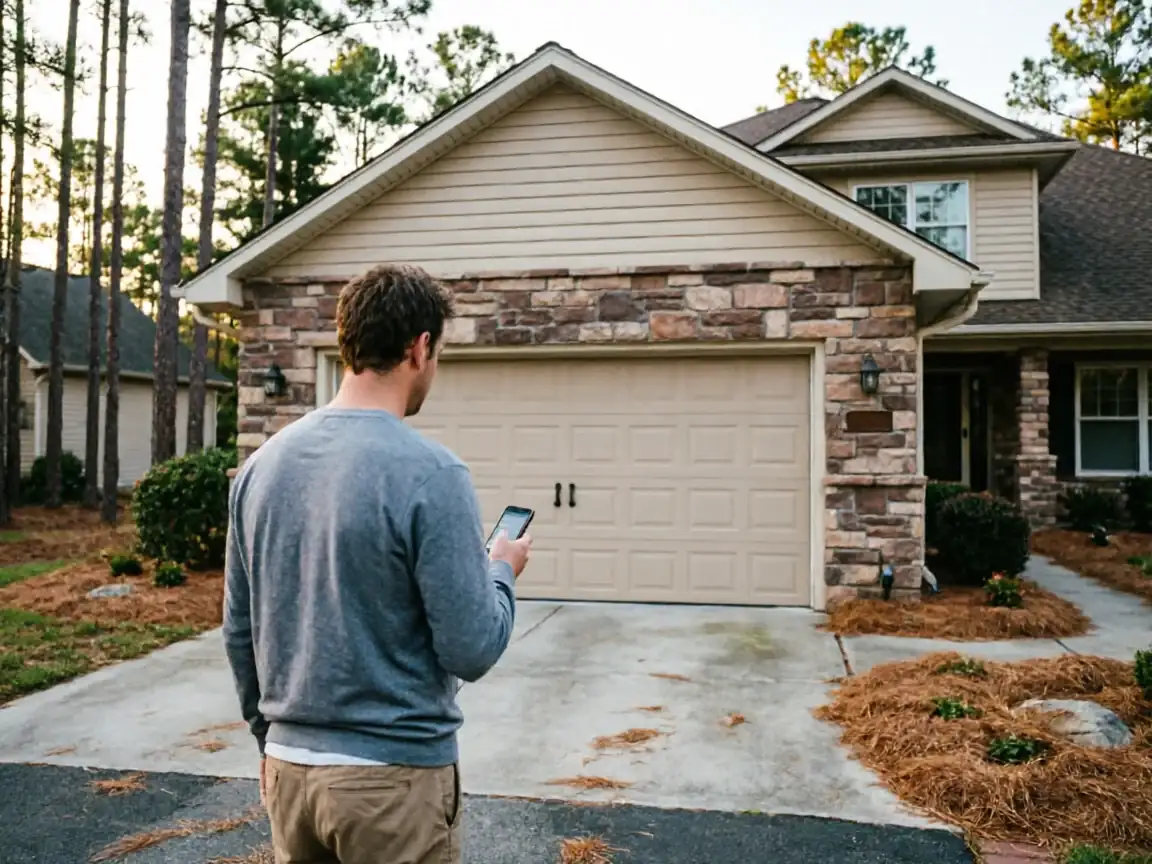
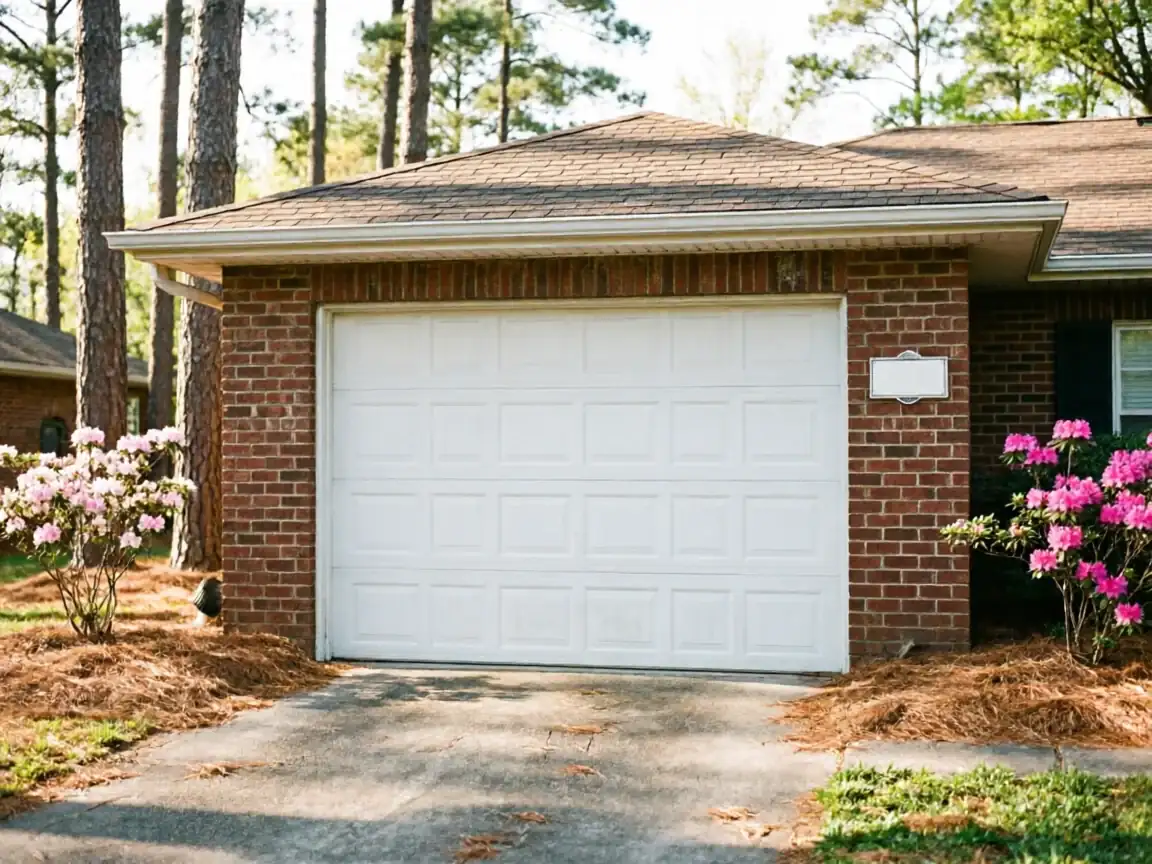
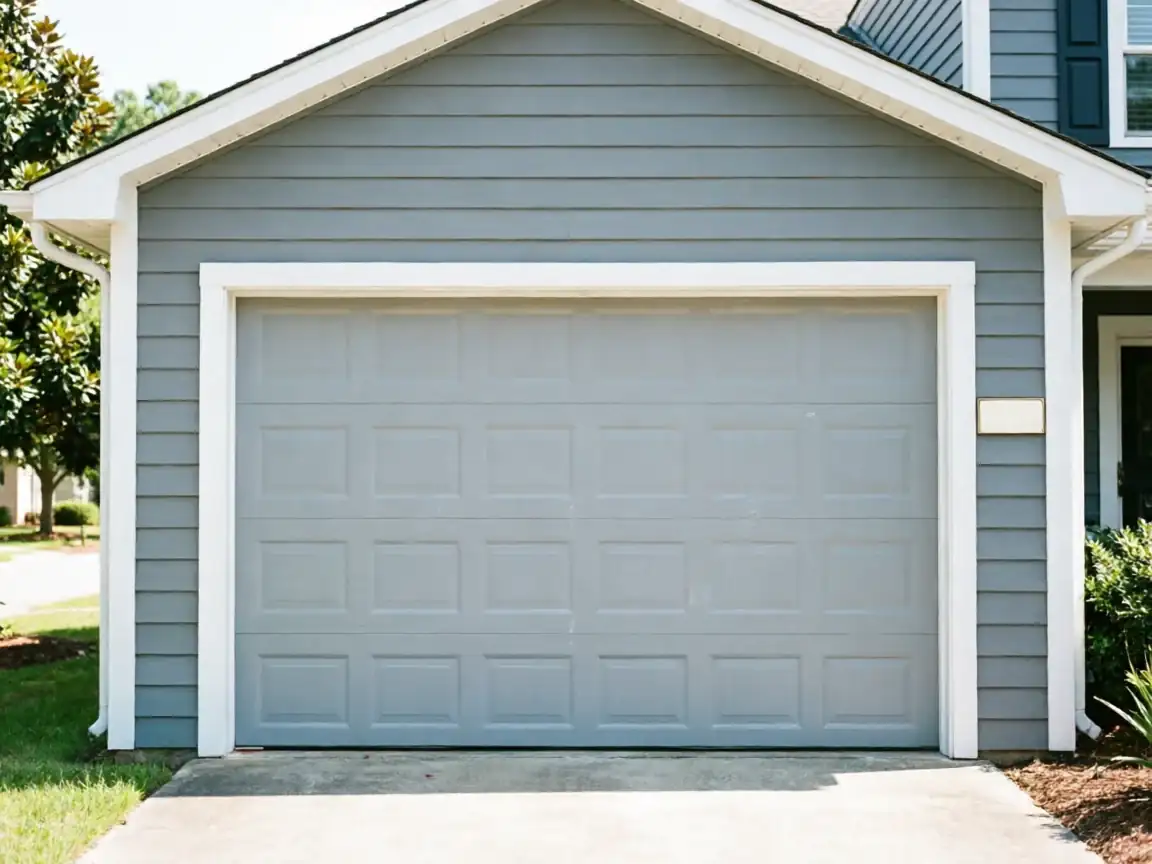
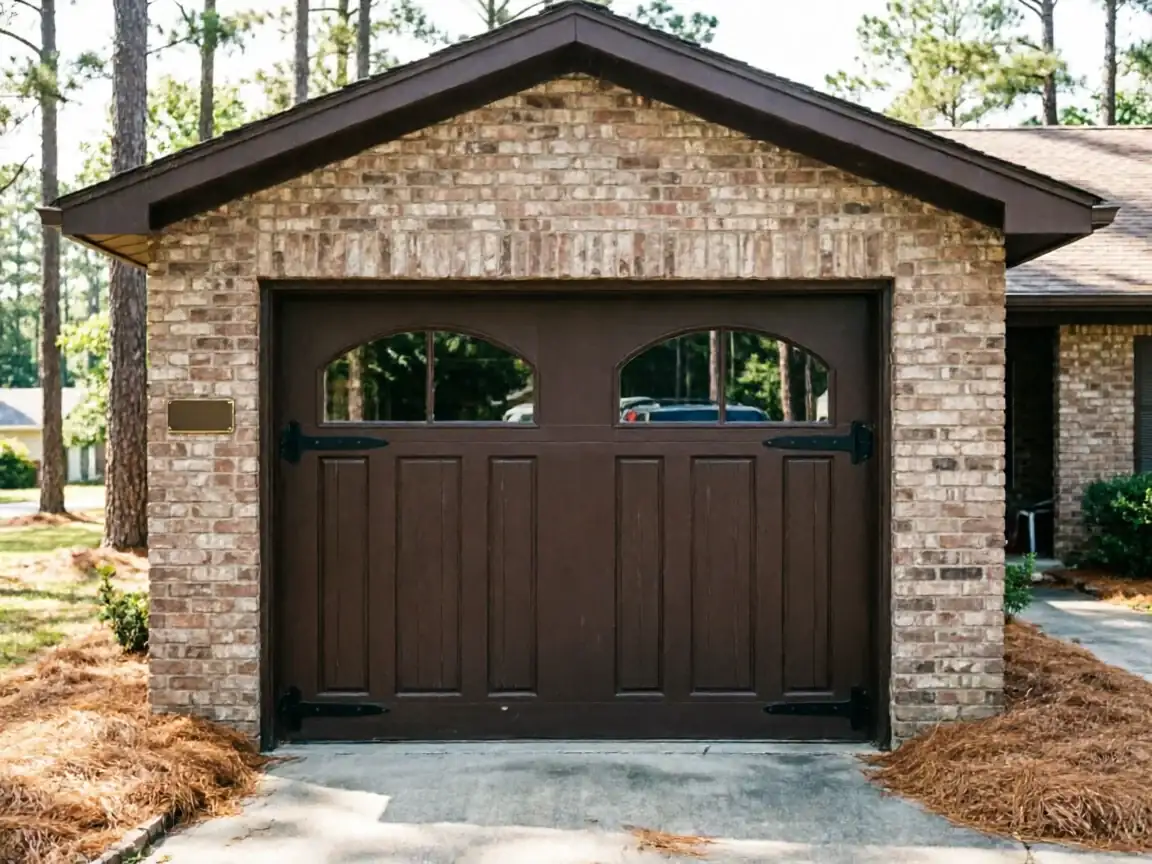
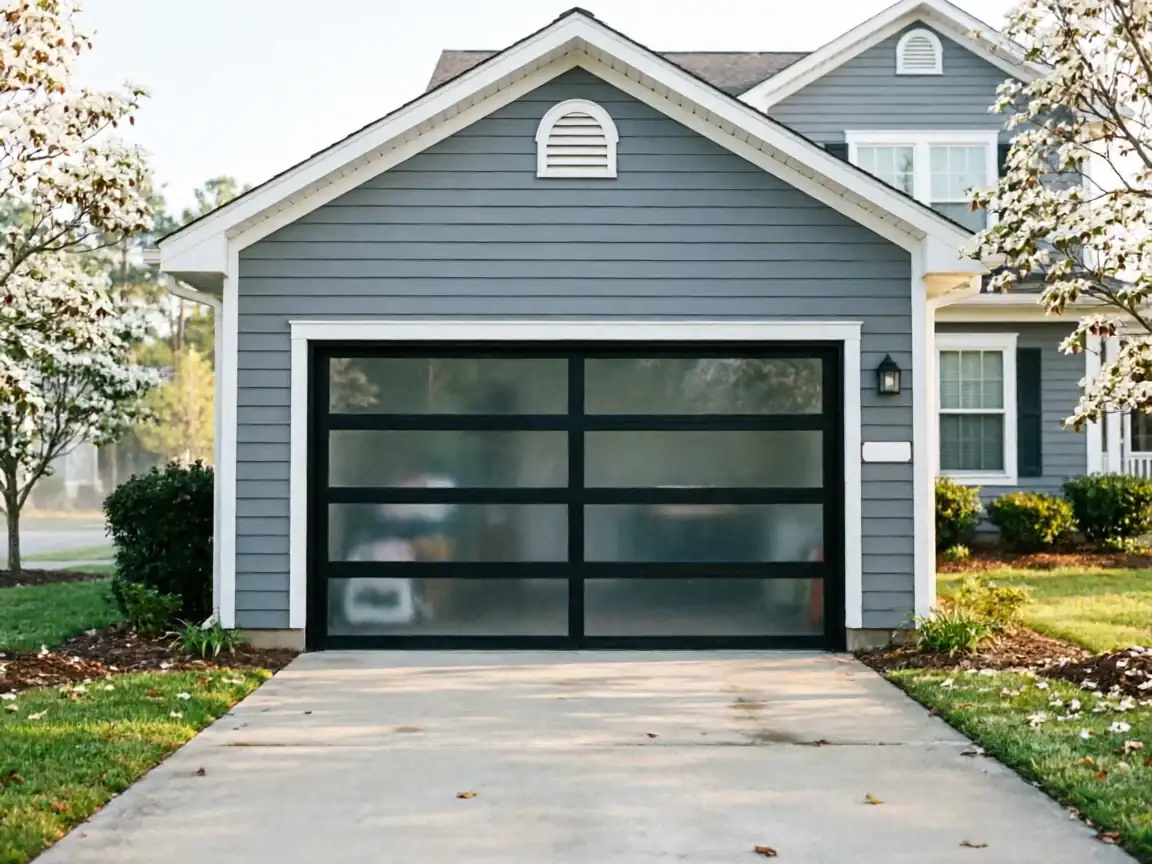
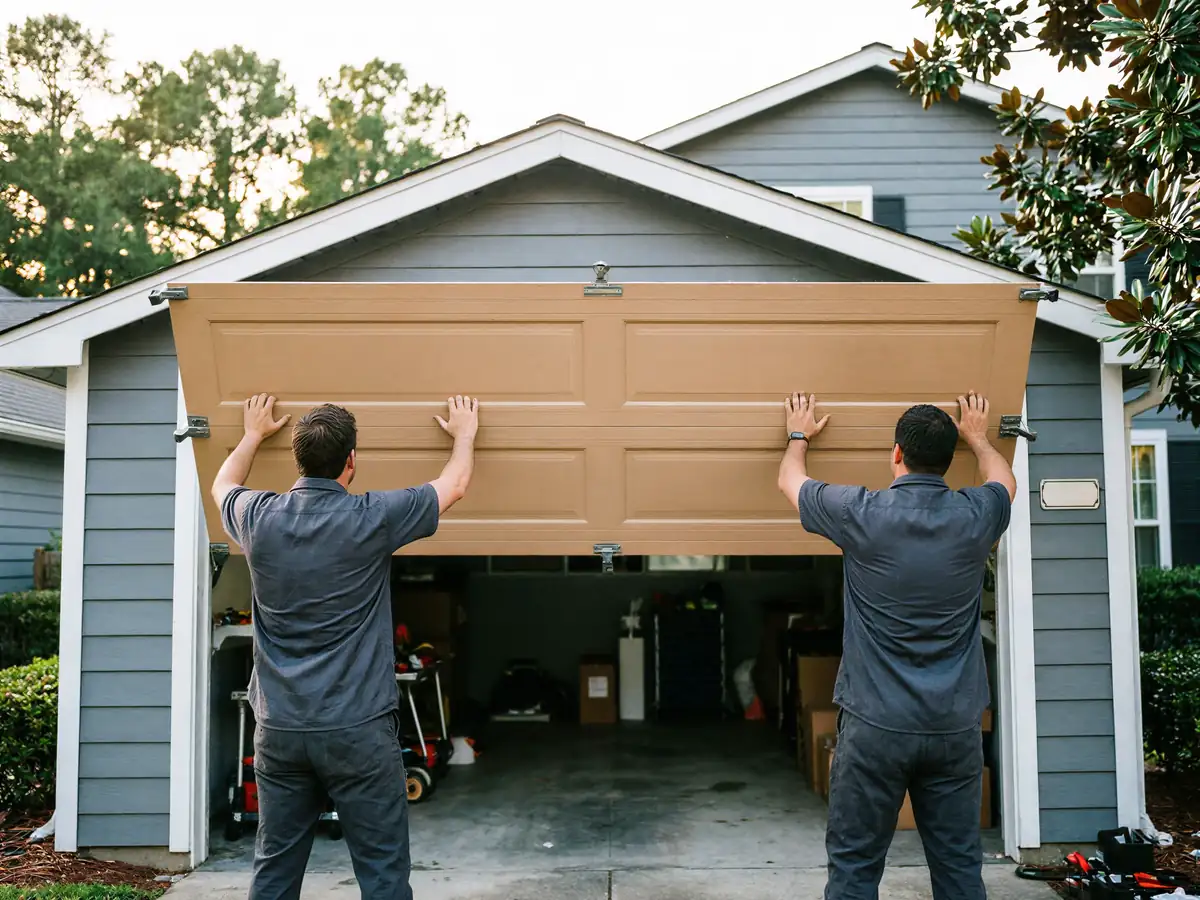
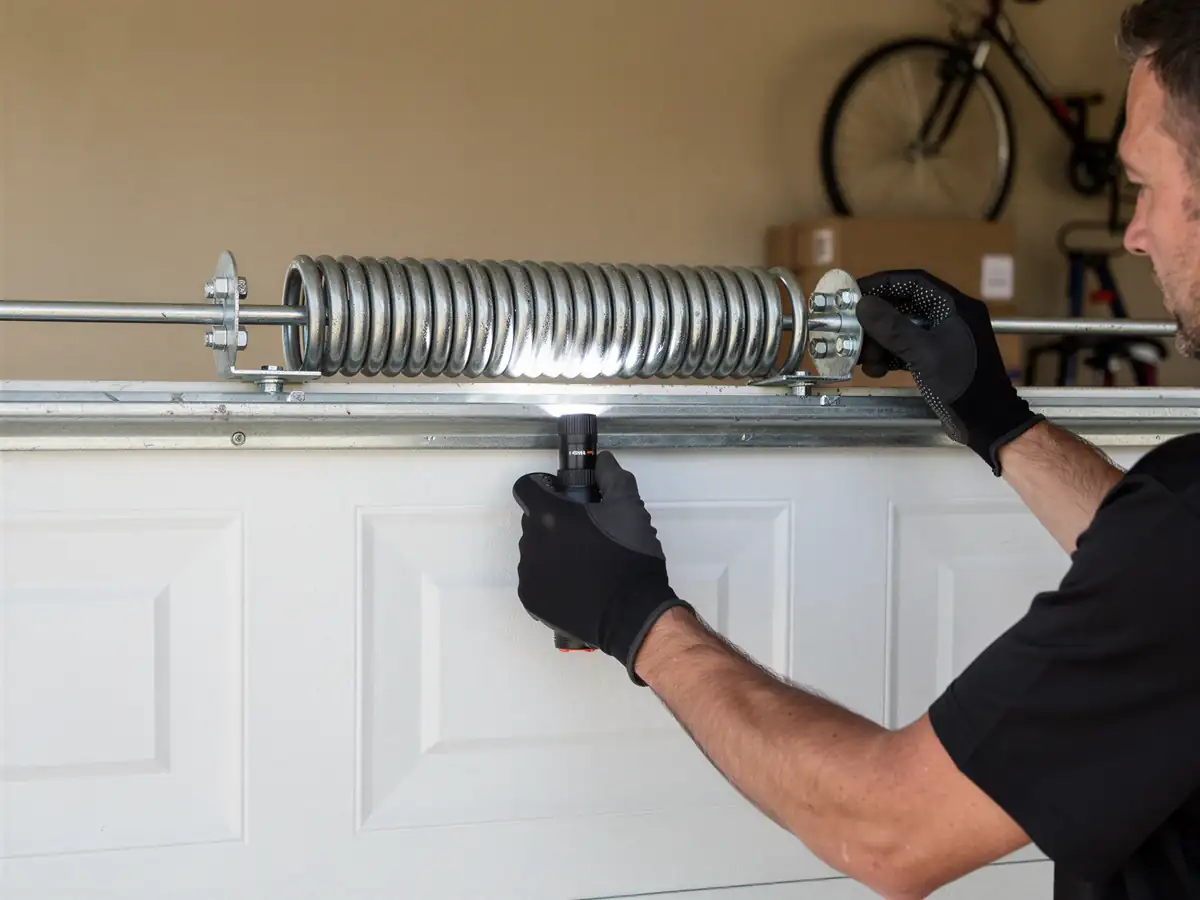
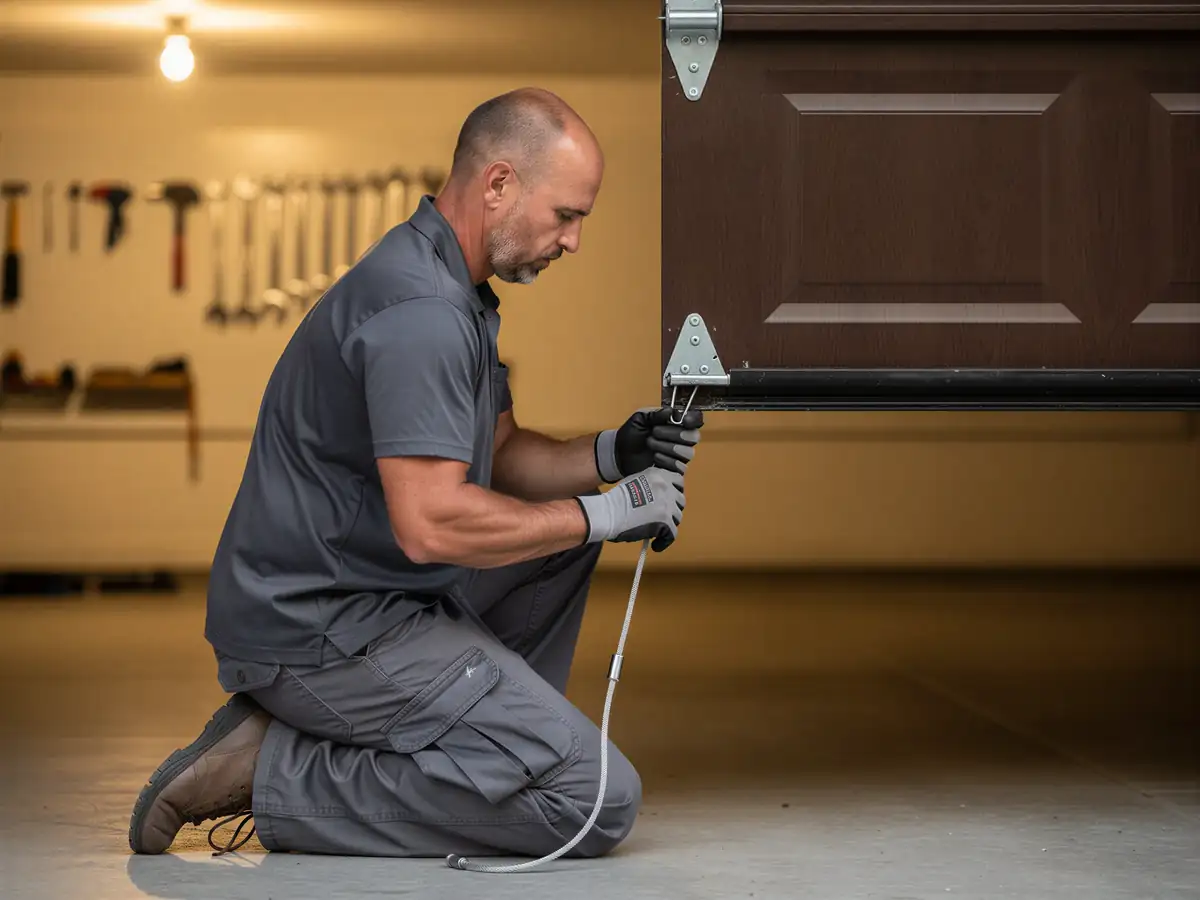
Bonanza's housing stock centers on 1993, which puts a lot of these garages inside the window most builders used steel torsion springs and galvanized aircraft cable on two-inch drums. That's the original hardware, and on a lot of these houses, it's never been touched. A cable that's thirty-plus years old doesn't always snap clean. More often you get fraying at the drum end, a door that hangs crooked on one side, or a cable that's jumped the drum and is now bunched up and loose. You'll hear it before you see it - a grinding or popping sound as the door travels, or the door stopping partway and refusing to go further. If one cable has already let go, the door is sitting on the opener and the other cable alone, which is not a safe way to leave it, even overnight. This is also the era Fayetteville's broader service area leans on - the 1961-2007 build range runs right through Bonanza - so a lot of the drums, end bearings, and cable anchor fittings here are the same discontinued parts we deal with across several of these towns, not something specific to any one street.
How We Fix It
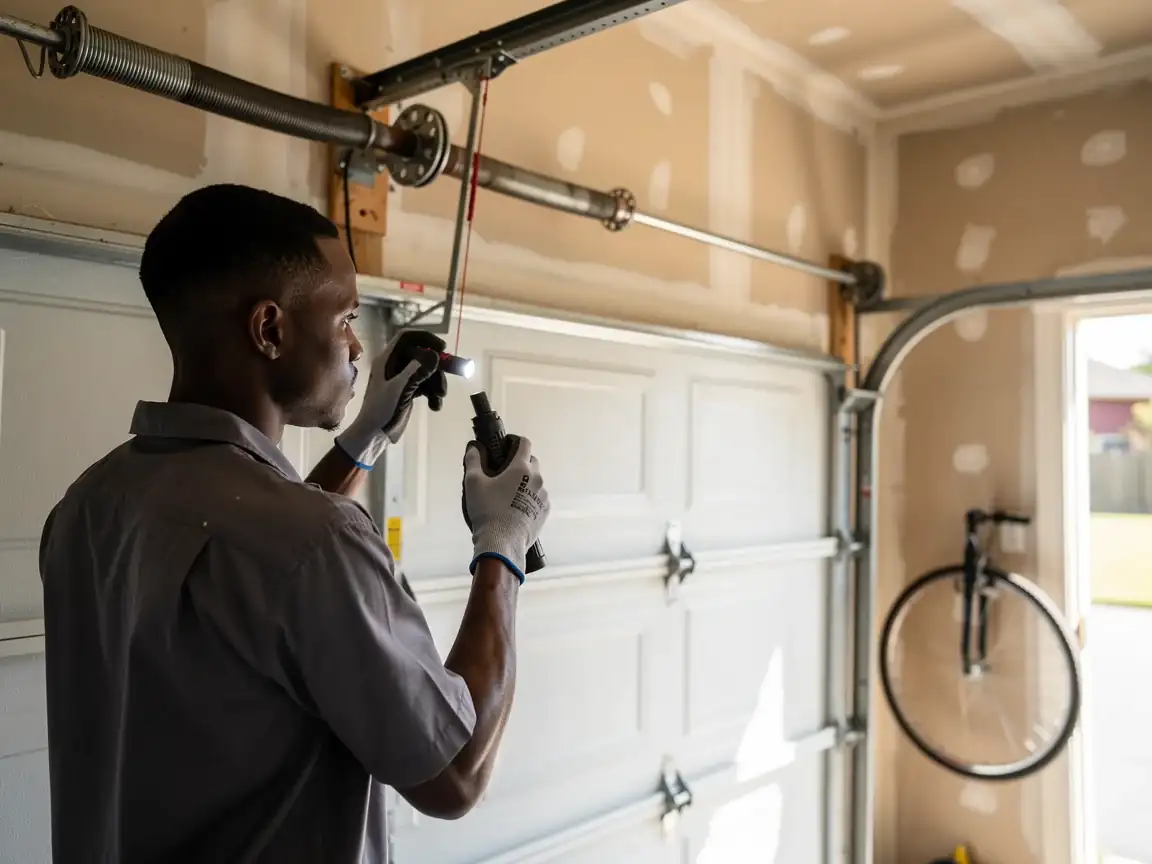
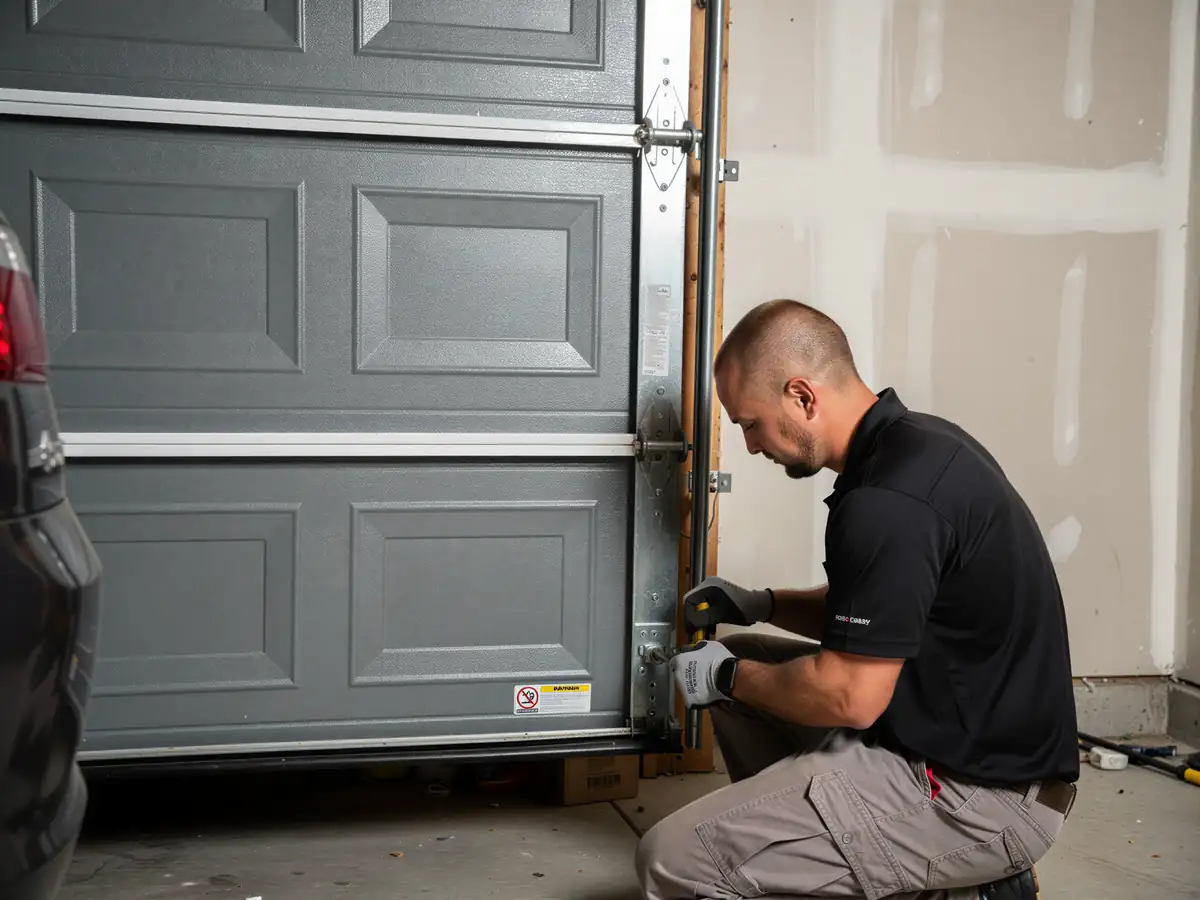
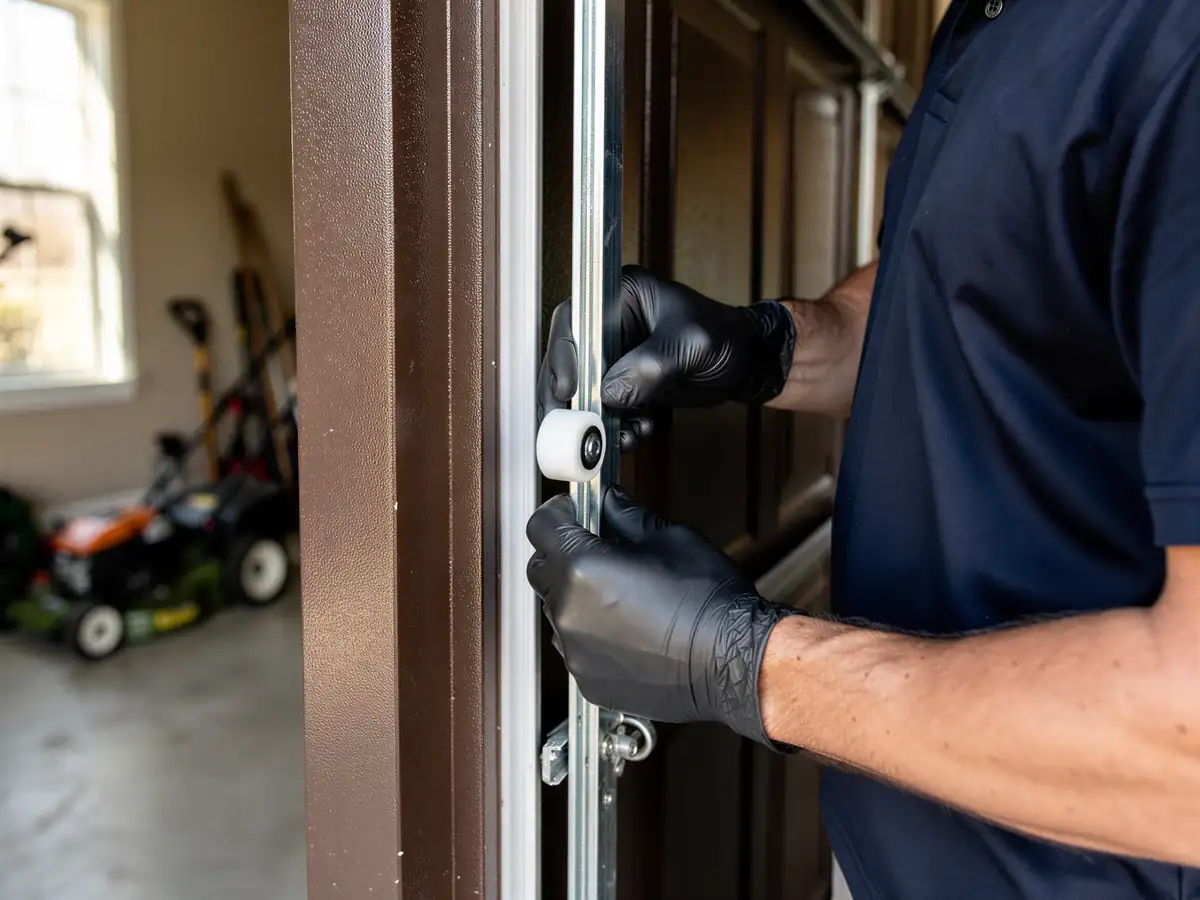
We replace the cable in pairs, not one side at a time. If one cable has frayed or snapped from age, the other one is the same age and under the same load, and it's close behind. We pull the drums, check the shaft and bearing plates for wear (common on doors from the early-to-mid 1990s build window that are still running original hardware), and set new galvanized cable at the correct length and wrap for your drum size - Bonanza's older doors sometimes used a drum size that newer production doors don't match, so we measure rather than assume. We also check spring tension while the door's apart, since a cable job is the one time the whole system is already open. Given this area's cold-moderate climate, we use cable rated for that swing rather than a lighter indoor-grade cable that can stiffen and crack sooner in cold snaps.
Can You Do This Yourself
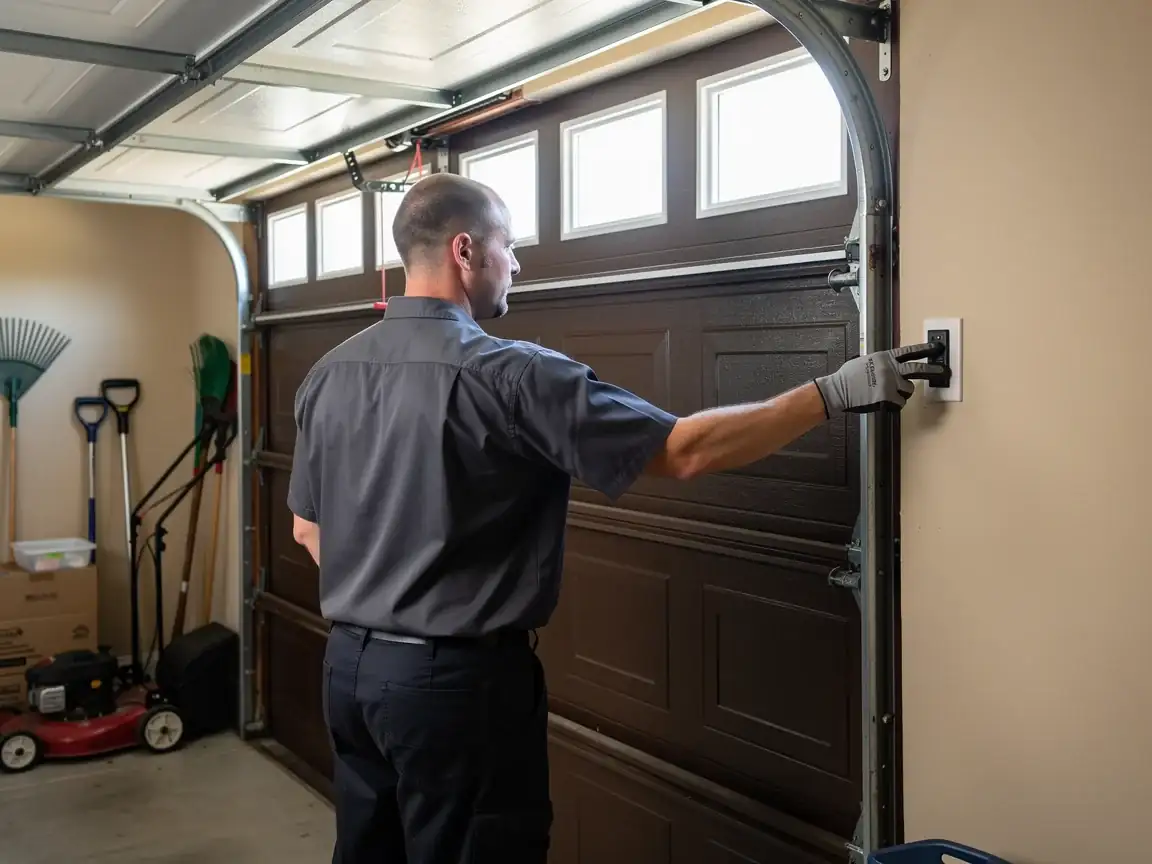
A garage door is under spring tension even with the power off, and a torsion spring or a cable under load can take a finger or worse if it lets go while you're working on it. We won't talk anyone through doing this themselves, and we'd rather you call us than find a cable repair video and a winding bar. The one thing worth doing on your own: if a cable has already failed, leave the opener disconnected and don't try to force the door up or down by hand. That's the limit of what's safe without the right clamps and bars, and it's also the limit of what we'll recommend over the phone - cable and spring work is a hands-on job, not a talk-through.