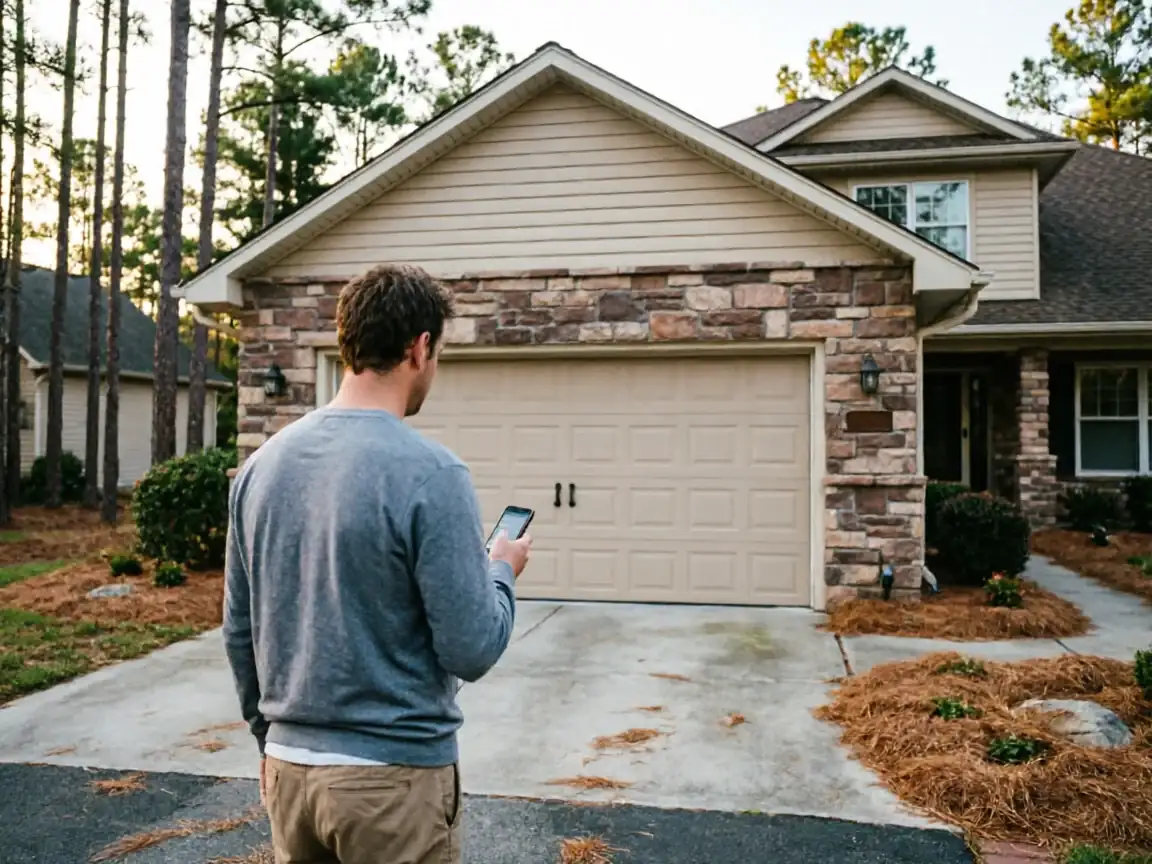
The Symptom
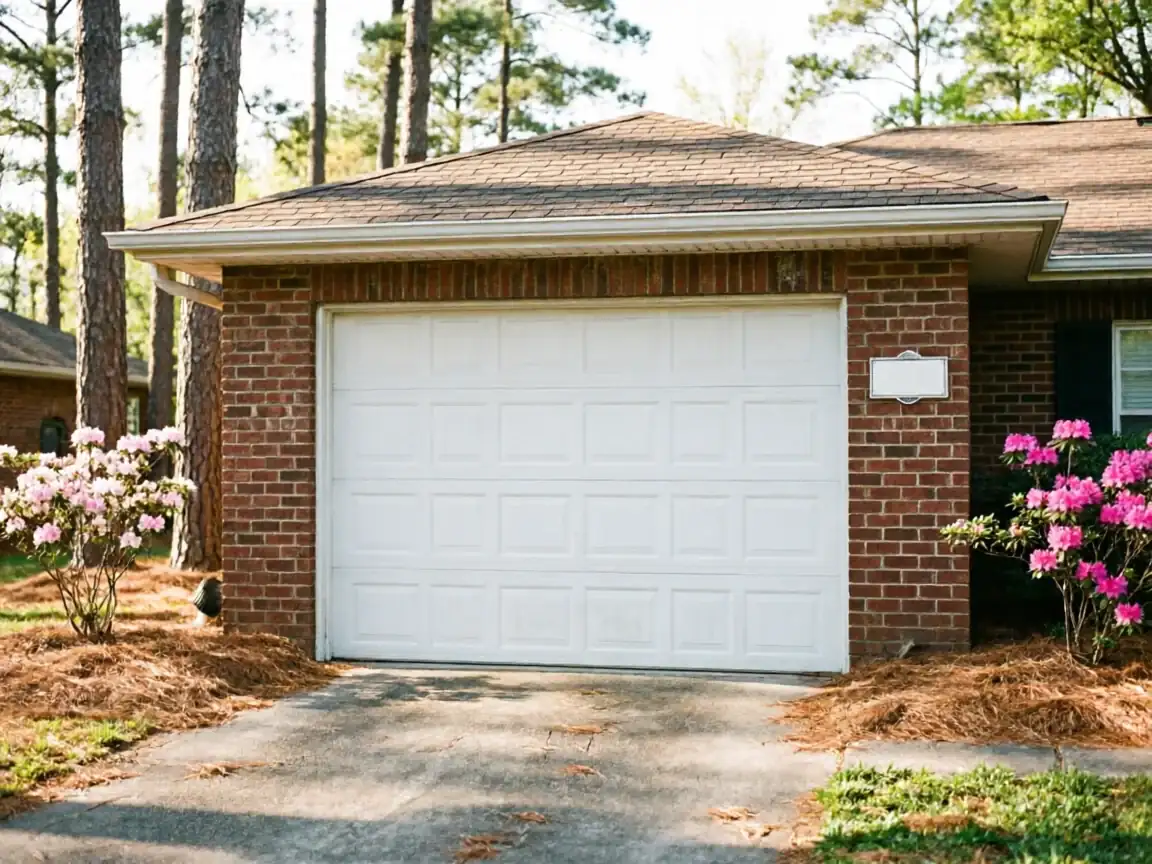
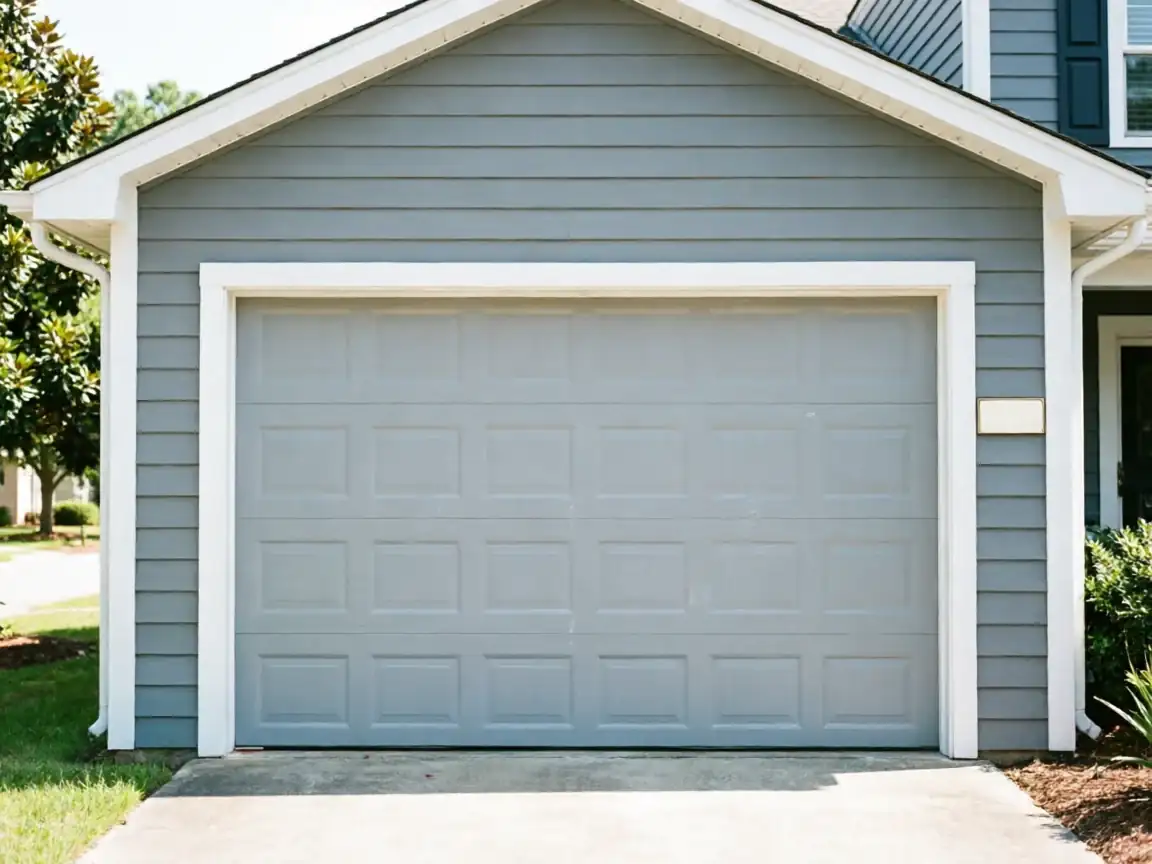
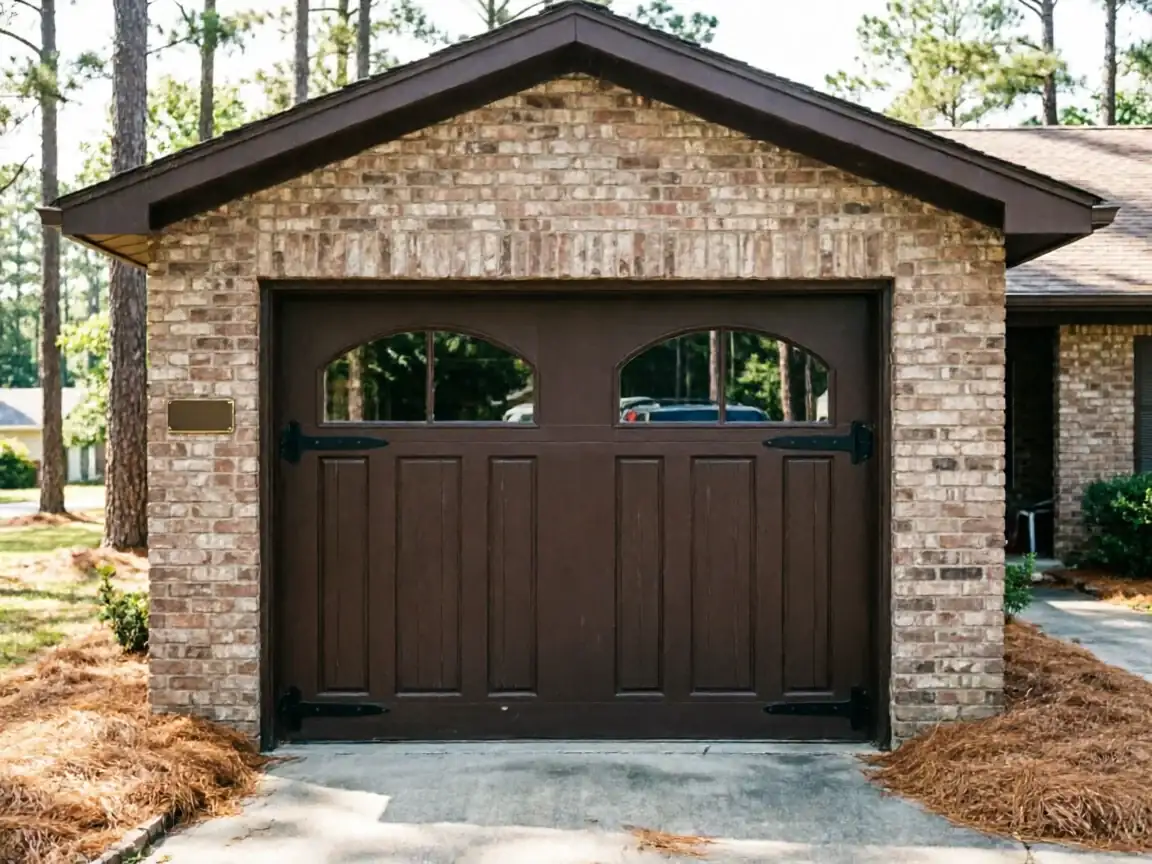
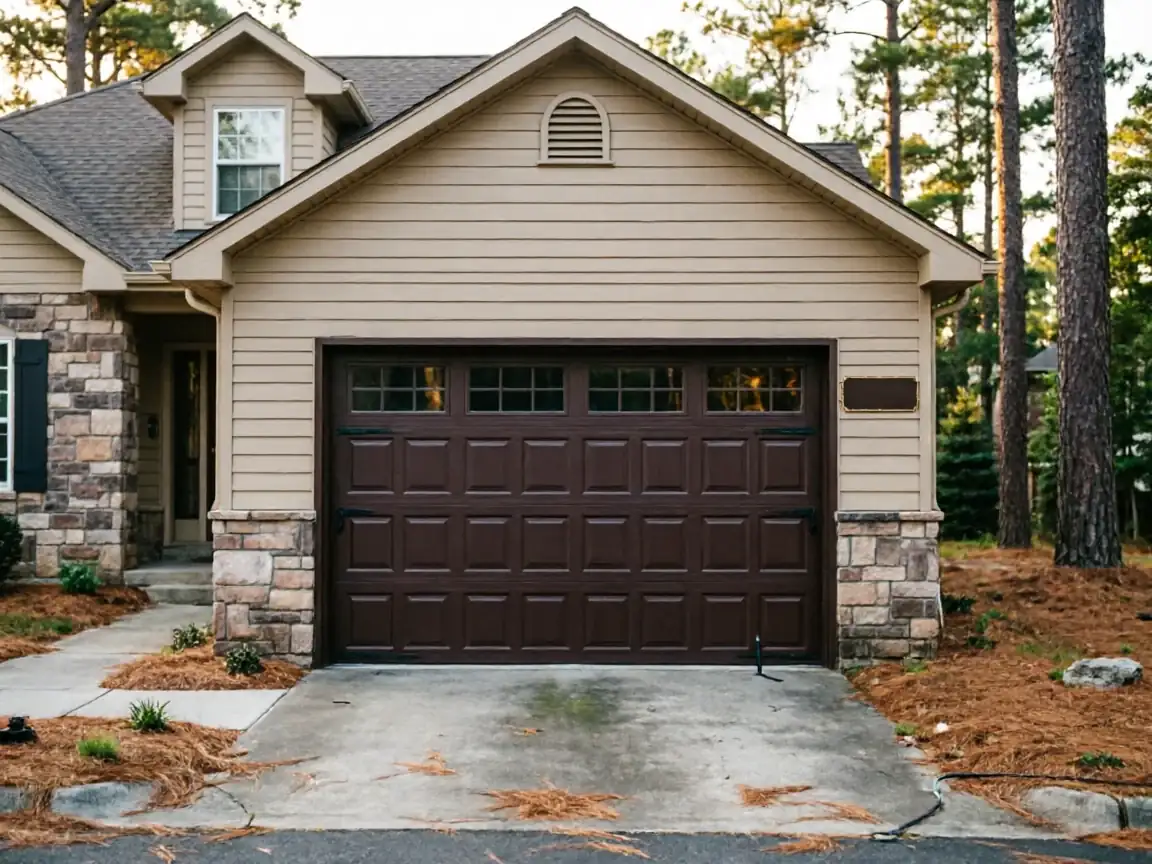
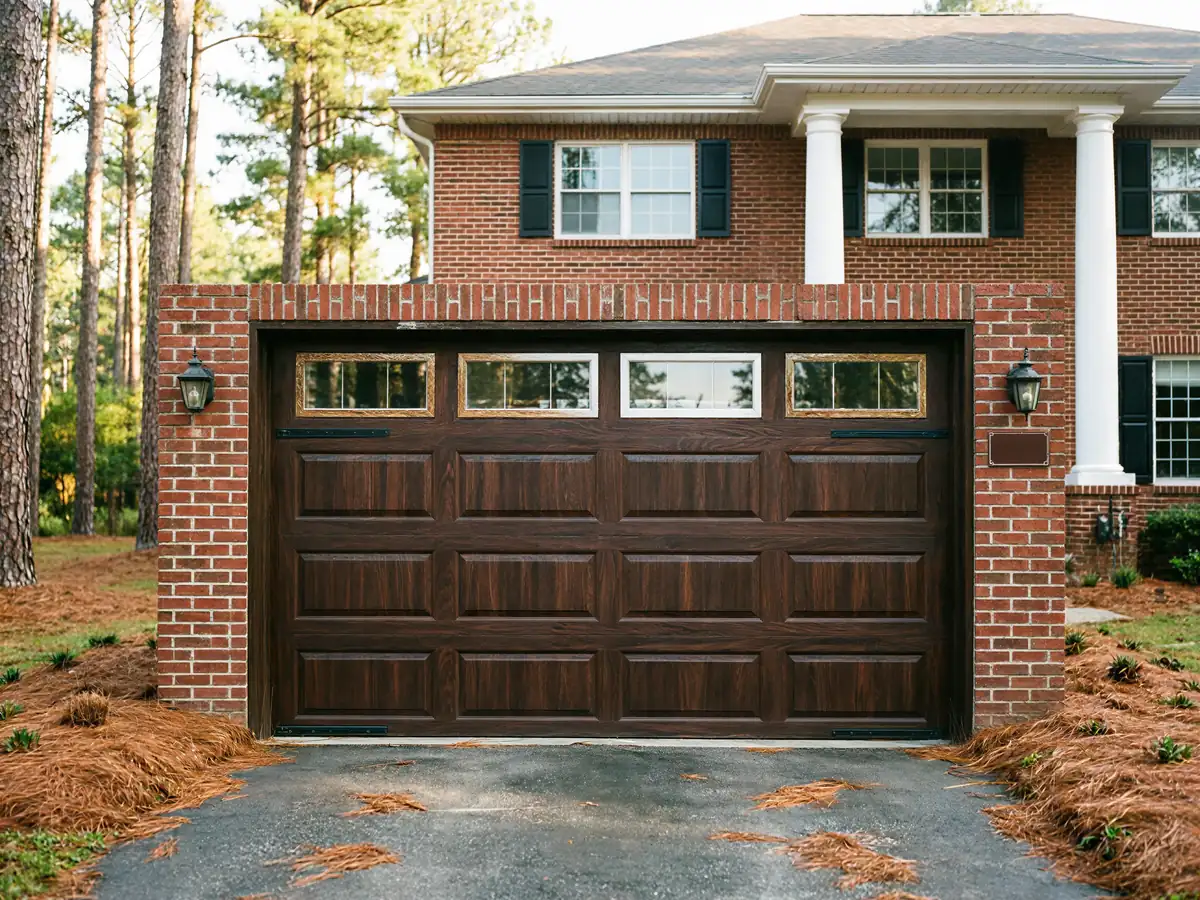
Most houses in Bonanza went up around 1993, which puts this stretch near the newer edge of the service area's 1961-2007 build window. That matters for what's hanging in the garage. Doors from this era are almost always steel sectional units with embossed, raised-panel faces meant to mimic carriage-house or colonial wood grain. Many went in with no insulation at all, or a thin foam backer bonded to a single steel skin.
The failure we see most on these doors isn't the spring or the opener - it's one panel. A trailer hitch backs into the bottom section, or years of lawn irrigation keep the lowest panel damp and it starts rusting through at the seam. Because the panel is a raised, embossed design rather than a flat one, it dents in a way that doesn't pop back out, and once the steel skin is through, the foam core underneath starts shedding.
If you're staring at a dented or rusted-through bottom panel and the rest of the door still runs true on the track, you very likely don't need a whole new door. You need the right panel, which is a different problem than it sounds - these embossed profiles are not all cross-compatible across manufacturers, even within the same decade.
Getting It Booked In
We don't have a yard or a counter in Bonanza
The truck comes out of Fayetteville, about 8 miles up the road, so booking a panel job here works the same as booking anywhere else in the service area: you call, you tell us the symptom and roughly how old the door is, and we schedule a visit to measure the actual panel rather than guess from a photo.
- 8 miles
That measuring step matters more here than it would on a flat-panel door
Because embossed designs vary by rib spacing and panel height even among doors installed the same year. We'd rather look at it once in person than order the wrong panel and make you wait twice.
If the repair is more pressing than a scheduled visit
The door won't close, or a damaged panel has left a gap a raccoon could fit through - say so when you call. For general repair work on the same door, our page for this area covers more than panels: Bonanza Garage Door Repair.
How We Fix It
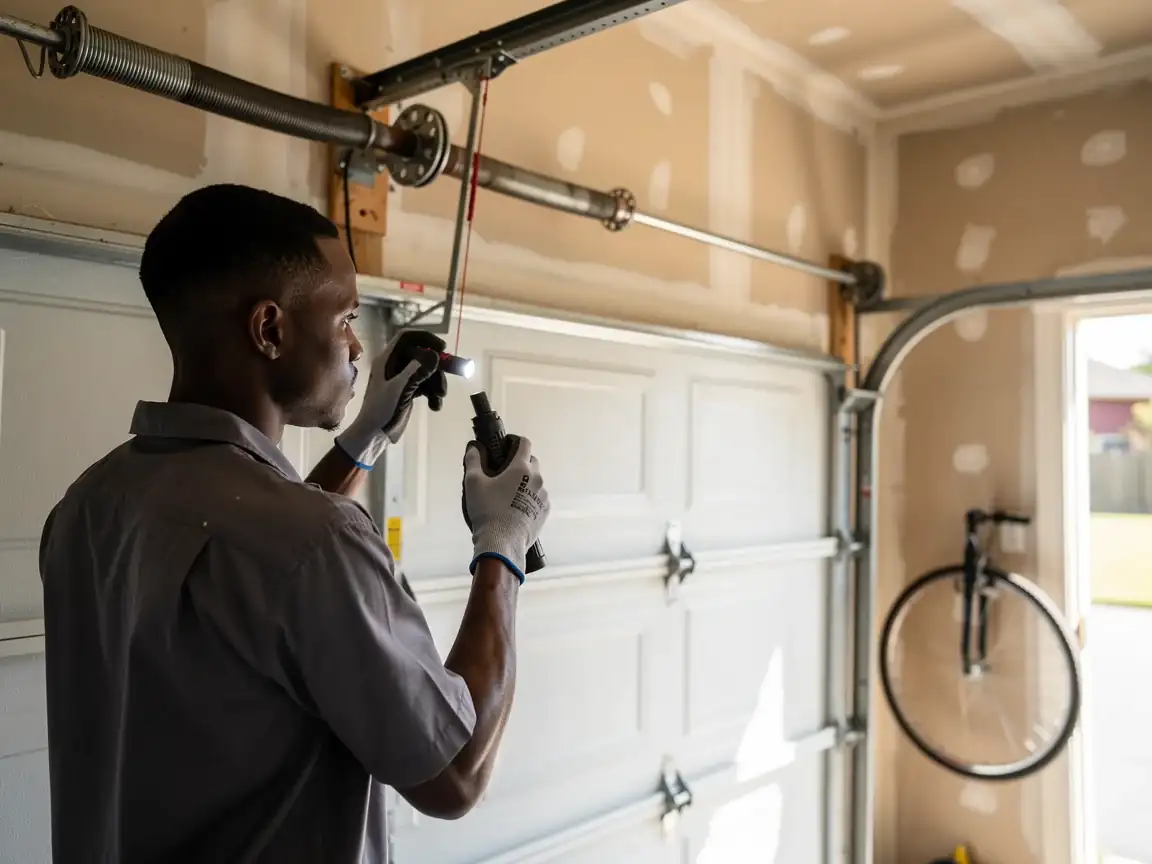
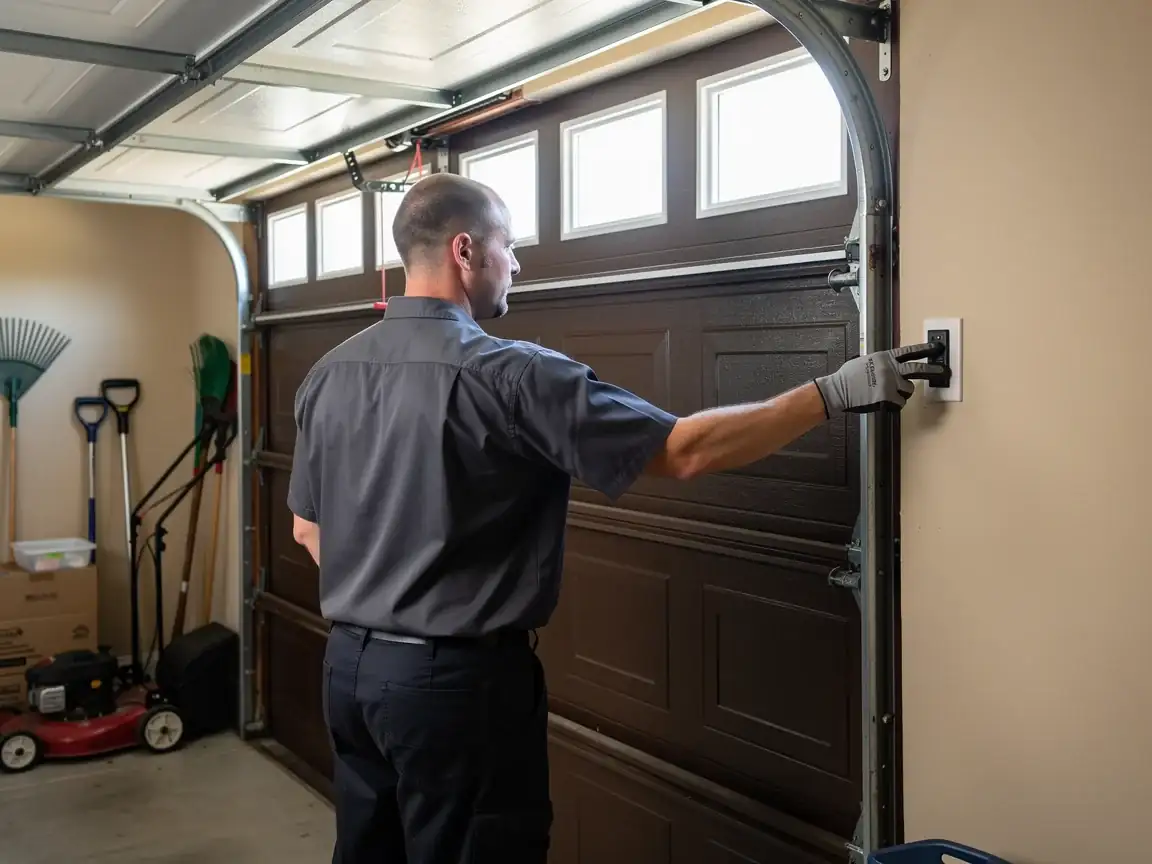
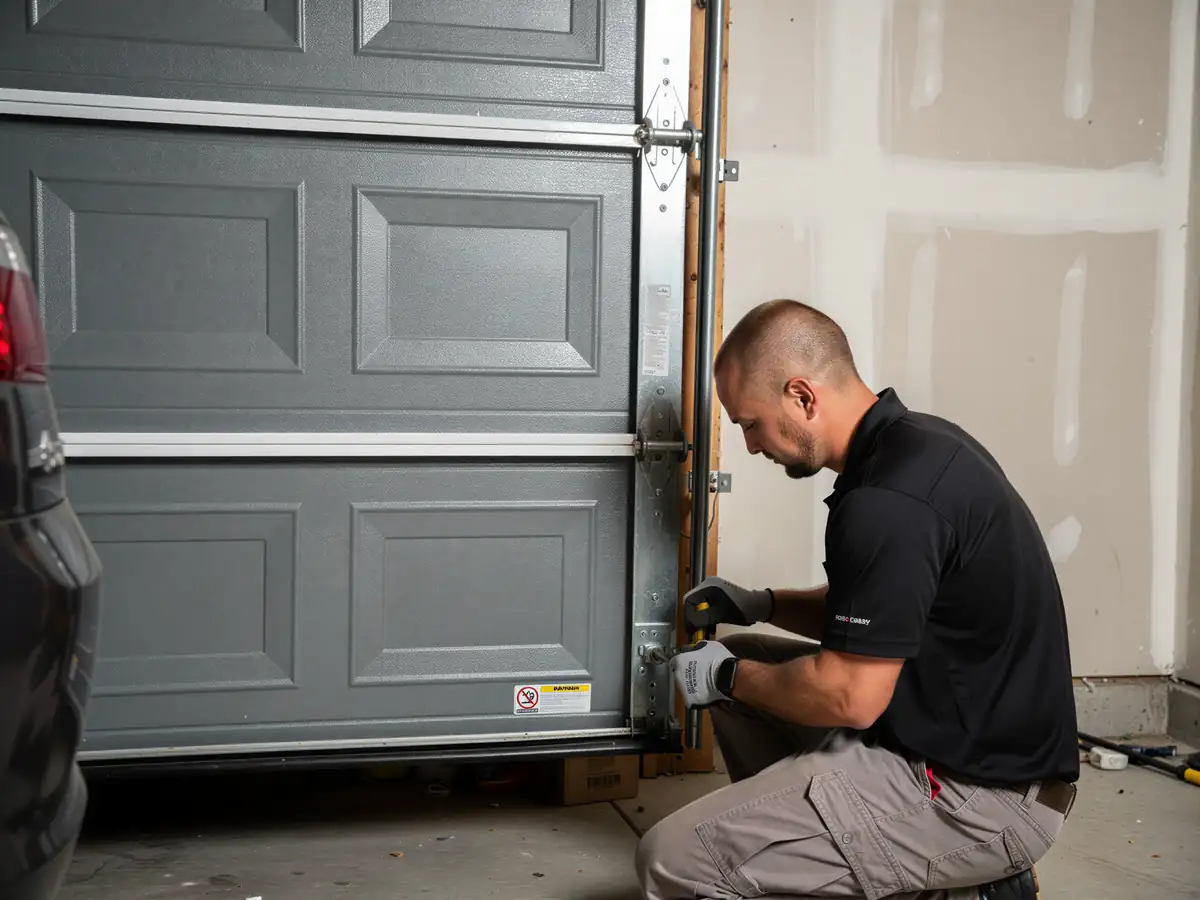
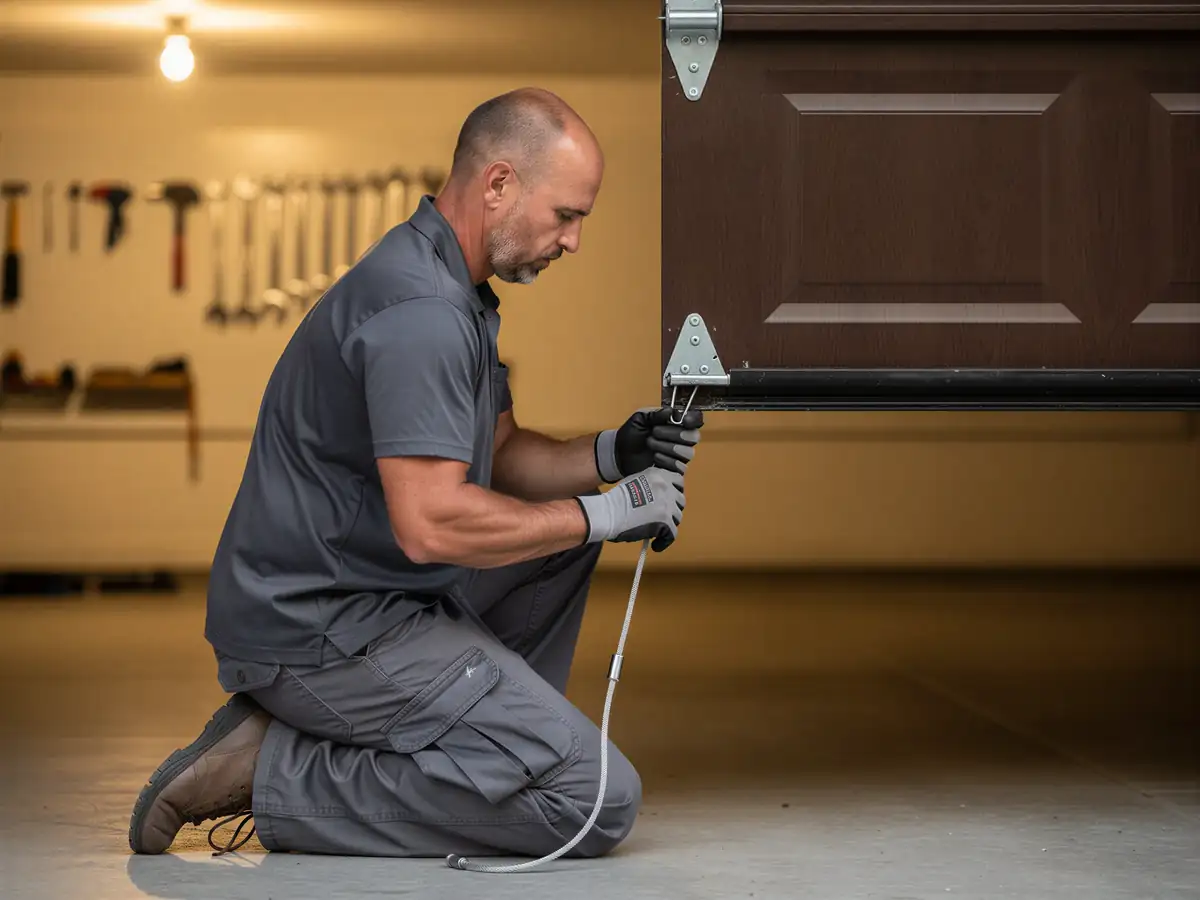
First we confirm it's actually a panel problem and not something a panel swap won't fix - a bent track or a sagging section usually means the hardware behind the panel is the real issue. If the panel itself is the damage, we pull the section, match the embossing pattern, rib spacing, and panel height against what's available, and order either a matching single panel or, if the run has been discontinued, the closest compatible section.
This is the honest part: on a door old enough to be near the newer end of our 1961-2007 range but still pushing thirty years, exact-match panels aren't always stocked anywhere nearby, and we've had jobs where the lead time on a single panel ran longer than the homeowner expected. When that happens, we say so up front rather than let the door sit half-fixed.
Given the cold-moderate climate this area sits in, if you're replacing a panel on an uninsulated door, it's worth talking about whether to upgrade that one section to an insulated panel or keep the whole door matched for looks. Both are reasonable calls - it depends on whether the garage is heated space or just storage.
Can You Do This Yourself
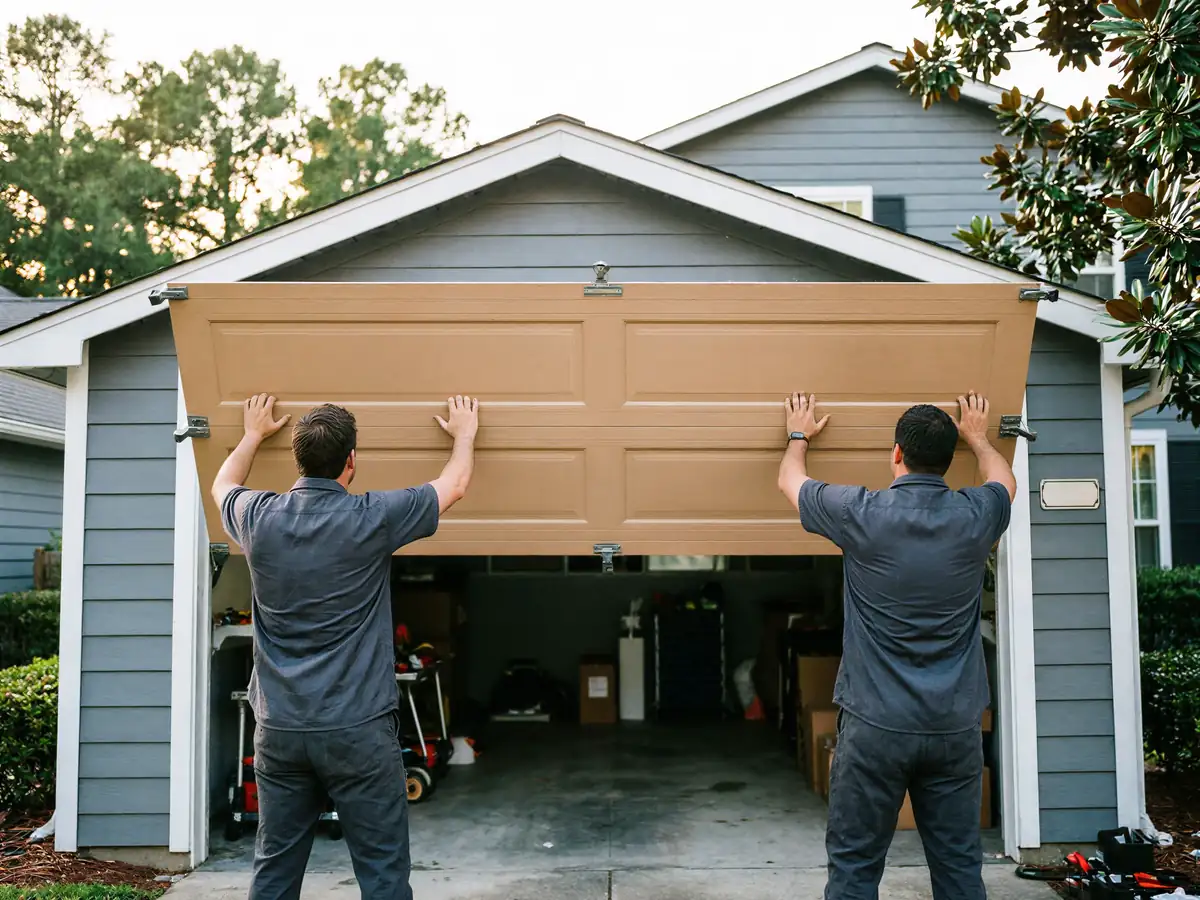
A single bottom panel on a door with no torsion spring tension on that section is about the most DIY-friendly repair a garage door offers - it's largely screws, hinges, and matching the part. If you've found the exact replacement panel yourself and the door is a single, lighter door, this is within reach for someone comfortable with basic tools.
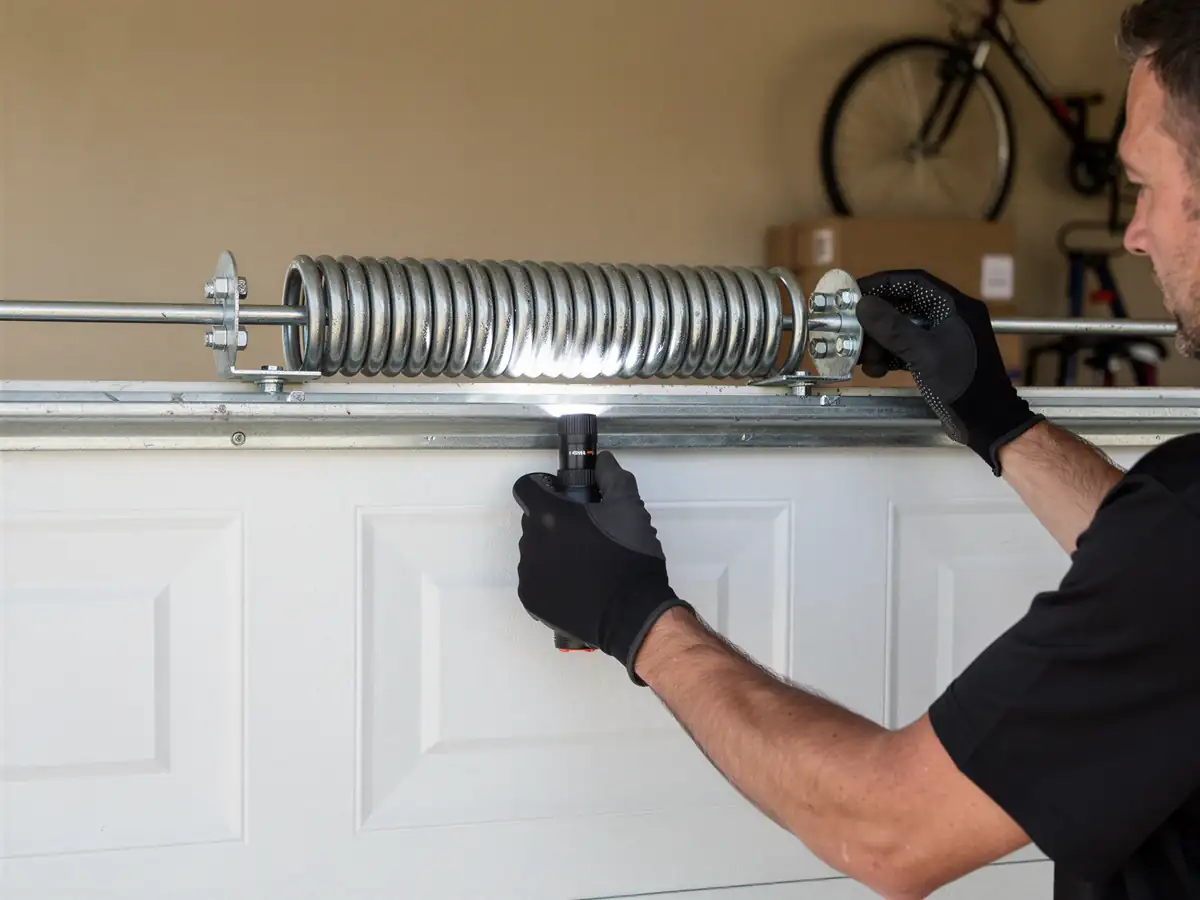
Where we'd tell you to stop and call: double-wide doors, any panel near the bottom brackets where the cables terminate, and anything that means removing or loosening the torsion spring to get the section out. Springs under tension are the actual danger in this job, not the panel itself, and we don't recommend working near one without the right bars and a second set of hands.
The other place DIY goes wrong is sourcing. Ordering the wrong panel because the embossing looked close enough in a listing is a common and avoidable mistake, and it costs you the shipping time twice. If you're not sure the part you found is a true match, that's worth a phone call before you buy, not after.