What Can Go Wrong
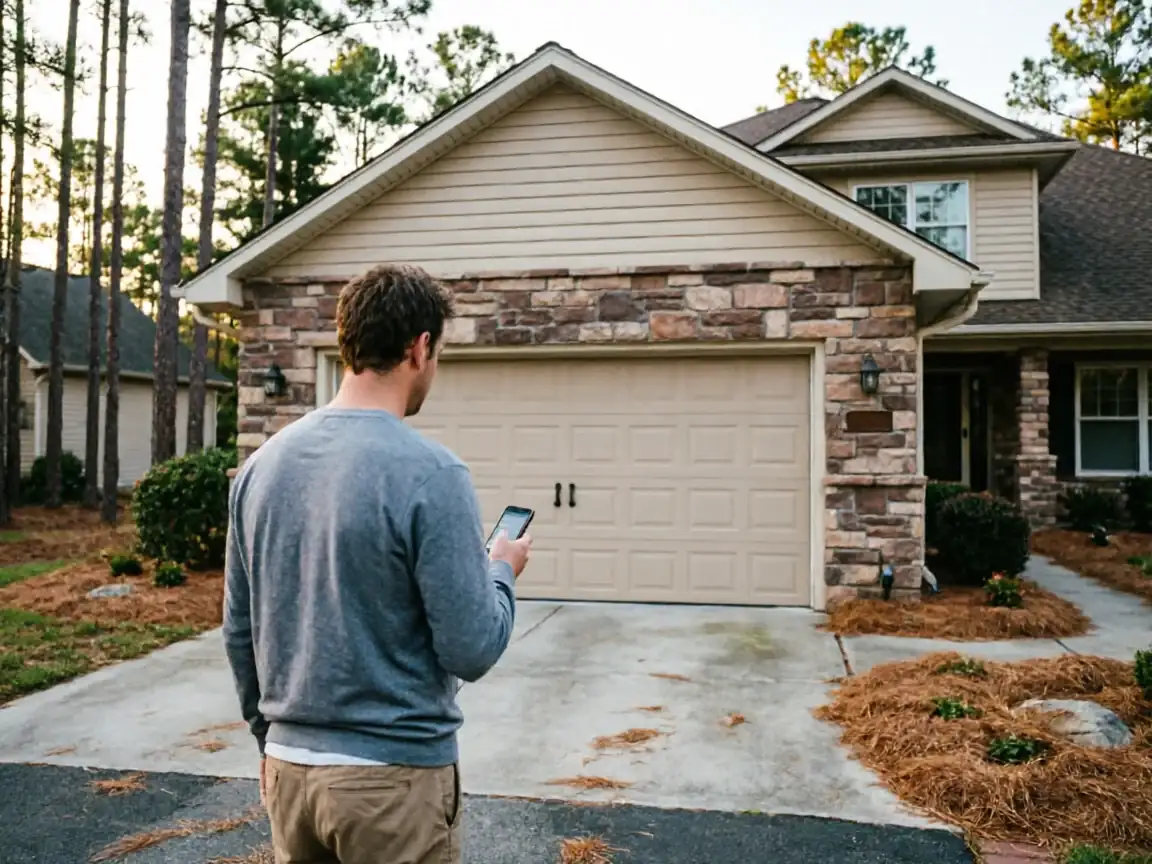
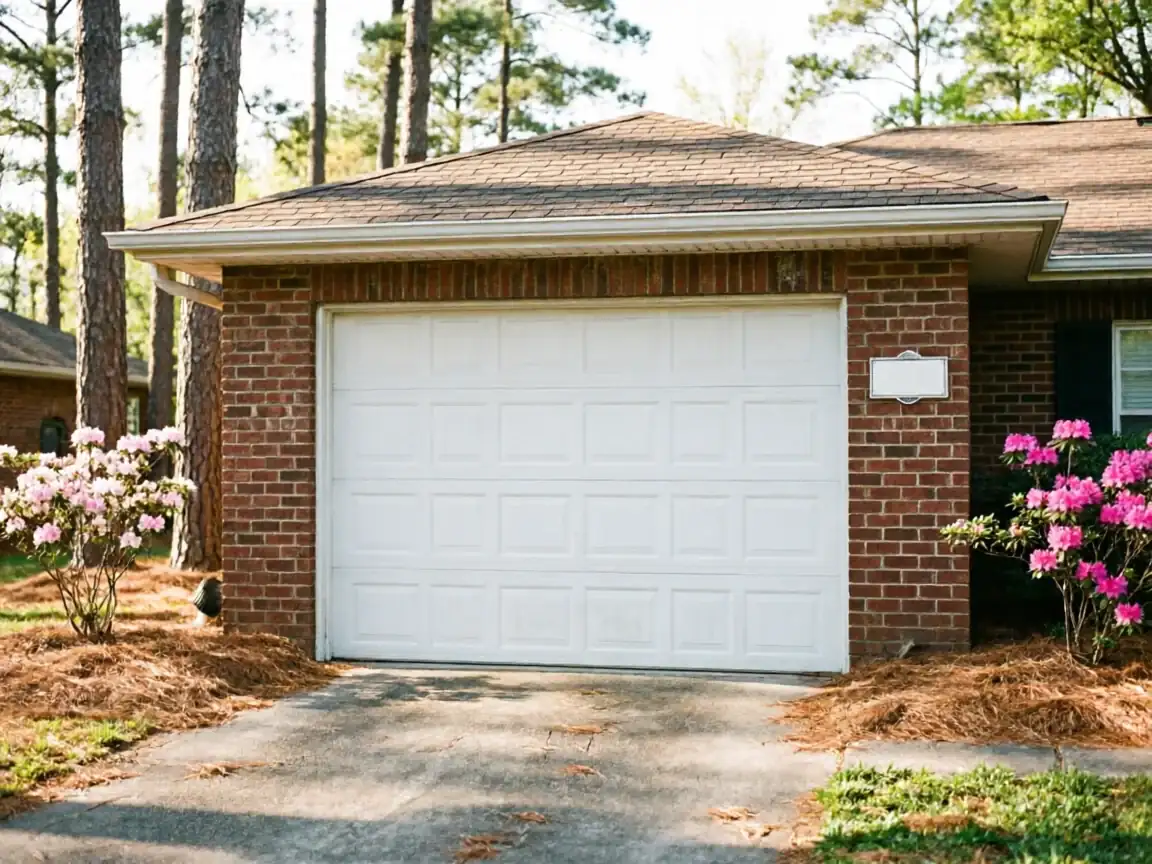
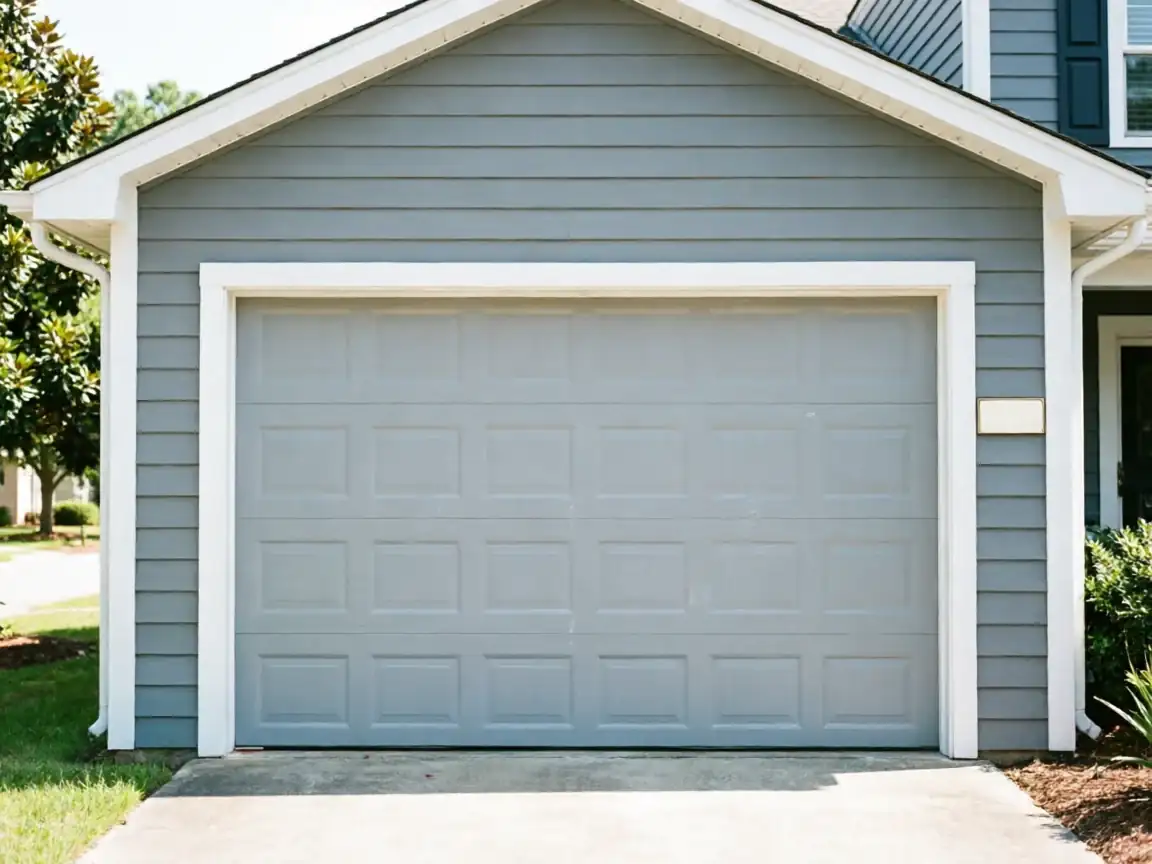
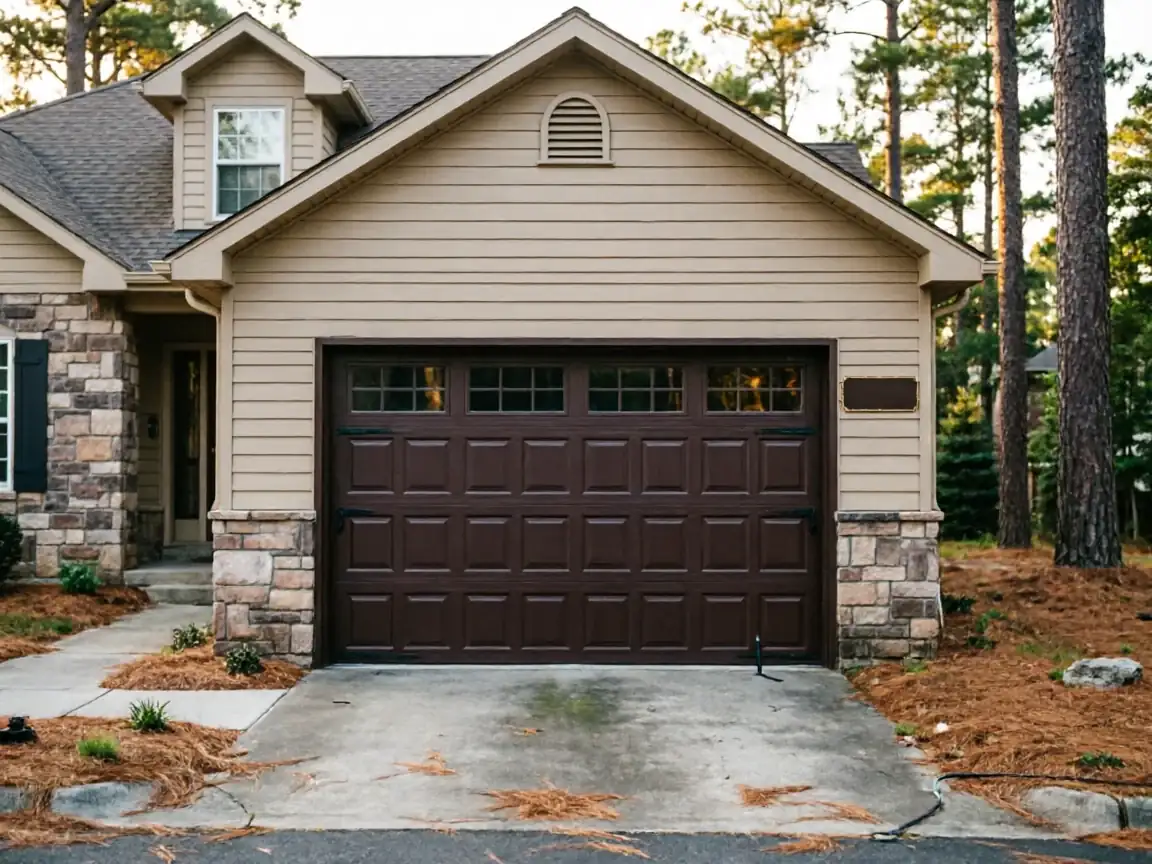
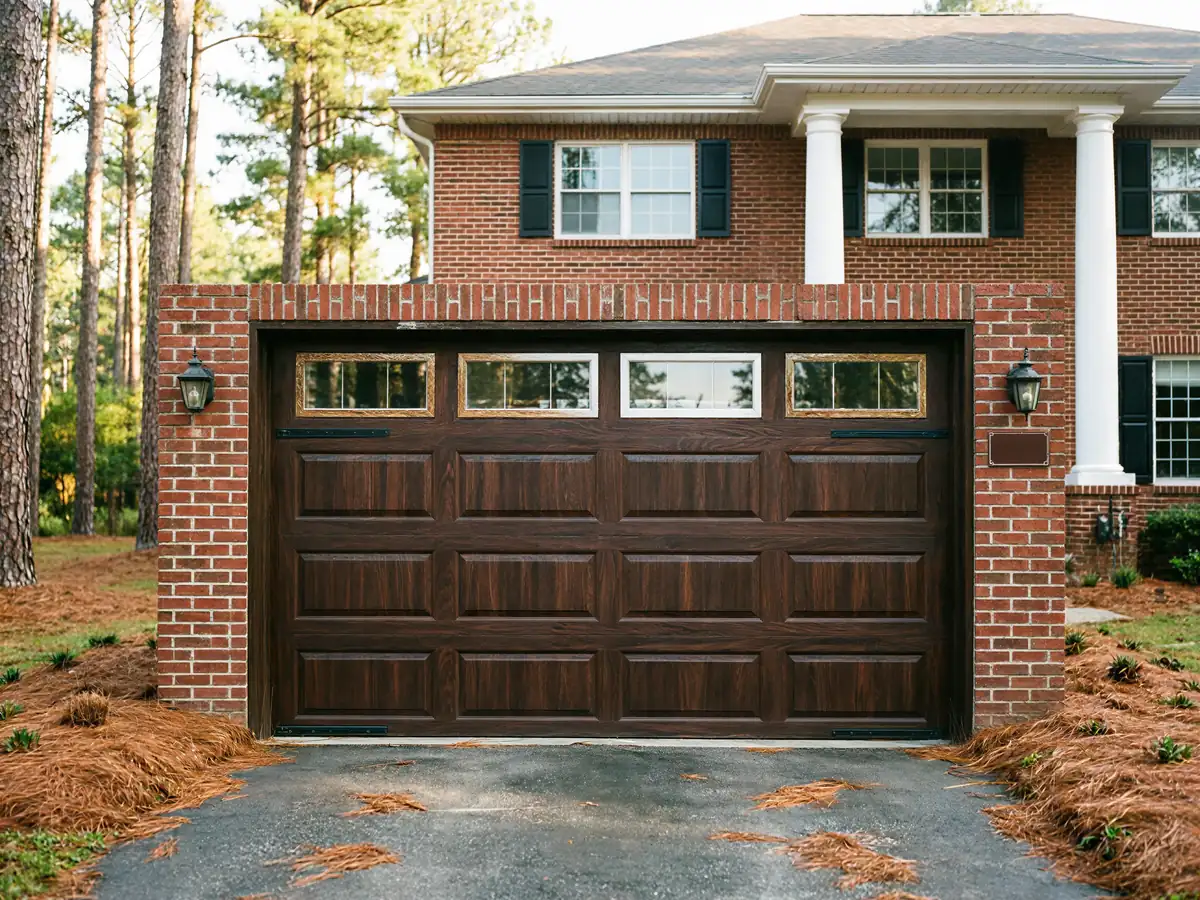
Most of the damage we see on Fairburn doors isn't age - it's impact. Homes in this part of the service area went up around the early 2000s, with a median build year near 2004, and the doors that came with them are factory-painted steel, usually two or three panels wide on a double-car opening. A trailer hitch, a basketball, a kid backing out the mower - one dent in a wide steel panel and the whole section bows, which throws off the roller track even if the spring and opener are fine. Because these doors are newer than the typical 1988 median across the wider area, you're less likely dealing with rot or warped wood and more likely dealing with a single crumpled panel on an otherwise sound door. The other common failure is the bottom panel, the one that takes curb hits and lawn equipment, cracking along the insulation seam. On a door this age the foam core is usually still bonded well, so one panel usually swaps clean without disturbing the rest of the section. That's the upside of newer stock - the hardware underneath hasn't had twenty extra years to seize up.
Parts We Carry
We stock common steel panel sections in the sizes that match doors built through the 2000s - the width and rib pattern on a 2004-era door is pretty standardized compared to the mix of styles you'd find on older stock elsewhere in the area. What we don't keep on the truck is every color and insulation thickness combination, so if your door has a less common factory finish, expect a short order lead time rather than a same-visit fix. We also carry the end hinges, rollers, and struts that typically fail alongside a damaged panel - a bent panel often takes a hinge or roller with it, and replacing just the skin while leaving a bent hinge in place is how you end up back on the phone in a month.
How We Fix It
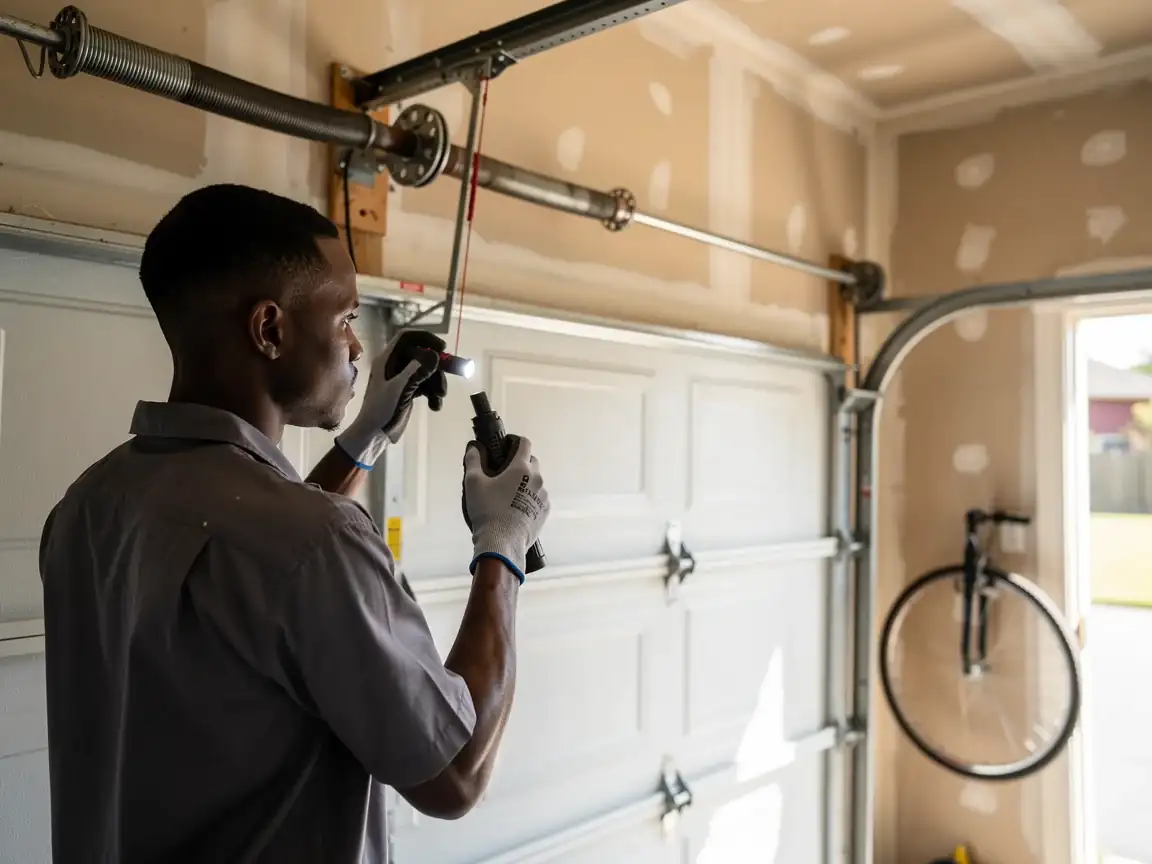
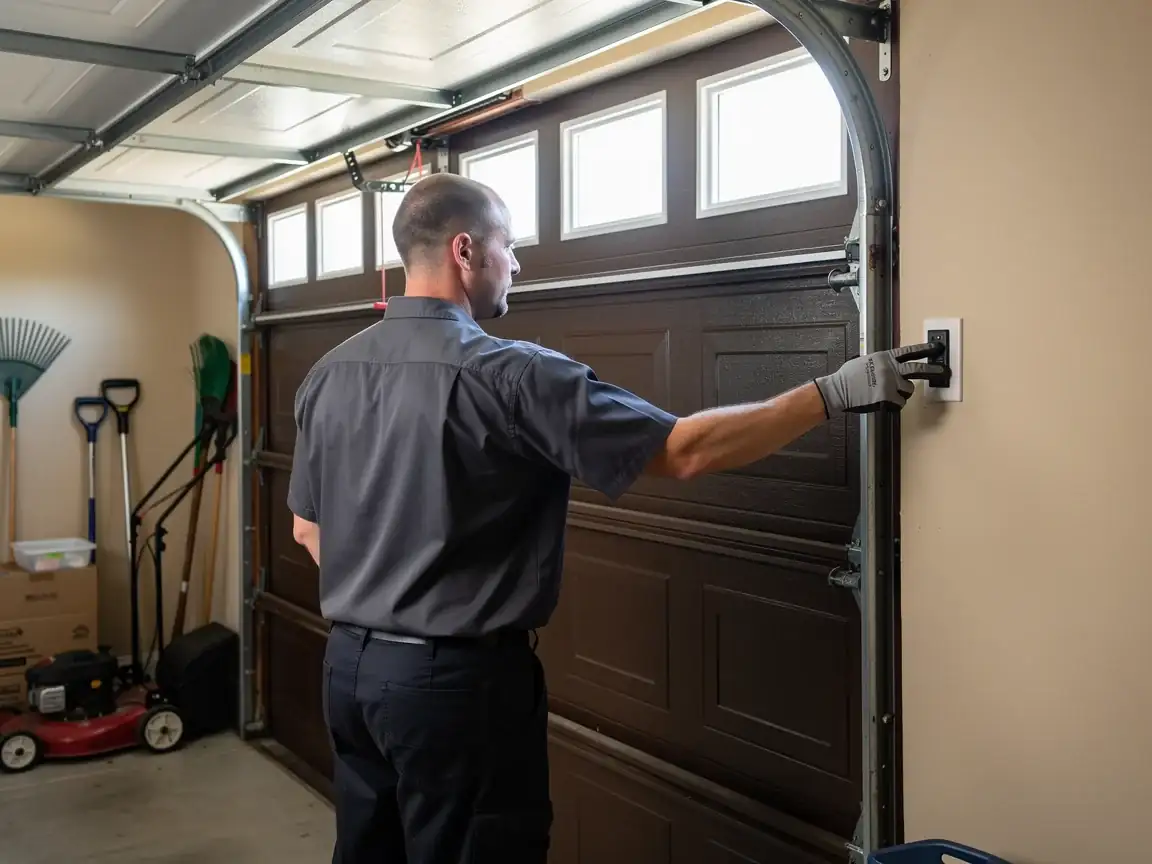
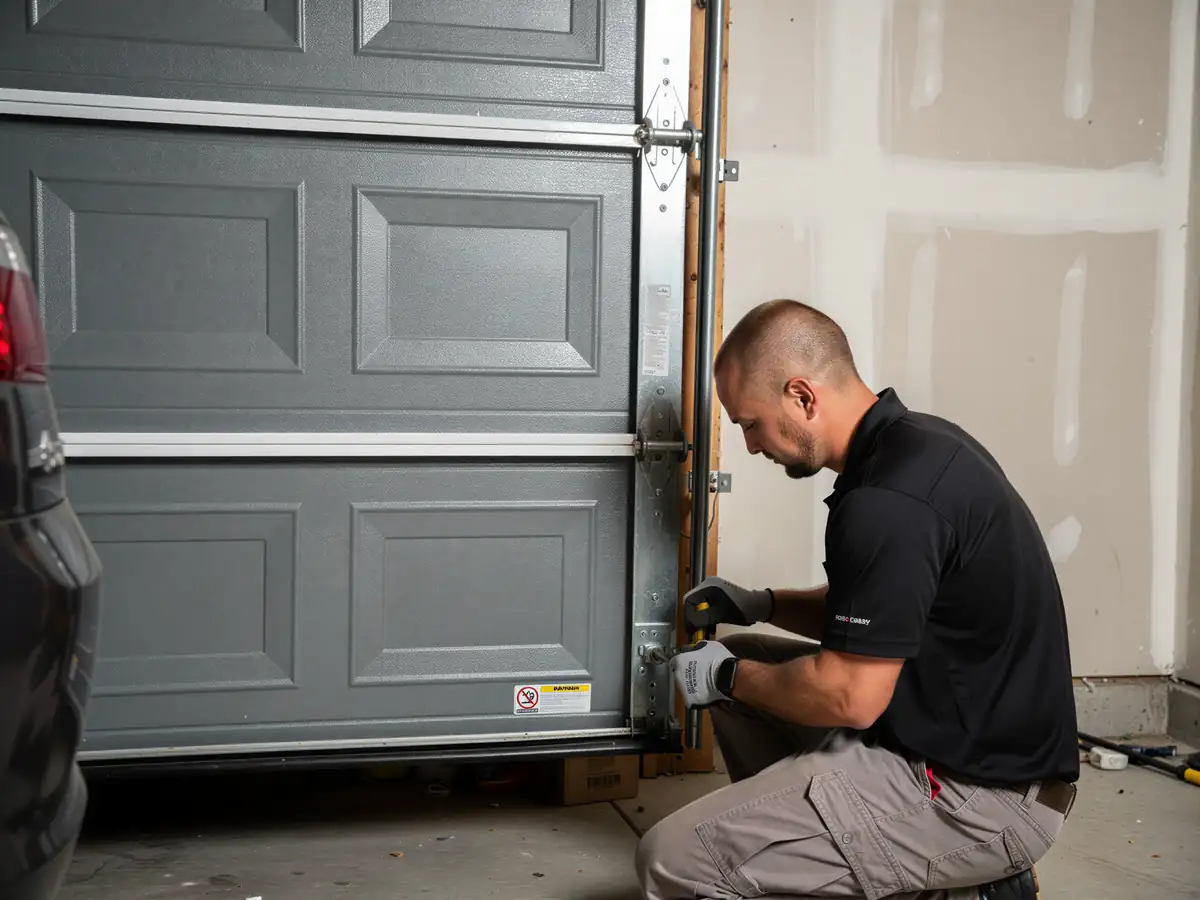
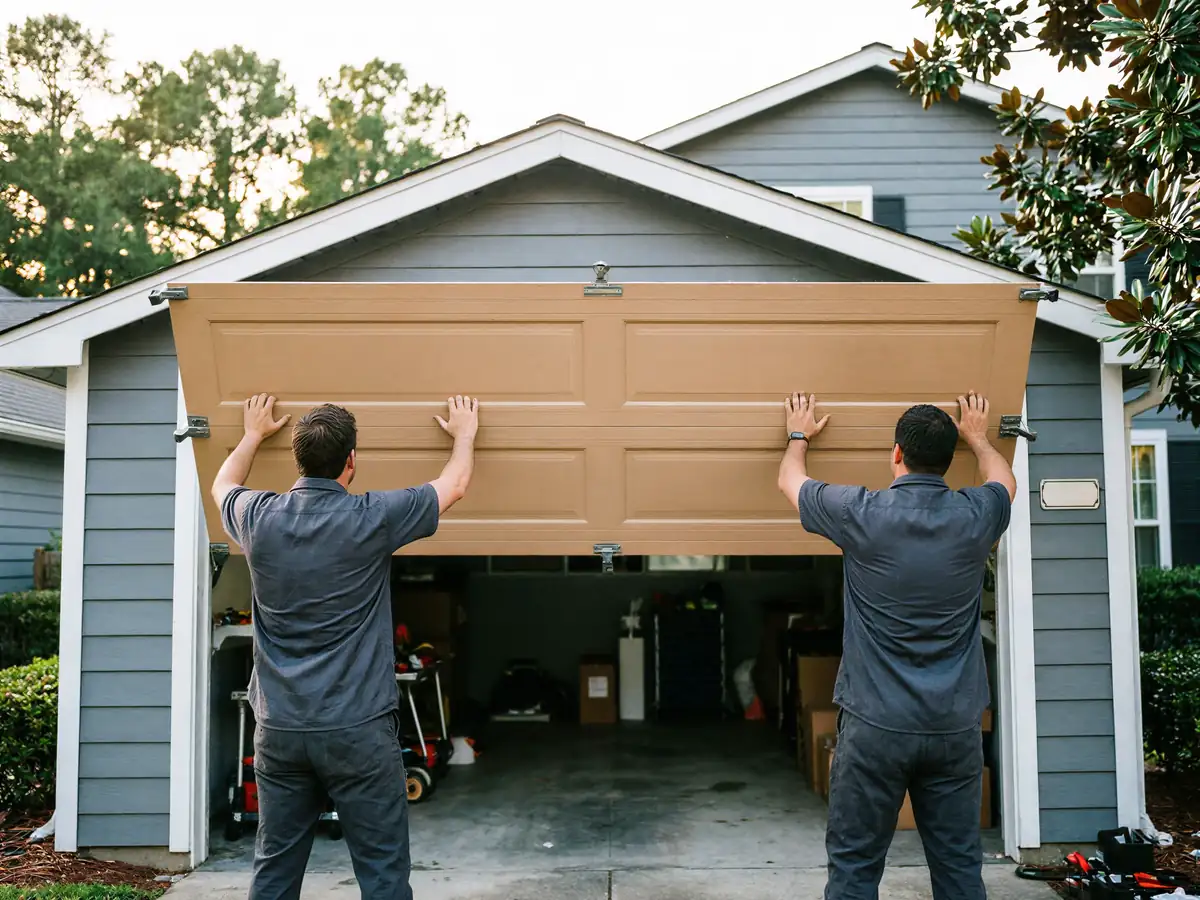
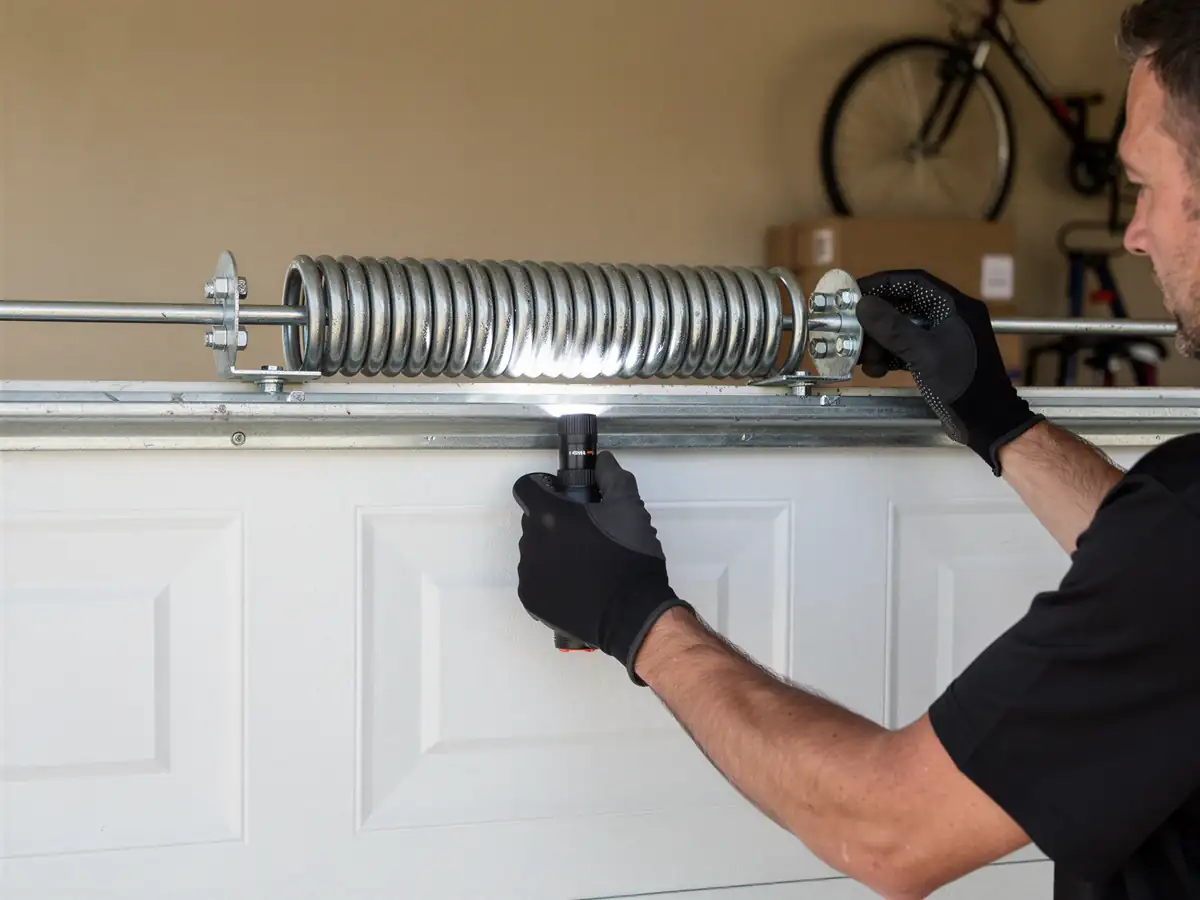
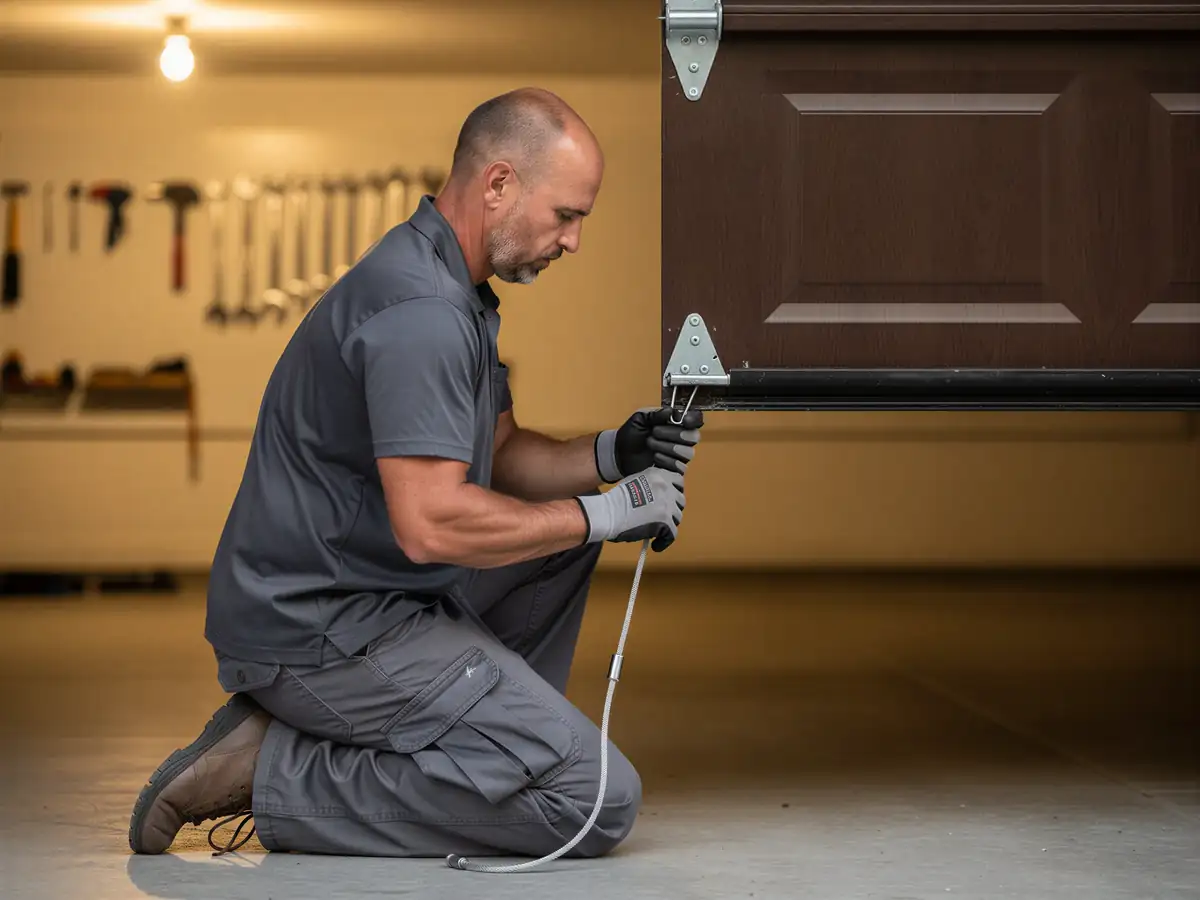
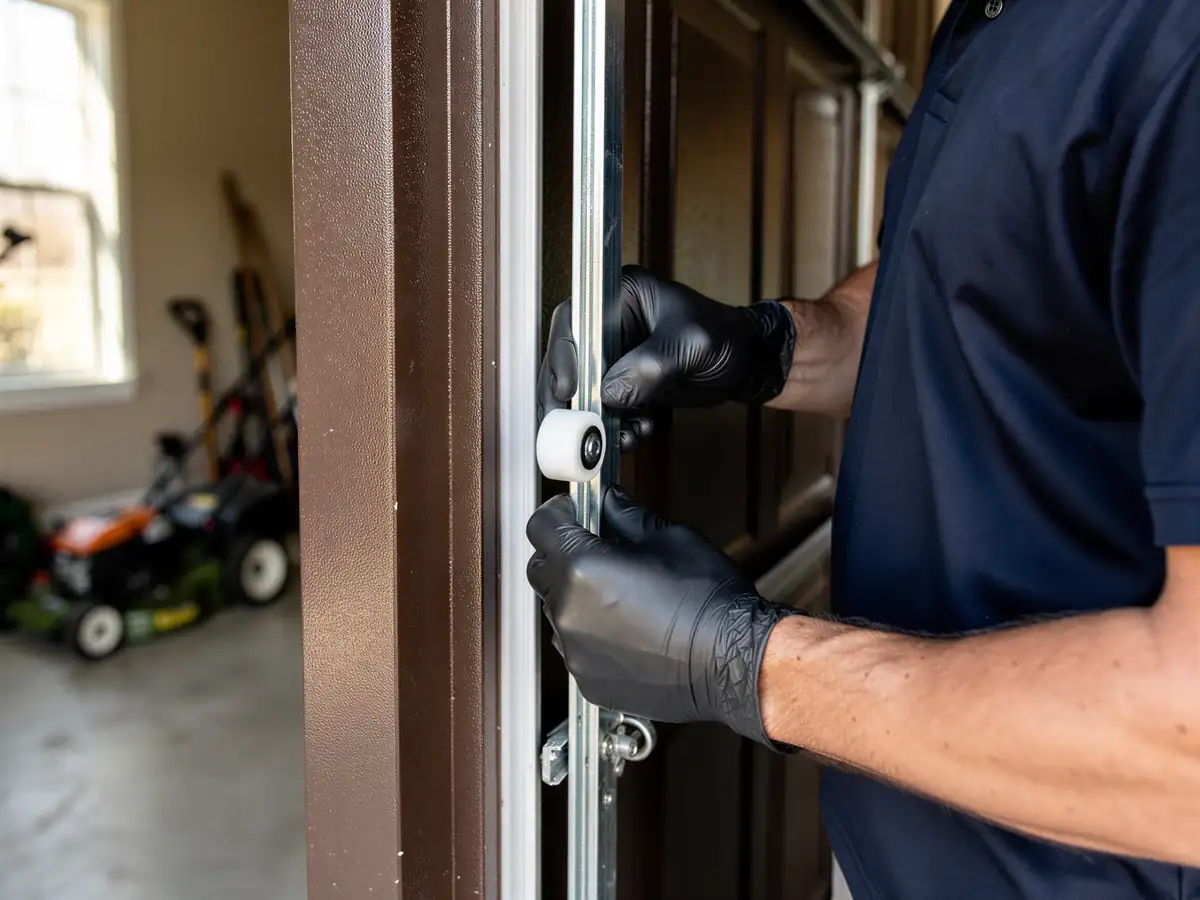
First we check whether the damage is contained to one panel or has pulled the track out of alignment - on a wider double-car door, a hard hit to one panel can tweak the vertical track just enough that the door binds going up. If the track's fine, we unbolt the damaged section, pull the hinges and rollers, and set the new panel in using the existing hardware where it's still straight. If the hit bent a hinge or cracked a roller stem, those get replaced at the same time rather than left to fail later. Once the new panel's in, we run the door through a full cycle and check balance - a panel swap changes the door's weight distribution slightly, and on a torsion spring system that's worth confirming before we leave, not assuming.
What It Costs
We don't have a flat number to post here, since color matching, panel width, and whether hinges or rollers also need replacing all move the price. What we can tell you is that a single-panel job on a 2000s-era steel door is one of the more predictable repairs we do precisely because the hardware is newer and more standardized - it's the color match, not the mechanical work, that tends to be the variable. Ask for a number specific to your door and we'll give you a straight one before any work starts.