Why This Fails Locally
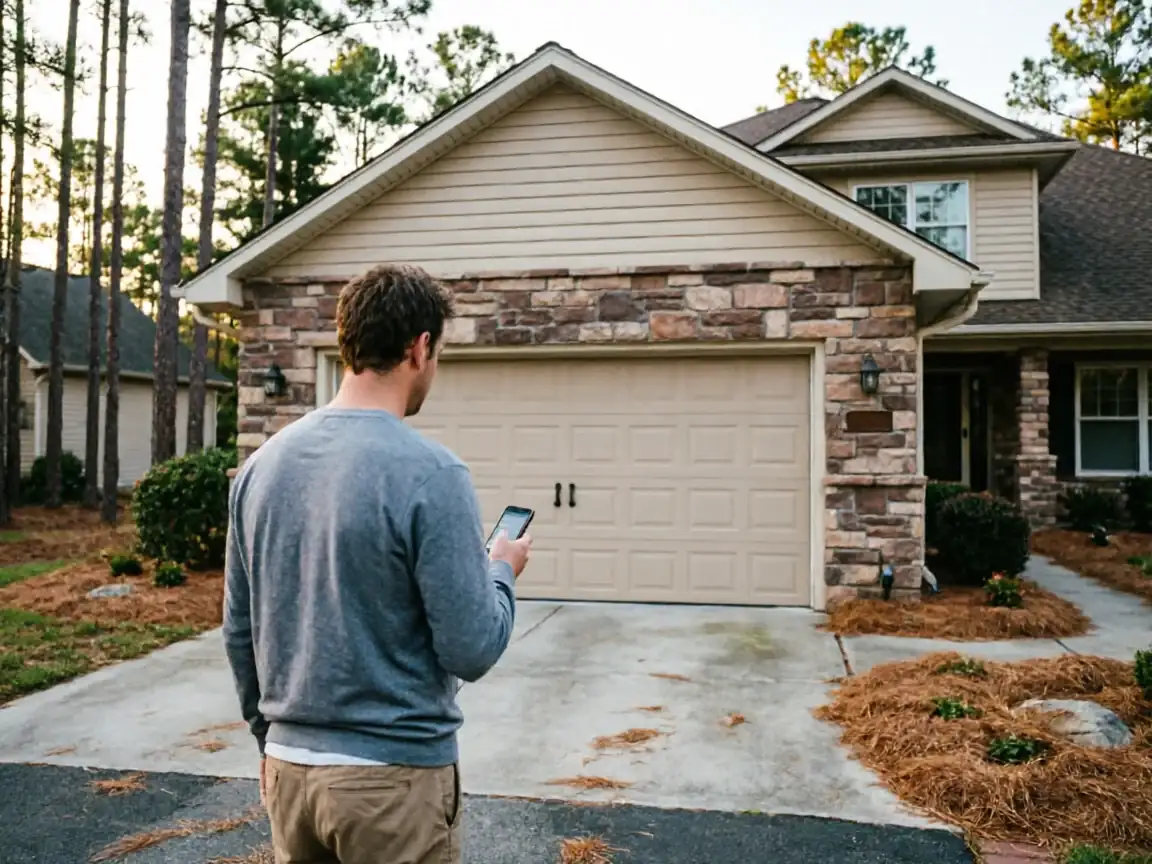
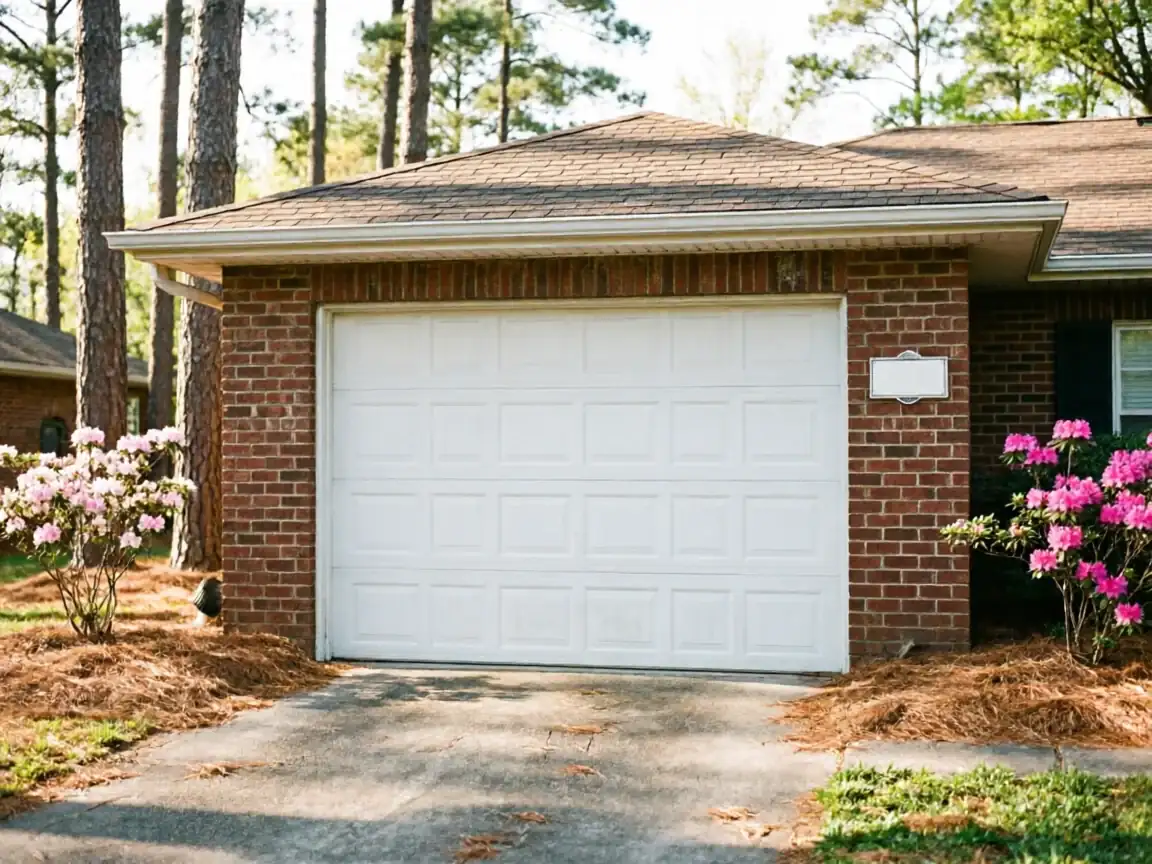
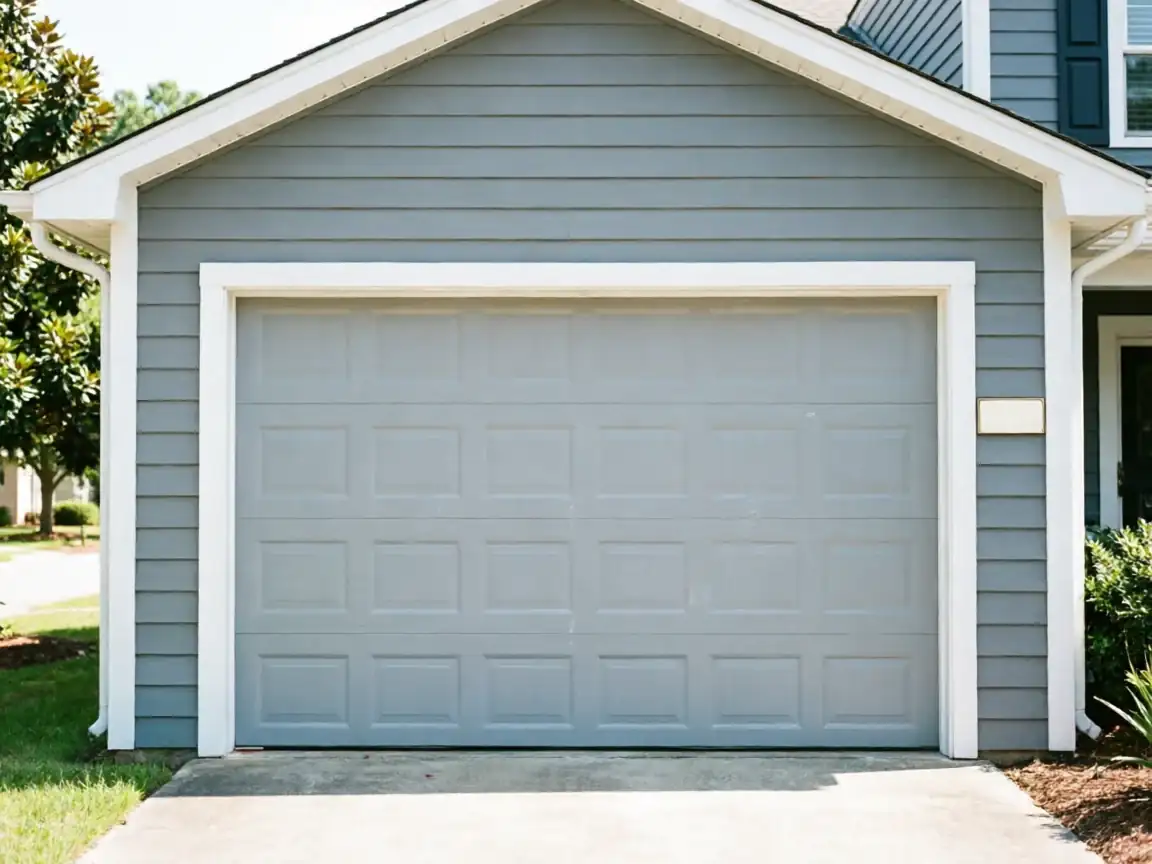
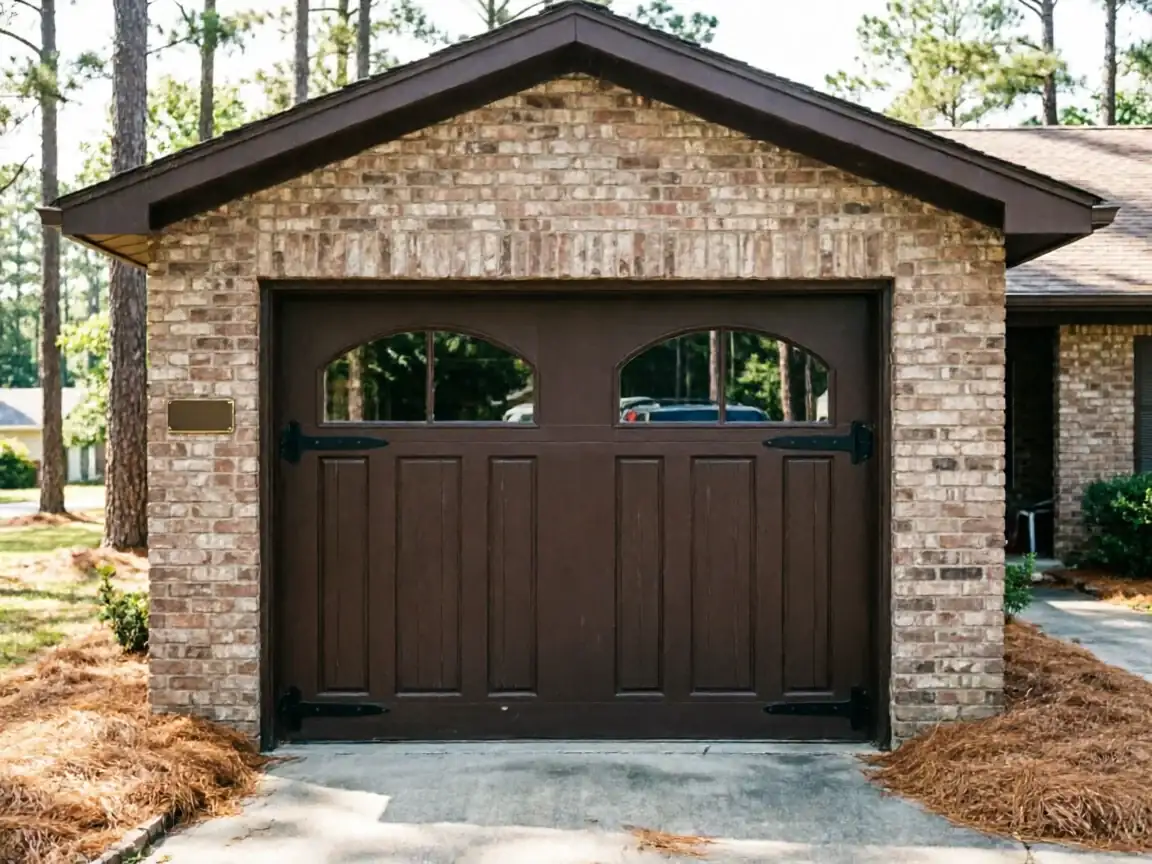
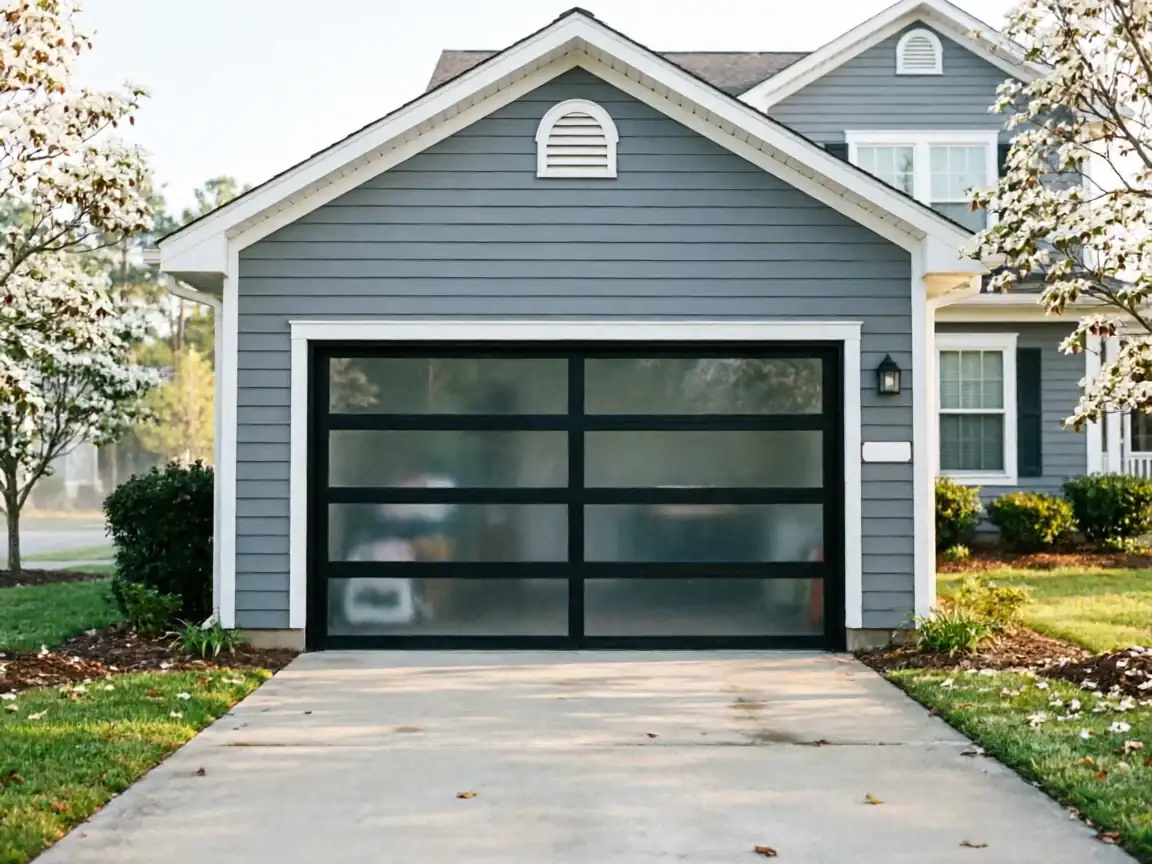
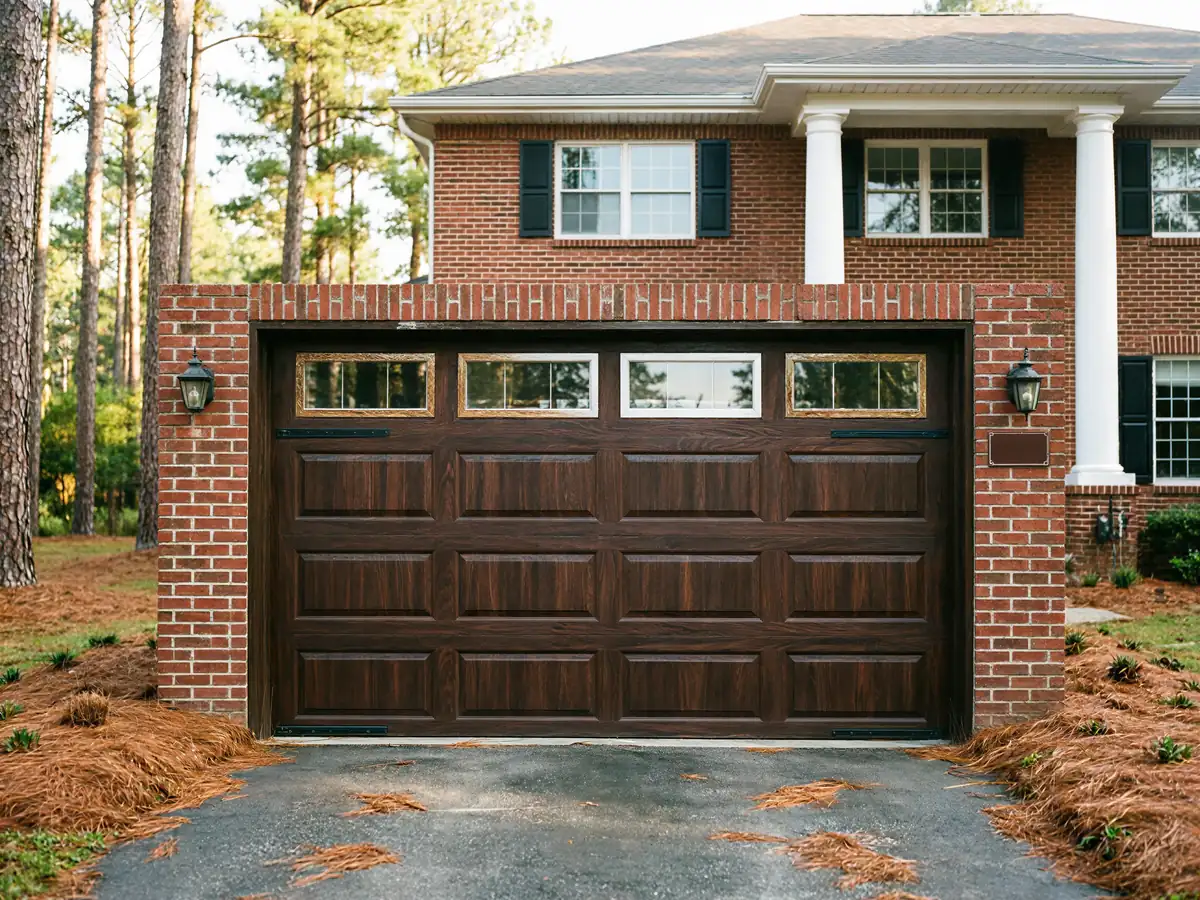
Lovejoy's housing stock skews newer than most of the towns we cover out of Fayetteville - the median build year here lands around 2007, which puts a lot of these garage doors inside their original 15-to-20-year window with the factory cable still wound on the drum. Nobody thinks about the lifting cables until one lets go, and on a door this age, that cable has never been touched since the builder hung it. Galvanized aircraft cable doesn't fail all at once. It frays strand by strand where it wraps the drum and where it clips to the bottom bracket, usually from repeated flexing over thousands of open-close cycles rather than from any one bad day. A door built in 2007 that's seen normal daily use has likely put that cable through well over 10,000 cycles by now. Add in a household that uses the garage door as the main entrance - common in newer subdivisions where the front door barely gets touched - and you get more wear, faster. The result is a cable that looks fine until the last few strands give out, usually under the weight of a cold morning or a hard stop. That's the fault we see most often on this side of the service area, not worn springs or stripped gears.
Parts We Carry
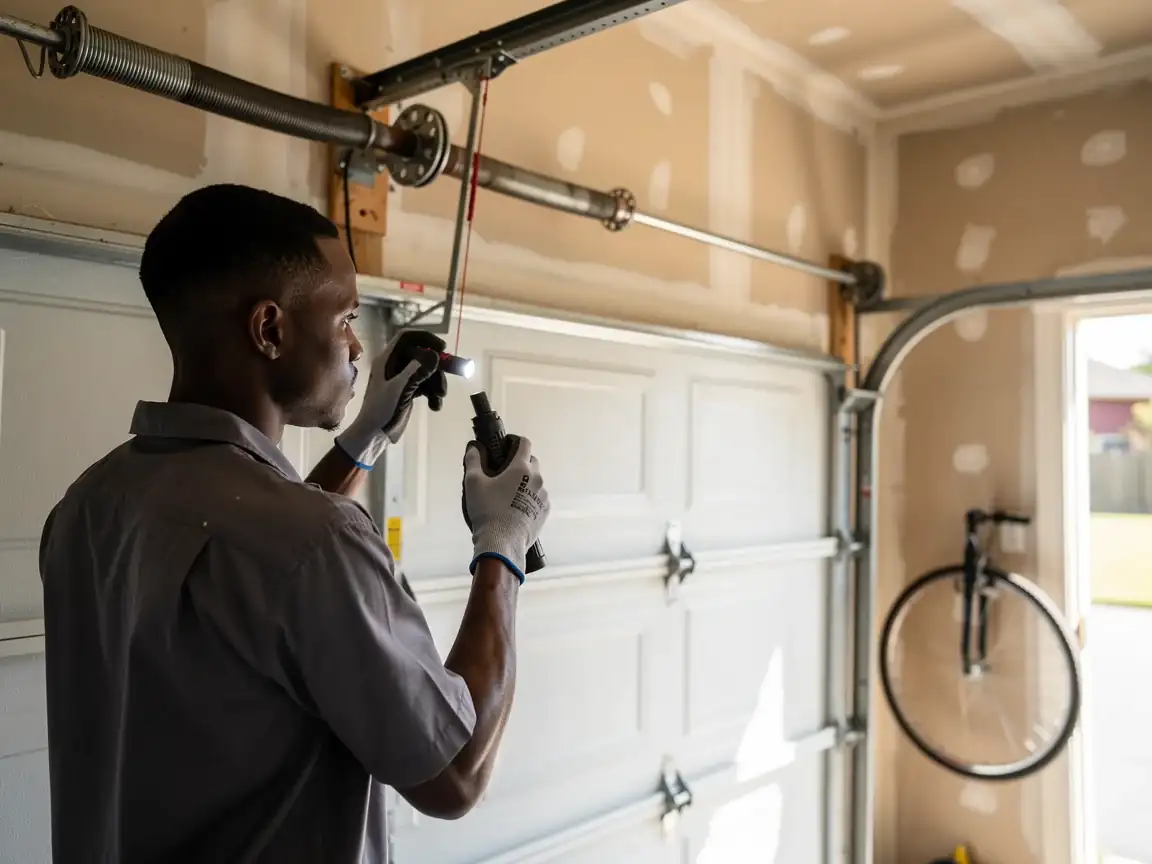
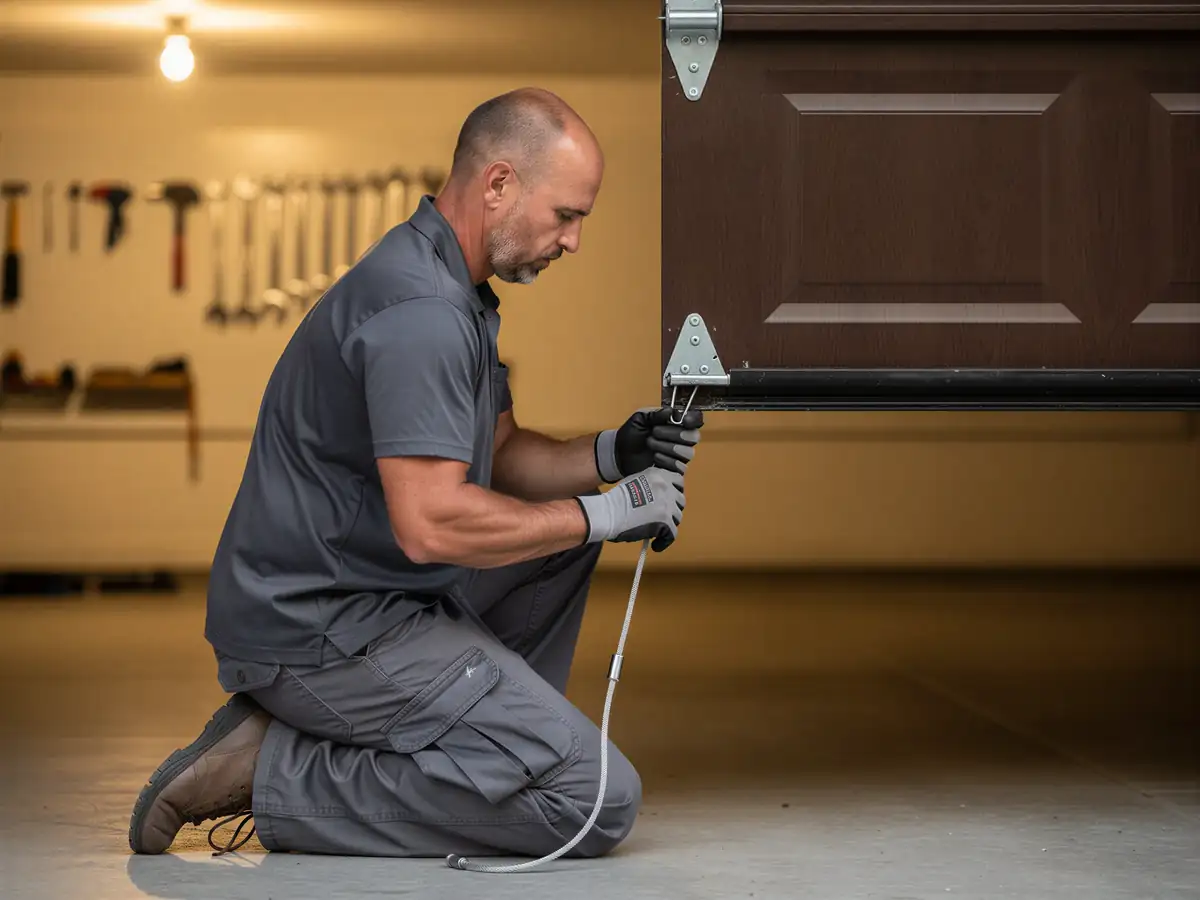
We carry galvanized lifting cable in the standard diameters used on residential torsion and extension systems, along with the aluminum stop sleeves and S-hooks that terminate them at the bottom bracket. On a cold-moderate climate like this one, cable doesn't rust through the way it might somewhere humid year-round, but the freeze-thaw swing through winter still stiffens the strands and speeds up fatigue at the drum wrap, which is where we find most of the fraying on doors from this era. We stock the cable sizes that match torsion-spring doors built from the late 1980s through the mid-2000s, which covers the bulk of what's on the road out to Lovejoy. What we don't carry on the truck is cable for high-cycle commercial doors or anything with a non-standard drum pitch - those get special-ordered, and we'll tell you that before we quote the job, not after.
How We Fix It
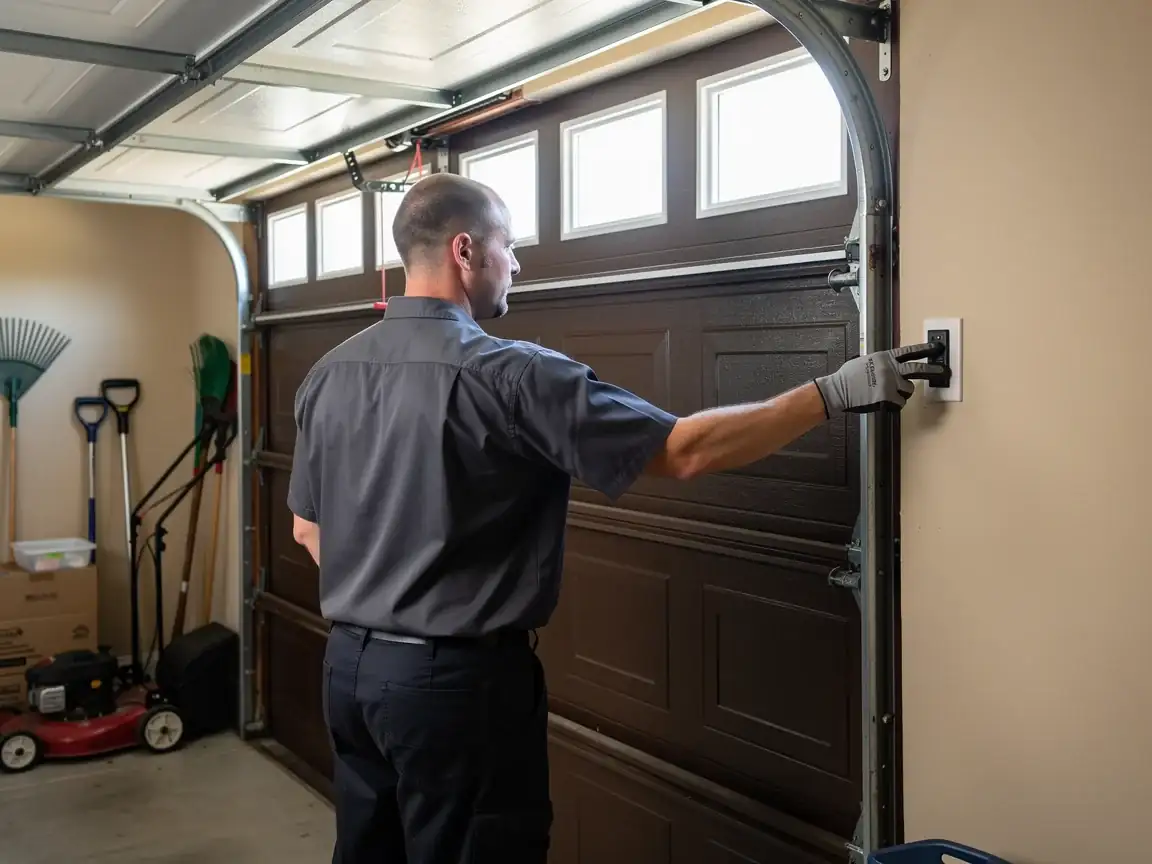
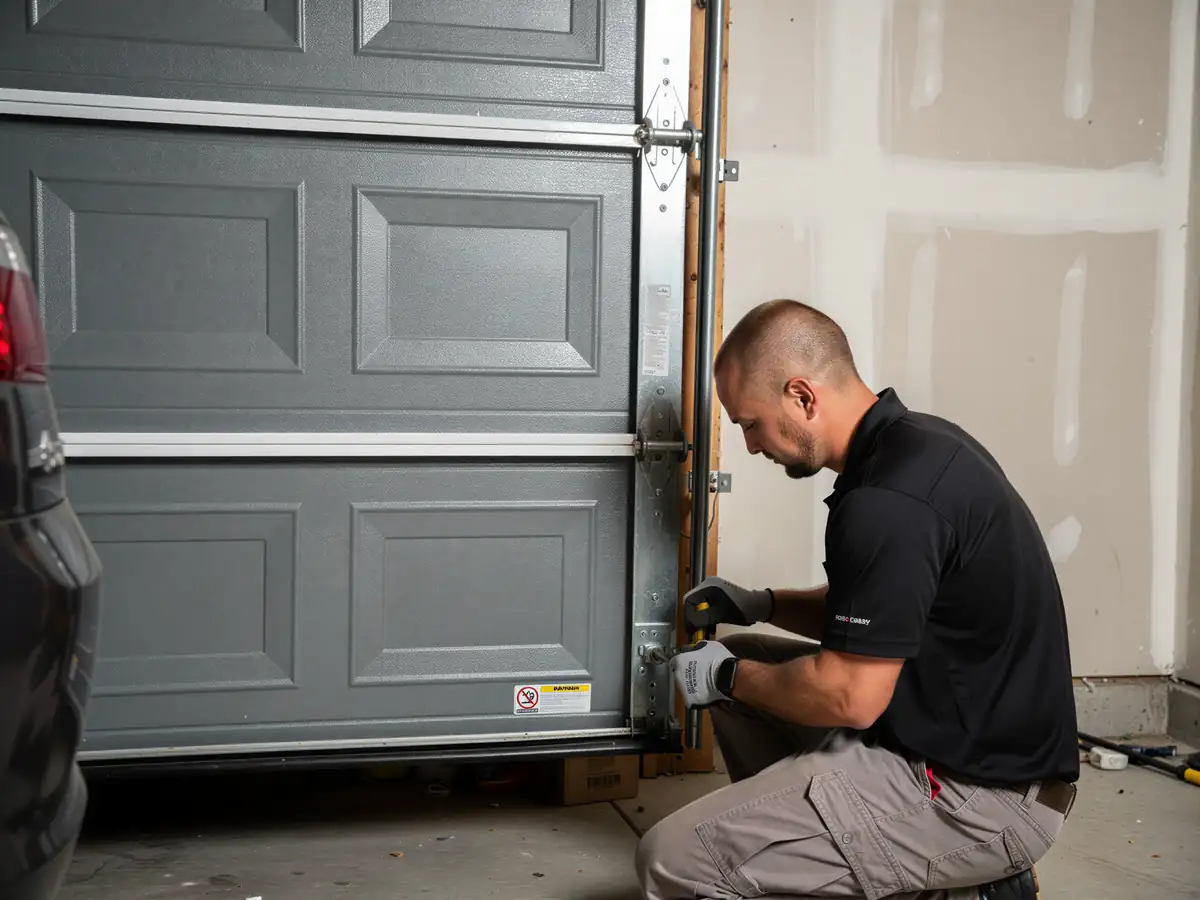
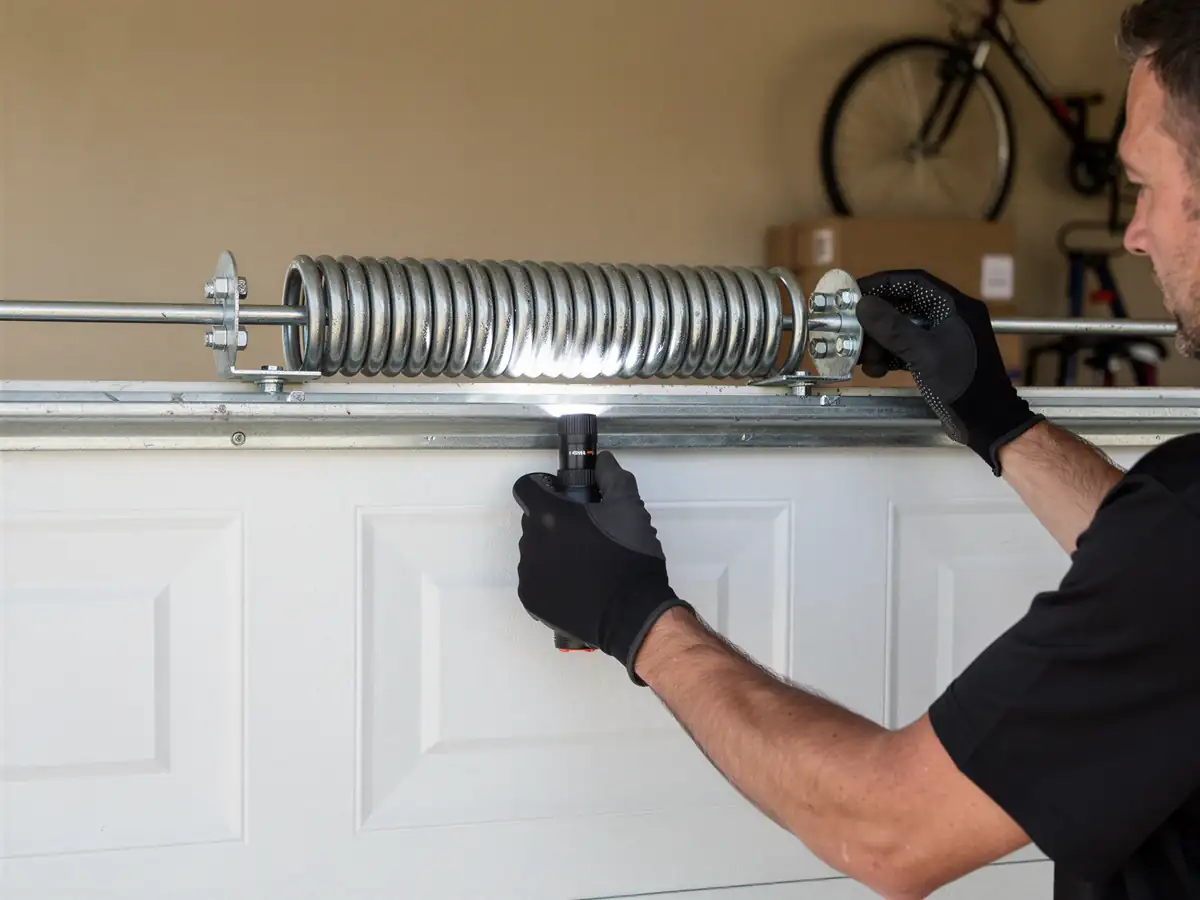
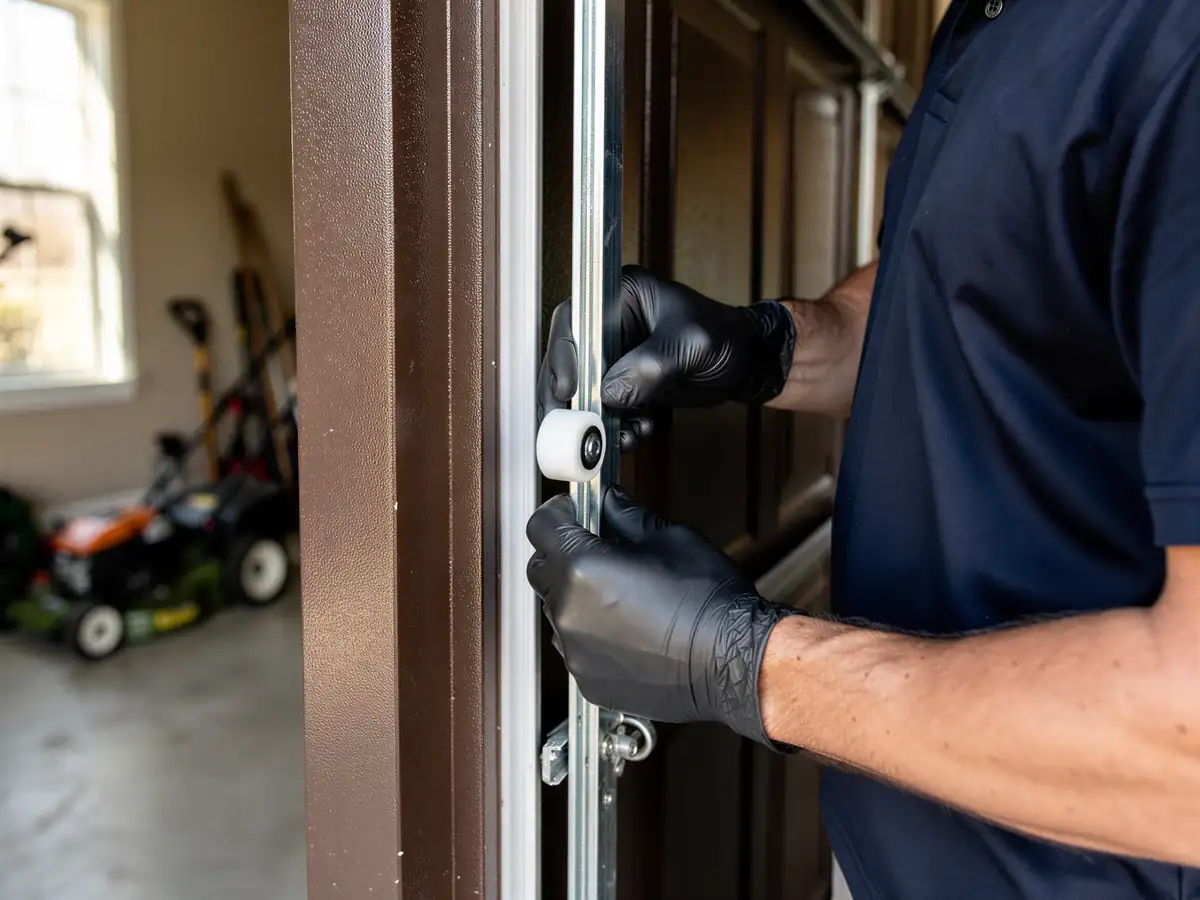
We drive the 9 miles out from Fayetteville with the door's weight and spring type already in mind from what you tell us on the phone, since torsion springs stay under load and a cable job done wrong near a wound spring is how people get hurt. On site, we release the spring tension, pull the old cable off both the drum and the bottom bracket, and check the drum groove and the bracket itself for wear before running new cable through. If one cable snapped, we replace both - they're the same age and the second one is close behind. Once the new cable is seated and the spring tension is reset, we run the door through a full cycle by hand before touching the opener, checking that it tracks straight and doesn't drift off one side, which is the usual sign of uneven cable length or a bent bracket we missed the first pass.