Why This Fails Locally
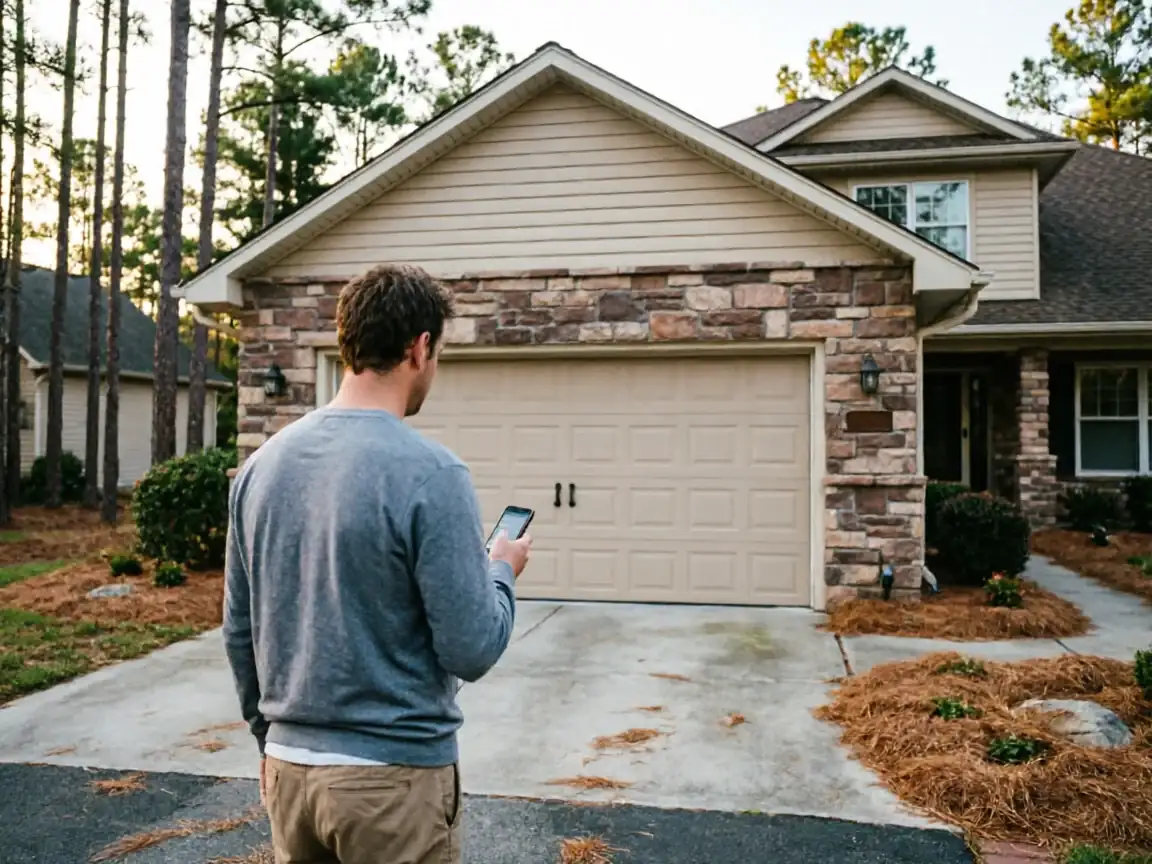
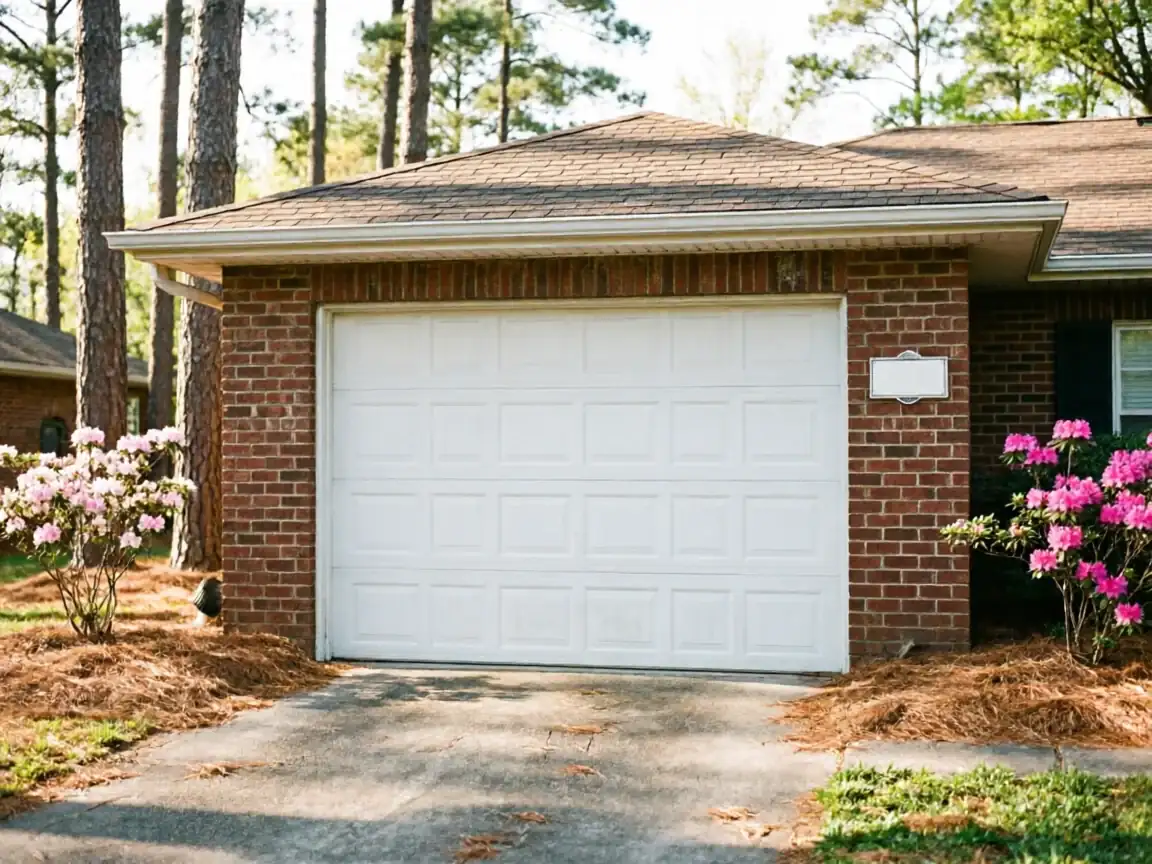
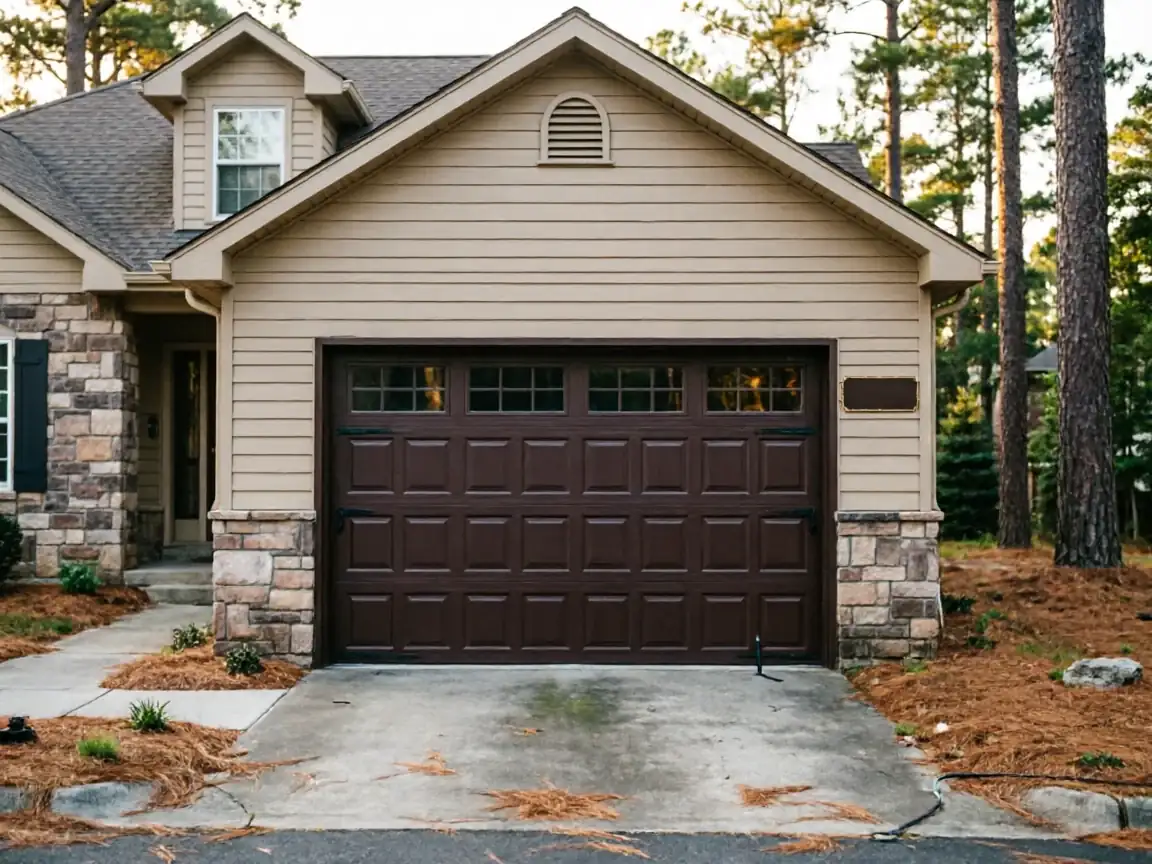
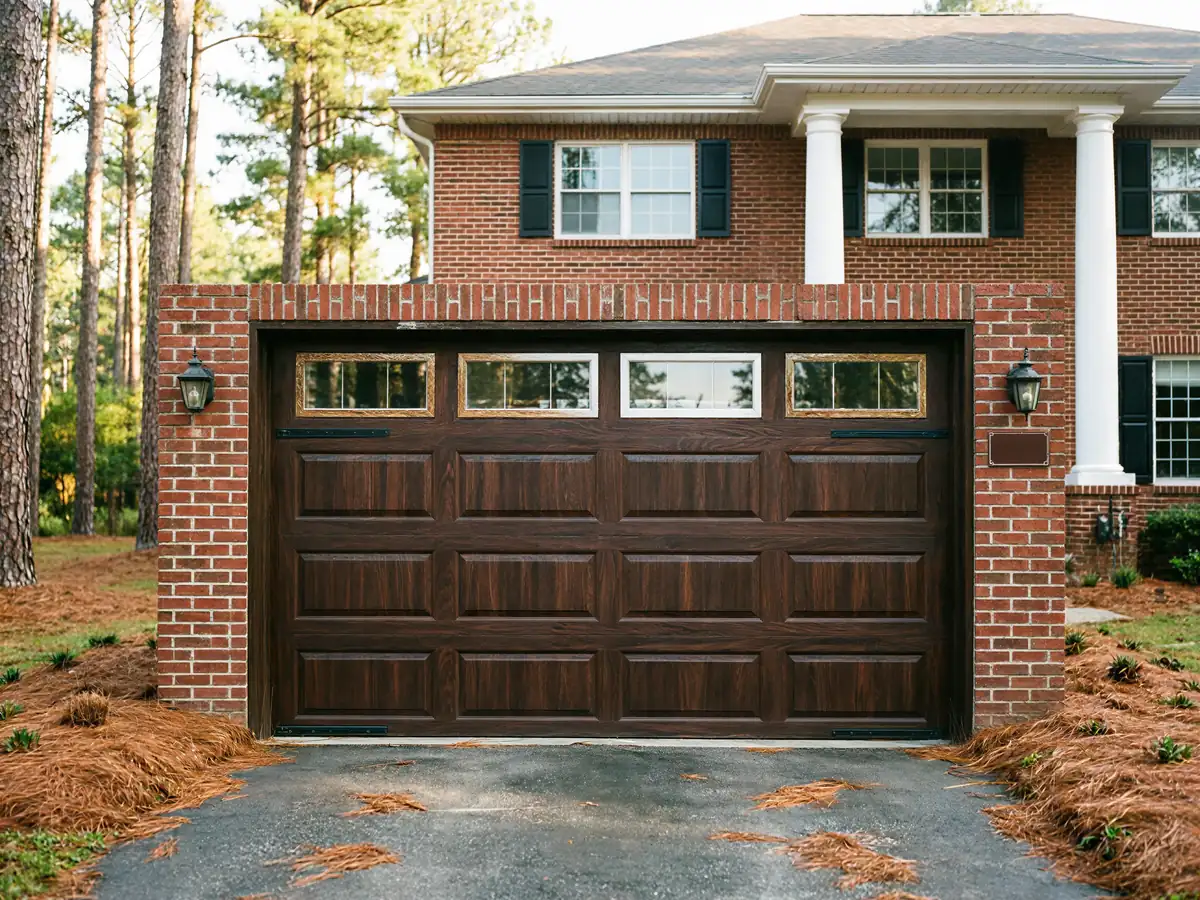
Most of the garage doors we see failing in Lovejoy aren't old. The subdivisions here finished building out around 2007, which puts Lovejoy at the newer end of the whole service area's range (homes across the area span 1961 to 2007, with a median build year of 1988). That matters because a house built in 2007 didn't get a custom door. It got whatever the production builder's supplier shipped that year, in bulk, to hit a closing date - usually a steel door on a torsion spring rated for a minimum cycle count, with rollers and hinges picked for cost, not longevity.
That hardware is now roughly two decades old, which is exactly when those minimum-spec springs start snapping and the stamped steel panels start denting along the bottom section where cars clip them pulling in. It's not rot or age in the usual sense - it's a door that was never built to last past its original warranty window finally catching up to the house around it.
What It Costs
We don't have a flat number to quote here
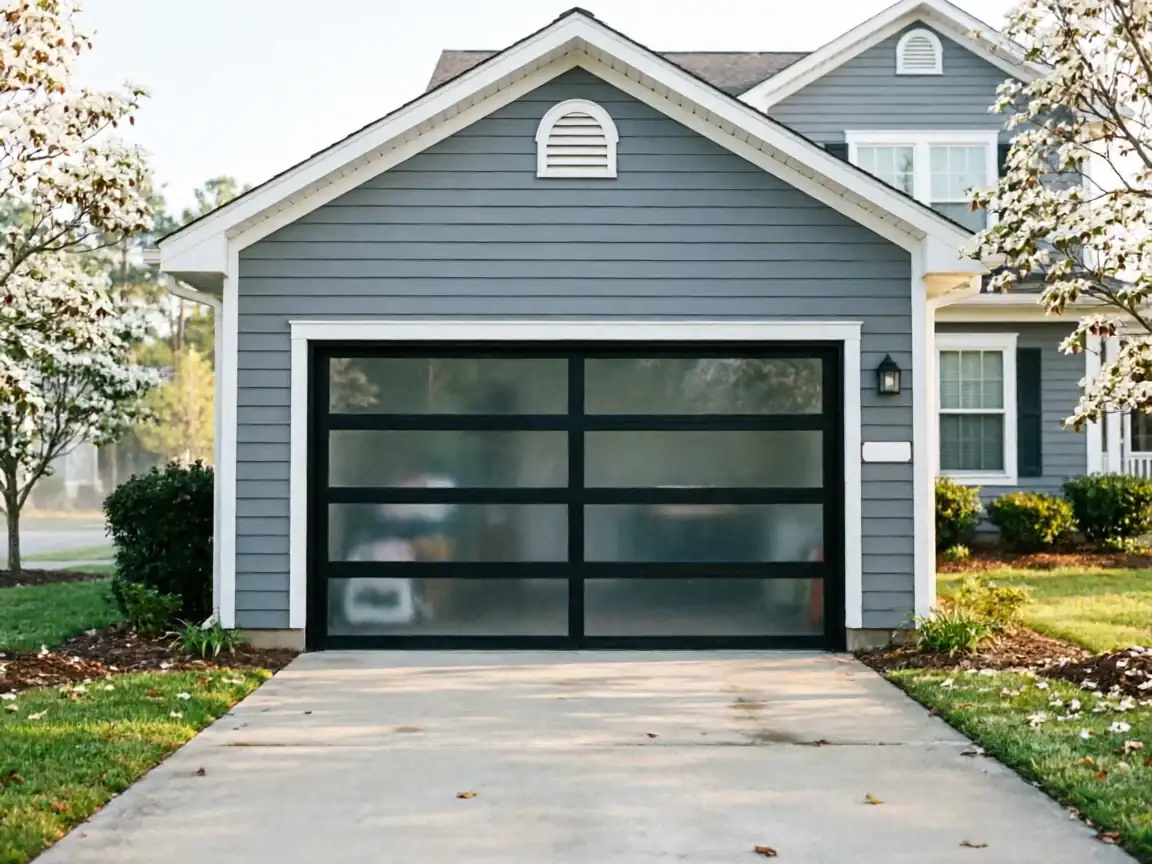
Cost depends on door size, track configuration, whether the opener gets replaced alongside it, and what's actually salvageable versus what has to come out. What we can tell you is that Lovejoy households have a median income of $67,872, a bit higher than the $61,454 median across the wider service area, and that tends to show up in the choices people make here: more homeowners asking about insulated steel or two-layer doors instead of the bare single-skin panel the builder installed the first time.
We'll give you a number after we've looked at the opening and the track, not before
Anyone quoting a install price over the phone without seeing the garage is guessing.
Parts We Carry
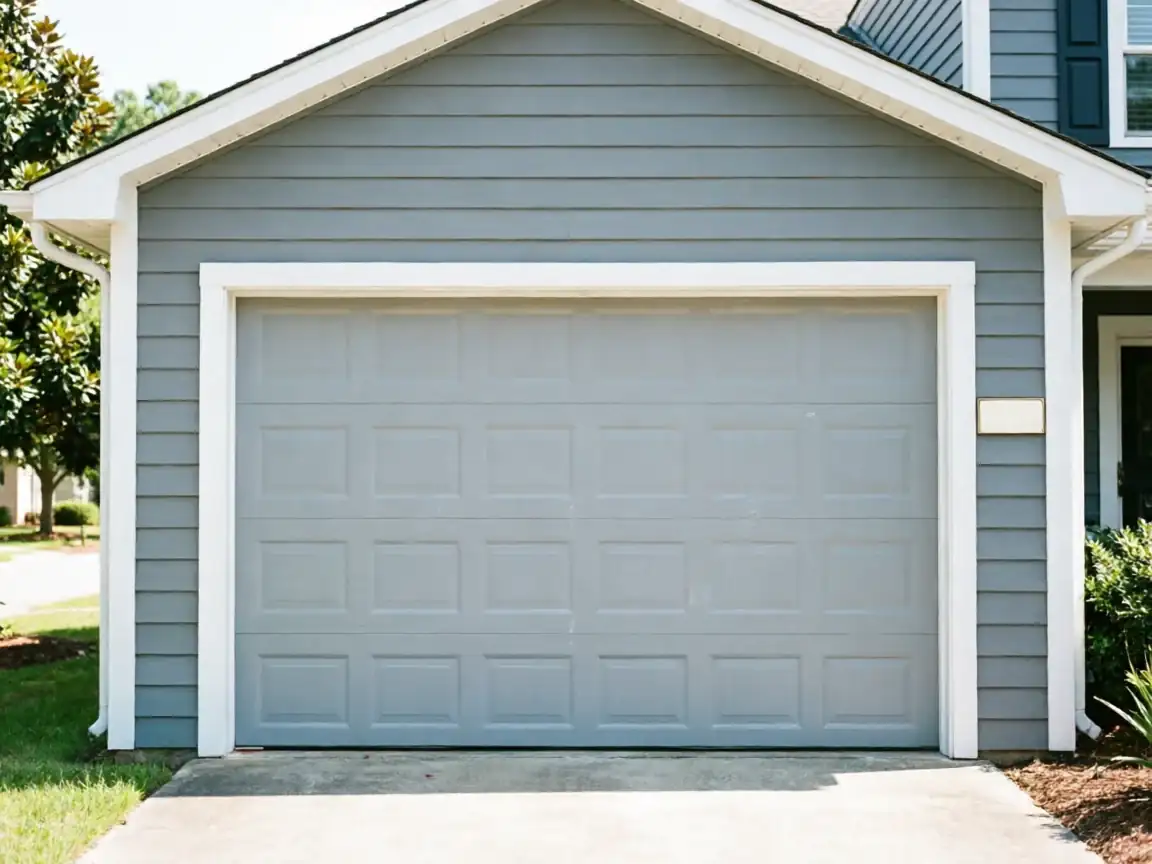
We stock standard torsion springs and steel sectional doors sized for the production-home openings common in Lovejoy's 2000s subdivisions - typically 16x7 doubles and 8x7 or 9x7 singles. The service area sits in a cold-moderate climate band, so we default to insulated sections (polystyrene or polyurethane core) rather than the single-skin panels these houses shipped with, since an uninsulated door in that climate band does nothing for the temperature swing in an attached garage.
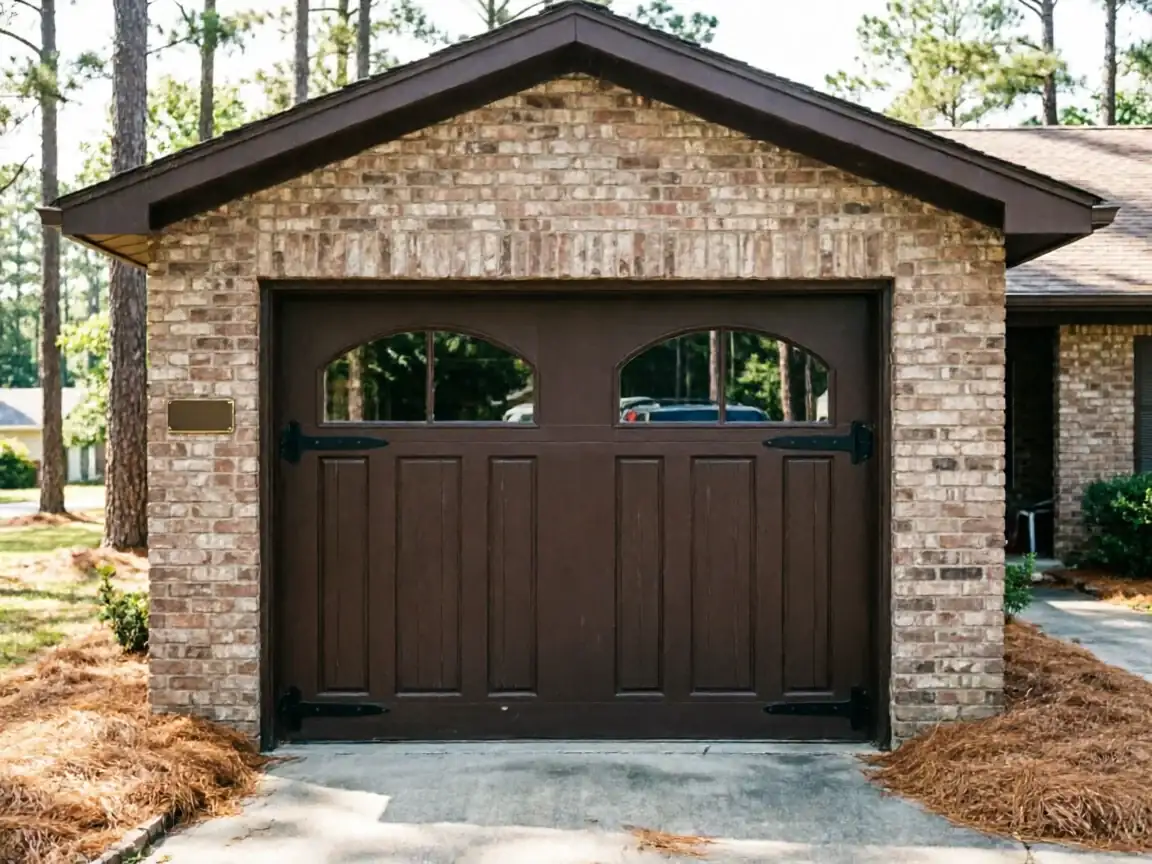
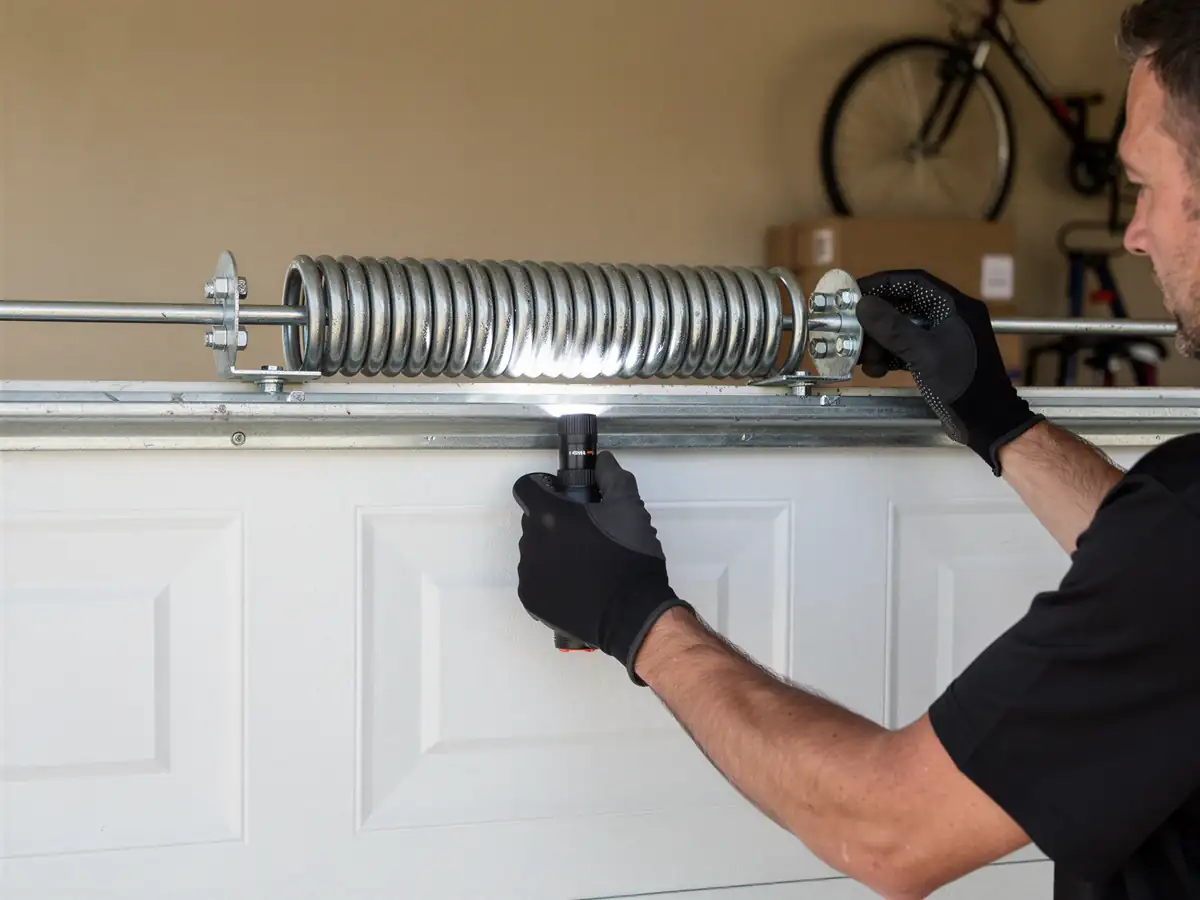
We carry standard-lift torsion hardware and extension spring kits for the lighter single-car openings. We don't stock custom wood or carriage-style doors on the truck - those get special-ordered, and that lead time is outside our control.
How We Fix It
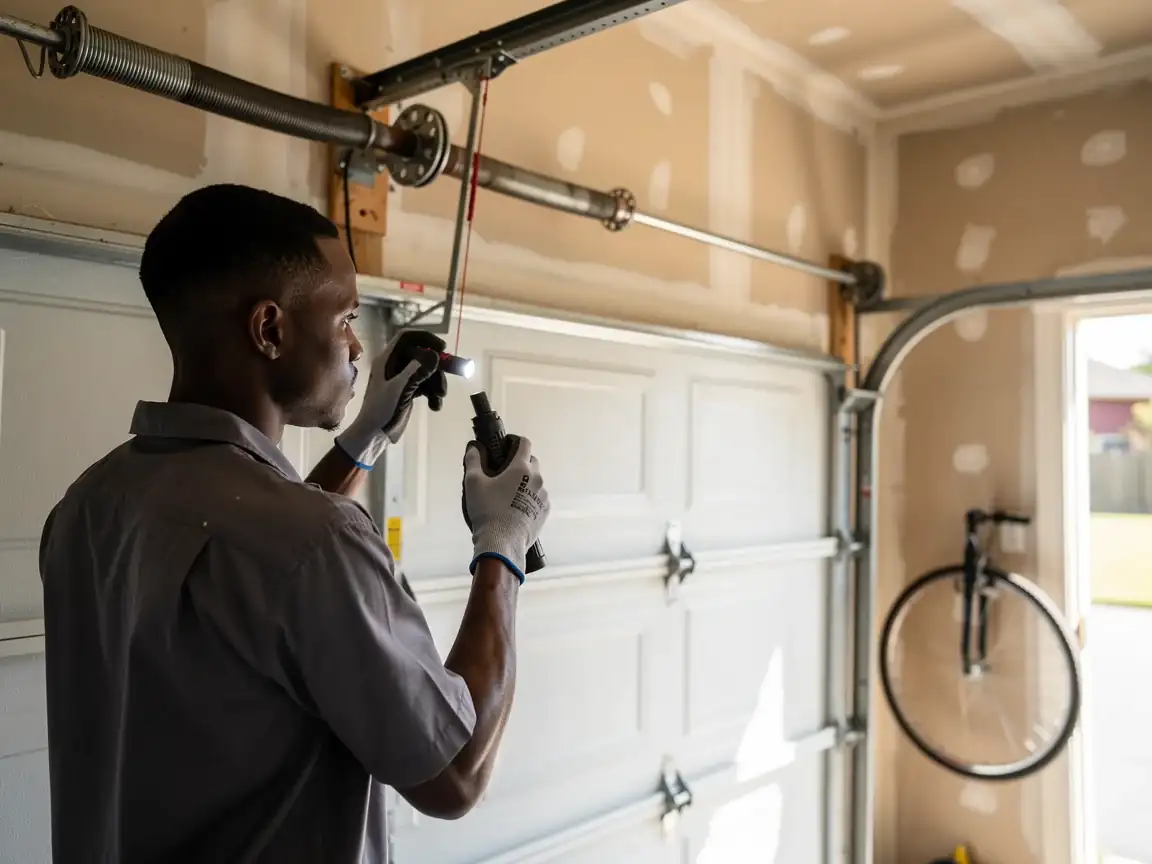
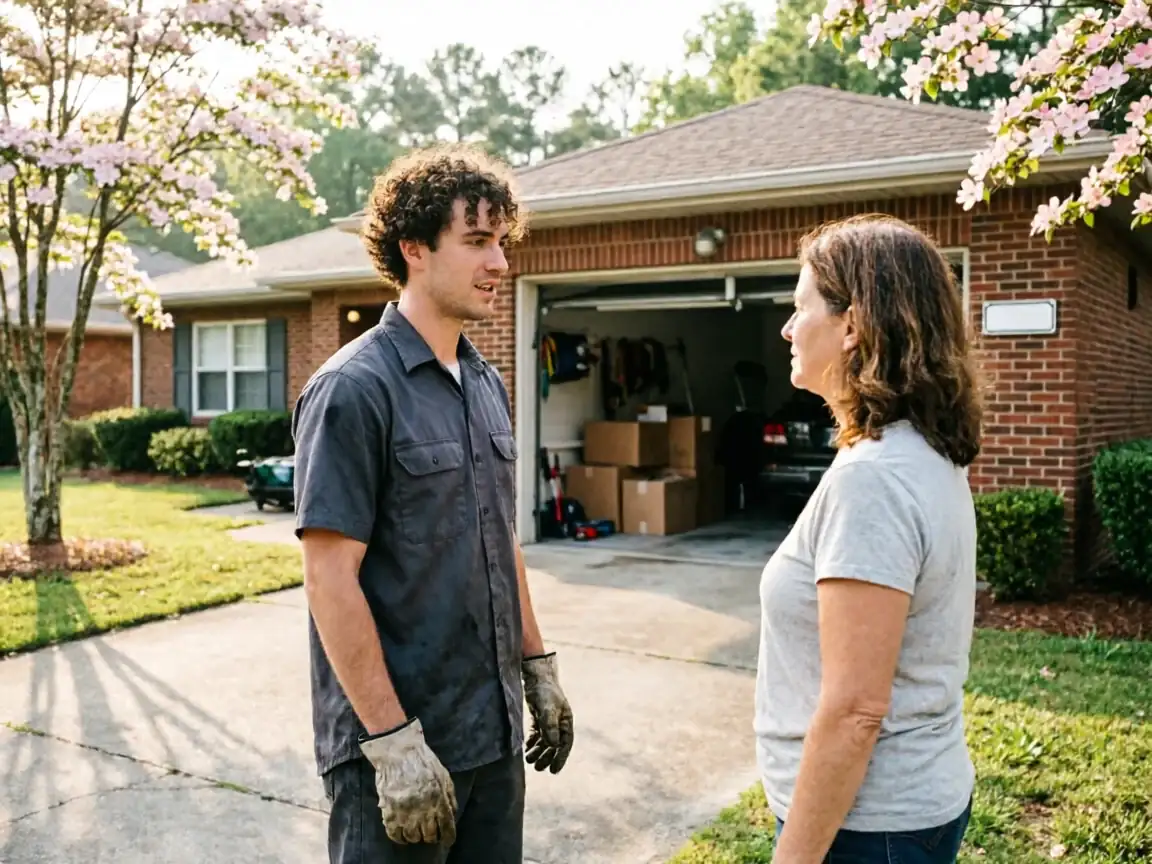
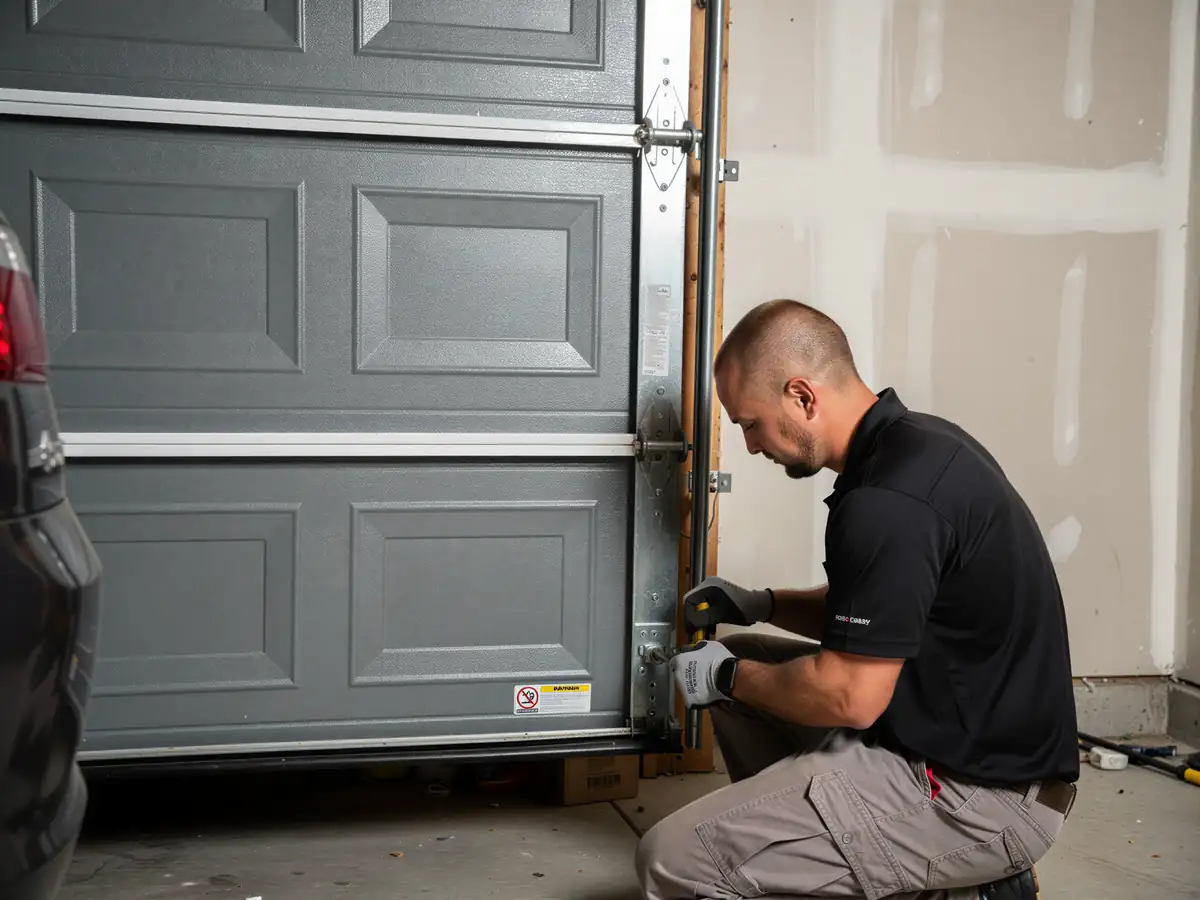
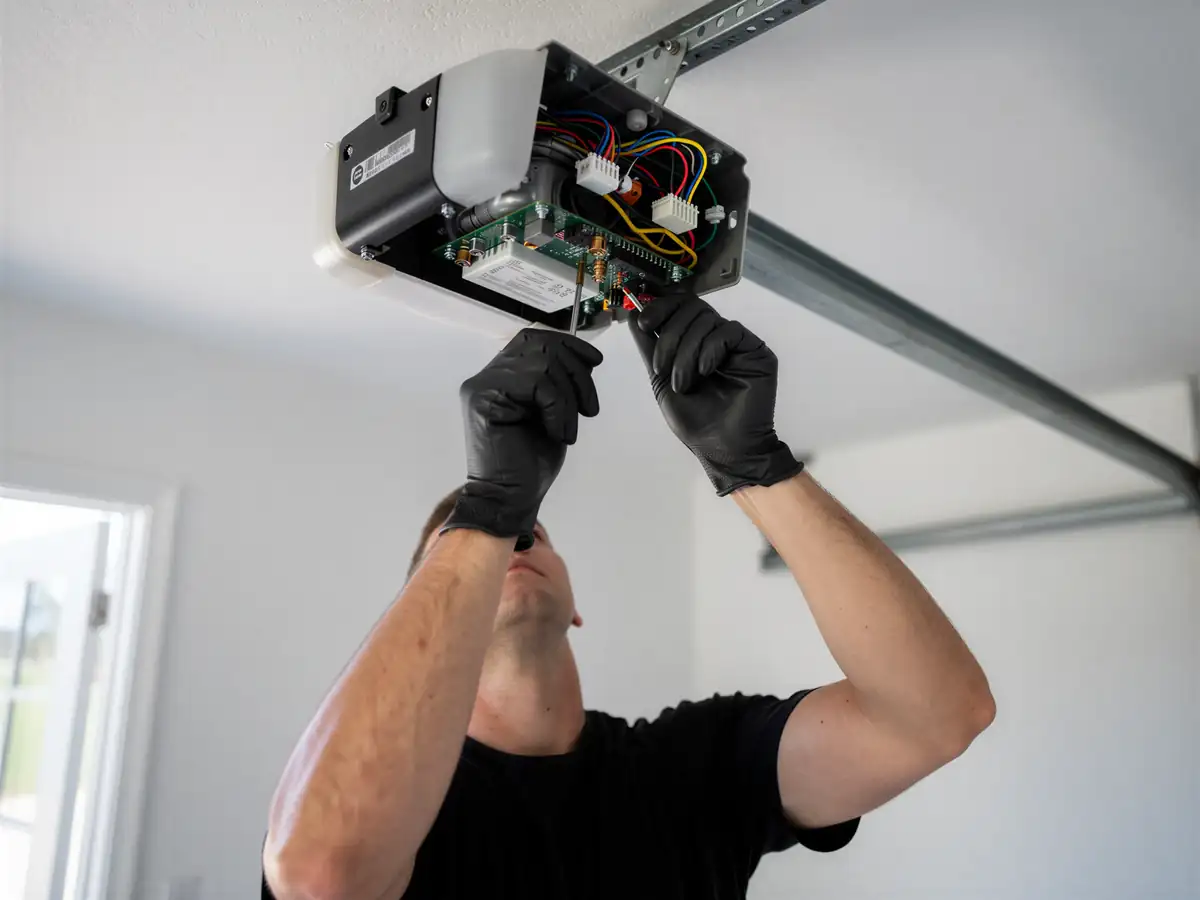
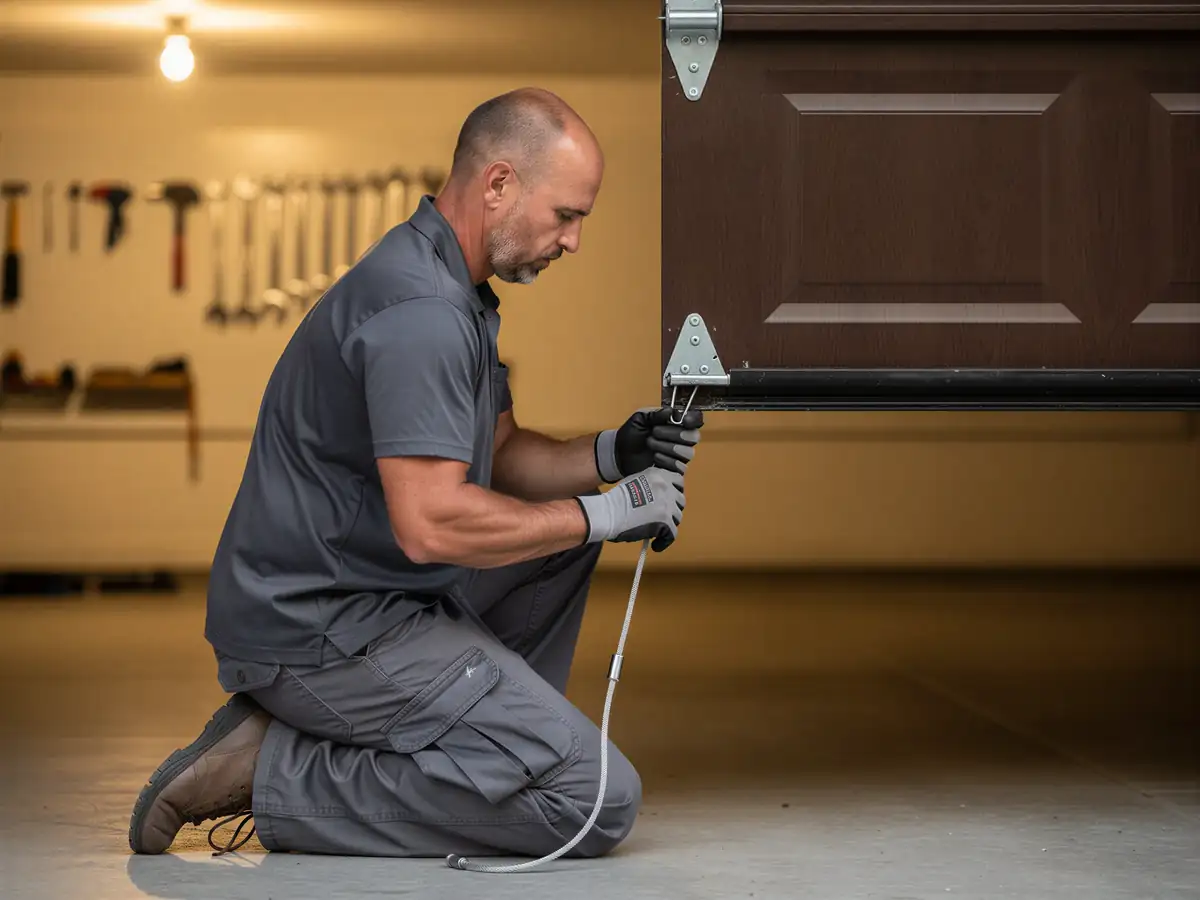
We come out from Fayetteville, about 9 miles to Lovejoy, and start by checking the spring, not the opener, since most calls that sound like 'the opener died' are actually a broken torsion spring putting the full weight of the door back on the motor. If the door itself is original to a 2007-era build, we check panel condition, track alignment, and whether the drum and cable are original-spec or already swapped once.
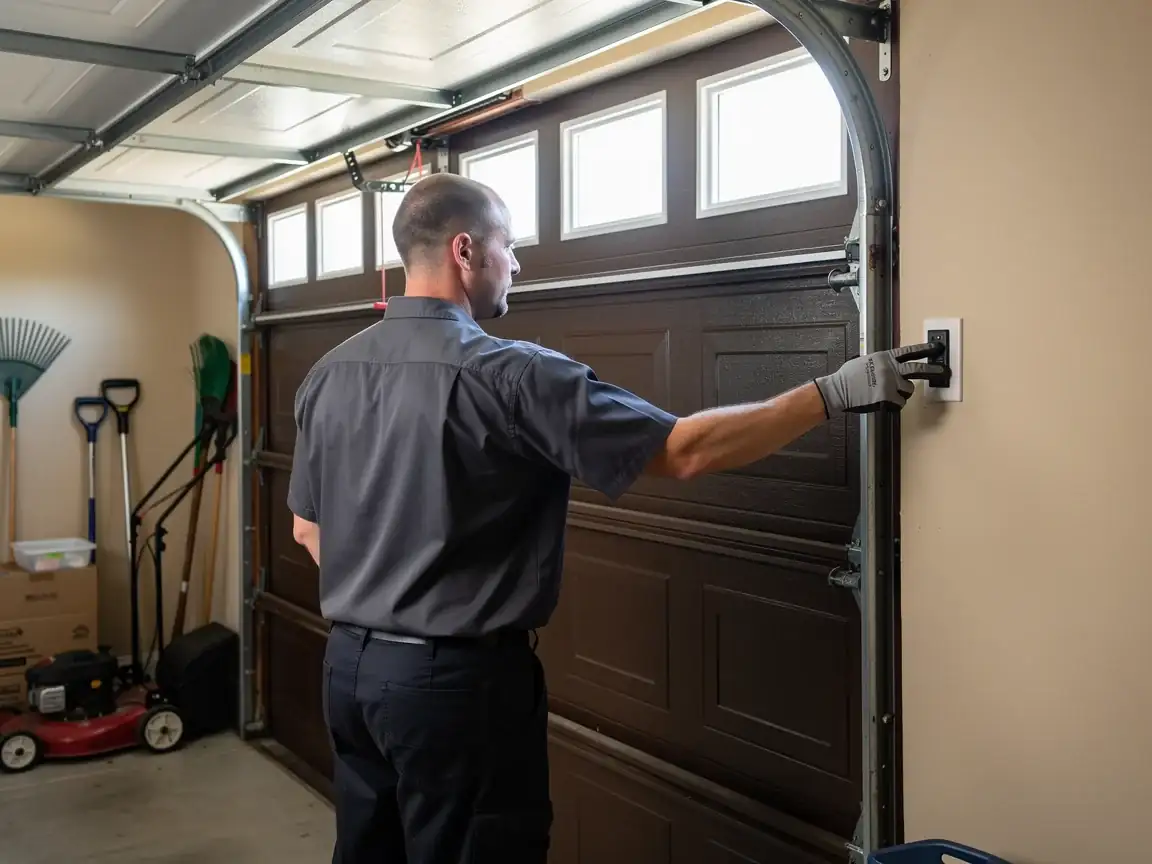
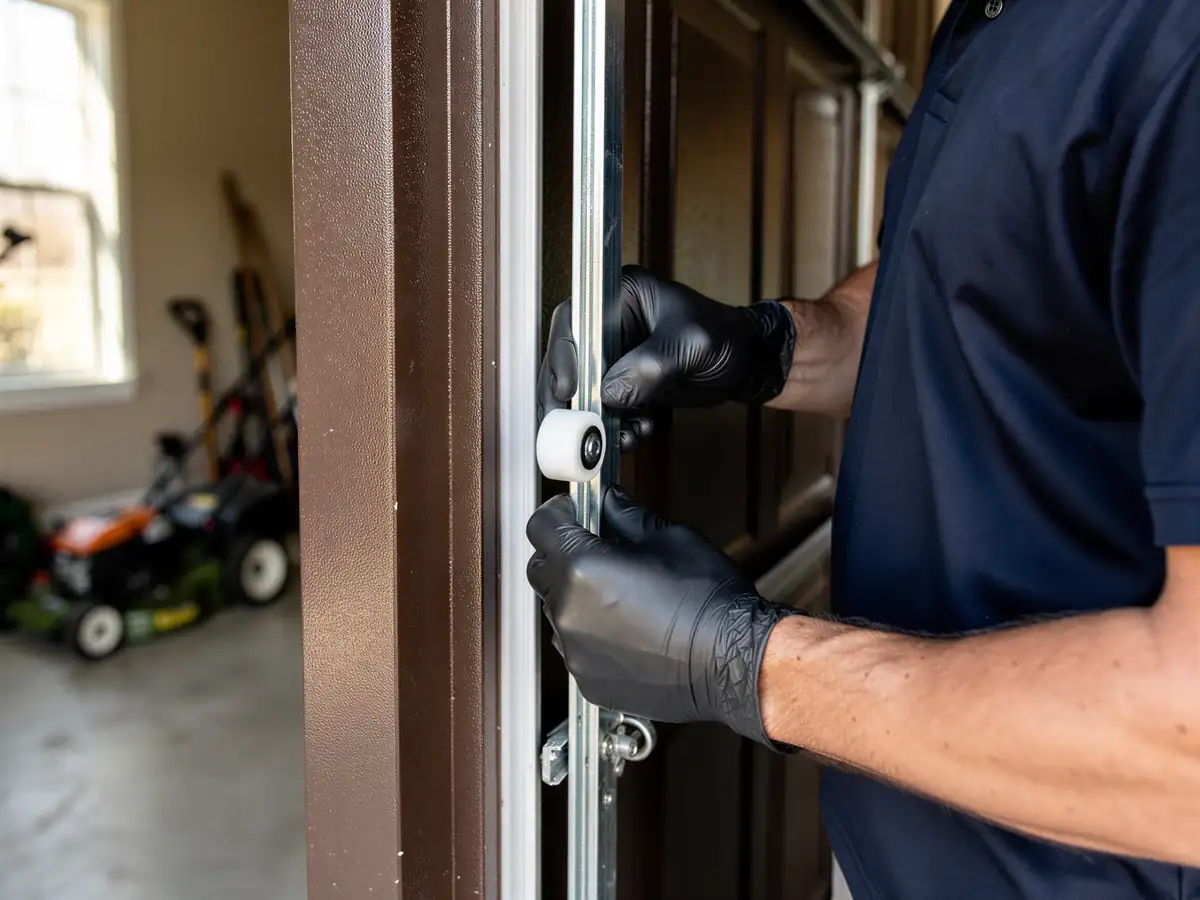
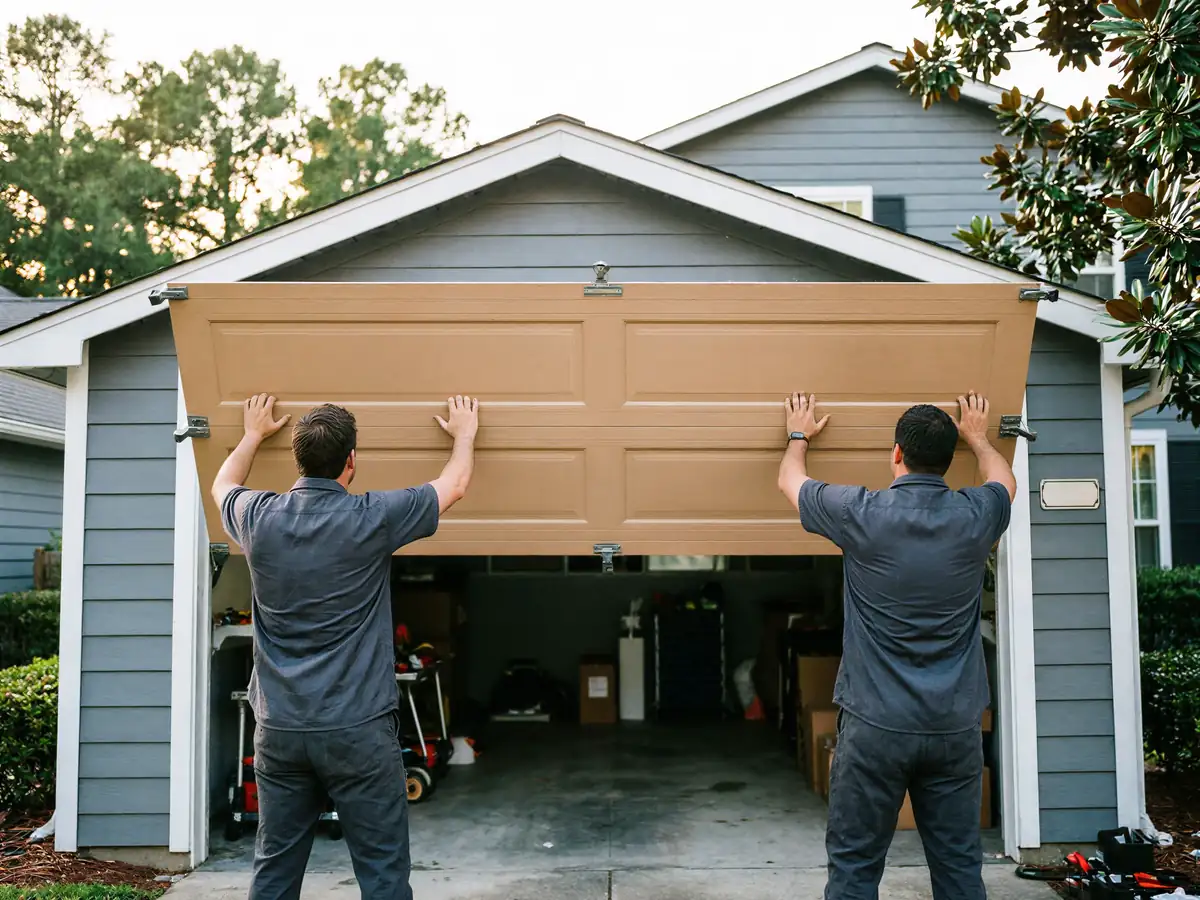
From there it's either a straight spring and hardware replacement on the existing door, or a full new door install if the panels are dented, delaminating, or the track geometry has shifted enough that patching it isn't worth the labor. We size the new door and opener to the existing opening so there's no framing work involved.
The Symptom
The pattern we hear most from Lovejoy calls
The door worked fine, then one morning it wouldn't lift past a foot off the ground, or it came down hard and fast on its own weight. That's a torsion spring letting go - common on doors original to a 2000s build once the spring hits the end of its rated cycle count, usually with no warning beyond a loud bang from the garage.
The other common one is a door that looks fine closed but has a visible bow or oil-canning wave across the bottom panel
From repeated light contact with a bumper over the years on a thinner-gauge steel section. Neither of these means the whole door is junk, but both mean it's time to open it up and look.