Why This Fails Locally
Lovejoy sits nine miles from our shop in Fayetteville, close enough that a roller job doesn't turn into a half-day production - we load the right rollers before we leave rather than guessing and driving back. That matters more here than it sounds, because what we load depends on what's actually on your door.
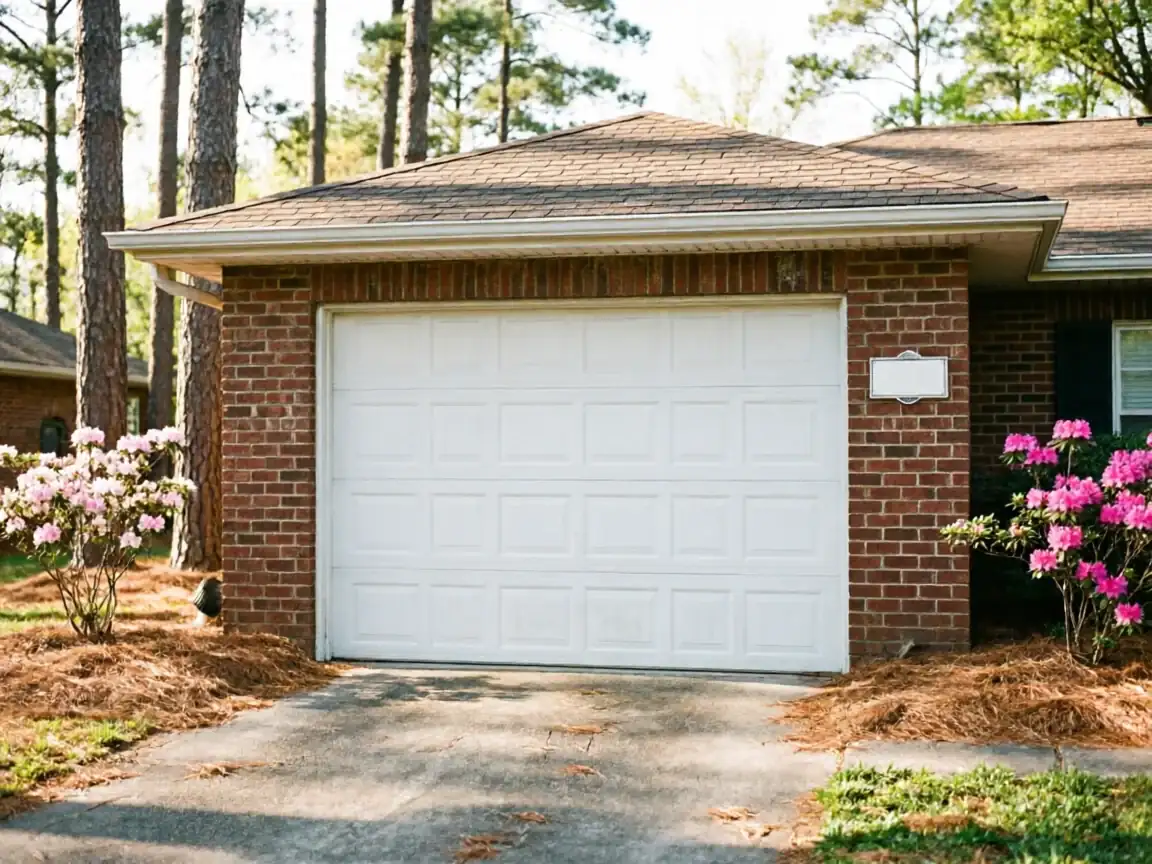
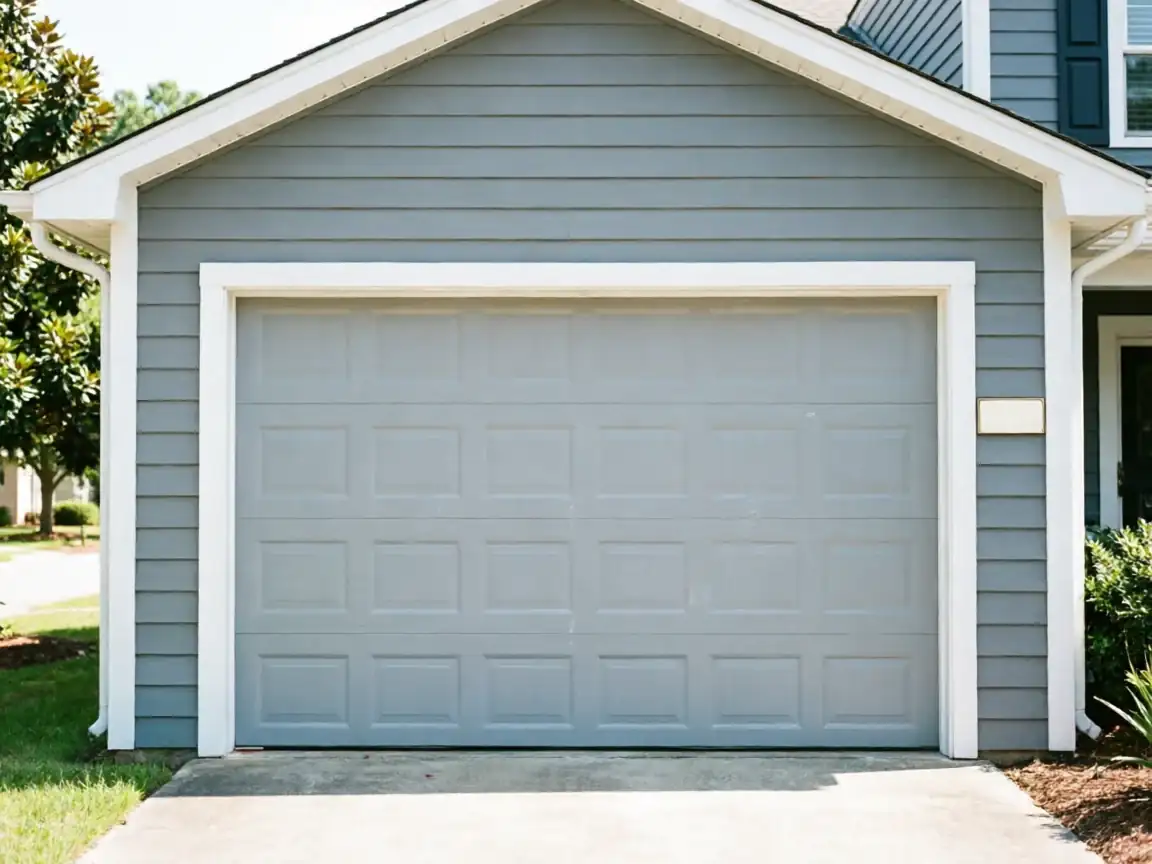
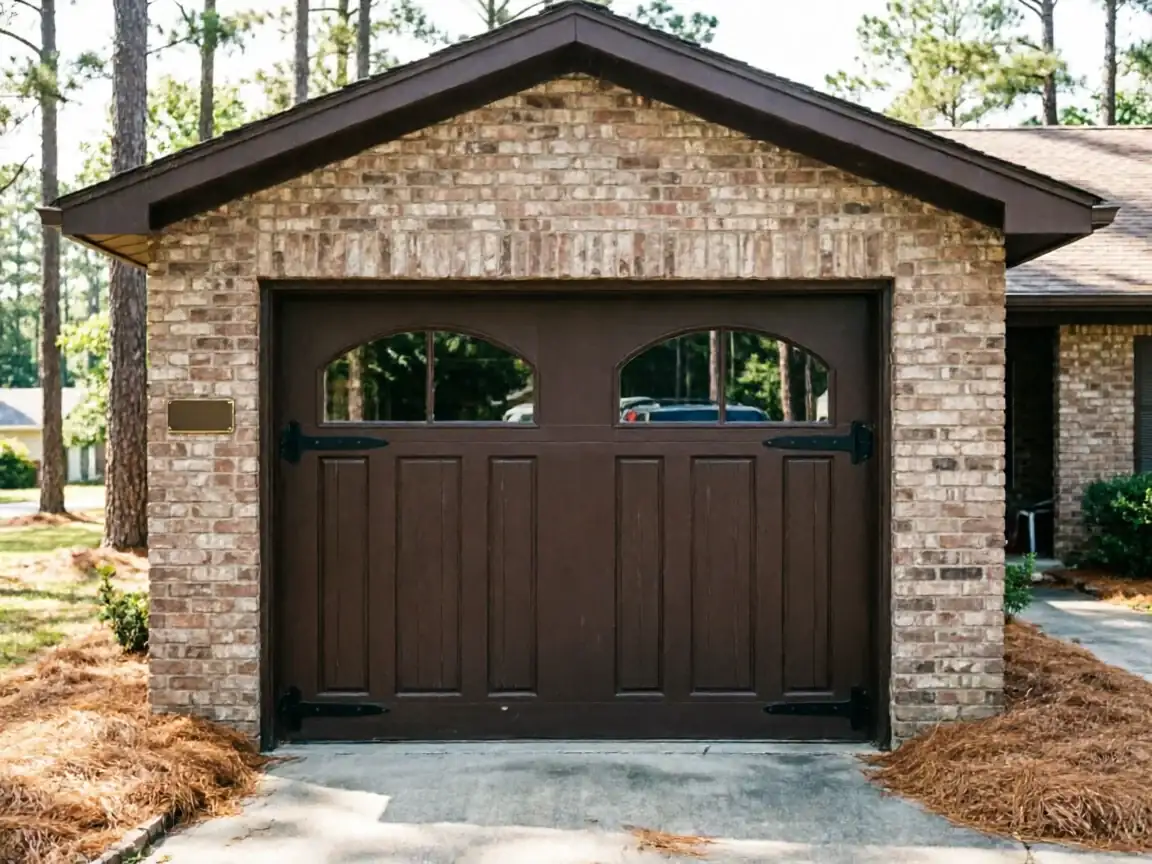
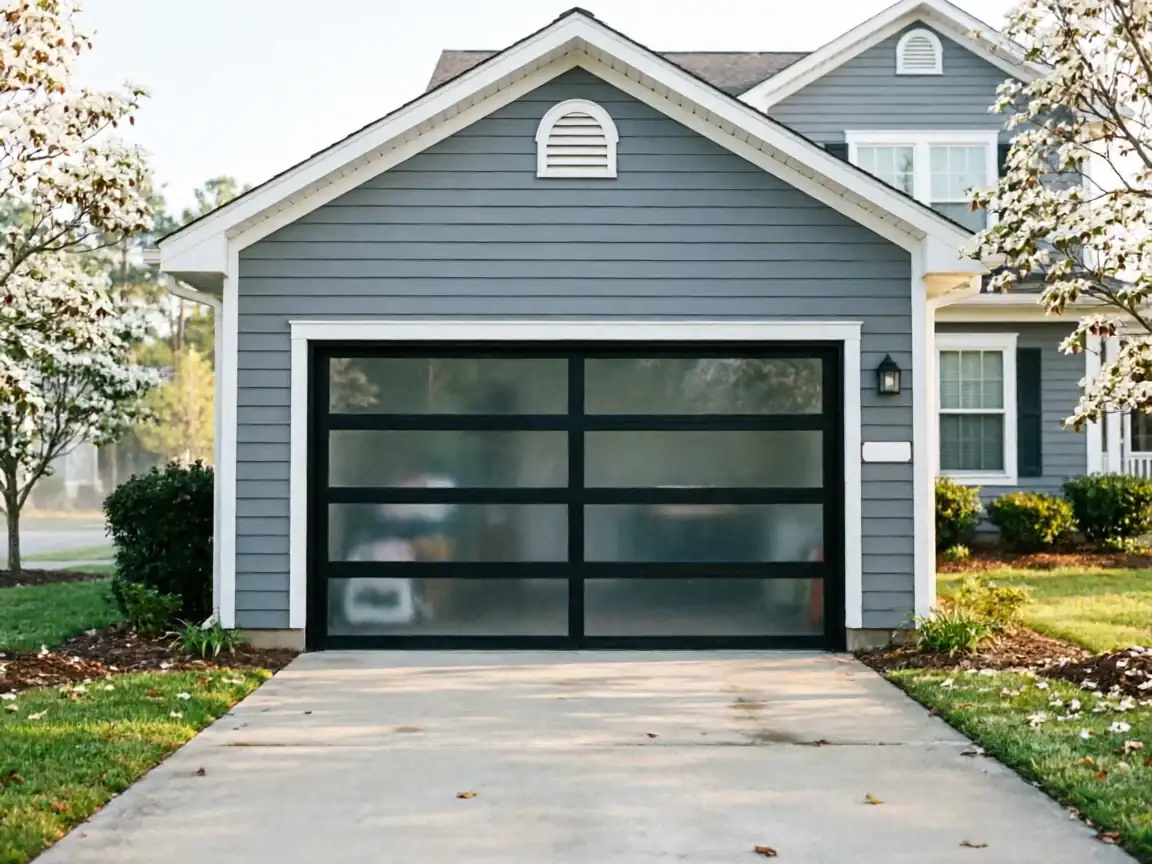
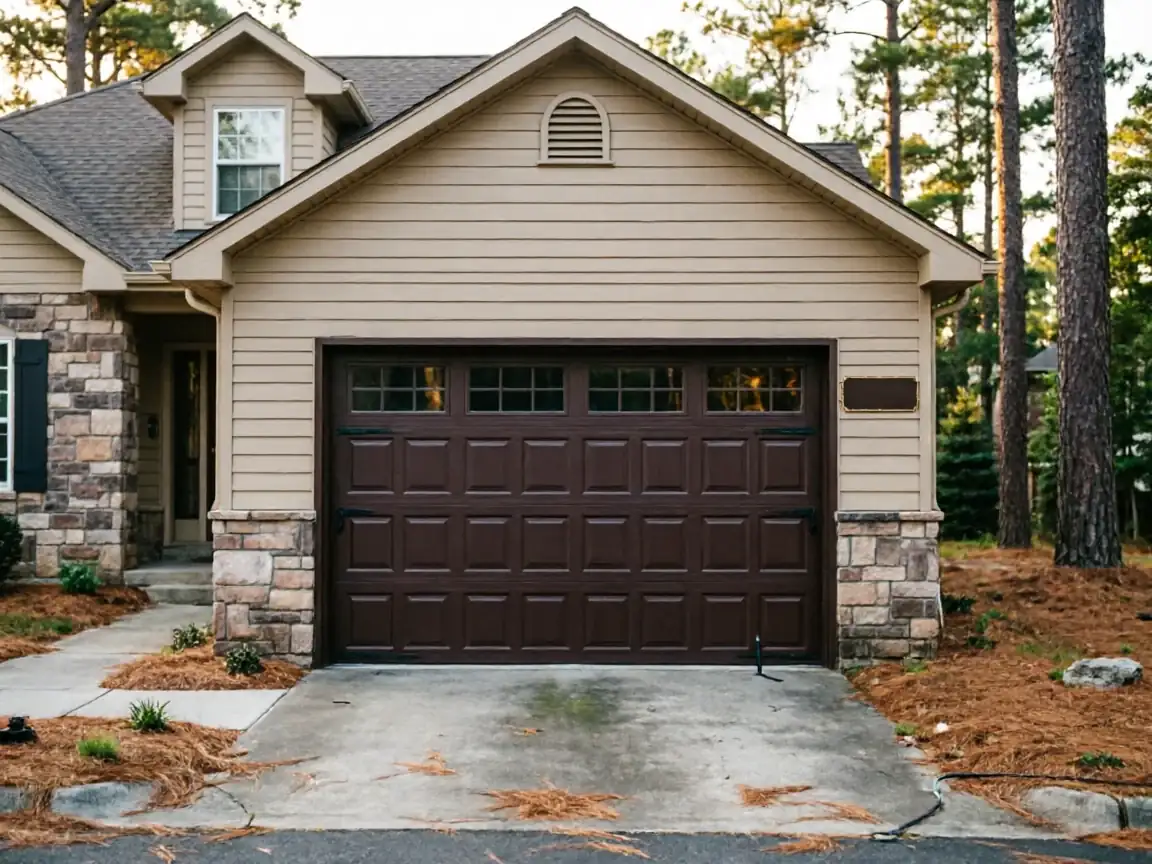
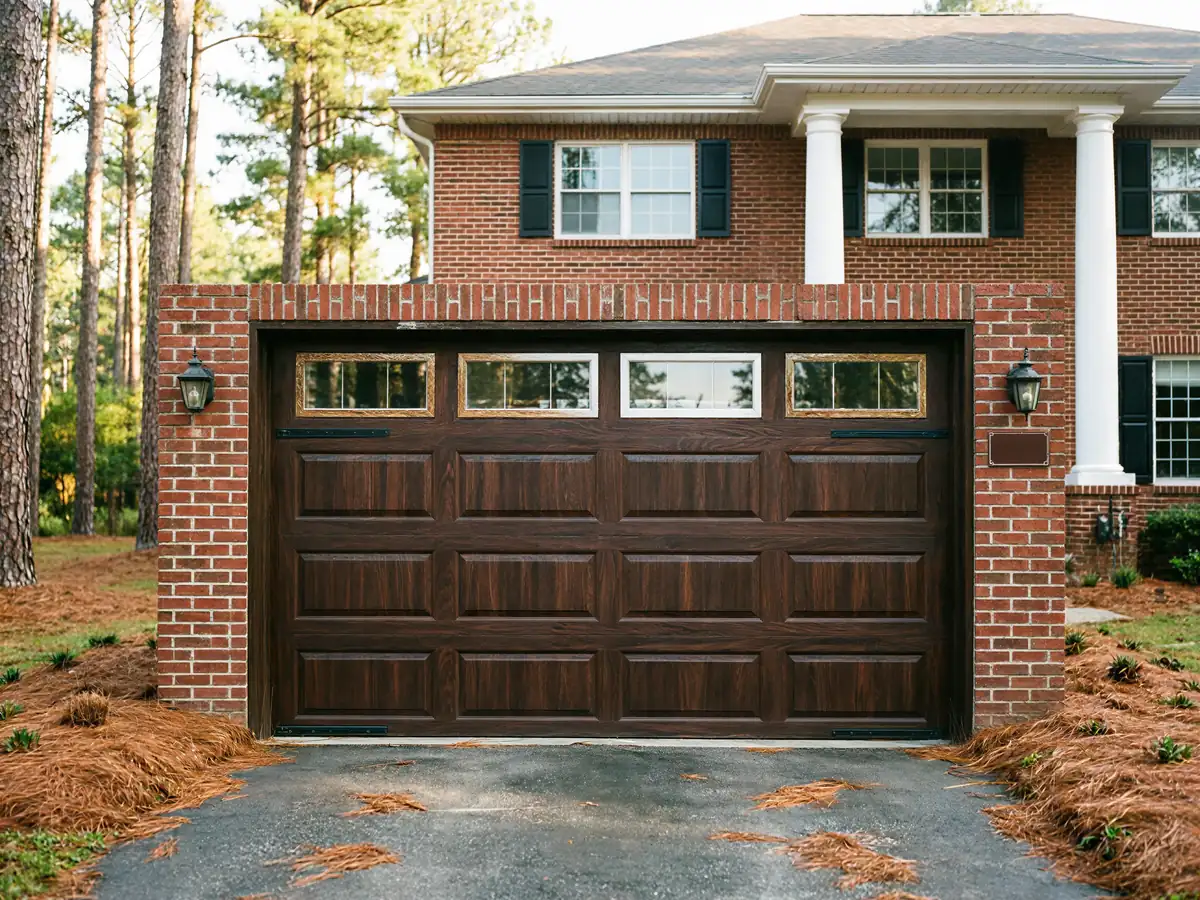
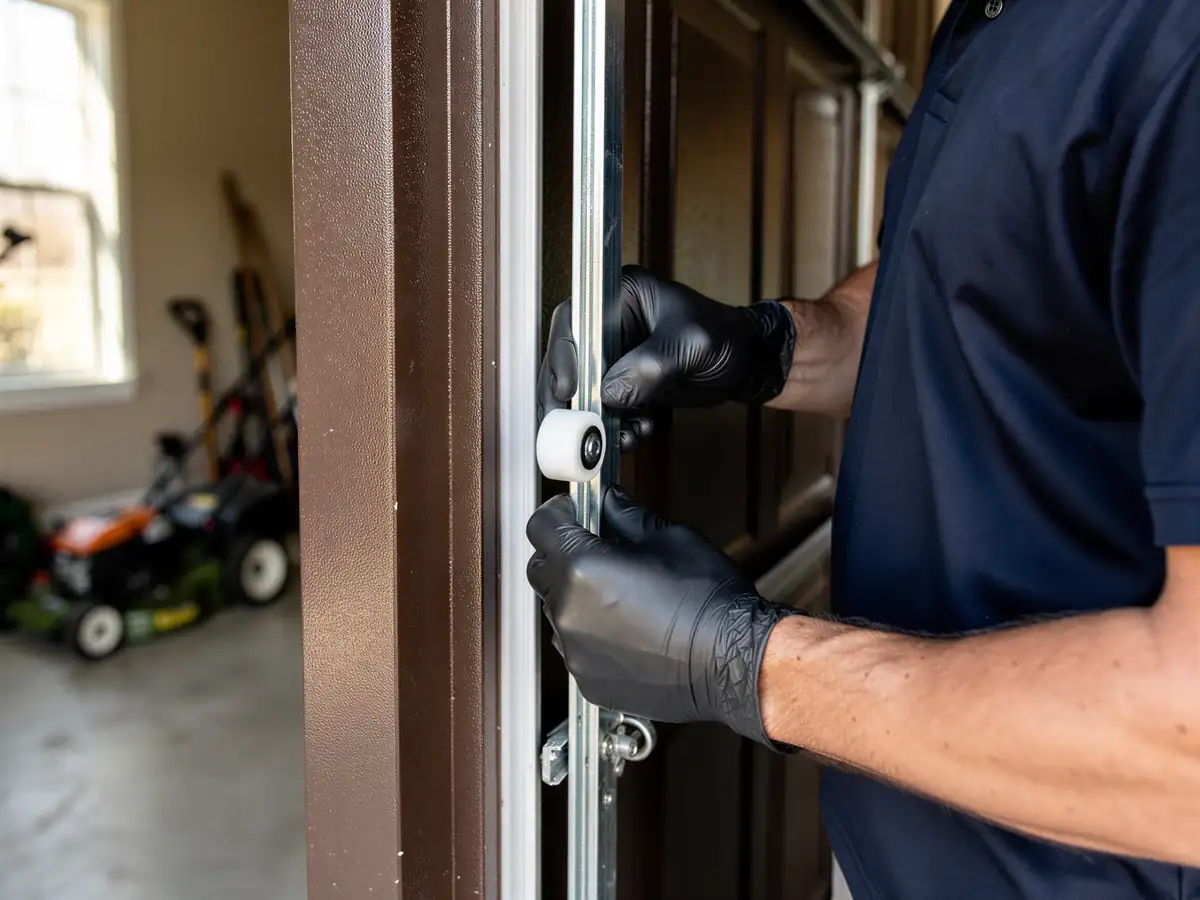
Houses in Lovejoy carry a median build year of 2007, a good two decades newer than the 1961-2007 range (median 1988) that covers the rest of our territory. That gap isn't trivia. It means the original rollers on most Lovejoy doors aren't the older steel ball-bearing style you'll find on a house from the 1980s - they're the nylon rollers that came standard with builder-grade openers and tracks installed during the mid-2000s housing push that built most of this area. Those rollers were fine for the first decade and a half. Past that, the nylon wheel itself starts to flat-spot or crack at the hub, and the stem wears loose in the roller bracket. With roughly 3,270 households in this section, a lot of doors are hitting that point at close to the same time.
At a median household income of $67,872 - higher than the $61,454 average across the wider service area - we also see more owners asking for the sealed-bearing upgrade rather than a like-for-like swap, since the price difference is small against the rest of the job.
What It Costs
We don't post a flat price for roller replacement because the real cost driver isn't the roller
It's what else has worn alongside it. A clean swap of worn nylon rollers for new sealed-bearing ones is a short job. If the track has worn unevenly from years of a dragging roller, or if the bottom bracket has stretched, that adds time and parts we can't quote sight unseen.
We'll tell you on site what's actually worn before we touch anything
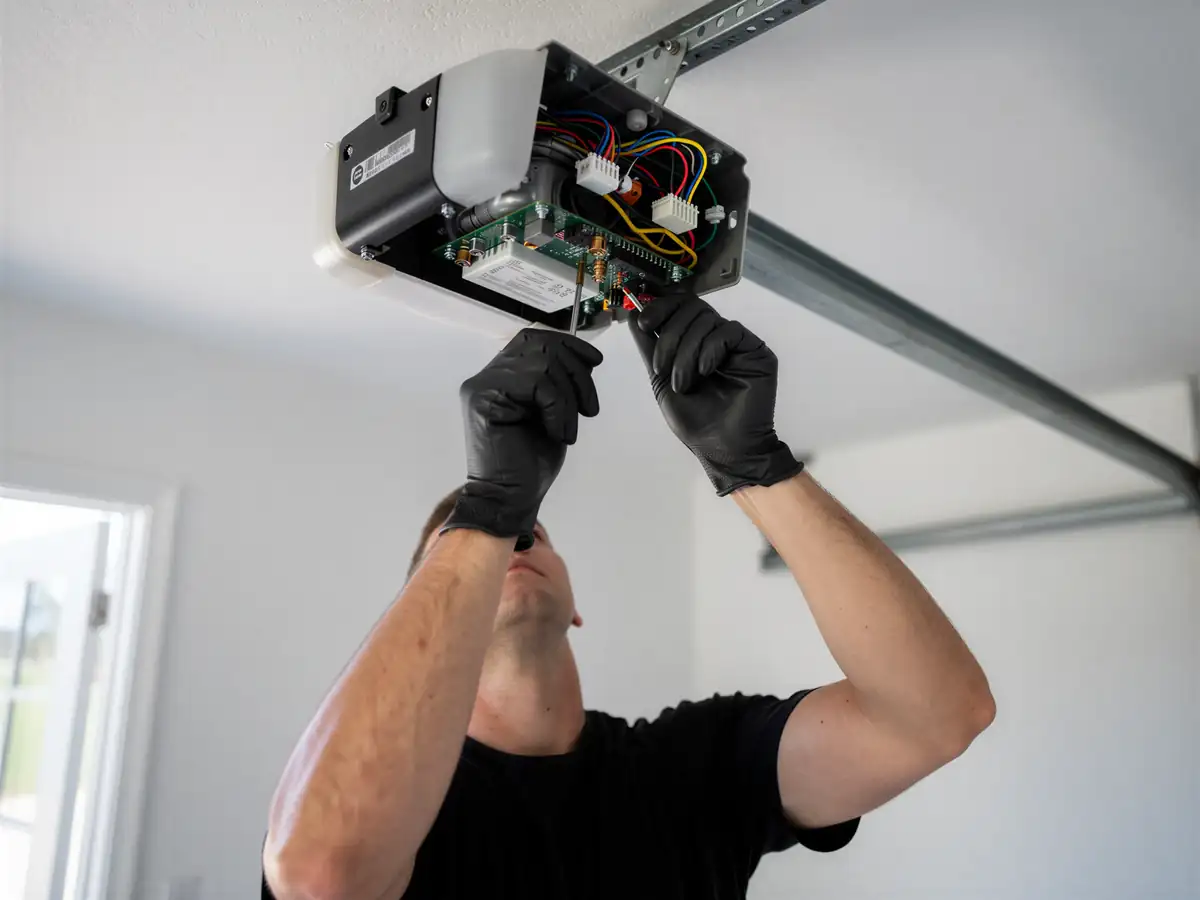
And we won't sell you a full track replacement if the rollers alone are the problem. Given how new most of the housing stock is in Lovejoy, we more often find the rollers are the only thing that's gone - the openers and torsion hardware underneath them are usually still in good working order, just loud.
Parts We Carry
For a service area rated COLD-moderate, we stock sealed-bearing nylon rollers as the standard replacement rather than bare steel. Nylon doesn't need lubrication the way steel rollers do, which matters when temperatures swing and grease stiffens up overnight - a steel roller that squeaks in January is usually just dry, not actually failing.
We carry both 7-inch and 10-inch stem lengths, since door thickness varies even within houses built the same year, and we keep nylon in a couple of hub widths to match older brackets if your door predates the newest construction in the area. What we don't stock on the truck is anything specialty - a roller sized for a commercial sectional door or an odd import brand. Those we order, and that's the one real delay we're upfront about: it can add a few days if your door isn't a common residential size.
How We Fix It
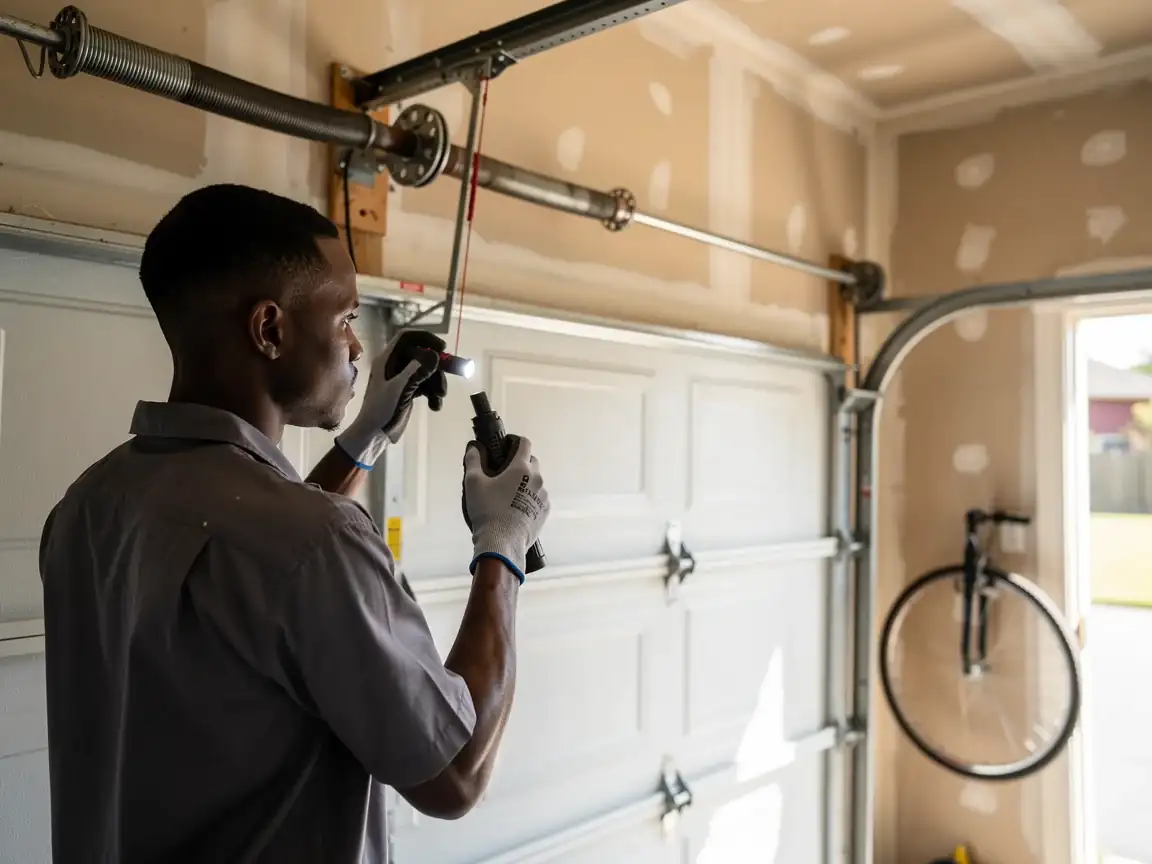
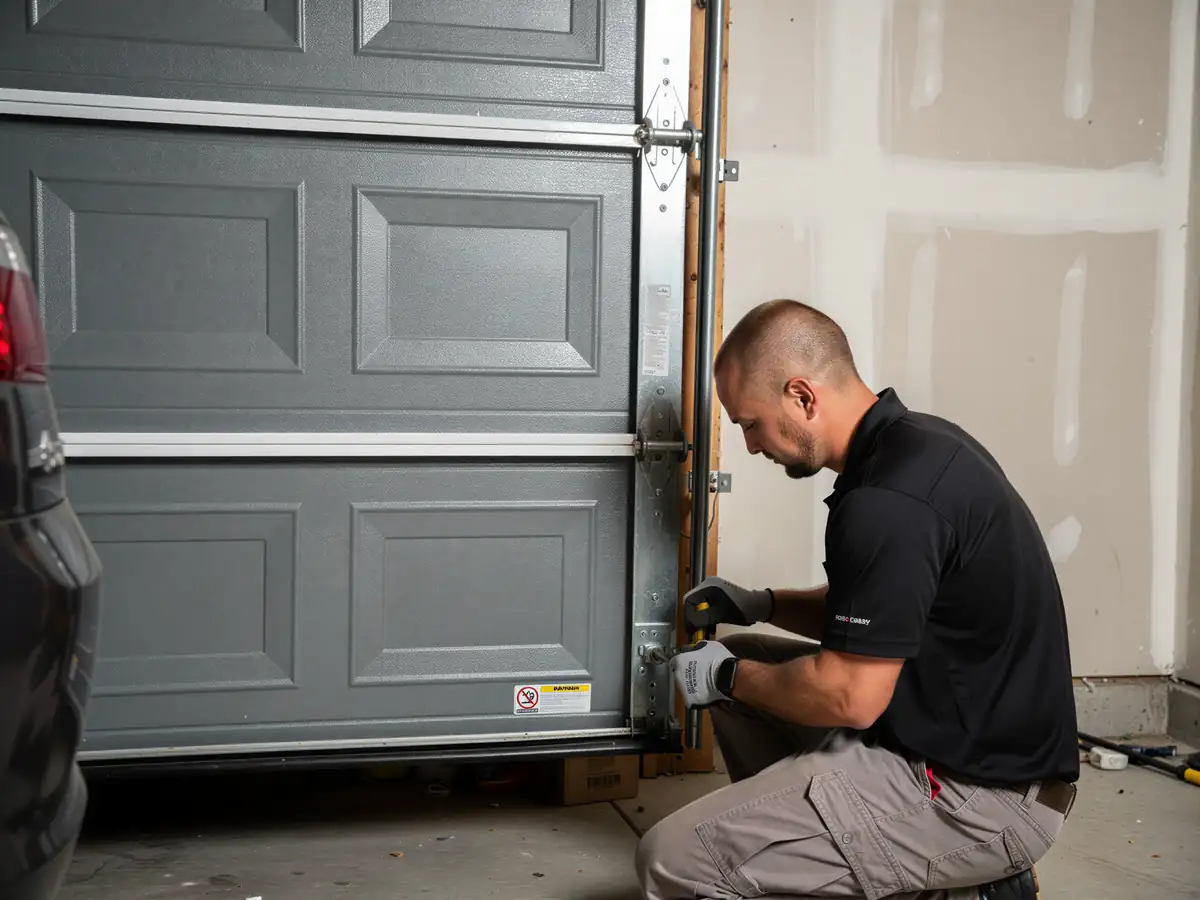
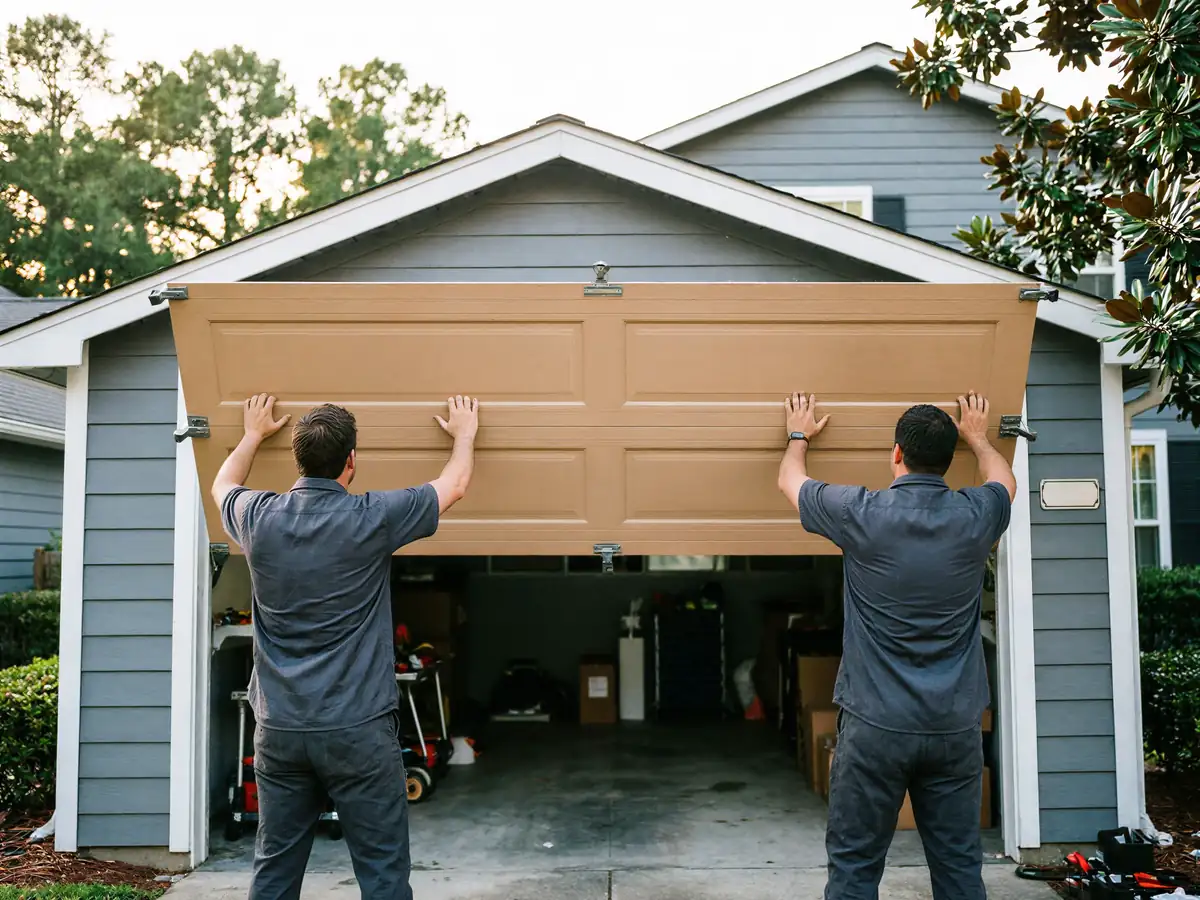
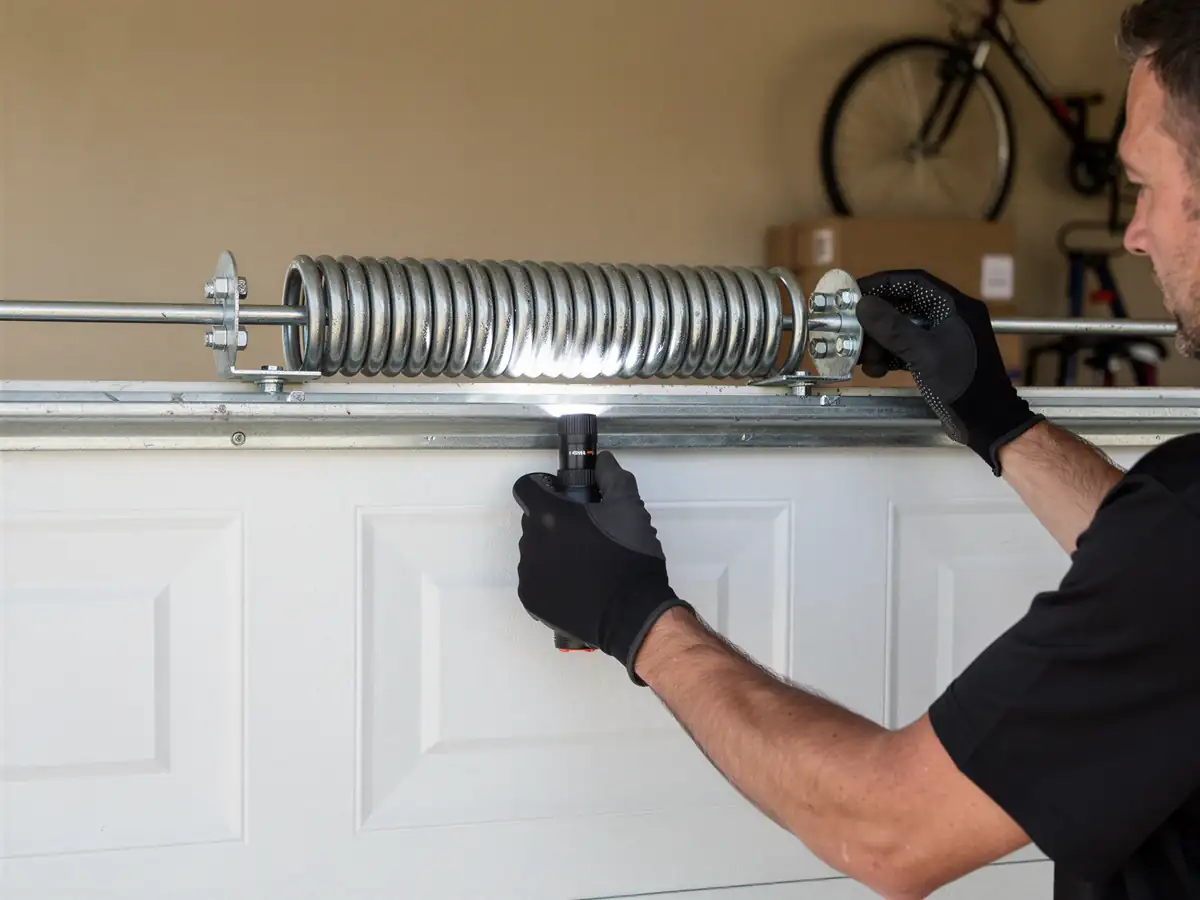
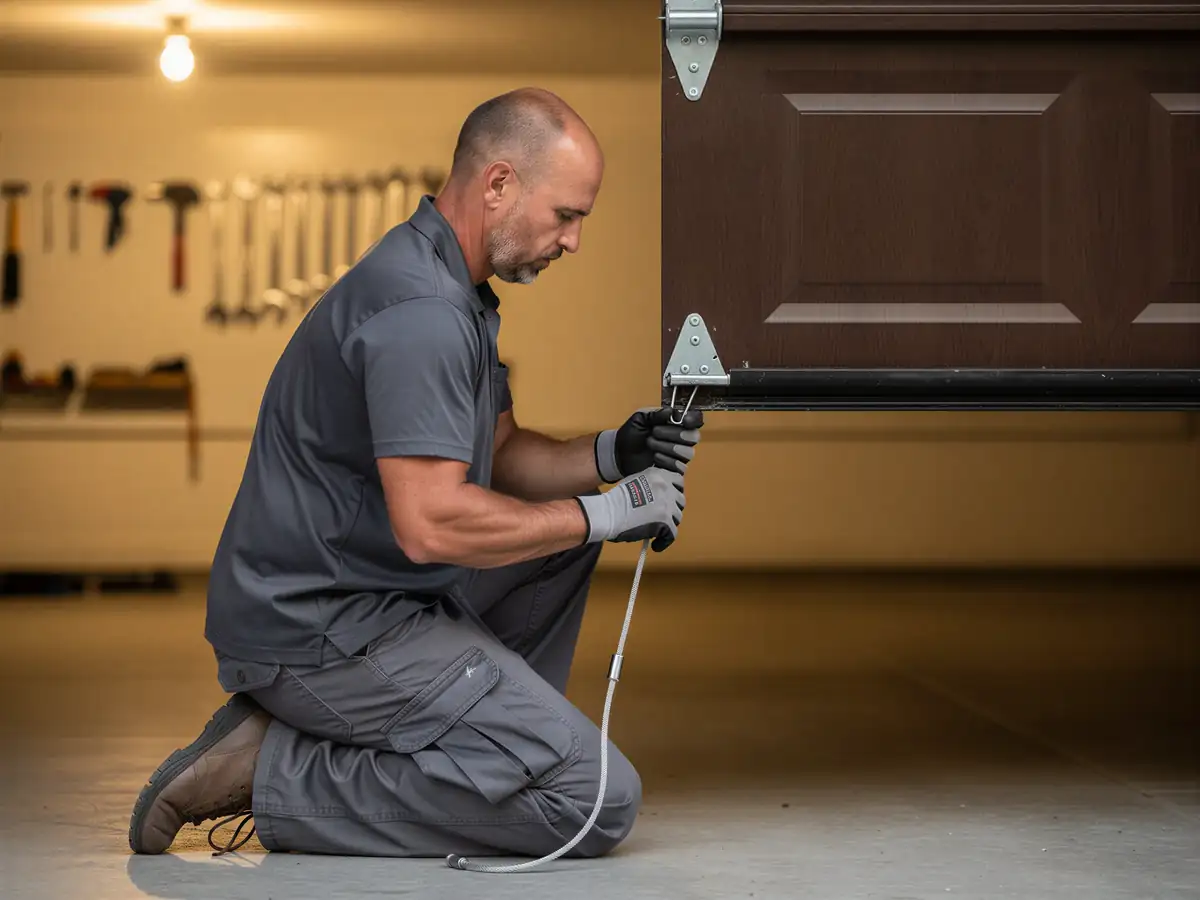
We pull the door down, release spring tension, and work one side at a time so the door stays supported in the track rather than coming loose. Each old roller gets checked at the stem and the wheel before it comes out - a cracked nylon wheel is obvious, but a loose stem in the bracket is easier to miss and is often what's actually causing the noise people blame on the roller itself.
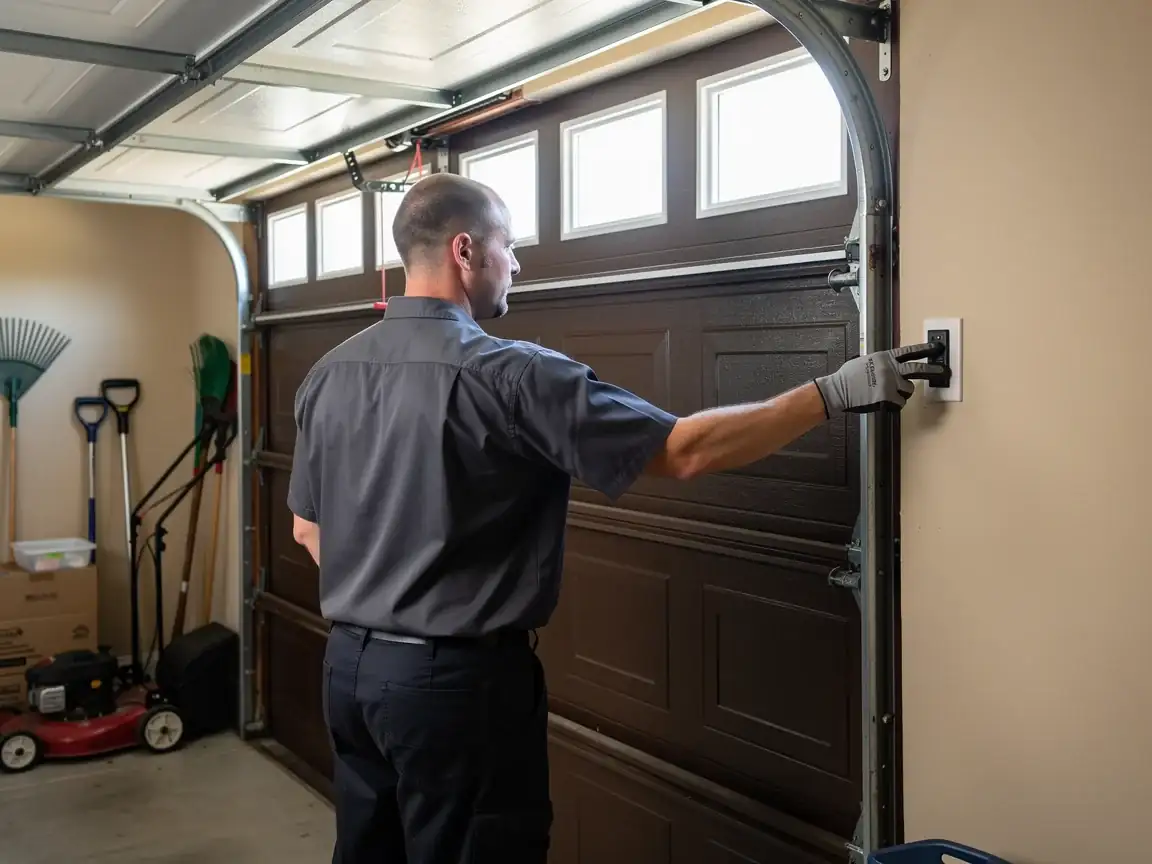
New rollers go in one at a time, and we run the door through a full open-close cycle after each side to check for binding before moving to the next. If the track shows grooving or the roller housing has started to bend from years of an undersized roller riding rough, we'll flag it, but a track swap is a separate job from roller replacement and we won't fold one into the other without telling you first.
The whole thing usually finishes within the same visit. We don't leave a job half-done and come back another day unless we hit a part we don't carry.
The Symptom
The giveaway is almost always sound before it's function
A grinding or popping noise as the door travels, worse at the top or bottom of the run where the roller takes more load. Some owners notice the door catching slightly, a small hesitation rather than a full stop.
Given how much of Lovejoy's housing dates to the mid-2000s
We're increasingly seeing original rollers reach the end of their service life at roughly the same age across a lot of houses in this section - not a coincidence, just a batch of doors that were installed within a few years of each other finally showing wear together. If the door is still opening smoothly and just sounds rough, it's a roller. If it's jumping the track or the door looks crooked in the opening, that's past a roller swap and worth a call before you try to force it.